
 EN
EN  English
 русский
 عربى
عربى 中文简体
中文简体
Product Categories
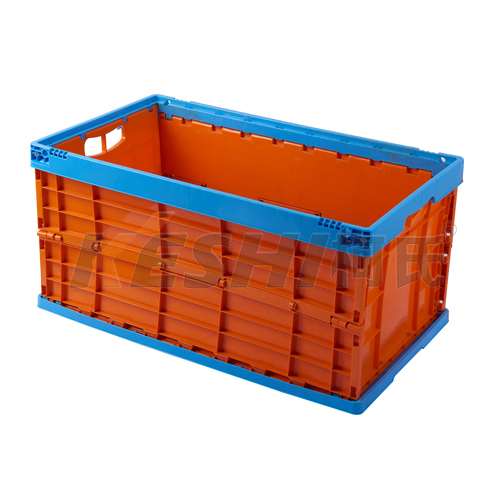
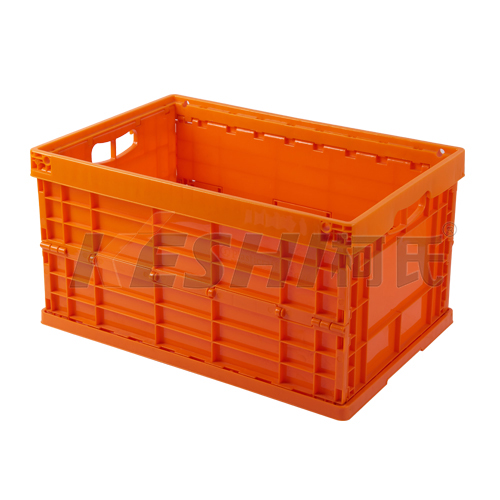
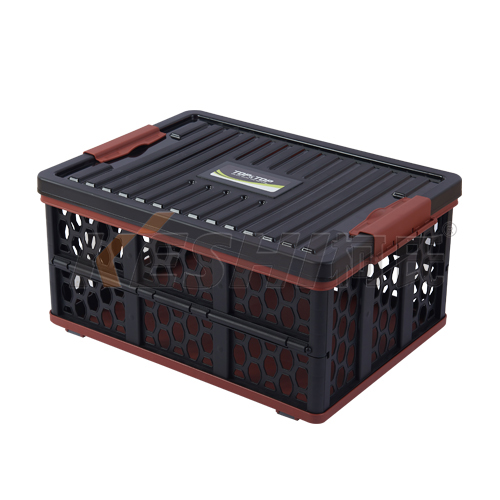
Keshi Mould
Contact Us
Which is a manufacturer & supplier of an extensive range of plastic moulds, Household Plastic Mould, Package Mould, Furniture Mould, Logistics Mould and Pipe Fitting Mould, etc.
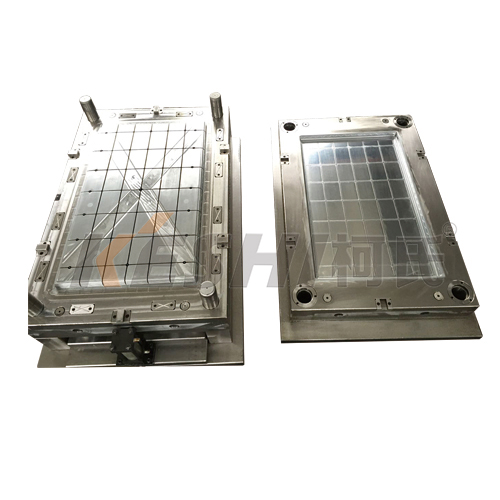
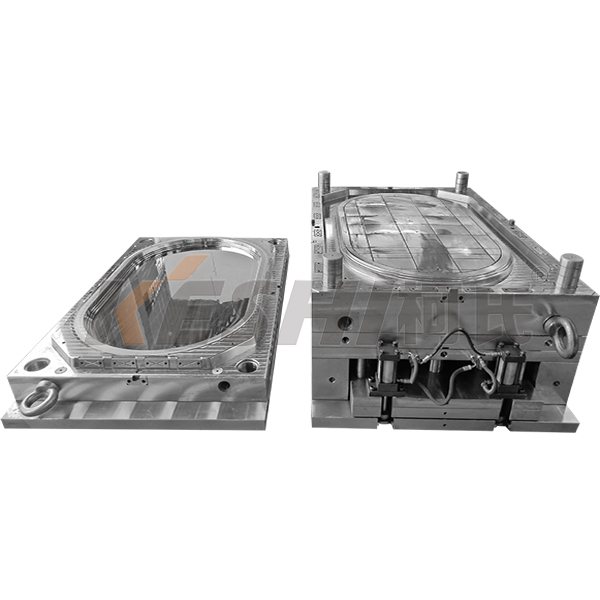
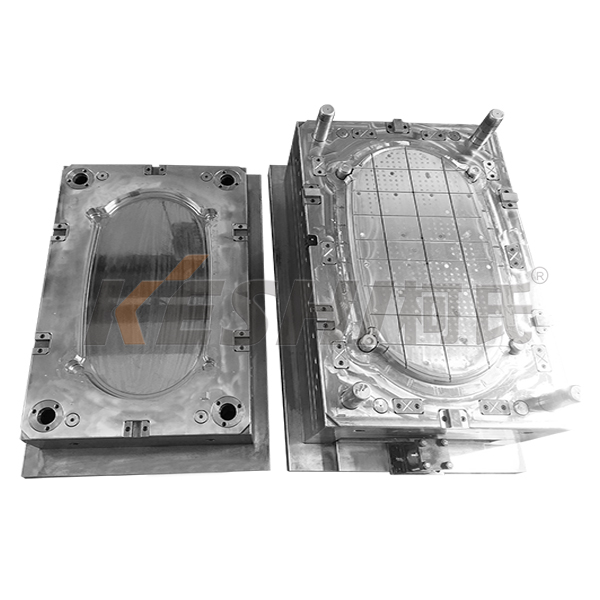
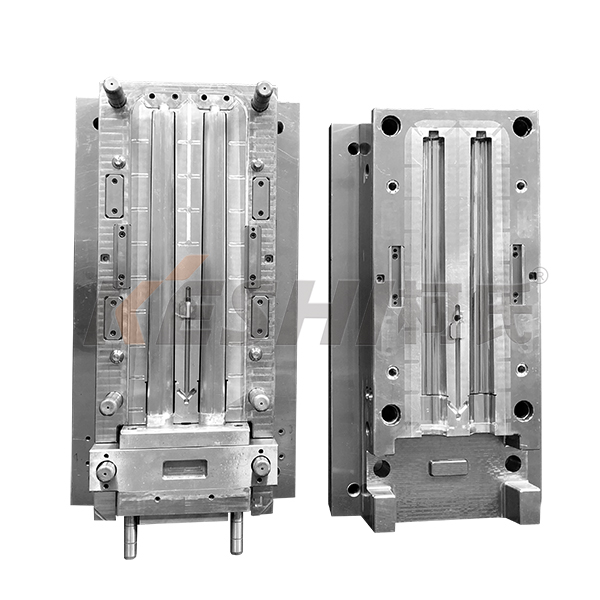
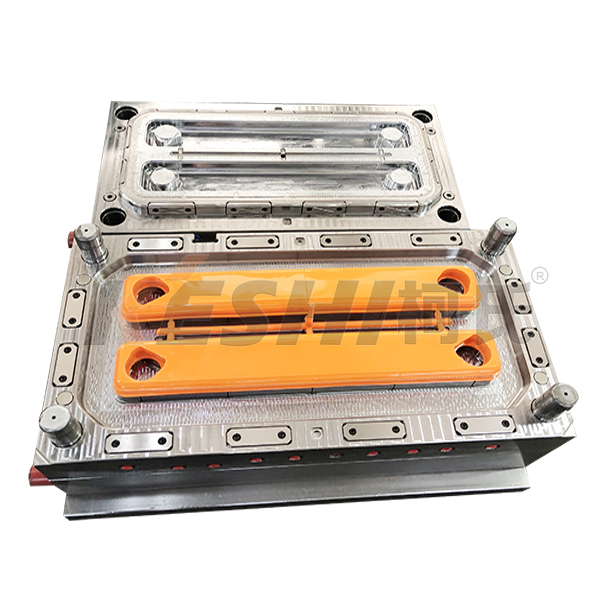
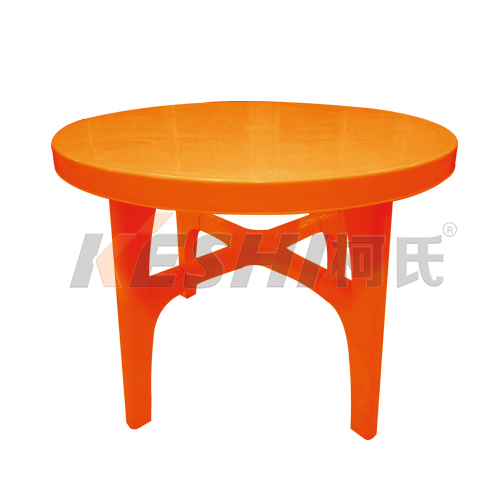
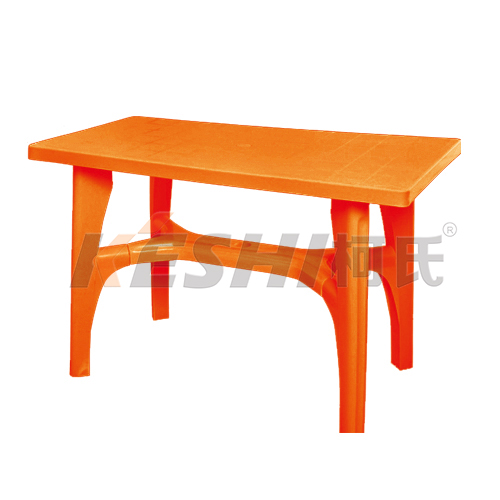
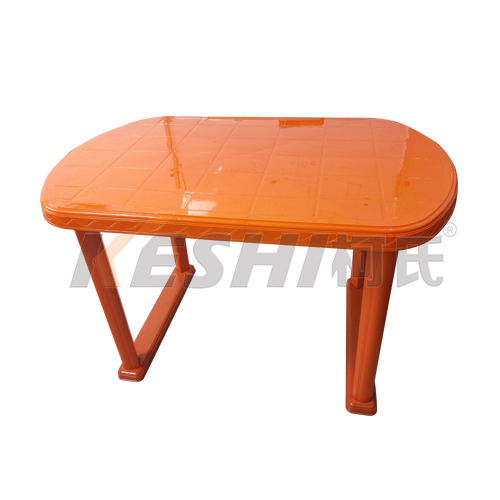
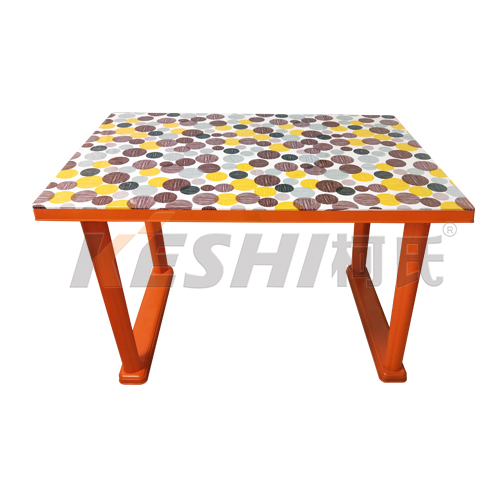
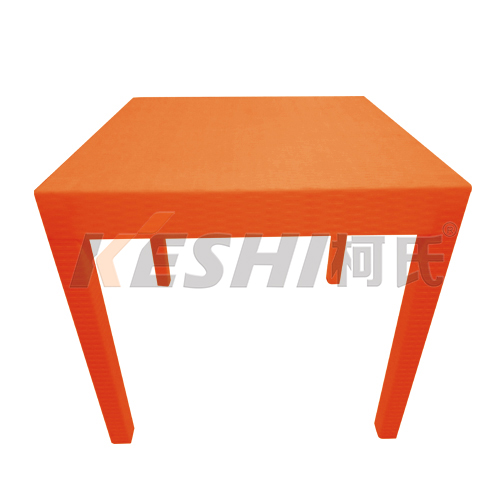
Plastic Table Mould Manufacturer
We're known as one of the most professional mould manufacturer for plastic chair mould, plastic table mould, we have 15 years experience in making plastic injection mould. High mould quality standard and good service help us to be outstanding to highly competitive international market.

ABOUT US
Zhejiang Keshi Mould & Industry Co., Ltd.
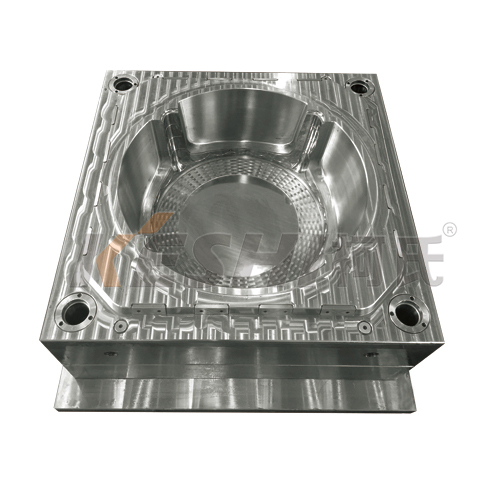
Zhejiang Keshi Mould & Industry Co., Ltd. is a Custom Plastic Table Mould Manufacturer and China OEM/ODM Plastic Table Mould Factory, We produce, manufacture, and sell Household Plastic Mould, Package Mould, Furniture Mould, Logistics Mould and Pipe Fitting Mould, etc.
We have complete mould-building facilities furnished with the latest modelling software: UG, CAD/CAM, PROE, SOLIDWORKS, and advanced processing equipment to ensure high-quality mould. We aim to meet and exceed our customers’ expectations through design, competitive prices, fast delivery, and after-sales service.

News
-
Leading the Way in Custom Mold Production A Mold Manufacturer Supplier plays an essential role in industries ranging from automotive and electronics to consumer...
READ MORE -
The Role of Plastic Injection Molds in Modern Production A Plastic Injection Mold plays a critical role in the manufacturing of plastic products across various ...
READ MORE -
From Granules to Garden Chairs Every plastic chair, table, and storage unit begins as tiny granules inside massive molding machines. A plastic furniture mold tr...
READ MORE -
What Makes Logistics Moulds Different Every warehouse stacked with pallets, every shipment secured in plastic crates, and every distribution center organized wi...
READ MORE -
Where Kitchen Containers Begin Open any kitchen cabinet and find storage containers in every shape and size. Each one started as liquid plastic inside a househo...
READ MORE -
What Actually Happens Inside a Mold Look around any room and count plastic items. Phones, remotes, water bottles, toys, containers. Every single one began as li...
READ MORE -
How Do Plastic Package Molds Improve Manufacturing A Plastic Package Mold is essential for producing consistent, high-quality packaging products used in food, c...
READ MORE -
How Do Pipe Fitting Molds Enhance Manufacturing Efficiency A Pipe Fitting Mold is a key tool in producing high-quality pipe connectors for plumbing, irrigation,...
READ MORE -
How Do Logistics Moulds Improve Supply Chain Efficiency Efficient packaging and storage are critical in modern supply chains, and a Logistics Mould provides con...
READ MORE -
How Do Household Plastic Molds Improve Manufacturing Efficiency A Household Plastic Mold plays a vital role in producing consistent, high-quality household prod...
READ MORE -
Thin wall molding is a specialized injection molding process used to manufacture plastic parts with relatively thin wall sections while maintaining structural i...
READ MORE -
How does the Chemical and Impact Resistance of Paint Bucket Molds Affect Their Performance? In the production of paint buckets, the material properties and resi...
READ MORE
We Have Rich Industry Experience, Strong Technical Strength,
And a Technical Team. Can Provide One-stop Solutions Based On Customer Needs.

-
2018
Was founded in
-
10+
Industry experience
-
xxx
Patent Certificate
-
xx+
Automatic production line
Honor

Leaving a Message
If you would like to learn more about our products, please feel free to contact us and we will do our to assist you.
Industry Knowledge Extension
What Are Some Common Materials Used for Plastic Table Molds?
Plastic table molds are integral to the production of a wide range of tables, from household furniture to industrial-grade tables. The choice of material for these molds is crucial as it affects the mold’s durability, production efficiency, and the properties of the final product. Commonly used materials for plastic table molds include ABS (Acrylonitrile Butadiene Styrene), PP (Polypropylene), and PE (Polyethylene), each offering distinct characteristics that make them suitable for different applications.
1. ABS (Acrylonitrile Butadiene Styrene)
ABS is a widely used thermoplastic material known for its strength, rigidity, and impact resistance. It is commonly used in plastic table molds for tables that require a high level of durability and toughness. ABS is also known for its ease of processing, making it suitable for injection molding processes. It provides a smooth surface finish, which is beneficial for aesthetic quality, and is often used for molded parts that require a high level of dimensional stability.
2. PP (Polypropylene)
Polypropylene is another popular thermoplastic material used for plastic table molds due to its chemical resistance, low moisture absorption, and high fatigue resistance. PP is often used in outdoor tables or tables that will be subjected to varying temperatures, as it can withstand exposure to heat without degrading. It also offers good flexibility, making it ideal for molded products that require a balance of strength and pliability.
3. PE (Polyethylene)
Polyethylene, particularly high-density polyethylene (HDPE), is known for its toughness, low friction properties, and resistance to chemicals. It is often used in the production of plastic tables that need to be strong yet lightweight. PE is also commonly used for outdoor or heavy-duty tables due to its ability to resist environmental stress, UV radiation, and weathering.
These materials are chosen not only based on their physical properties but also in consideration of the intended use of the table and the manufacturing process. The selection of the right material is crucial for ensuring that the mold can withstand the pressures of repeated cycles, deliver quality products, and meet production efficiency goals.
What Are the Surface Treatment Options for Large Table Molds?
Surface treatment is an important aspect of large table mold manufacturing, particularly when it comes to improving the mold’s performance, enhancing the aesthetic appearance of the molded table, and increasing the mold’s lifespan. Several surface treatment options are commonly employed, each offering different benefits depending on the requirements of the table mold.
1. Painting
Painting is a common surface treatment for large table molds. It can improve both the visual appearance and the functionality of the mold. A high-quality paint finish can provide a smooth, glossy surface that reduces the friction between the mold and the plastic, which can bring about better part ejection and less wear on the mold. Additionally, painting can be used to add a layer of protection to the mold, guarding against corrosion and wear. Different types of paint, including epoxy and polyurethane-based paints, can be used depending on the type of material and the expected mold usage.
2. Electroplating
Electroplating is a technique where a thin layer of metal is applied to the surface of the mold through an electrochemical process. It improves the surface hardness and wear resistance of the mold, making it more durable and suitable for high-volume production. For large table molds, electroplating can help extend the life of the mold by reducing corrosion and preventing wear due to the high pressures and temperatures involved in the injection molding process. Common metals used in electroplating for molds include nickel and chrome.
3. Textured Finishes
Textured finishes are often applied to large table molds to create specific surface patterns on the final molded part. These finishes can be created by etching or abrasive blasting the mold surface to create a matte or patterned texture, which can help hide imperfections and improve the visual appeal of the molded table. Textured finishes also reduce glare and improve the tactile feel of the product. This option is especially useful when producing plastic tables that need a more decorative or functional surface, such as tables with anti-slip or ergonomic designs.
Why are Foldable Table Molds a worthwhile choice?
Foldable table molds are a worthwhile choice because they align closely with the needs of modern production, where flexibility, efficiency, and cost control are increasingly important. The direct advantage of foldable tables is their ability to provide a practical storage and transportation solution, and molds designed for such products must reflect these functional requirements. A well-designed foldable table mold allows manufacturers to produce components that can be easily assembled and disassembled without compromising stability or durability. This makes the final product more adaptable for different use scenarios, such as outdoor events, temporary workspaces, or compact living environments.
From a manufacturing perspective, foldable table molds can support cost-effective production. The design often focuses on producing parts with uniform wall thickness, integrated hinges, and consistent dimensional accuracy. This reduces the need for additional assembly steps and helps maintain stable production cycles. In addition, the mold can be designed to use materials that balance strength and flexibility, such as polypropylene (PP) or high-density polyethylene (HDPE), which are suited for repeated folding and unfolding.
Copyright © 2023 Zhejiang Keshi Mould & Industry Co., Ltd. All Rights Reserved

OEM/ODM Plastic Table Mould Factory