
 EN
EN  English
 русский
 عربى
عربى 中文简体
中文简体
Product Categories
Keshi Mould
Contact Us
Which is a manufacturer & supplier of an extensive range of plastic moulds, Household Plastic Mould, Package Mould, Furniture Mould, Logistics Mould and Pipe Fitting Mould, etc.
Daily Use Trash Bin Mould Manufacturer
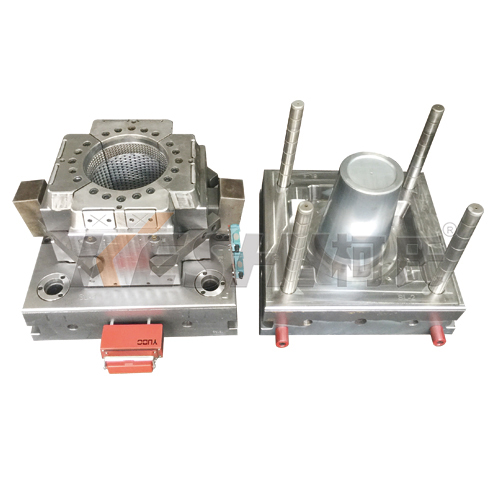
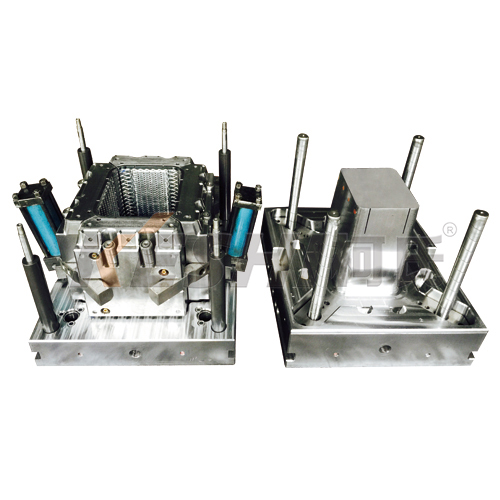
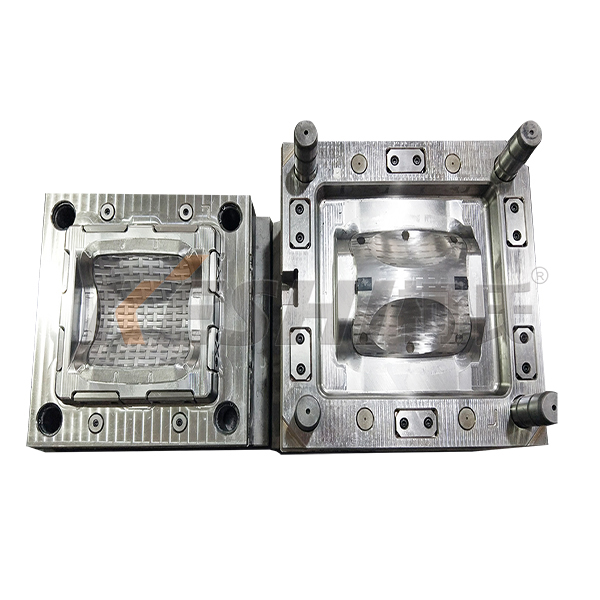
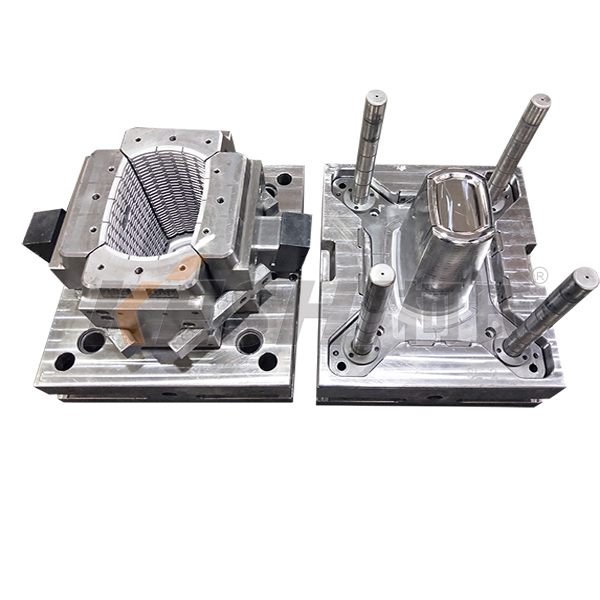
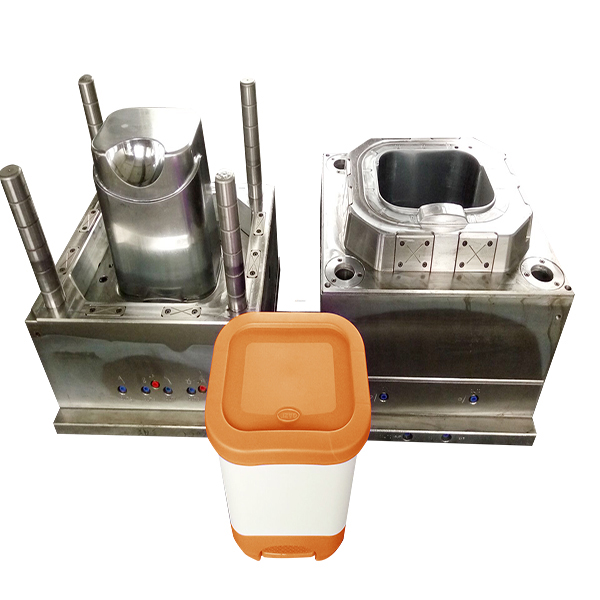
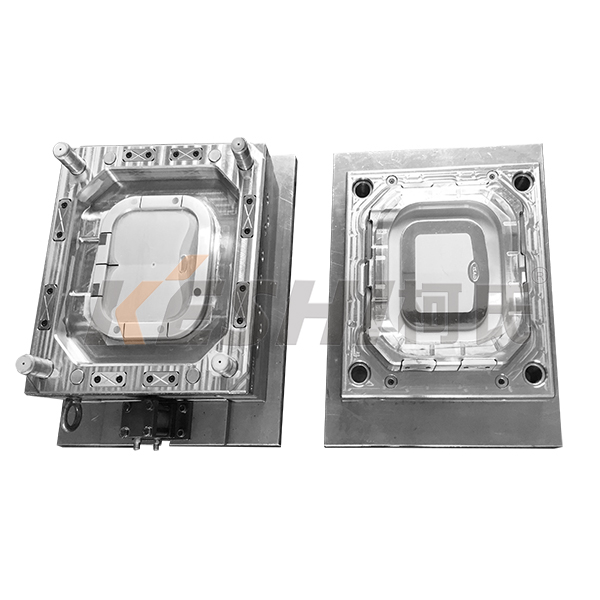
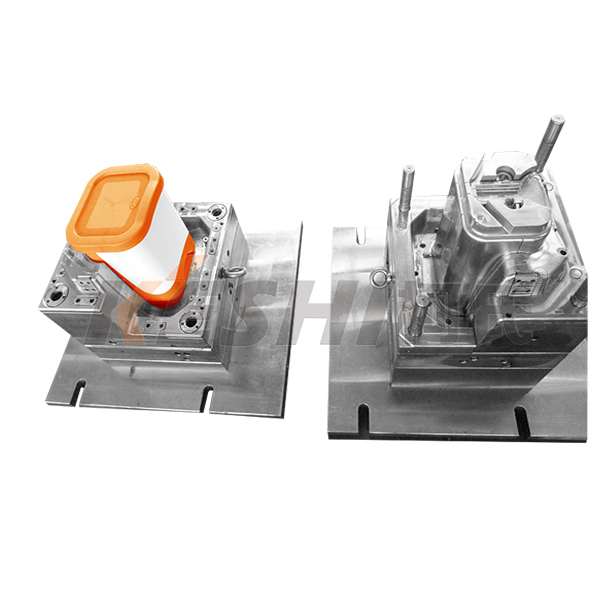
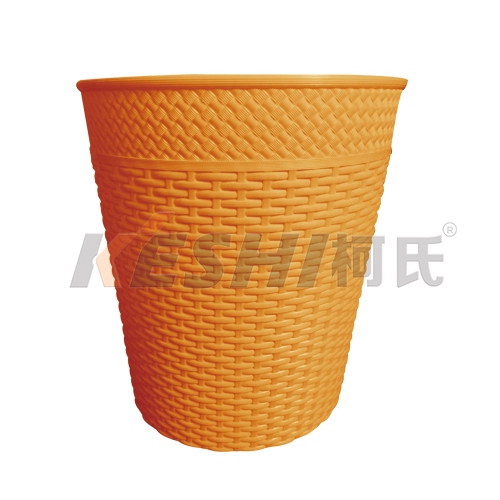
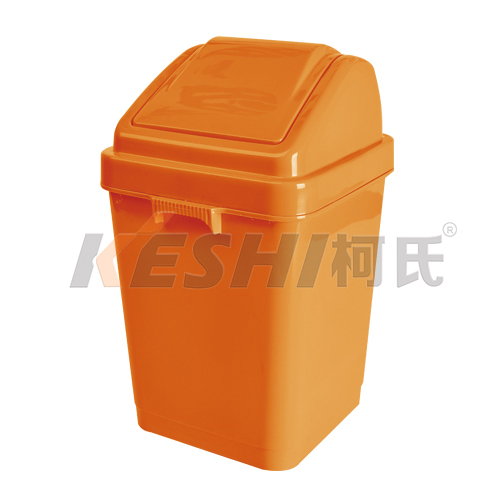
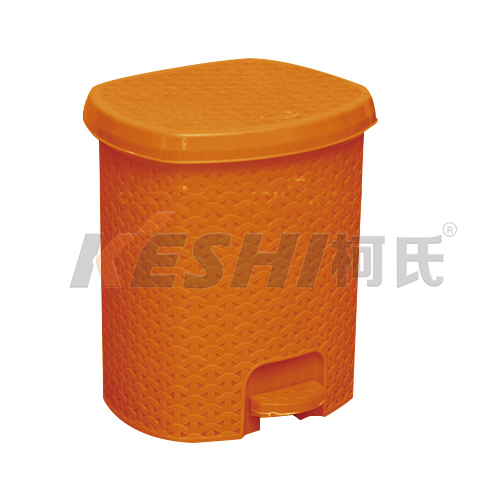
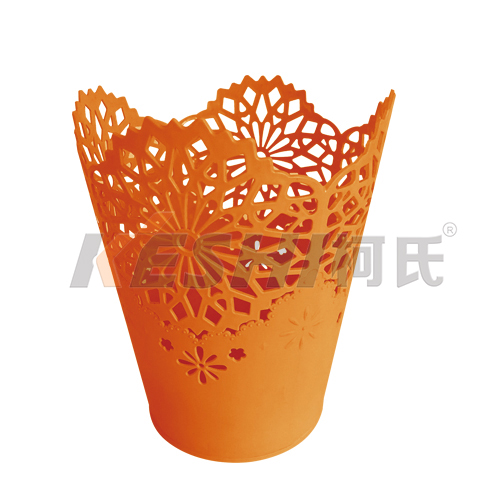
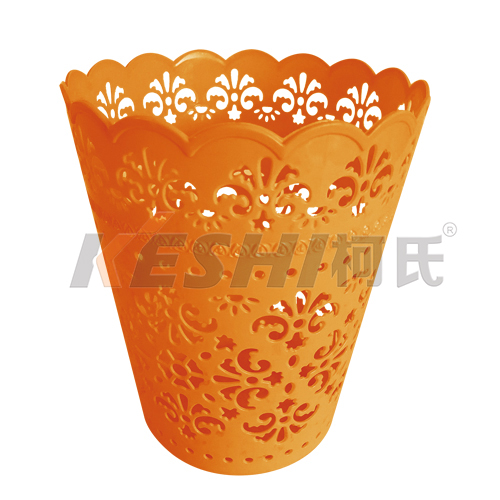
As people's awareness of environmental protection and garbage classification continues to increase, plastic dustbin have broad market prospects. KESHI MOULD has developed dustbin moulds of different capacities and different styles for many countries, and accumulated a lot of experience. According to the different scope of use, it can be divided into household trash bins, industrial dustbins, etc.
Household trash bin mould: Generally, they are divided into rotating trash bins, pedal trash bins, and simple (round and square) trash bins. The capacity is generally divided into 5L, 10L, 15L, 20L, 25L, 30L.
ABOUT US
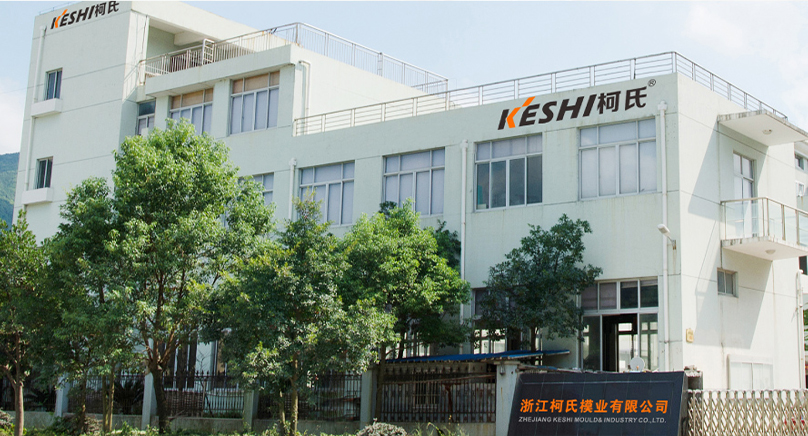
Zhejiang Keshi Mould & Industry Co., Ltd.
Zhejiang Keshi Mould & Industry Co., Ltd. is a Custom Daily Use Trash Bin Mould Manufacturer and China OEM/ODM Daily Use Trash Bin Mould Factory, We produce, manufacture, and sell Household Plastic Mould, Package Mould, Furniture Mould, Logistics Mould and Pipe Fitting Mould, etc.
We have complete mould-building facilities furnished with the latest modelling software: UG, CAD/CAM, PROE, SOLIDWORKS, and advanced processing equipment to ensure high-quality mould. We aim to meet and exceed our customers’ expectations through design, competitive prices, fast delivery, and after-sales service.
News
-
A plastic dustbin sits in kitchens, offices, streets, and parks. It gets kicked, shoved, and filled with whatever people throw at it. It has to be cheap enough ...
READ MORE -
A plastic chair, a stackable stool, a drawer unit, a table frame. These are furniture, but they are also molded parts. A plastic furniture mould manufacturer bu...
READ MORE -
The handle cutout looks simple. Two holes in the sides for the hands. But the cutout is a stress point. The full crate is lifted by those two openings, and the ...
READ MORE -
A package is invisible until it fails. The tub that cracks in the freezer. The lid that will not snap. The tray that warps in the oven. When the package works, ...
READ MORE -
A laundry basket, a storage box, a clothes hanger, a food container, a dustpan. These are household plastic products. Each one was formed inside a steel mold. A...
READ MORE -
A plastic dustbin sits in kitchens, offices, streets, and parks. It gets kicked, shoved, and filled with whatever people throw at it. It has to be cheap enough ...
READ MORE -
A plastic pallet box holds hundreds of kilos of produce, industrial parts, or bulk liquid. Forklift tines slide under it. Empty containers nest together. A pall...
READ MORE -
A plastic crate carries bottles, bread trays, and produce from farm to store. It stacks, nests, and survives forklift impacts. A single crate mould produces one...
READ MORE -
A baby bottle, a pacifier, a feeding spoon, a teething ring. These are not just plastic parts. They go into a baby's mouth. They get sterilized in boiling water...
READ MORE -
Every plastic pallet, every stackable crate, every collapsible bulk bin starts in a mold. The part that ships on a truck was formed in a tool that was cut from ...
READ MORE -
A thinwall container mould produces lightweight plastic cups, bowls, and food trays that stack tightly and sell by the million. The mould arrives delivering thi...
READ MORE -
A daily use dustbin mould shapes the plastic bins that hold household waste—kitchen trash, bathroom bins, and office receptacles. The mould arrives producing pa...
READ MORE
We Have Rich Industry Experience, Strong Technical Strength,
And a Technical Team. Can Provide One-stop Solutions Based On Customer Needs.

-
2018
Was founded in
-
10+
Industry experience
-
xxx
Patent Certificate
-
xx+
Automatic production line
Honor

Leaving a Message
If you would like to learn more about our products, please feel free to contact us and we will do our to assist you.
Industry Knowledge Extension
What role does CAD play in the precision of trash bin mold design?
CAD technology allows manufacturers to create highly accurate digital models of trash bin molds. This precision ensures that the molds are manufactured to exact specifications, reducing errors that could bring about defects in the final product. The ability to simulate various design elements in the virtual space helps in optimizing the mold’s dimensions before production begins.
How does CAD improve efficiency in mold development?
By using CAD software, designers can quickly iterate and modify their designs, significantly reducing the time spent in the prototyping phase. CAD programs offer tools for rapid prototyping, which shortens the overall product development cycle. Furthermore, the virtual environment allows for easier integration of design changes without the need for physical adjustments, making the process much more efficient.
Can CAD software enhance collaboration in mold design?
CAD allows multiple team members to collaborate seamlessly, regardless of their location. Designers, engineers, and manufacturers can access the same digital model, enabling real-time feedback and adjustments. This collaboration results in a more streamlined development process, as all stakeholders are working with the same up-to-date data.
What is the impact of CAD on mold optimization?
CAD tools can perform simulations to analyze stress points, material flow, and thermal dynamics, which are critical to the design of durable and functional molds. This optimization helps in identifying potential weaknesses in the mold before it is physically produced, ensuring a more reliable and long-lasting final product.
Why is customization important for daily use trash bins?
Custom trash bin molds allow manufacturers to meet specific customer needs by tailoring the design, size, shape, and functionality of the trash bins. Custom molds can be created for different environments, whether residential, industrial, or commercial, ensuring that the product fits its intended use.
How does custom molding affect material usage and waste reduction?
With custom molds, manufacturers can choose the suitable materials for the specific type of garbage bin being produced, ensuring better material usage. This reduces waste during the molding process and allows for greater efficiency in material costs. Additionally, custom molds can be designed to use less material while maintaining the strength and durability of the final product.
What benefits does custom molding bring to the aesthetics of trash bins?
Custom molds enable manufacturers to design trash bins that are aesthetically pleasing and align with the branding or design requirements of their customers. This can include unique colors, textures, and shapes that appeal to specific markets. The ability to cater to aesthetic demands adds value to the product, particularly in consumer-focused industries.
How does customization impact mold longevity?
Custom molds can be engineered with durability in mind. By using high-quality materials and optimizing the design for the specific needs of daily use trash bins, manufacturers can extend the life of the mold. This results in fewer replacements over time, which is cost-effective for both manufacturers and customers.
How does mold design influence the recyclability of plastic?
The design of the trash bin mold directly impacts how well plastic can be recycled. A well-designed mold allows for efficient material flow and minimizes defects, making it easier for the plastic to be reused. Poorly designed molds may bring about excessive waste or contamination, reducing the quality of recyclable plastic.
In what ways does mold design contribute to plastic waste during production?
Mold designs that incorporate efficient material usage minimize scrap and waste during the injection molding process. By designing molds with optimized flow channels and cooling systems, manufacturers can reduce the amount of plastic that is wasted during production. This directly benefits the recyclability of plastic products, as less waste is generated in the place.
What role does mold design play in enhancing the quality of recycled plastic?
Molds that are designed with recyclability in mind often incorporate features that improve the quality of the plastic produced. These molds ensure that the material retains its strength, durability, and aesthetic qualities after recycling. As a result, the final product is of higher quality, which improves its appeal for future recycling efforts.
How does mold design impact the end-of-life process of plastic trash bins?
When trash can molds are designed for recyclability, they often incorporate features that allow the product to be more easily disassembled and processed at the end of its life cycle. This can include removable parts or simplified designs that make it easier for recycling facilities to process the product efficiently. Enhanced mold design helps ensure that the plastic is properly sorted and recycled, reducing the environmental impact of discarded products.
Copyright © 2023 Zhejiang Keshi Mould & Industry Co., Ltd. All Rights Reserved

OEM/ODM Daily Use Trash Bin Mould Factory