
 EN
EN  English
 русский
 عربى
عربى 中文简体
中文简体
Product Categories
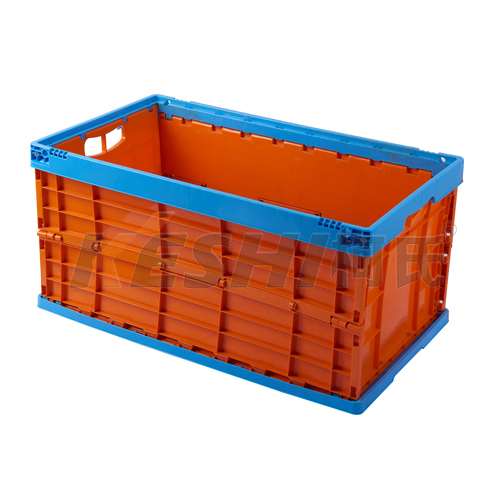
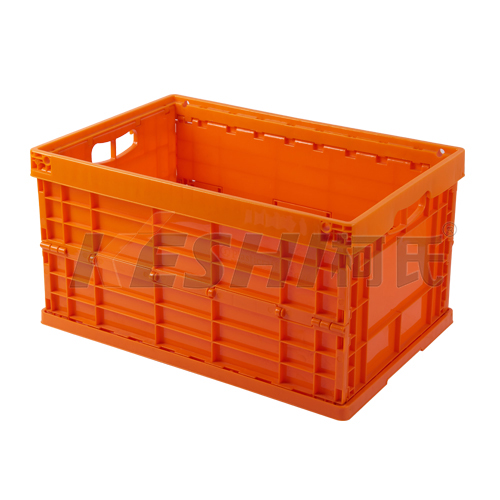
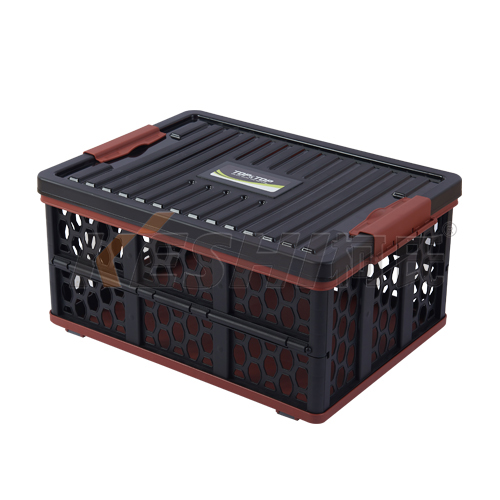
Keshi Mould
Contact Us
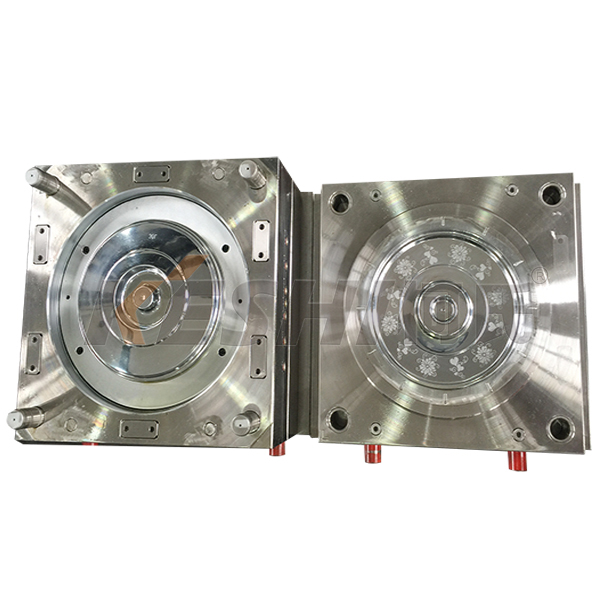
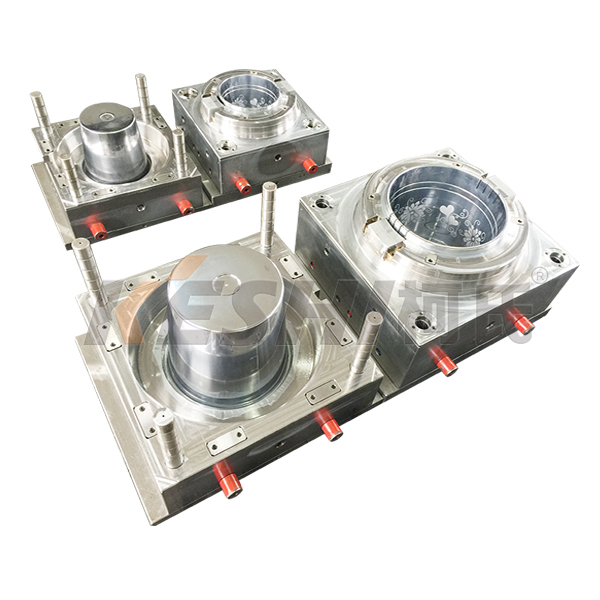
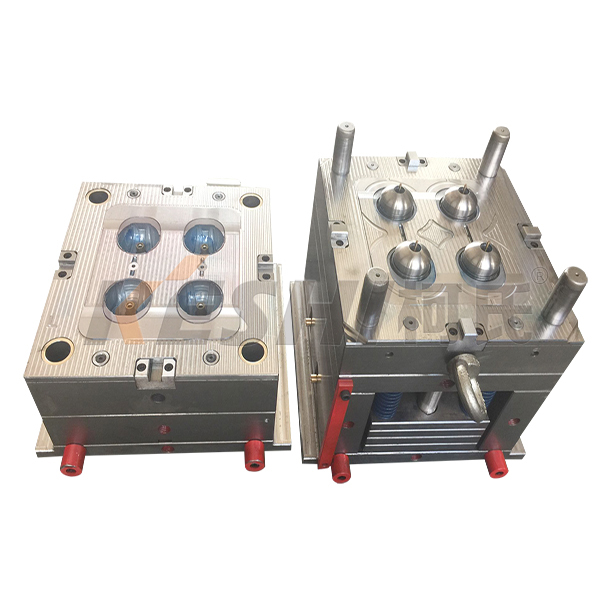
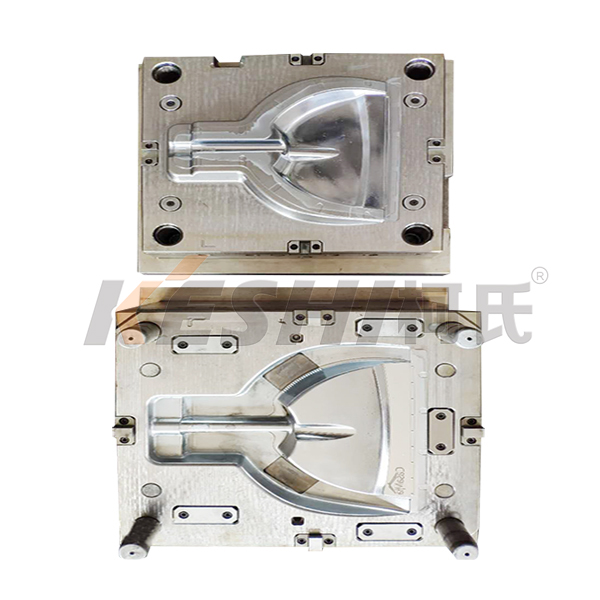
Which is a manufacturer & supplier of an extensive range of plastic moulds, Household Plastic Mould, Package Mould, Furniture Mould, Logistics Mould and Pipe Fitting Mould, etc.
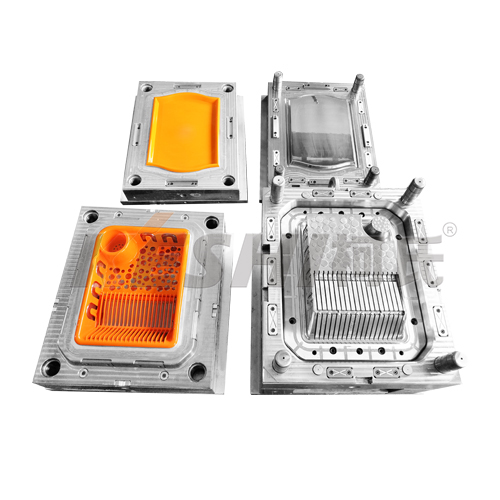
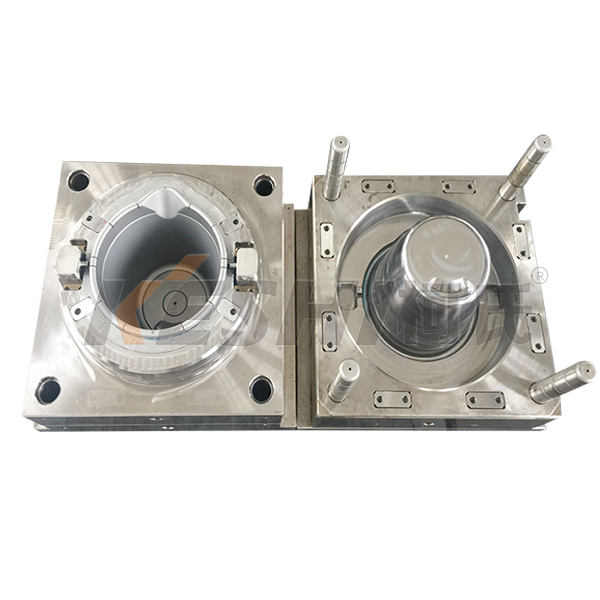
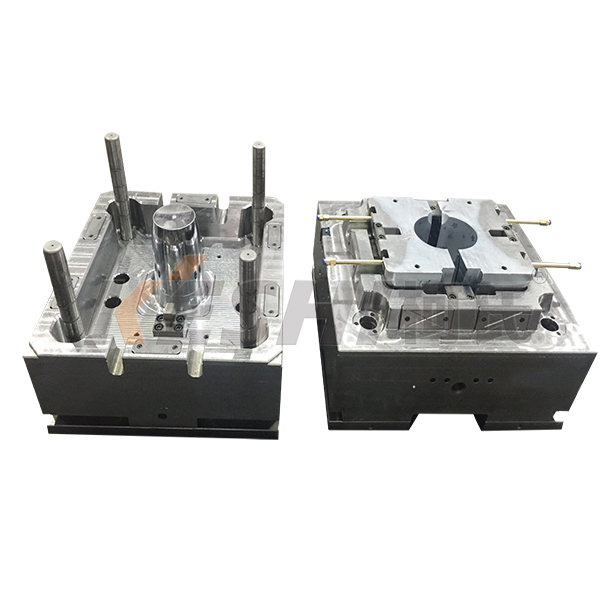
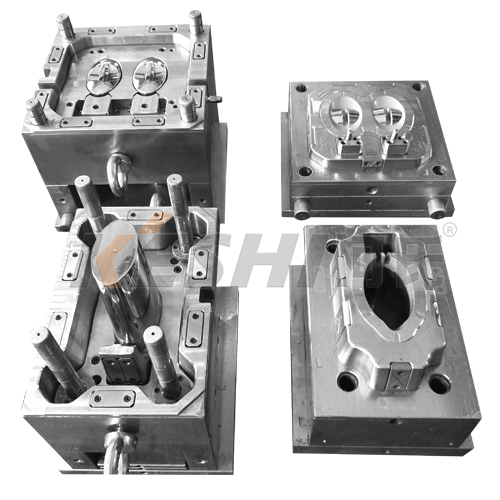
Household Plastic Mold Supplier
At Zhejiang Keshi Mould & Industry Co., Ltd., we specialize in the design and manufacture of high-quality Household Plastic Moulds. Our commitment to innovation, precision, and customer satisfaction sets us apart in the competitive world of plastic moulding. We understand that in today's market, customization is key to meeting the diverse needs of our clients, and we pride ourselves on delivering tailored solutions that enhance both functionality and aesthetics.
Our Household Plastic Moulds cater to a broad range of products used in daily life, including kitchenware, storage solutions, cleaning tools, and more. Each mould is crafted with meticulous attention to detail, ensuring durability and a professional fit for mass production. The versatility of our moulds allows them to be used in creating a variety of items such as food containers, utensils, laundry baskets, and household organizers.
One of the standout features of Zhejiang Keshi Mould & Industry Co., Ltd. is our bespoke mould-making service. We work closely with our clients to understand their specific requirements and preferences. This collaborative approach ensures that every mould we produce not only meets but often exceeds expectations. From the initial concept and design phase through to prototyping and final production, we leverage advanced CAD/CAM software and state-of-the-art machinery to achieve high standards of precision and efficiency.
Customization is at the heart of what we do. Our experienced engineering team is adept at translating client ideas into practical, high-performance moulds. Whether you need a mould for a new product line or an improved version of an existing design, we provide expert guidance and innovative solutions tailored to your exact needs. Our capabilities include creating complex geometries, integrating special features, and ensuring optimal material flow for flawless production cycles.
Quality control is another cornerstone of our operations. Each mould undergoes rigorous testing and inspection at various stages of production to ensure it meets our stringent quality standards. We utilize advanced inspection equipment and techniques to verify the accuracy and durability of every mould. This meticulous process guarantees that our clients receive moulds that are not only functional but also reliable and long-lasting.
At Zhejiang Keshi Mould & Industry Co., Ltd., we also prioritize sustainability. We are committed to using eco-friendly materials and processes wherever possible. Our moulds are designed for efficient production, reducing waste and energy consumption. This not only helps in lowering production costs for our clients but also minimizes the environmental impact of the manufacturing process.
In conclusion, Zhejiang Keshi Mould & Industry Co., Ltd. offers unparalleled expertise in the field of Household Plastic Moulds. Our dedication to customization, quality, and sustainability ensures that we deliver moulds that professionally align with our client's needs and expectations. Whether you are looking to develop a new product or improve an existing one, our team is ready to provide the innovative solutions and exceptional service you deserve. Trust Zhejiang Keshi Mould & Industry Co., Ltd. to be your partner in achieving excellence in household plastic products.
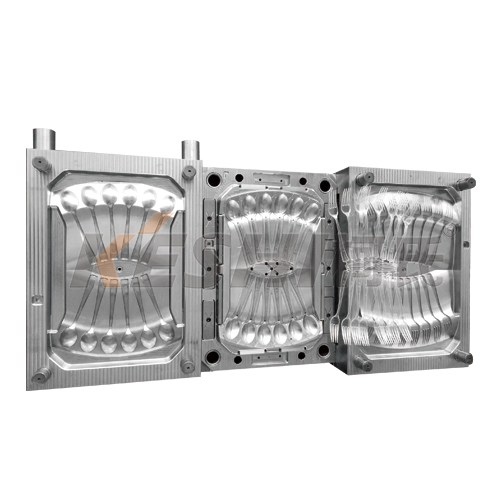
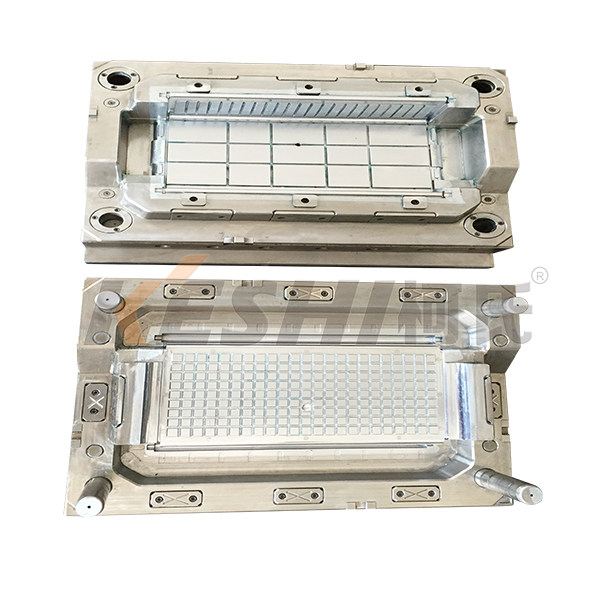
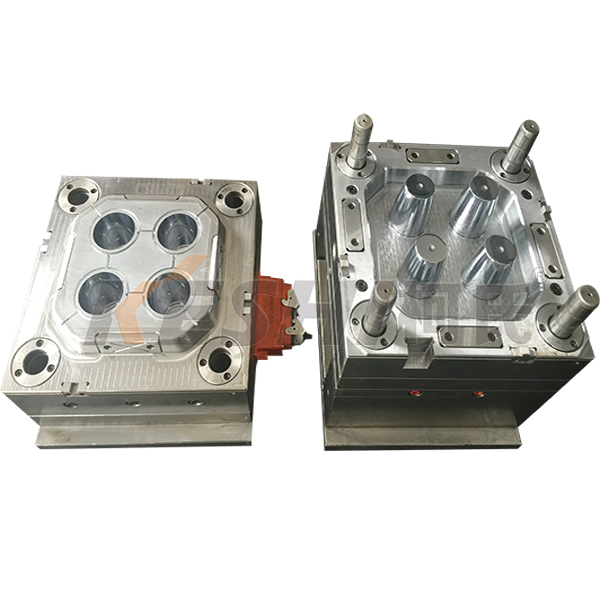
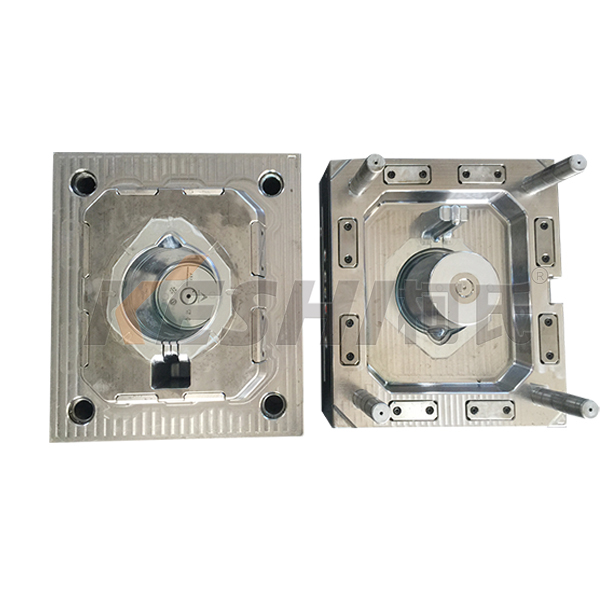
ABOUT US
Zhejiang Keshi Mould & Industry Co., Ltd.
Zhejiang Keshi Mould & Industry Co., Ltd. is a Custom Household Plastic Mould Manufacturer and China OEM/ODM Household Plastic Mould Factory, We produce, manufacture, and sell Household Plastic Mould, Package Mould, Furniture Mould, Logistics Mould and Pipe Fitting Mould, etc.
We have complete mould-building facilities furnished with the latest modelling software: UG, CAD/CAM, PROE, SOLIDWORKS, and advanced processing equipment to ensure high-quality mould. We aim to meet and exceed our customers’ expectations through design, competitive prices, fast delivery, and after-sales service.

News
-
A plastic chair, a stackable stool, a drawer unit, a table frame. These are furniture, but they are also molded parts. A plastic furniture mould manufacturer bu...
READ MORE -
The handle cutout looks simple. Two holes in the sides for the hands. But the cutout is a stress point. The full crate is lifted by those two openings, and the ...
READ MORE -
A package is invisible until it fails. The tub that cracks in the freezer. The lid that will not snap. The tray that warps in the oven. When the package works, ...
READ MORE -
A laundry basket, a storage box, a clothes hanger, a food container, a dustpan. These are household plastic products. Each one was formed inside a steel mold. A...
READ MORE -
A plastic dustbin sits in kitchens, offices, streets, and parks. It gets kicked, shoved, and filled with whatever people throw at it. It has to be cheap enough ...
READ MORE -
A plastic pallet box holds hundreds of kilos of produce, industrial parts, or bulk liquid. Forklift tines slide under it. Empty containers nest together. A pall...
READ MORE -
A plastic crate carries bottles, bread trays, and produce from farm to store. It stacks, nests, and survives forklift impacts. A single crate mould produces one...
READ MORE -
A baby bottle, a pacifier, a feeding spoon, a teething ring. These are not just plastic parts. They go into a baby's mouth. They get sterilized in boiling water...
READ MORE -
Every plastic pallet, every stackable crate, every collapsible bulk bin starts in a mold. The part that ships on a truck was formed in a tool that was cut from ...
READ MORE -
A thinwall container mould produces lightweight plastic cups, bowls, and food trays that stack tightly and sell by the million. The mould arrives delivering thi...
READ MORE -
A daily use dustbin mould shapes the plastic bins that hold household waste—kitchen trash, bathroom bins, and office receptacles. The mould arrives producing pa...
READ MORE -
A cooler box mould shapes the plastic panels that become portable coolers—the kind used for camping, tailgating, and grocery runs. The mould arrives producing f...
READ MORE
We Have Rich Industry Experience, Strong Technical Strength,
And a Technical Team. Can Provide One-stop Solutions Based On Customer Needs.

-
2018
Was founded in
-
10+
Industry experience
-
xxx
Patent Certificate
-
xx+
Automatic production line
Honor

Leaving a Message
If you would like to learn more about our products, please feel free to contact us and we will do our to assist you.
Industry Knowledge Extension
Manufacturing Process of Household Plastic Molds
1. Product and Mold Design
The manufacturing process begins with product design. Engineers define the shape, wall thickness, and functional features of the household plastic item based on usage requirements. Using CAD software, the mold structure is designed accordingly, including cavity layout, parting lines, draft angles, and ejection systems. At this stage, material shrinkage and surface finish requirements are also considered to ensure dimensional accuracy.
2. Material Selection and Preparation
Once the design is finalized, suitable mold steel or aluminum is selected based on expected production volume and plastic material. The raw mold material is inspected and pre-treated, often through annealing, to improve machinability and reduce internal stress before cutting operations begin.
3. Machining and Shaping
CNC milling, drilling, and EDM (Electrical Discharge Machining) are used to shape the mold core and cavity. High-precision machining ensures that complex geometries and fine details are accurately reproduced. For household plastic molds, smooth internal surfaces are particularly important, as they affect product appearance and ease of demolding.
4. Heat Treatment and Surface Processing
After rough machining, heat treatment is applied to improve hardness and wear resistance. Surface treatments such as polishing, texturing, or coating may follow, depending on the desired finish of the plastic product. For example, a matte texture may be applied to molds used for storage boxes to reduce visible scratches.
5. Assembly, Testing, and Adjustment
Finally, mold components are assembled, and trial molding is carried out. Test runs help identify issues such as short shots, warpage, or flash. Adjustments are made until stable production conditions are achieved, completing the manufacturing process.
Differences Between Materials Used in Household Plastic Molds
Different mold materials are chosen based on production needs, budget, and performance requirements. The many common materials include various steels and aluminum alloys. Their differences can be summarized as follows:
|
Material Type |
Typical Characteristics |
Common Applications |
Cost Level |
|
P20 Steel |
Good machinability, moderate hardness |
General household items |
Medium |
|
H13 Steel |
High heat resistance, good strength |
Heat-resistant plastic items |
Medium–High |
|
Stainless Steel |
Corrosion resistance, clean surface |
Food-related products |
High |
|
Aluminum Alloy |
Lightweight, fast heat transfer |
Prototypes or short runs |
Low–Medium |
Steel molds are widely used for mass production of household plastic items due to their durability and stable performance. P20 steel is often selected for daily-use products such as buckets or hangers, as it balances cost and lifespan. H13 steel is more suitable when molding plastics that require higher processing temperatures.
Stainless steel molds are preferred in environments where corrosion resistance and hygiene are important, such as food containers. Aluminum molds, while less durable, offer faster machining and shorter cycle times, making them suitable for product development or limited production runs.
Usage and Lifespan of Plastic Household Items Molds
The usage and lifespan of household plastic molds depend on several interacting factors, including material choice, operating conditions, and maintenance practices. Proper usage can significantly extend mold service life and maintain consistent product quality.
◆ Typical Usage Scenarios
Household plastic molds are used in injection molding machines operating under controlled temperature and pressure conditions. They may run continuously in large factories or intermittently in smaller production settings. Stable process parameters reduce mechanical stress on mold components.
◆ Expected Lifespan Range
The lifespan of a household plastic mold is often measured in the number of molding cycles. For example:
※ Aluminum molds: approximately 50,000–200,000 cycles
※ P20 steel molds: approximately 300,000–600,000 cycles
※ Hardened steel molds: up to or beyond 1,000,000 cycles
These figures are approximate and can vary depending on plastic type and mold complexity.
◆ Maintenance and Care Factors
Regular cleaning, lubrication, and inspection are essential. Removing plastic residue, checking cooling channels, and monitoring wear on ejector pins help prevent unexpected downtime. Scheduled maintenance reduces the risk of surface damage that could affect product appearance.
◆ End-of-Life Considerations
When molds reach the end of their service life, they may still be refurbished through re-polishing or component replacement. In some cases, retired molds are repurposed for low-precision products, extending their practical value.
Copyright © 2023 Zhejiang Keshi Mould & Industry Co., Ltd. All Rights Reserved

Plastic Household Items Mould Sale