
 EN
EN  English
 русский
 عربى
عربى 中文简体
中文简体
Product Categories
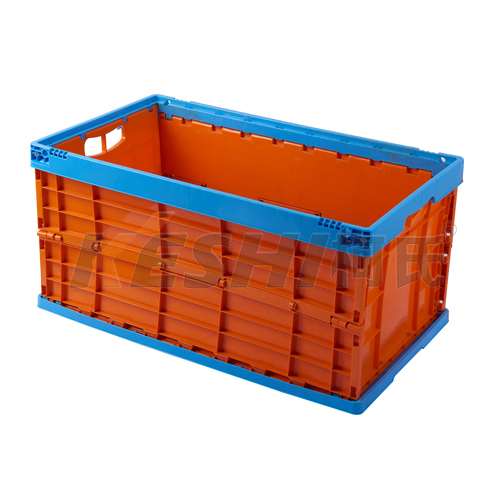
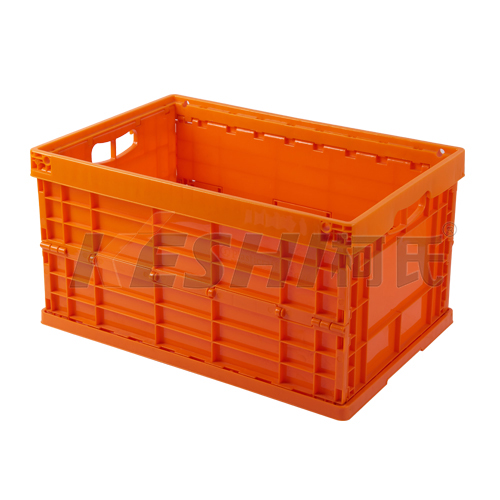
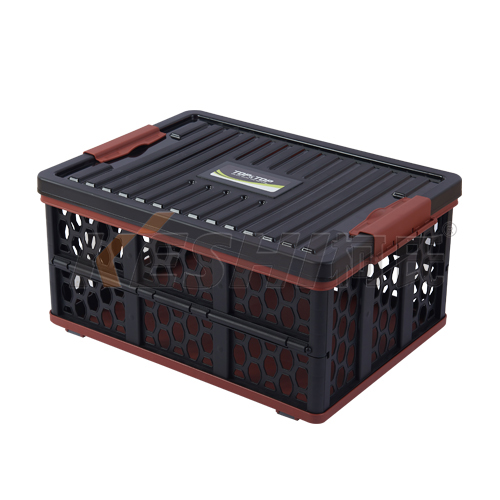
Keshi Mould
Contact Us
Which is a manufacturer & supplier of an extensive range of plastic moulds, Household Plastic Mould, Package Mould, Furniture Mould, Logistics Mould and Pipe Fitting Mould, etc.
Plastic Package Mould Company
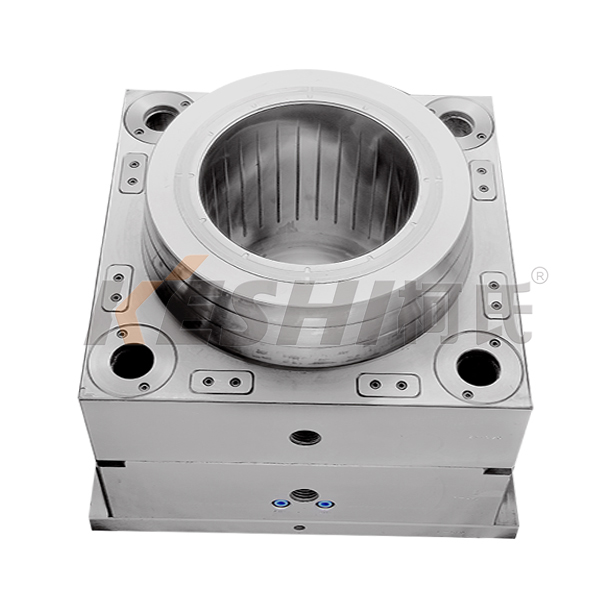
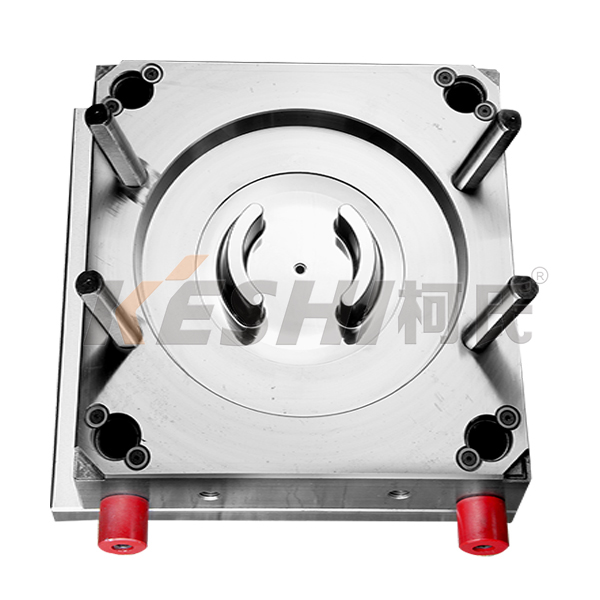
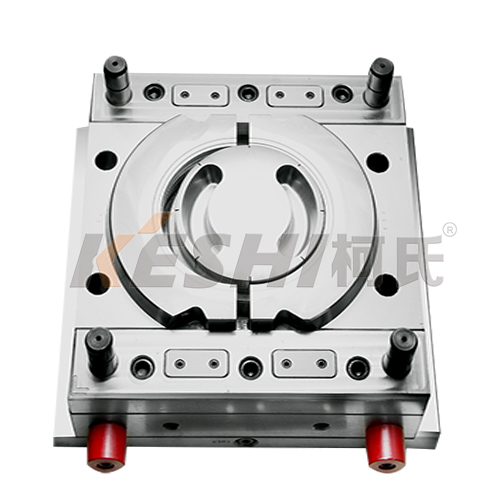
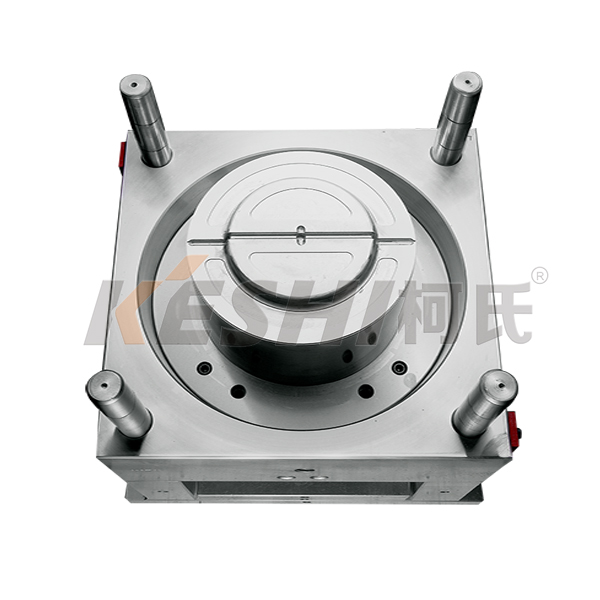
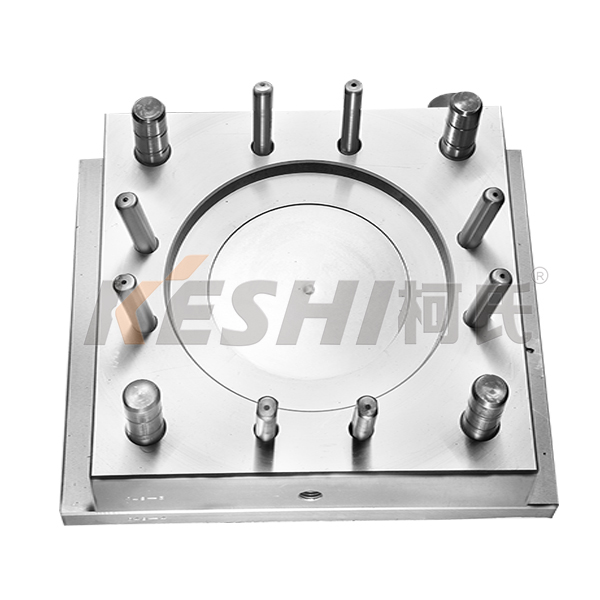
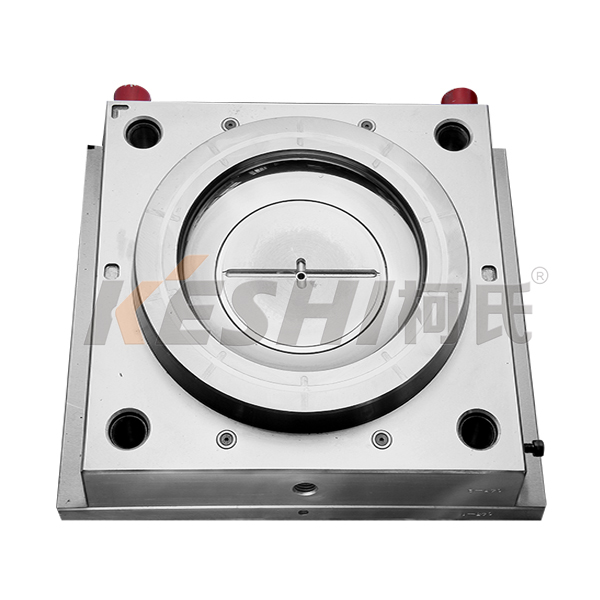
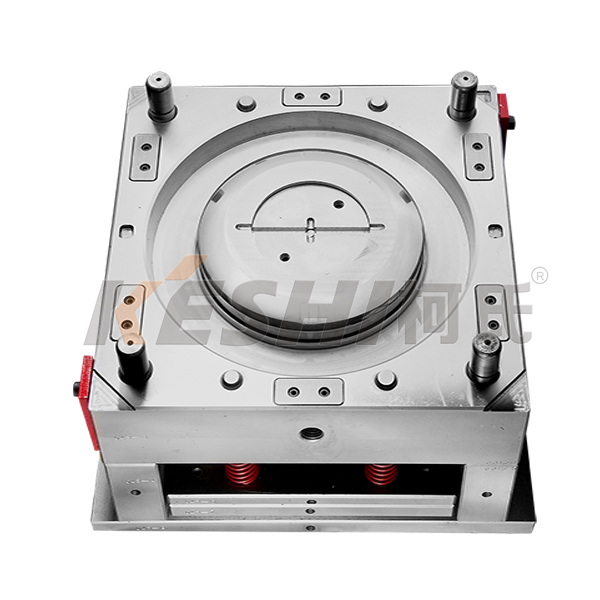
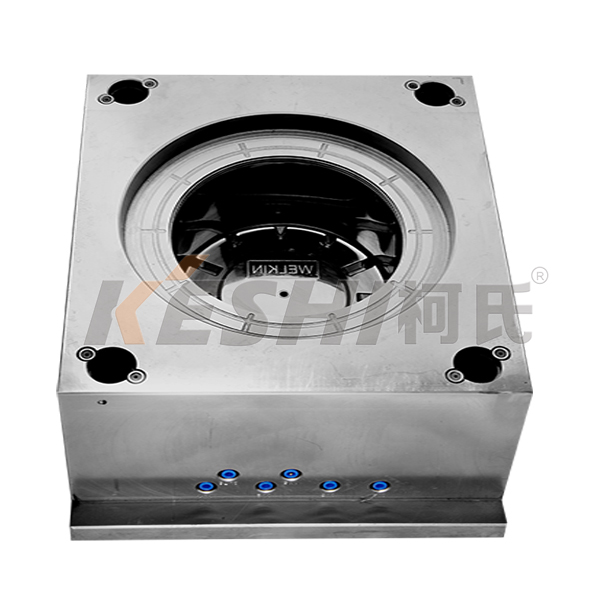
Zhejiang Keshi Mould & Industry Co., Ltd. specializes in the design and manufacture of high-quality plastic package moulds, offering a diverse range of customized solutions tailored to meet the unique needs of our clients. With a robust commitment to innovation, precision, and customer satisfaction, our plastic package moulds are widely recognized for their predominant quality and versatility across various industries.
Customization at Its Professional
At Zhejiang Keshi Mould, we understand that each client has distinct requirements, and we pride ourselves on our ability to deliver bespoke moulds that professionally match those specifications. Our customization process begins with a detailed consultation where we gather all necessary information about the client's needs, including design preferences, functional requirements, and specific material considerations. This collaborative approach ensures that every mould we produce is not only high-performing but also aligns seamlessly with our client’s operational goals.
Advanced Manufacturing Capabilities
Our state-of-the-art manufacturing facilities are equipped with the latest technology and machinery, enabling us to produce plastic package moulds with exceptional precision and efficiency. We utilize advanced CAD/CAM software for designing and engineering our moulds, ensuring accurate and consistent results. Our skilled team of engineers and technicians is adept at handling complex designs and can accommodate a wide variety of shapes and sizes, from small, intricate components to large, robust structures.
Quality Assurance and Testing
Quality is at the forefront of everything we do at Zhejiang Keshi Mould. Each plastic package mould undergoes rigorous quality assurance processes to ensure it meets high standards of durability, functionality, and safety. We employ a comprehensive testing regimen that includes stress testing, material analysis, and functional performance evaluations. This thorough approach guarantees that our moulds not only meet but often exceed industry standards, providing our clients with reliable and long-lasting solutions.
Versatility and Application
Our plastic package moulds are designed for versatility, catering to a wide range of applications across different sectors, including food and beverage, pharmaceuticals, cosmetics, and household products. Whether you require moulds for containers, bottles, caps, or other packaging components, Zhejiang Keshi Mould has the expertise to deliver moulds that enhance the efficiency and quality of your production processes.
Environmental Responsibility
In today’s world, sustainability is a crucial consideration in manufacturing. At Zhejiang Keshi Mould, we are committed to environmentally responsible practices. We prioritize the use of eco-friendly materials and processes in the production of our moulds. Our designs aim to minimize waste and enhance recyclability, supporting our clients' efforts to reduce their environmental footprint.
Customer-Centric Approach
Our dedication to customer satisfaction extends beyond the delivery of high-quality products. We offer comprehensive support services, including maintenance, repair, and technical assistance, ensuring that our clients can rely on their moulds for optimal performance throughout their lifecycles. Our responsive customer service team is always ready to address any concerns and provide timely solutions, reinforcing our reputation as a trusted partner in the industry.
In conclusion, Zhejiang Keshi Mould & Industry Co., Ltd. stands out in the plastic package mould industry through our unwavering focus on customization, quality, and customer service. Our advanced manufacturing capabilities, commitment to environmental sustainability, and extensive support services make us the ideal choice for businesses seeking reliable and innovative packaging solutions. We look forward to collaborating with you to create moulds that not only meet but exceed your expectations.
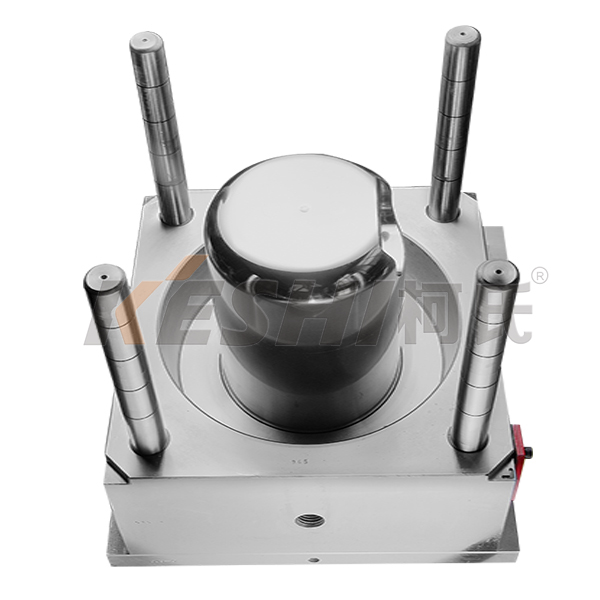
ABOUT US
Zhejiang Keshi Mould & Industry Co., Ltd.
Zhejiang Keshi Mould & Industry Co., Ltd. is a Custom Plastic Package Mould Manufacturer and China OEM/ODM Plastic Package Mould Factory, We produce, manufacture, and sell Household Plastic Mould, Package Mould, Furniture Mould, Logistics Mould and Pipe Fitting Mould, etc.
We have complete mould-building facilities furnished with the latest modelling software: UG, CAD/CAM, PROE, SOLIDWORKS, and advanced processing equipment to ensure high-quality mould. We aim to meet and exceed our customers’ expectations through design, competitive prices, fast delivery, and after-sales service.

News
-
A plastic dustbin sits in kitchens, offices, streets, and parks. It gets kicked, shoved, and filled with whatever people throw at it. It has to be cheap enough ...
READ MORE -
A plastic chair, a stackable stool, a drawer unit, a table frame. These are furniture, but they are also molded parts. A plastic furniture mould manufacturer bu...
READ MORE -
The handle cutout looks simple. Two holes in the sides for the hands. But the cutout is a stress point. The full crate is lifted by those two openings, and the ...
READ MORE -
A package is invisible until it fails. The tub that cracks in the freezer. The lid that will not snap. The tray that warps in the oven. When the package works, ...
READ MORE -
A laundry basket, a storage box, a clothes hanger, a food container, a dustpan. These are household plastic products. Each one was formed inside a steel mold. A...
READ MORE -
A plastic dustbin sits in kitchens, offices, streets, and parks. It gets kicked, shoved, and filled with whatever people throw at it. It has to be cheap enough ...
READ MORE -
A plastic pallet box holds hundreds of kilos of produce, industrial parts, or bulk liquid. Forklift tines slide under it. Empty containers nest together. A pall...
READ MORE -
A plastic crate carries bottles, bread trays, and produce from farm to store. It stacks, nests, and survives forklift impacts. A single crate mould produces one...
READ MORE -
A baby bottle, a pacifier, a feeding spoon, a teething ring. These are not just plastic parts. They go into a baby's mouth. They get sterilized in boiling water...
READ MORE -
Every plastic pallet, every stackable crate, every collapsible bulk bin starts in a mold. The part that ships on a truck was formed in a tool that was cut from ...
READ MORE -
A thinwall container mould produces lightweight plastic cups, bowls, and food trays that stack tightly and sell by the million. The mould arrives delivering thi...
READ MORE -
A daily use dustbin mould shapes the plastic bins that hold household waste—kitchen trash, bathroom bins, and office receptacles. The mould arrives producing pa...
READ MORE
We Have Rich Industry Experience, Strong Technical Strength,
And a Technical Team. Can Provide One-stop Solutions Based On Customer Needs.

-
2018
Was founded in
-
10+
Industry experience
-
xxx
Patent Certificate
-
xx+
Automatic production line
Honor

Leaving a Message
If you would like to learn more about our products, please feel free to contact us and we will do our to assist you.
Industry Knowledge Extension
The Determinant Role of Mold Quality in Plastic Package Manufacturing
The quality of a plastic package mold is a fundamental determinant of the quality, consistency, and economic viability of the final packaged product. This relationship is direct and multifaceted, as the mold serves as the literal blueprint for every item produced. A high-quality mold, characterized by precise engineering, durable materials, and craftsmanship, ensures that the production process yields outputs that meet strict specifications. Conversely, a mold of inferior quality introduces a series of compromises and defects that are transferred directly to the final product.
The dimensional accuracy and stability of the mold dictate the geometric precision of the plastic package. This includes critical factors such as wall thickness uniformity, sealing surface integrity, and the fit of closures or hinges. A poorly machined or warped mold will produce packages with variances that can bring about functional failures, such as leaks or difficulty in assembly.
The surface finish of the mold cavity is replicated onto every product. A polished, flawless cavity results in packages with a smooth, aesthetically pleasing appearance, which is vital for consumer goods. Any imperfections—pits, scratches, or tool marks—will manifest as visual defects on the product, diminishing its perceived value and potentially harboring bacteria in medical or food-contact applications.
The durability and material integrity of the mold affect long-term production consistency. A mold constructed from hardened, wear-resistant steel maintains its critical dimensions over hundreds of thousands of cycles. A softer or lower-grade mold will experience gradual wear, bring about progressive quality drift in the products, such as flash (excess thin material on edges) or changes in part dimensions, ultimately resulting in increased scrap rates and unpredictable production yields.
Systematic Maintenance and Repair of Plastic Package Molds
Effective maintenance and repair are essential practices to preserve the functionality of a plastic package mold, extend its operational lifespan, and ensure the ongoing quality of production. These activities follow a structured approach, moving from routine preventative measures to corrective interventions.
- Implementing a Preventative Maintenance Schedule: The cornerstone of mold care is a disciplined, preventative regimen. This involves regular, scheduled actions performed after a predetermined number of production cycles or periods of downtime. Key tasks include thorough cleaning to remove residue and degraded plastic, meticulous inspection of all components for early signs of wear or damage, and the systematic lubrication of moving parts such as ejector pins, slides, and guide rails to prevent galling and ensure smooth operation.
- Conducting Proactive Inspection and Cleaning: Each maintenance cycle should incorporate a detailed inspection using appropriate tools. This includes checking for corrosion, measuring critical dimensions for wear, and examining cooling channels for scale or blockage that could affect cycle time and part cooling. Ultrasonic or chemical cleaning methods are often employed to restore channels and surfaces without causing abrasive damage.
- Executing Timely and Precise Repairs: When wear or damage is identified, repairs should be undertaken promptly to prevent further deterioration. Common repairs include welding and re-machining of damaged cavity surfaces, polishing out minor scratches, and replacing worn standard components like ejector pins, bushings, and springs. For significant damage to critical surfaces, specialized mold repair technicians may use techniques such as electrical discharge machining (EDM) to restore the original geometry.
- Maintaining Comprehensive Documentation: A detailed log should document all maintenance activities, repairs, and modifications made to the mold. This historical record is invaluable for diagnosing recurring issues, predicting future maintenance needs, and preserving the mold’s design intent across its entire service life, thereby safeguarding product quality.
Universal Considerations for Plastic Mold Safety and Compliance
Ensuring the safety and compliance of plastic molds is a multifaceted responsibility that extends beyond mere functionality. It encompasses the protection of personnel, the integrity of the manufacturing process, and adherence to legal and market-driven standards governing the final product.
- Operator Safety and Ergonomic Design: Molds must be designed and maintained with operator safety as a priority. This includes incorporating features such as proper guard installation points, smooth edges to prevent cuts, and secure locking mechanisms for platens. Ergonomic considerations, like the placement of lifting points for safe handling and the design of ejection systems that prevent parts from sticking or dropping unpredictably, are also integral to a safe working environment.
- Material Compliance and Certification: For molds producing items for regulated markets—such as food contact, medical devices, or children's toys—the materials used in the mold construction are subject to scrutiny. The mold steels and any ancillary materials must not contain substances that could migrate into the plastic product. Manufacturers often require certificates of conformity from mold makers, verifying that the materials meet relevant standards like FDA (U.S. Food and Drug Administration) or EU regulations for food-grade or medical applications.
- Process Validation and Documentation: In regulated industries, the mold itself is part of a validated manufacturing process. This requires comprehensive documentation, often referred to as a "mold pedigree," which includes material certificates, design drawings, maintenance records, and change logs. This documentation demonstrates control over the manufacturing process and is essential for audits by regulatory bodies or quality-conscious customers.
- Design for Intended Use and Risk Mitigation: A compliant mold is designed for its specific application, considering factors such as expected production volume, clamping forces, and resin abrasiveness. Risk assessments may be conducted to identify potential failure points that could bring about non-compliant parts or safety incidents. The design should incorporate features that mitigate these risks, ensuring reliable and consistent production within the required parameters.
Copyright © 2023 Zhejiang Keshi Mould & Industry Co., Ltd. All Rights Reserved

Universal Plastic Package Mold For Sale