
 EN
EN  English
 русский
 عربى
عربى 中文简体
中文简体
Product Categories
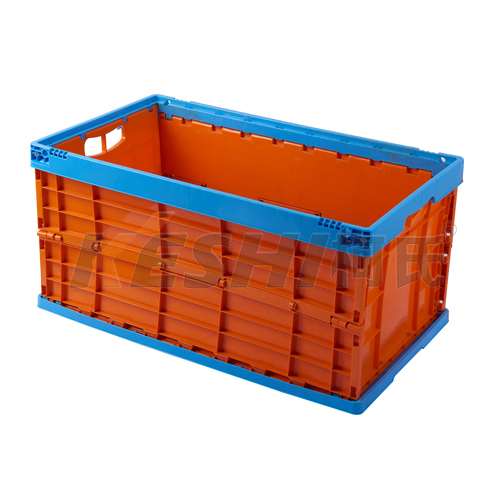
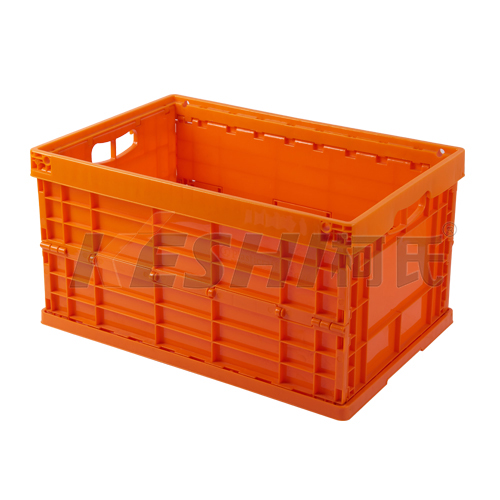
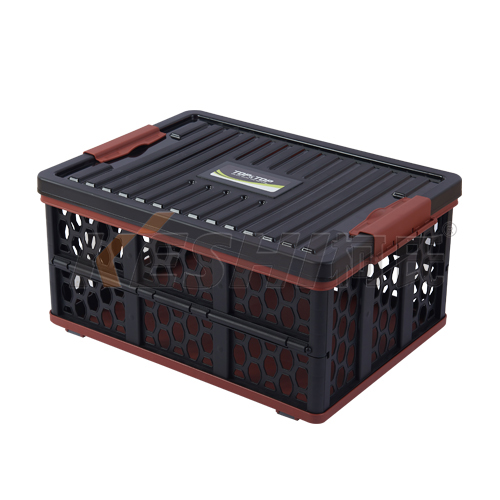
Keshi Mould
Contact Us
Which is a manufacturer & supplier of an extensive range of plastic moulds, Household Plastic Mould, Package Mould, Furniture Mould, Logistics Mould and Pipe Fitting Mould, etc.
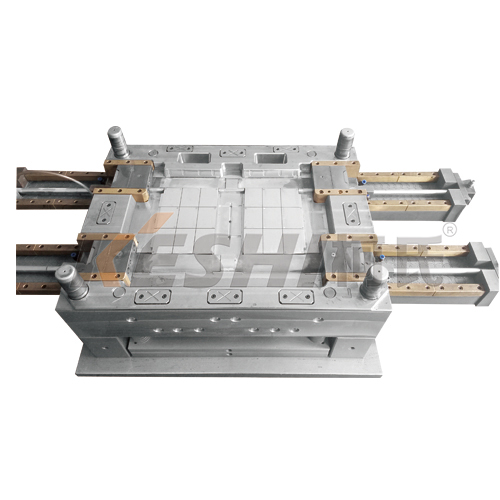
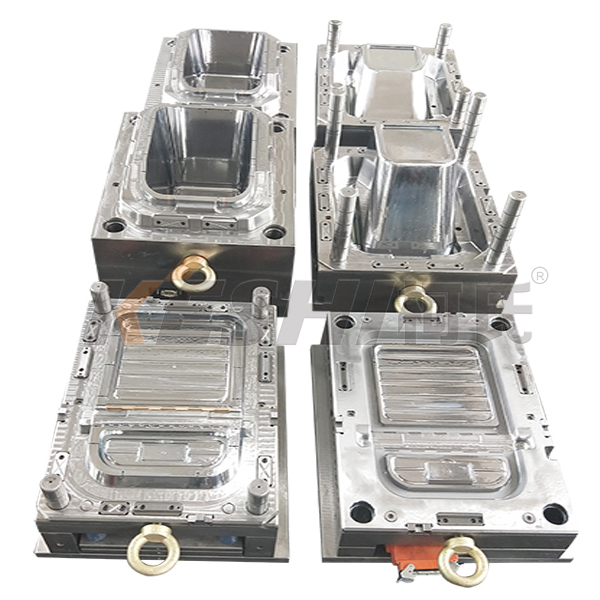
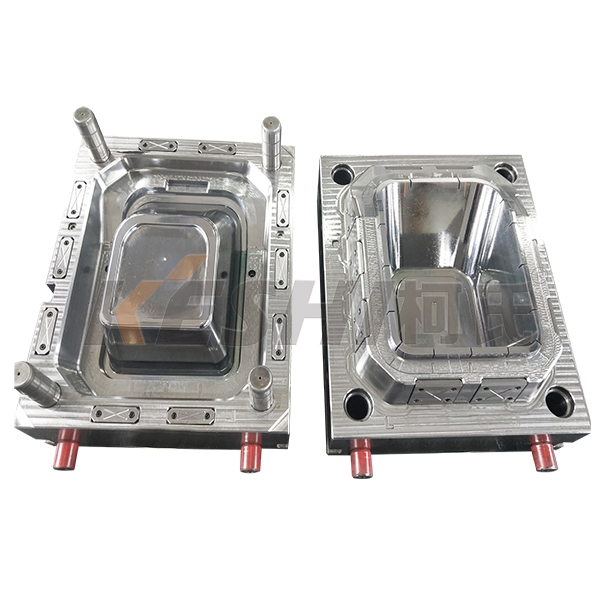
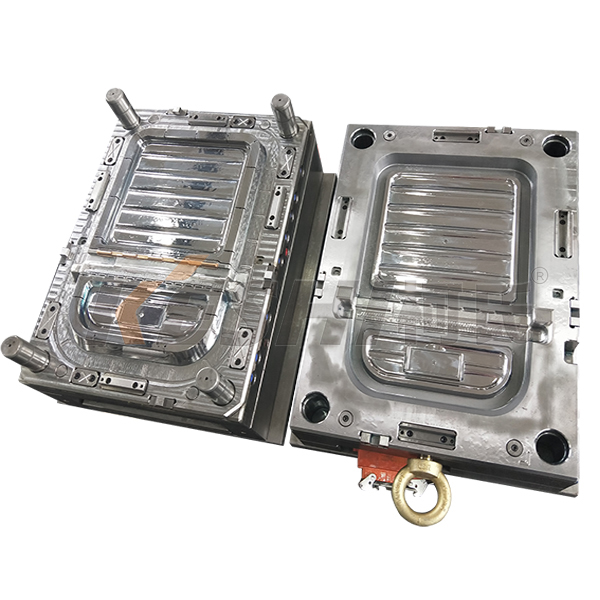
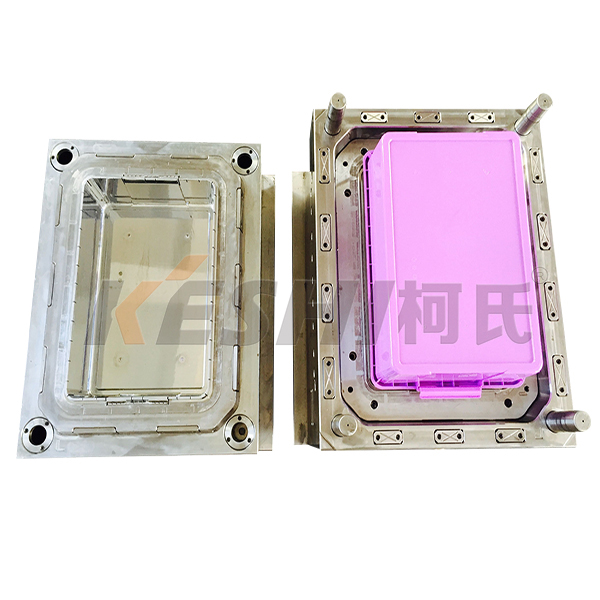
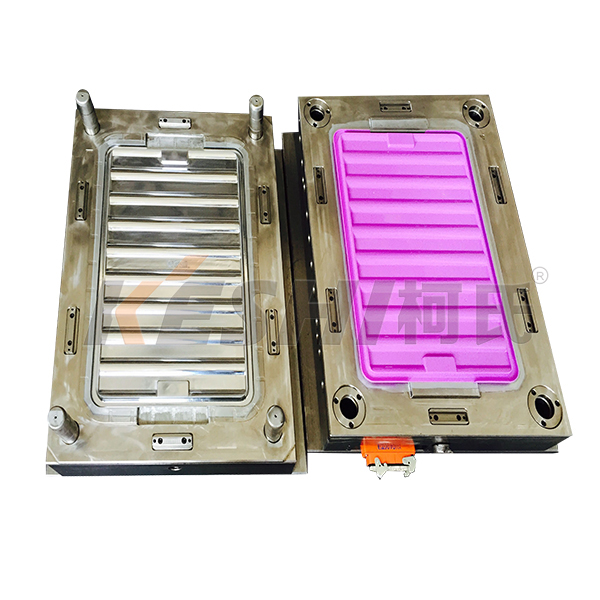
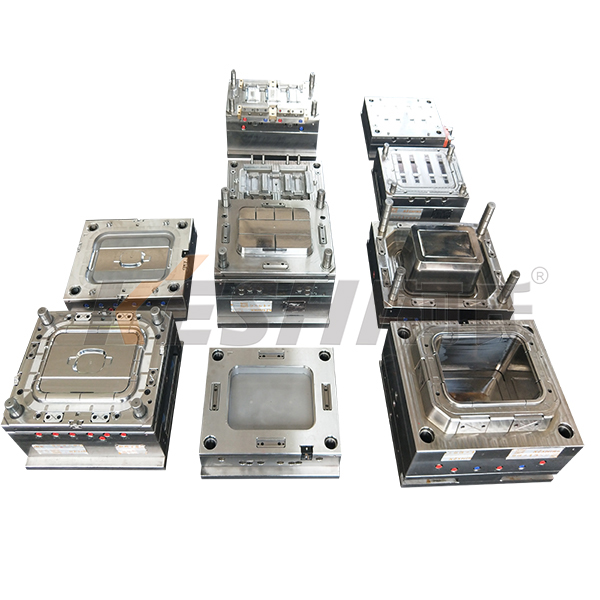
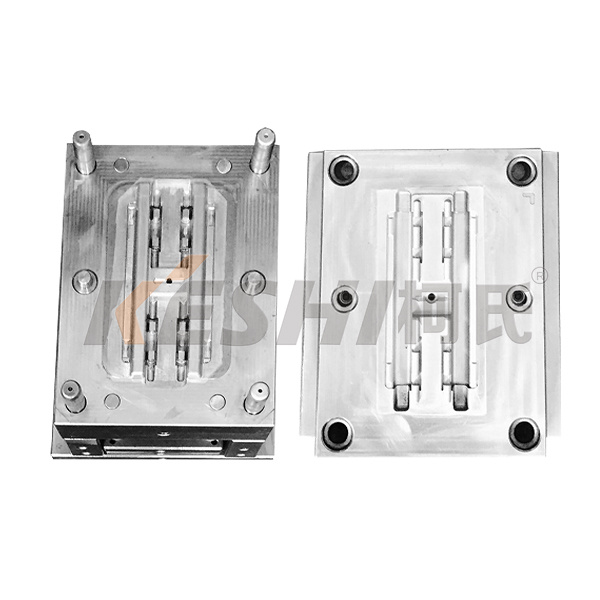
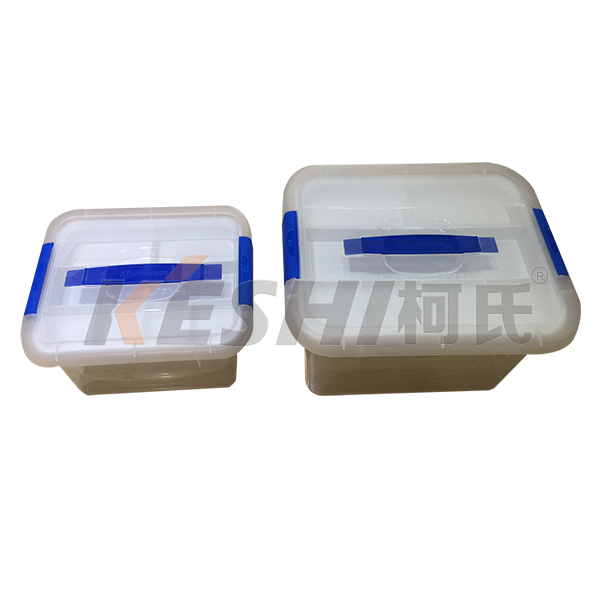
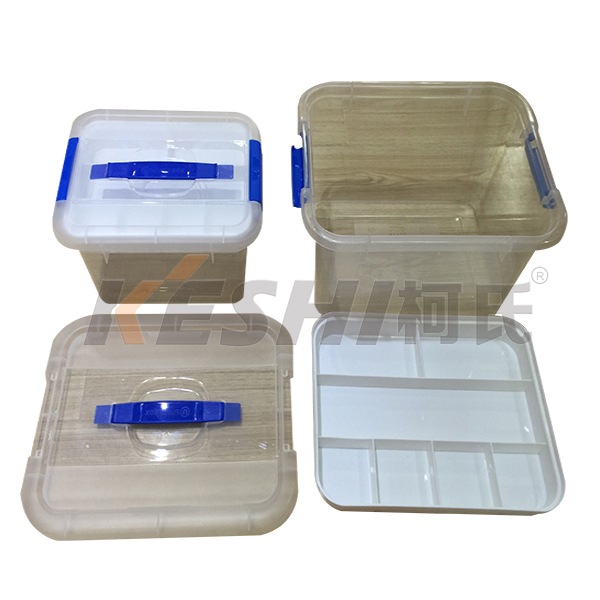
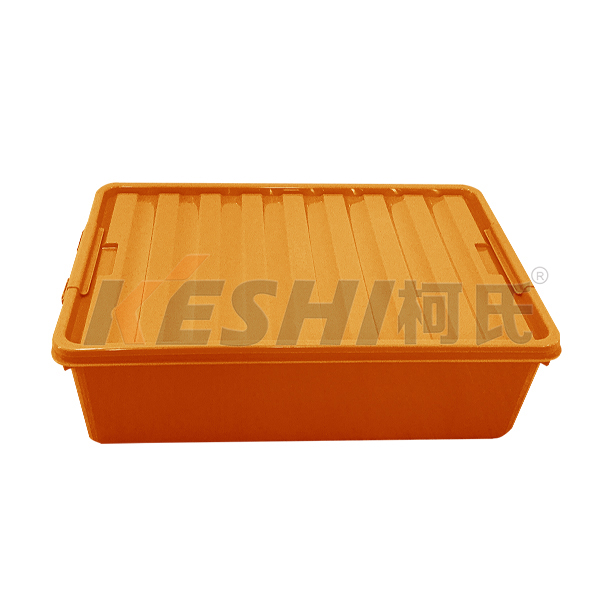
Plastic Storage Box Mould Manufacturer
At our factory, we take immense pride in crafting high-quality Storage Box Moulds designed to meet diverse storage needs across various industries.
Advantages:
Our Storage Box Moulds offer several distinct advantages:
1. Exceptional Durability: Constructed from premium-grade materials and engineered with precision, our moulds ensure longevity and robustness, capable of withstanding prolonged usage and rigorous conditions.
2. Customizability: We understand that different industries and applications demand unique storage solutions. Our moulds are highly customizable, allowing for tailored designs to meet specific requirements.
3. Cost-Effectiveness: Investing in our Storage Box Moulds translates to long-term cost savings. With their durability and reliability, they offer excellent value for money, reducing the need for frequent replacements.
4. Efficient Production: Designed for seamless integration into production processes, our moulds facilitate efficient manufacturing, enabling higher productivity and streamlined operations.
Applications:
The versatility of our Storage Box Moulds makes them suitable for a wide range of applications, including:
1. Industrial Storage: From warehouses to manufacturing facilities, our moulds provide an ideal solution for organizing and storing various components, tools, and materials, optimizing space and enhancing workflow efficiency.
2. Retail Display: Retailers can benefit from our moulds to showcase and store merchandise effectively. Whether it's in-store displays or backroom storage, our moulds offer practicality and aesthetics.
3. Logistics and Distribution: Ensuring efficient logistics operations is essential for any business. Our Storage Box Moulds aid in the secure and organized storage of goods during transportation, minimizing damage and maximizing space utilization.
4. Household Organization: From closets to garages, our moulds help individuals organize their living spaces by providing durable and functional storage solutions for items ranging from clothing to sports equipment.
ABOUT US
Zhejiang Keshi Mould & Industry Co., Ltd.
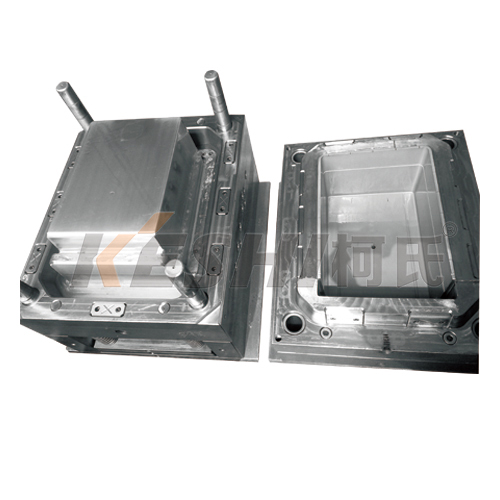
Zhejiang Keshi Mould & Industry Co., Ltd. is a Custom Plastic Storage Box Mould Manufacturer and China OEM/ODM Plastic Storage Box Mould Factory, We produce, manufacture, and sell Household Plastic Mould, Package Mould, Furniture Mould, Logistics Mould and Pipe Fitting Mould, etc.
We have complete mould-building facilities furnished with the latest modelling software: UG, CAD/CAM, PROE, SOLIDWORKS, and advanced processing equipment to ensure high-quality mould. We aim to meet and exceed our customers’ expectations through design, competitive prices, fast delivery, and after-sales service.

News
-
A plastic chair, a stackable stool, a drawer unit, a table frame. These are furniture, but they are also molded parts. A plastic furniture mould manufacturer bu...
READ MORE -
The handle cutout looks simple. Two holes in the sides for the hands. But the cutout is a stress point. The full crate is lifted by those two openings, and the ...
READ MORE -
A package is invisible until it fails. The tub that cracks in the freezer. The lid that will not snap. The tray that warps in the oven. When the package works, ...
READ MORE -
A laundry basket, a storage box, a clothes hanger, a food container, a dustpan. These are household plastic products. Each one was formed inside a steel mold. A...
READ MORE -
A plastic dustbin sits in kitchens, offices, streets, and parks. It gets kicked, shoved, and filled with whatever people throw at it. It has to be cheap enough ...
READ MORE -
A plastic pallet box holds hundreds of kilos of produce, industrial parts, or bulk liquid. Forklift tines slide under it. Empty containers nest together. A pall...
READ MORE -
A plastic crate carries bottles, bread trays, and produce from farm to store. It stacks, nests, and survives forklift impacts. A single crate mould produces one...
READ MORE -
A baby bottle, a pacifier, a feeding spoon, a teething ring. These are not just plastic parts. They go into a baby's mouth. They get sterilized in boiling water...
READ MORE -
Every plastic pallet, every stackable crate, every collapsible bulk bin starts in a mold. The part that ships on a truck was formed in a tool that was cut from ...
READ MORE -
A thinwall container mould produces lightweight plastic cups, bowls, and food trays that stack tightly and sell by the million. The mould arrives delivering thi...
READ MORE -
A daily use dustbin mould shapes the plastic bins that hold household waste—kitchen trash, bathroom bins, and office receptacles. The mould arrives producing pa...
READ MORE -
A cooler box mould shapes the plastic panels that become portable coolers—the kind used for camping, tailgating, and grocery runs. The mould arrives producing f...
READ MORE
We Have Rich Industry Experience, Strong Technical Strength,
And a Technical Team. Can Provide One-stop Solutions Based On Customer Needs.

-
2018
Was founded in
-
10+
Industry experience
-
xxx
Patent Certificate
-
xx+
Automatic production line
Honor

Leaving a Message
If you would like to learn more about our products, please feel free to contact us and we will do our to assist you.
Industry Knowledge Extension
How to Reduce Waste in the Plastic Molding Process of a Plastic Storage Box Mold?
Reducing waste in the plastic molding process begins with careful mould and process design. One important approach is optimizing runner and gate systems to minimize excess material that does not become part of the final product. The use of balanced runners and appropriate gate sizes helps ensure uniform filling while limiting unnecessary plastic consumption.
Process parameter control is another key factor. Stable injection pressure, melt temperature, and holding time reduce defects such as short shots, flash, or warpage, which often bring about rejected parts. Consistency in these parameters lowers scrap rates over long production runs.
Material management also plays a role. Proper drying of raw materials prevents moisture-related defects, while controlled use of regrind material can reduce waste without compromising product quality. In addition, regular mould maintenance helps prevent issues like sticking or uneven filling, which can otherwise result in damaged products and increased material loss.
What Are the Key Performance Indicators of a Storage Box Mold?
Key performance indicators (KPIs) for a storage box mold focus on productivity, quality, and operational stability. One primary indicator is cycle time, which reflects how efficiently the mould can produce parts while maintaining acceptable quality. Shorter and stable cycle times contribute to predictable output and cost control.
Dimensional consistency is another important KPI. Storage boxes often need to stack or fit with lids, so maintaining tight dimensional tolerances across all cavities is essential. Variations can indicate issues with mould wear, cooling balance, or processing conditions.
Tool durability and maintenance frequency are also relevant indicators. A mould that operates reliably over long production runs with limited downtime demonstrates sound design and material selection. Finally, defect rates—such as warpage, sink marks, or surface imperfections—provide direct feedback on mould performance and help manufacturers assess whether adjustments are needed in design or processing.
How to Prevent Contamination of the Storage Container Mold During Manufacturing?
Preventing contamination of storage container molds is essential for maintaining surface quality and dimensional accuracy. One basic measure is maintaining a clean production environment. Dust, metal particles, and degraded plastic residues can easily enter the mould during operation if housekeeping standards are not enforced.
Material handling practices are equally important. Raw plastic materials should be stored in sealed containers and dried properly before use. Contaminated or mixed materials can cause surface defects, color inconsistencies, or build-up inside the mould cavities and runners.
Regular cleaning and inspection of the mould are also necessary. Residual plastic, oil, or cooling water deposits can accumulate over time and affect product quality. Scheduled cleaning using appropriate, non-abrasive methods helps preserve cavity surfaces. Additionally, operators should follow standardized procedures when changing materials or colors to avoid cross-contamination during production transitions.
What Challenges Are Faced in Designing Complex Storage Container Molds?
Designing complex storage container molds presents several technical challenges related to structure, functionality, and manufacturability. One major challenge is managing complex geometries, such as integrated handles, locking features, or ventilation patterns. These features often require side actions, lifters, or collapsible cores, which increase design complexity and mould cost.
Maintaining uniform wall thickness is another difficulty. Storage containers must balance strength and material efficiency, but variations in thickness can bring about uneven cooling, warpage, or sink marks. Achieving this balance requires careful design and simulation.
Ejection is also more challenging in complex molds. Multiple undercuts and ribs can increase resistance during demoulding, raising the risk of deformation or damage. Designers must carefully position ejector systems to distribute force evenly. Finally, ensuring dimensional consistency across all functional features demands precise machining and thorough testing before mass production.
Copyright © 2023 Zhejiang Keshi Mould & Industry Co., Ltd. All Rights Reserved

OEM/ODM Plastic Storage Box Mould Factory