EN
EN  English
 русский
 عربى
عربى 中文简体
中文简体
Leading the Way in Custom Mold Production
A Mold Manufacturer Supplier plays an essential role in industries ranging from automotive and electronics to consumer goods and packaging. These suppliers specialize in designing and manufacturing high-quality molds used in plastic injection molding, die casting, and other precision processes. Their expertise ensures that companies can produce a wide range of parts, from simple components to highly complex designs, with consistency and accuracy. The ability to meet specific client needs is what makes a Mold Manufacturer Supplier indispensable in modern manufacturing.
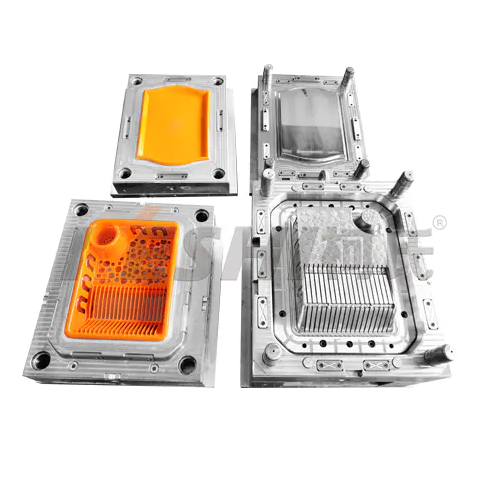
Types of Molds Manufactured by Suppliers
Mold Manufacturer Suppliers produce a variety of mold types, each suited for different applications. These include:
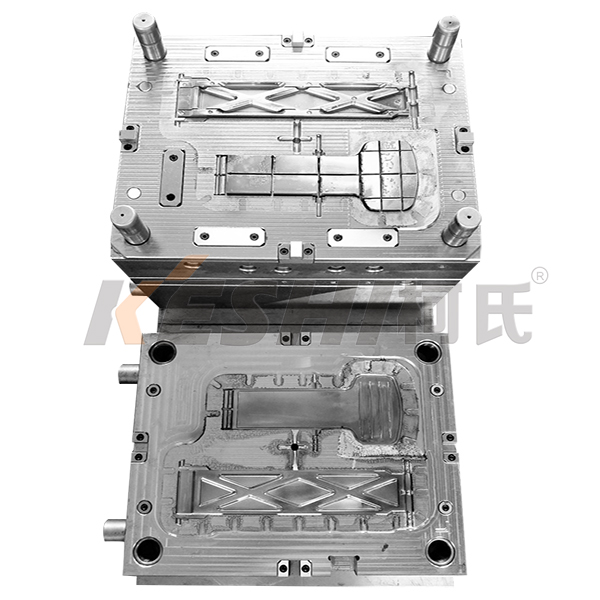
- Injection Molds: Used for producing plastic parts, ranging from small consumer electronics to automotive components.
- Die Casting Molds: Commonly used for producing metal parts through the injection of molten metal.
- Compression Molds: Designed for making parts by compressing materials, used primarily in rubber and thermoset plastics.
- Blow Molds: Employed to produce hollow plastic products like bottles and containers.
- Extrusion Molds: Used to shape materials by forcing them through a die to create long shapes like pipes and profiles.
- By offering a variety of mold types, a mold manufacturer or supplier can cater to different manufacturing needs across industries.
Material Selection and Molding Techniques
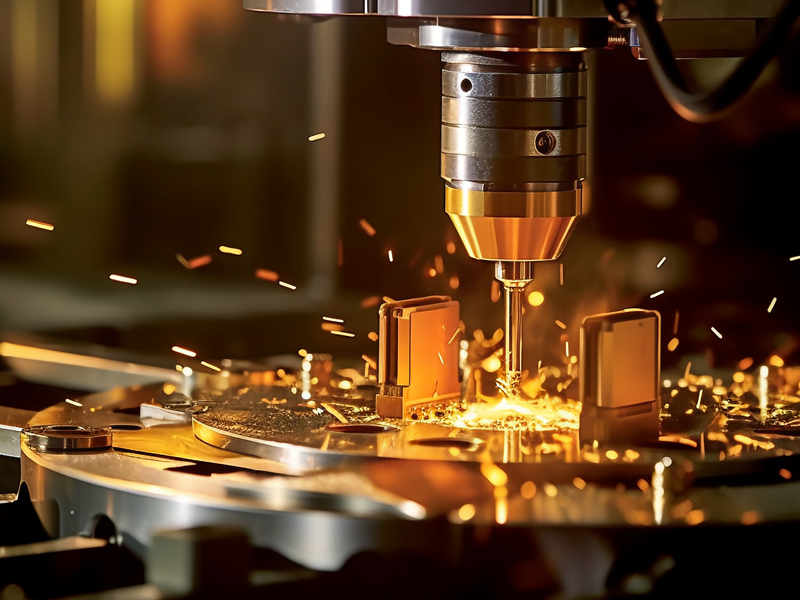
The choice of material used in mold production is crucial to the success of the manufacturing process. Mold Manufacturer Suppliers typically use high-grade steel, aluminum, or copper alloys for mold fabrication. Each material is selected based on the part's design, the number of cycles the mold will go through, and the specific properties required (e.g., corrosion resistance, hardness). Advanced techniques like CNC machining, EDM (Electrical Discharge Machining), and 3D printing are often employed to create precise, complex molds that meet demanding specifications.
Mold Design Process and Customization
The design process of a mold is highly technical and requires collaboration between engineers and designers. A Mold Manufacturer Supplier works closely with clients to understand their requirements, including part geometry, material properties, and production volume. The design is then optimized for functionality, durability, and ease of manufacturing. Whether the requirement is for a simple mold or a highly specialized one, Mold Manufacturer Suppliers offer customization options to create molds that meet exact specifications, ensuring the final product fits seamlessly into the client's production line.
Precision and Quality Control in Mold Production
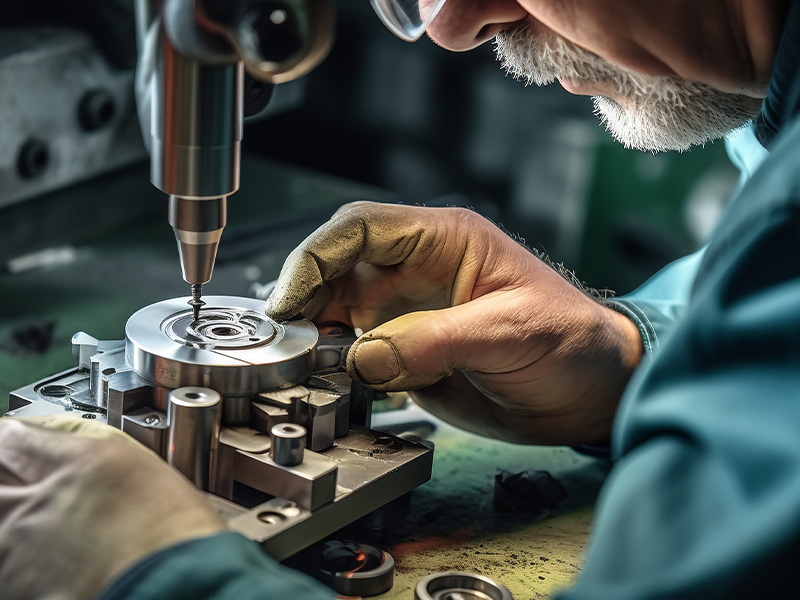
Quality control is an integral part of the mold manufacturing process. A Mold Manufacturer Supplier uses various inspection techniques, including CMM (Coordinate Measuring Machines) and 3D scanning, to ensure that every mold is within tolerances and meets the necessary quality standards. During the manufacturing process, each mold undergoes rigorous testing to check for defects, such as air pockets or improper fit, which could affect production efficiency. This precision ensures that the molded parts produced using these molds are of high quality, with no defects or deviations.
Mold Maintenance and Lifecycle Management
Regular maintenance is necessary to extend the life of molds and ensure consistent performance throughout their use. A Mold Manufacturer Supplier offers maintenance services to keep molds in optimal condition, preventing issues like wear, corrosion, and damage. Scheduled maintenance helps to reduce downtime and improve overall production efficiency. Mold lifecycle management is also critical, with suppliers often providing support for repairs and upgrades when needed. This service ensures that molds continue to perform efficiently even after many production cycles.
Cost Considerations and Mold Investment
Investing in molds can be a high cost for manufacturers, especially for custom or complex molds. However, molds are durable, and their cost is amortized over many production cycles. A Mold Manufacturer Supplier works with clients to determine the best mold solution based on production volume, material type, and part complexity. They help companies evaluate whether a high-cost, long-lasting mold or a more affordable, shorter-term mold is more suitable for the job. In both cases, investing in a high-quality mold provides long-term cost savings by improving production efficiency and reducing the likelihood of defects.