EN
EN  English
 русский
 عربى
عربى 中文简体
中文简体
Where Kitchen Containers Begin
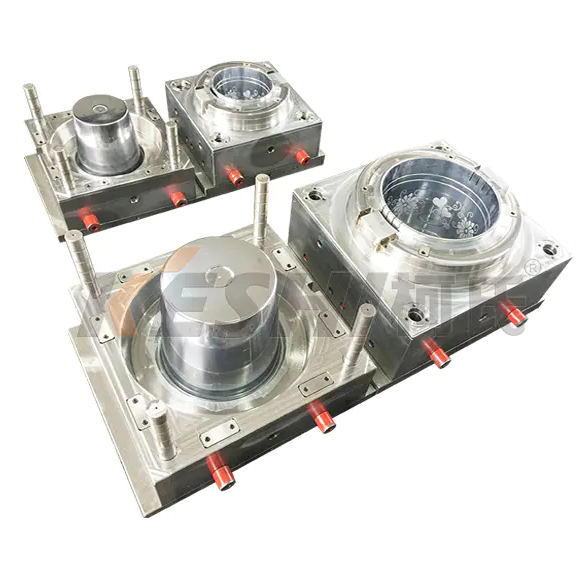
Open any kitchen cabinet and find storage containers in every shape and size. Each one started as liquid plastic inside a household plastic mold. These specialized tools create the food storage boxes, utensil holders, and organizing bins that fill modern homes. Unlike industrial molds producing components for cars or machines, these tools prioritize consumer appeal, creating attractive surfaces and convenient features that make products sell in competitive retail markets.
Design Considerations for Home Products
Household items face different demands than industrial components. They must look good sitting on open shelves. They need comfortable grips for daily handling. They require smooth surfaces cleaning easily after food contact. A well-designed household plastic mold incorporates these consumer-focused features while maintaining manufacturability. Designers balance aesthetic requirements against practical considerations like ejection angles preventing parts from sticking after molding.
Texture and Finish Options
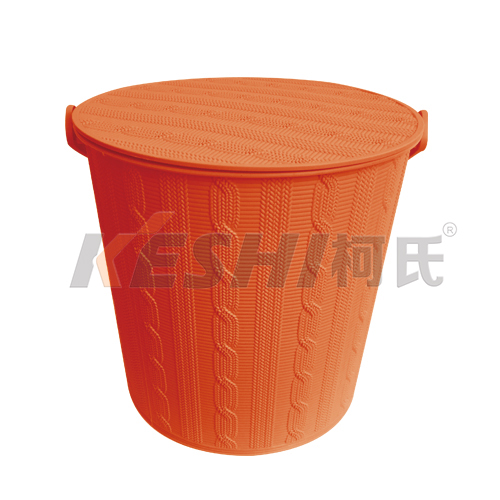
Surface appearance significantly influences consumer purchase decisions. Mold makers create textures through several methods. Chemical etching applies patterns ranging from fine leather grains to bold geometric designs. Electrical discharge machining produces spark-eroded finishes with unique visual character. Polishing creates high-gloss surfaces reflecting light attractively. A versatile household plastic mold can incorporate multiple textures across different product areas, matching visual appeal to product positioning and price points.
Material Flow Considerations
Liquid plastic must travel through molds filling every corner completely before cooling. Thin-walled containers challenge flow capabilities, requiring careful gate placement and optimized runner systems. Thicker sections in handles or lids need adequate packing pressure preventing sink marks. A properly engineered household plastic mold addresses these flow dynamics, ensuring consistent quality across thousands or millions of production cycles.
Living Hinge Technology
Many household products incorporate living hinges, thin plastic sections flexing repeatedly without breaking. Lunch boxes, cosmetic cases, and flip-top containers all rely on this innovation. Mold design for living hinges demands precise temperature control and careful gate positioning. A specialized household plastic mold creates hinge geometries flexing millions of times through years of use, requiring extraordinary attention to detail during tool construction.
Stack and Nest Features
Storage products often incorporate stacking ribs allowing stable vertical arrangement. Nesting tapers enable empty containers to fit inside each other, reducing shipping volume dramatically. Both features require precise geometry in household plastic mold design. Stacking features must align perfectly across different products from same molds. Nesting angles require careful calculation ensuring separation during ejection without damage.
Multi-Material Molding
Some household products combine multiple materials for enhanced function. Soft-grip overmolding adds comfortable handling surfaces to rigid handles. Clear windows allow viewing contents without opening containers. Color accents differentiate product lines visually. A sophisticated household plastic mold accommodates multiple material injections in single cycles, creating composite products impossible with conventional single-material molding.
Quick Mold Change Systems
Household product manufacturers frequently switch between different items on same molding machines. Quick mold change systems reduce downtime dramatically between production runs. Standardized mounting interfaces allow rapid installation without extensive setup. Hydraulic and electrical connections incorporate quick-disconnect features. A production-focused household plastic mold facility organizes tooling for rapid changeovers, maximizing machine utilization across diverse product families.
Prototype Testing Before Production
New household products undergo extensive evaluation before committing to production tools. Sample parts from prototype molds verify dimensions and appearance. User testing confirms ergonomics and functionality. Market research validates design appeal with target consumers. A thorough household plastic mold development process includes these verification steps, reducing risk of expensive tooling modifications after production begins.