
 EN
EN  English
 русский
 عربى
عربى 中文简体
中文简体
Product Categories
Keshi Mould
Contact Us
Which is a manufacturer & supplier of an extensive range of plastic moulds, Household Plastic Mould, Package Mould, Furniture Mould, Logistics Mould and Pipe Fitting Mould, etc.
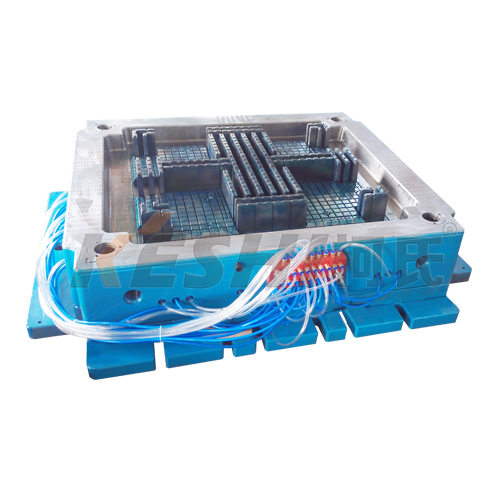
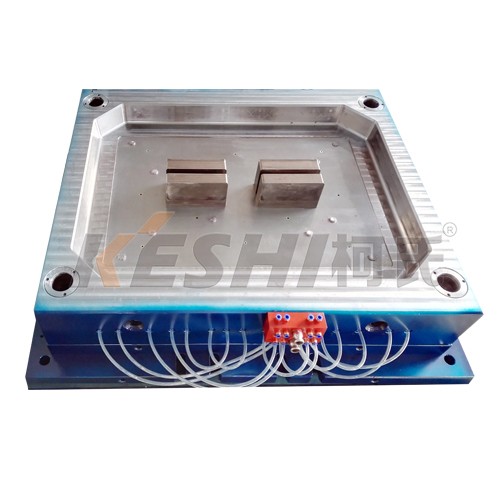
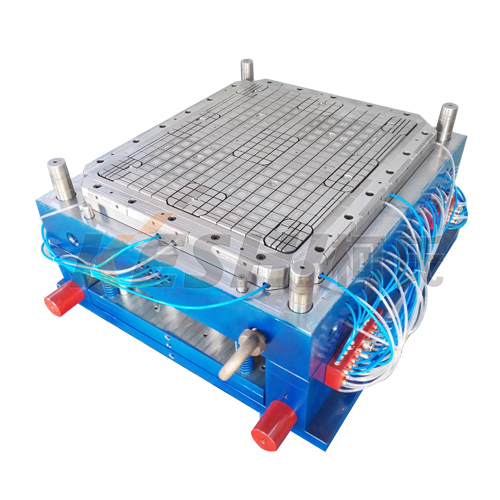
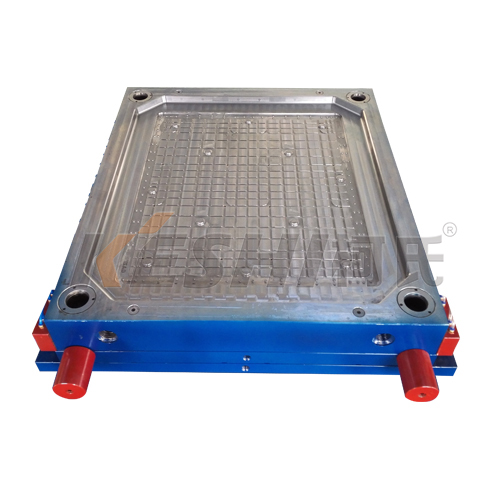
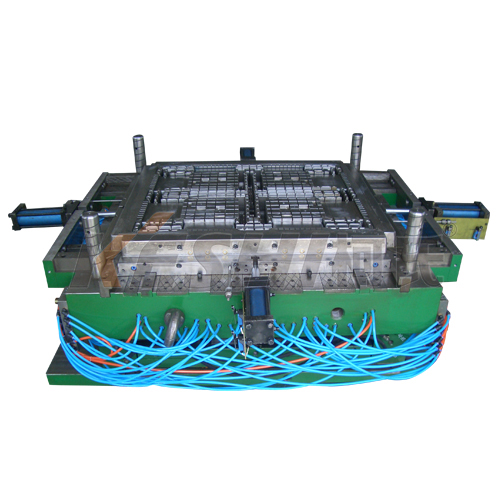
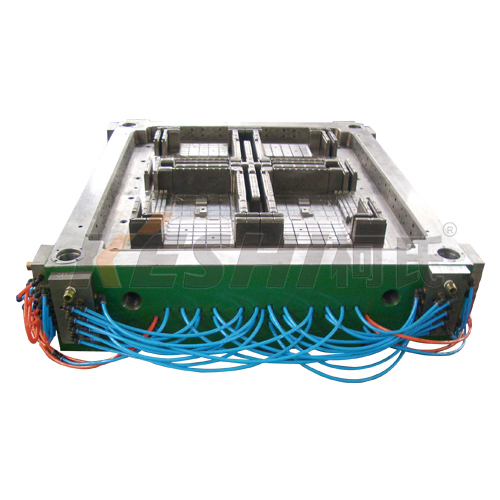
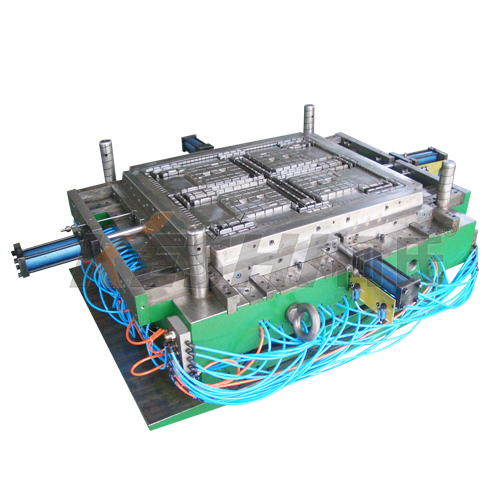
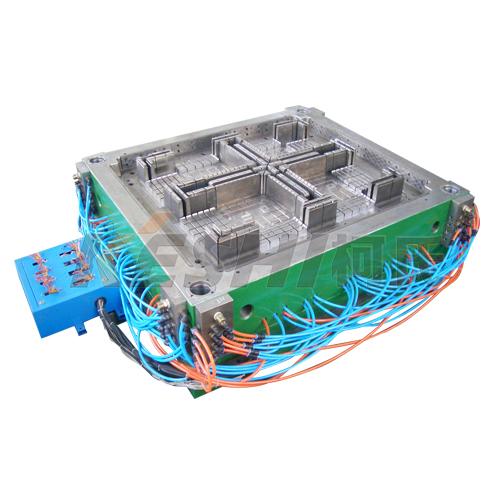
Plastic Pallet Mould Exporter
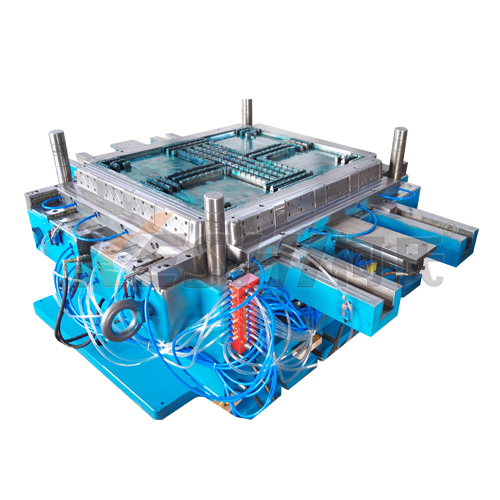
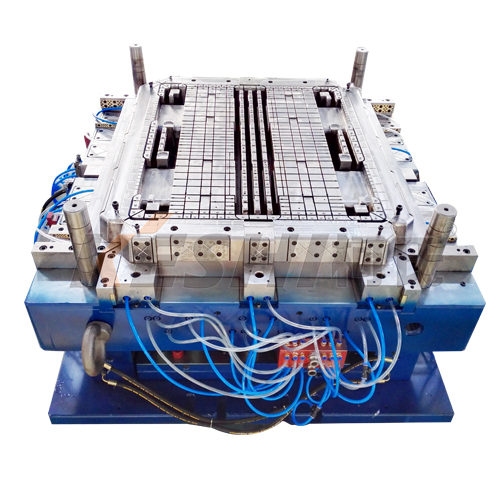
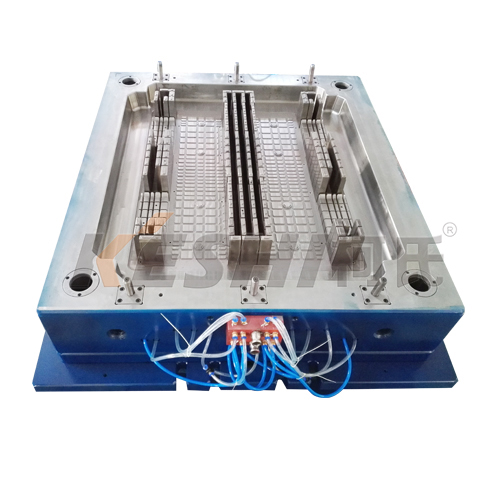
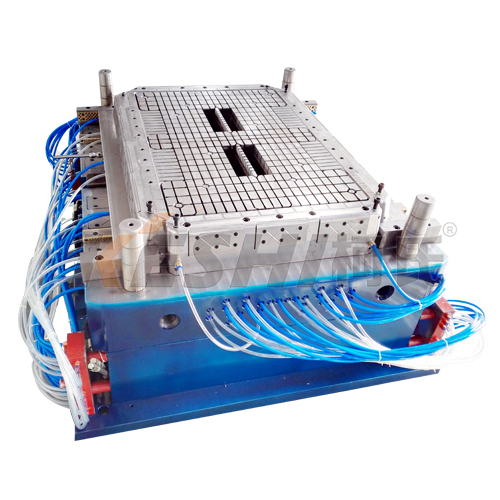
Pallets are a cornerstone of modern logistics, and our Pallet Moulds are designed to meet high standards of durability and functionality. These moulds produce pallets that are not only strong and capable of handling heavy loads but also resistant to various environmental factors. Our pallets are suitable for both domestic and international shipping, ensuring safe and efficient transport of goods across long distances. The design also accommodates easy handling with forklifts and pallet jacks, enhancing operational efficiency.
ABOUT US
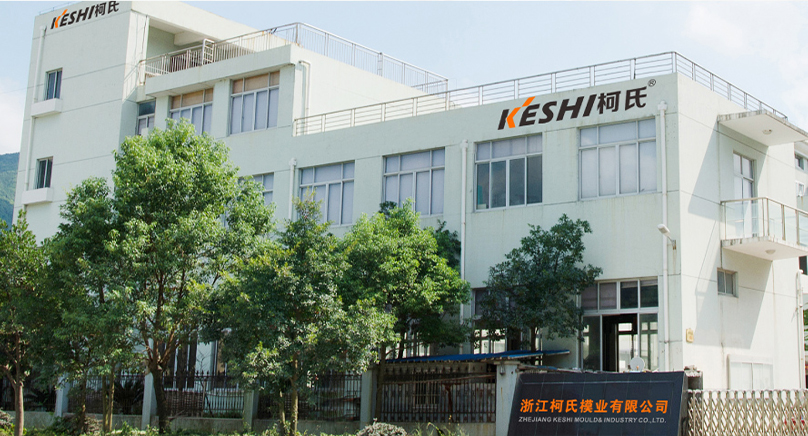
Zhejiang Keshi Mould & Industry Co., Ltd.
Zhejiang Keshi Mould & Industry Co., Ltd. is a Custom Plastic Pallet Mould Manufacturer and China OEM/ODM Plastic Pallet Mould Factory, We produce, manufacture, and sell Household Plastic Mould, Package Mould, Furniture Mould, Logistics Mould and Pipe Fitting Mould, etc.
We have complete mould-building facilities furnished with the latest modelling software: UG, CAD/CAM, PROE, SOLIDWORKS, and advanced processing equipment to ensure high-quality mould. We aim to meet and exceed our customers’ expectations through design, competitive prices, fast delivery, and after-sales service.
News
-
A plastic dustbin sits in kitchens, offices, streets, and parks. It gets kicked, shoved, and filled with whatever people throw at it. It has to be cheap enough ...
READ MORE -
A plastic chair, a stackable stool, a drawer unit, a table frame. These are furniture, but they are also molded parts. A plastic furniture mould manufacturer bu...
READ MORE -
The handle cutout looks simple. Two holes in the sides for the hands. But the cutout is a stress point. The full crate is lifted by those two openings, and the ...
READ MORE -
A package is invisible until it fails. The tub that cracks in the freezer. The lid that will not snap. The tray that warps in the oven. When the package works, ...
READ MORE -
A laundry basket, a storage box, a clothes hanger, a food container, a dustpan. These are household plastic products. Each one was formed inside a steel mold. A...
READ MORE -
A plastic dustbin sits in kitchens, offices, streets, and parks. It gets kicked, shoved, and filled with whatever people throw at it. It has to be cheap enough ...
READ MORE -
A plastic pallet box holds hundreds of kilos of produce, industrial parts, or bulk liquid. Forklift tines slide under it. Empty containers nest together. A pall...
READ MORE -
A plastic crate carries bottles, bread trays, and produce from farm to store. It stacks, nests, and survives forklift impacts. A single crate mould produces one...
READ MORE -
A baby bottle, a pacifier, a feeding spoon, a teething ring. These are not just plastic parts. They go into a baby's mouth. They get sterilized in boiling water...
READ MORE -
Every plastic pallet, every stackable crate, every collapsible bulk bin starts in a mold. The part that ships on a truck was formed in a tool that was cut from ...
READ MORE -
A thinwall container mould produces lightweight plastic cups, bowls, and food trays that stack tightly and sell by the million. The mould arrives delivering thi...
READ MORE -
A daily use dustbin mould shapes the plastic bins that hold household waste—kitchen trash, bathroom bins, and office receptacles. The mould arrives producing pa...
READ MORE
We Have Rich Industry Experience, Strong Technical Strength,
And a Technical Team. Can Provide One-stop Solutions Based On Customer Needs.

-
2018
Was founded in
-
10+
Industry experience
-
xxx
Patent Certificate
-
xx+
Automatic production line
Honor

Leaving a Message
If you would like to learn more about our products, please feel free to contact us and we will do our to assist you.
Industry Knowledge Extension
How Can Safety Be Ensured During the Use of Plastic Pallet Molds?
Design Safety Considerations
Safety begins at the design stage. Plastic pallet molds should incorporate features that reduce the risk of injury during operation, such as rounded edges on mold surfaces and proper placement of ejector pins to avoid sudden part release. Mold structures should be robust enough to withstand repeated cycles without deformation, which can bring about misalignment and unexpected failures. Proper gate and runner design also helps reduce stress concentrations and prevents defects that could cause parts to break during handling.
Machine and Process Safety
The injection molding machine must be set up with appropriate safety devices, such as interlocks, emergency stops, and guarding around moving parts. Operating parameters should be clearly documented and controlled to prevent abnormal conditions such as overpressure, overheating, or uncontrolled ejection. Consistent cycle control reduces the chance of sudden failures that could harm operators or damage the mold.
Operator Training and Personal Protective Equipment (PPE)
Operators should be trained to understand the risks associated with pallet molding, including high temperatures, high pressure, and moving components. PPE such as heat-resistant gloves, safety glasses, and protective clothing should be used when handling hot parts or working near the machine. Regular training updates help ensure that operators are aware of current procedures and safety protocols.
Maintenance and Inspection
Regular maintenance is essential to ensure that safety systems and mold components remain in good condition. Routine inspection can identify wear, cracks, or corrosion before they bring about failure. Preventive maintenance schedules should include cleaning, lubrication, and checking alignment to reduce the risk of accidents caused by mold damage or malfunction.
How Can Plastic Pallet Molds Achieve Environmental Friendliness and Recyclability?
|
Environmental Goal |
Strategy |
Implementation |
|
Material Selection |
Choose recyclable thermoplastics |
Use materials such as HDPE or PP, which are widely accepted in recycling systems and can be reprocessed multiple times without significant property loss. |
|
Design for Reuse |
Reduce waste and extend product life |
Design pallets with consistent wall thickness and reinforced areas to withstand repeated loading and handling, reducing the need for frequent replacement. |
|
Energy Efficiency |
Optimize molding process |
Use efficient heating and cooling systems, maintain stable processing parameters, and reduce cycle times where possible to lower energy consumption per part. |
|
Regrind and Scrap Management |
Recycle production waste |
Collect and reprocess sprues, runners, and defective parts. Use a controlled amount of regrind to maintain product quality while reducing raw material usage. |
|
End-of-Life Recycling |
Enable material recovery |
Design pallets for easy sorting and identification by using single-material construction or clear labeling, making it easier for recycling facilities to process them. |
|
Reduced Packaging and Transport Impact |
Optimize pallet weight and size |
Design pallets to balance strength and weight, enabling more efficient transport and reduced fuel use per unit shipped. |
What Are the Advantages of Plastic Pallet Injection Molds During Transportation?
➤ Reduced Weight
Plastic pallets are lighter than wood or metal alternatives, which directly reduces transportation weight. This can lower fuel consumption and shipping costs, especially for large-volume logistics operations.
➤ Consistent Dimensions
Injection molded pallets have stable dimensions and uniform quality. This consistency improves stacking stability during transportation, reducing the risk of load shifting and damage.
➤ Moisture Resistance
Plastic pallets do not absorb moisture like wood pallets. This reduces the risk of weight gain due to water exposure and avoids issues such as mold growth, which can affect product hygiene and storage conditions.
➤ Clean Handling and Hygiene
The smooth surface of injection molded pallets is easier to clean and disinfect. This supports transportation of sensitive goods, such as food or medical supplies, where hygiene standards are important.
➤ Reduced Maintenance and Replacement
Plastic pallets generally require less maintenance than wooden pallets, which can split or develop nails. Fewer replacements reduce the frequency of pallet handling and disposal, improving logistics efficiency.
➤ Design Flexibility
Injection molding allows for integrated features such as stackable nests, anti-slip surfaces, and reinforced corners. These design options improve stability and safety during transportation, while also optimizing space utilization in trucks and containers.
Copyright © 2023 Zhejiang Keshi Mould & Industry Co., Ltd. All Rights Reserved

Plastic Pallet Injection Molds Design