EN
EN  English
 русский
 عربى
عربى 中文简体
中文简体
The Role of Plastic Injection Molds in Modern Production
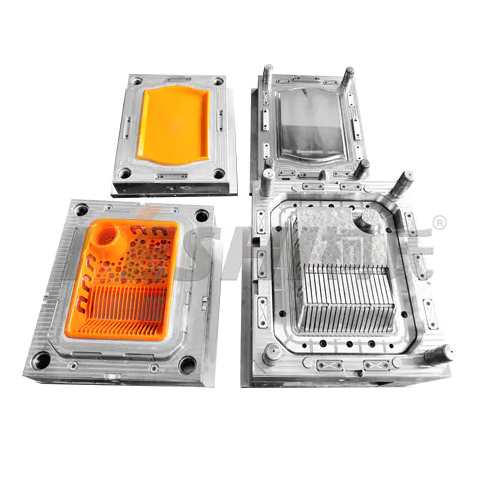
A Plastic Injection Mold plays a critical role in the manufacturing of plastic products across various industries. From consumer goods to automotive components, plastic injection molding is used to produce precise, complex parts at scale. By using a high-pressure process to inject molten plastic into custom-designed molds, manufacturers can create a wide range of products with high accuracy and repeatability. The use of Plastic Injection Molds allows businesses to meet the growing demand for high-quality plastic parts at cost-effective rates.
Material Selection and Versatility in Molding
One of the main advantages of Plastic Injection Molds is the versatility of materials that can be used. Common plastics like ABS, polypropylene, polystyrene, and polyethylene are frequently used in injection molding. The ability to mold these various materials allows manufacturers to create products with different properties such as flexibility, impact resistance, and durability. A Plastic Injection Mold manufacturer often works with different resins to meet specific client needs, whether they require heat-resistant, UV-stable, or food-grade materials.
Design and Engineering Considerations
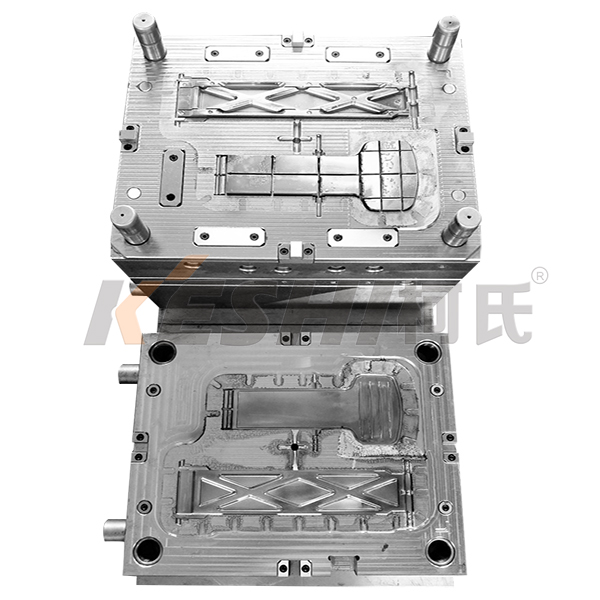
A successful Plastic Injection Mold relies heavily on detailed design and engineering. Molds must be carefully designed to handle the plastic flow, cooling time, and final part ejection. A Plastic Injection Mold manufacturer works closely with engineers to design molds that are optimized for the manufacturing process. Critical factors like parting lines, venting, and gate locations must be carefully planned to ensure high-quality production and minimal defects. Advanced simulation tools, such as MoldFlow analysis, are often used to predict material behavior and adjust designs accordingly.
The Injection Molding Process Explained
The Plastic Injection Molding process begins by heating the chosen plastic material until it becomes molten. This molten plastic is then injected into a mold cavity under high pressure, where it cools and solidifies into the shape of the mold. The mold is then opened, and the finished plastic part is ejected. The entire process can be automated, allowing for high-speed, high-volume production. A Plastic Injection Mold manufacturer optimizes each step of the process to ensure efficient production with minimal waste.
The Importance of Mold Durability and Precision
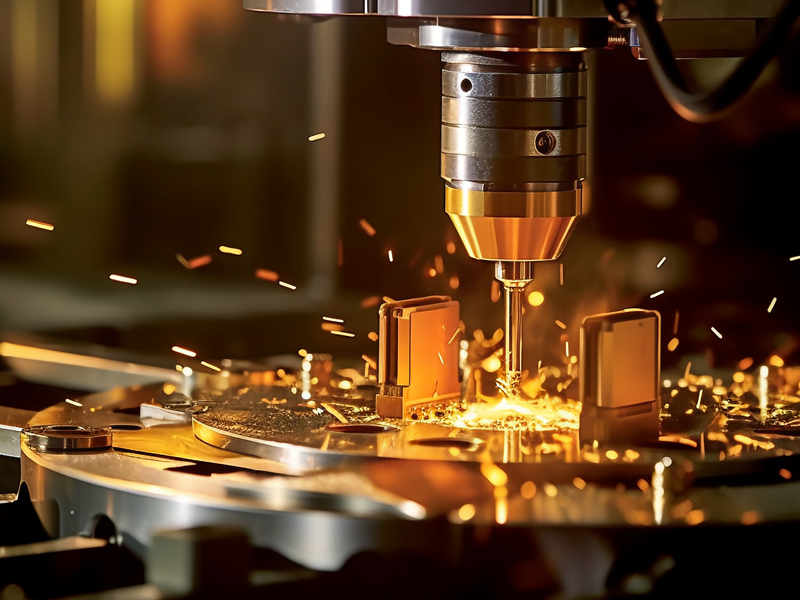
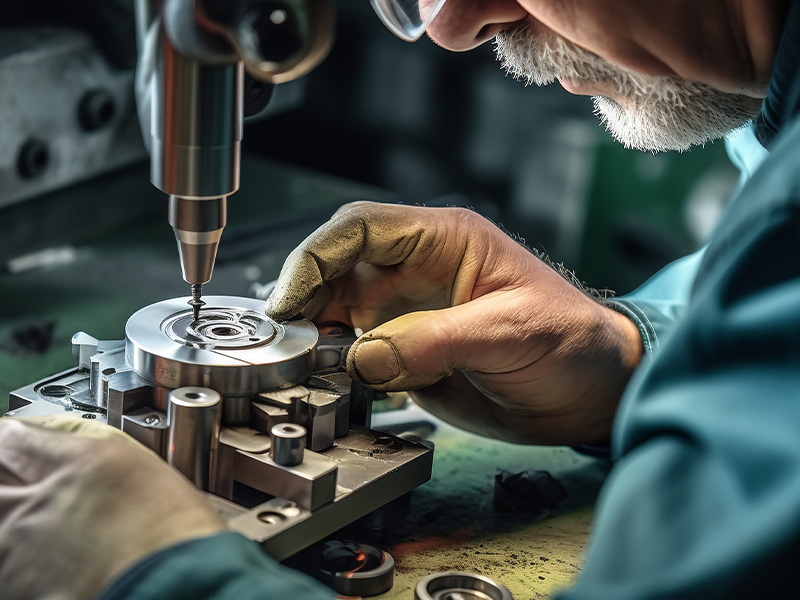
Plastic Injection Molds are designed for durability and precision, as they must withstand the stresses of high-pressure injection cycles over an extended period. High-quality molds are made from hardened steel or other durable materials to ensure they can endure the wear and tear of mass production. Precision is key, as the mold must accurately replicate the design specifications to produce consistent, high-quality parts. A Plastic Injection Mold manufacturer focuses on ensuring tight tolerances to maintain the integrity of the part’s design throughout the production cycle.
Types of Plastic Injection Molds
There are several types of Plastic Injection Molds designed for different manufacturing needs. These include:
- Single-cavity molds, which produce one part per cycle and are typically used for small production runs.
- Multi-cavity molds, which can produce several parts per cycle, improving production efficiency for high-volume runs.
- Family molds, which allow different parts to be produced simultaneously in one mold, reducing production time and costs.
- Hot runner molds, which keep the plastic in a molten state to reduce waste and improve cycle times.
Each type of mold offers different benefits, and a Plastic Injection Mold manufacturer can help clients determine the best option for their specific product and production volume.
The Role of Cooling Systems in Injection Molding
Effective cooling is critical in the Plastic Injection Mold process. Cooling channels are integrated into the mold design to allow the molten plastic to cool quickly and evenly. The speed and uniformity of cooling directly impact the cycle time and the quality of the final part. A Plastic Injection Mold manufacturer incorporates advanced cooling systems into their molds to optimize production efficiency and minimize defects caused by uneven cooling, such as warping or shrinkage.
Maintenance and Longevity of Injection Molds
Maintenance is essential to prolong the life of a Plastic Injection Mold and ensure consistent production quality. Regular cleaning, inspection, and maintenance are performed to prevent mold wear, contamination, and other issues that could lead to defects in the plastic parts. A Plastic Injection Mold manufacturer designs molds with durability in mind, but proactive maintenance practices are necessary to keep the molds in peak condition throughout their production lifespan.