EN
EN  English
 русский
 عربى
عربى 中文简体
中文简体
What Makes Logistics Moulds Different
Every warehouse stacked with pallets, every shipment secured in plastic crates, and every distribution center organized with folding boxes relies on specialized tooling. A logistics mould creates these essential items that keep supply chains moving worldwide. Unlike molds for consumer products, these tools must produce items with extreme weight, repeated handling, and exposure to weather during transportation. The engineering behind them focuses on durability and precision for high-volume industrial use across global supply chains.
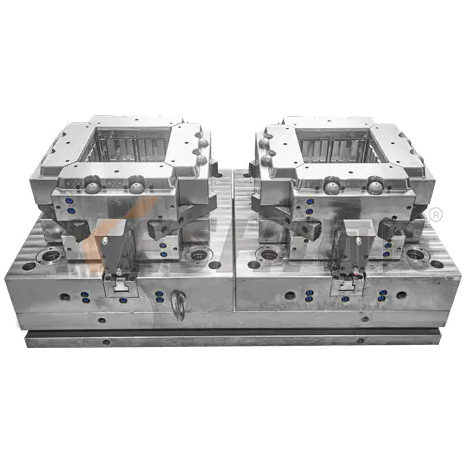
Pallet Mould Applications
Pallets form the foundation of modern logistics, lifting goods off floors for forklift access. A logistics mould designed for pallets must account for complex geometries, including reinforcement ribs, fork entry points, and anti-slip surfaces that prevent loads from shifting during transport. Single-sided pallets require different cavity designs than the double-sided version,s supporting heavier loads. Some molds incorporate nesting features, allowing empty pallets to stack efficiently during return transport, reducing shipping costs significantly. The steel selected for these molds typically includes hardened grades resisting wear from high-volume production runs lasting years.
Crate Mould Engineering
Turnover crates used in agriculture, beverage distribution, and parts handling demand precise manufacturing for reliable performance. A logistics mould for crates includes features like ventilation holes for produce requiring airflow, smooth interiors for easy cleaning after use, and stacking ridges securing loads during transport without shifting. Gate placement ensures even filling without weak points that could fail under load when crates stack multiple levels high. Some crate molds incorporate collapsible core technology for designs requiring undercuts that would otherwise prevent ejection from standard tooling.
Folding Box Mould Innovations
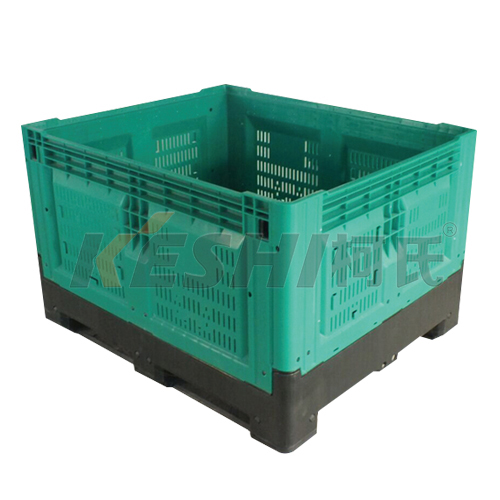
Space-saving folding crates represent advanced mold design challenges requiring creative engineering solutions. A logistics mould for collapsible containers must create living hinges allowing repeated folding without breaking through years of use. Sliding core mechanisms form button-release features securing boxes in an expanded position during use, then releasing for flat storage when empty. These molds require precise temperature control maintaining material flexibility in hinge areas while ensuring rigidity elsewhere for structural integrity. The complexity justifies higher tooling costs through reduced shipping volume when empty containers return for reuse.
Material Flow Considerations
Liquid plastic must travel through cavities, filling every rib and corner completely before cooling begins. A well-designed logistics mould incorporates flow analysis, ensuring uniform filling without weld lines weakening critical load-bearing areas under heavy loads. Gate locations balance cosmetic appearance against structural requirements for each specific product design. Cooling channel placement removes heat efficiently, reducing cycle times while preventing warpage that would cause stacking or handling problems later.
Steel Selection Criteria
Mold steels must withstand millions of cycles without wearing beyond tolerance for consistent part production. Core and cavity components typically use pre-hardened steels, providing good durability for general applications across various materials. High-wear inserts incorporate harder grades resisting abrasion from glass-filled materials used when extra strengthis required. Base plates use carbon steels, providing structural support at a lower cost while maintaining rigidity under clamping pressure. A quality logistics mould matches material properties to specific production requirements.
Hot Runner Integration
High-volume production demands efficient runner systems, minimizing material waste during continuous operation. Hot runner manifolds maintain plastic molten through channels, eliminating solid runners requiring separation and recycling after each cycle. Valve gate systems control flow precisely, improving part quality and reducing cycle times through consistent filling. A productive logistics mould incorporates hot runner technology matched to material type and part geometry, optimizing economics for long production runs serving major customers.