
 EN
EN  English
 русский
 عربى
عربى 中文简体
中文简体
Product Categories
Keshi Mould
Contact Us
Which is a manufacturer & supplier of an extensive range of plastic moulds, Household Plastic Mould, Package Mould, Furniture Mould, Logistics Mould and Pipe Fitting Mould, etc.
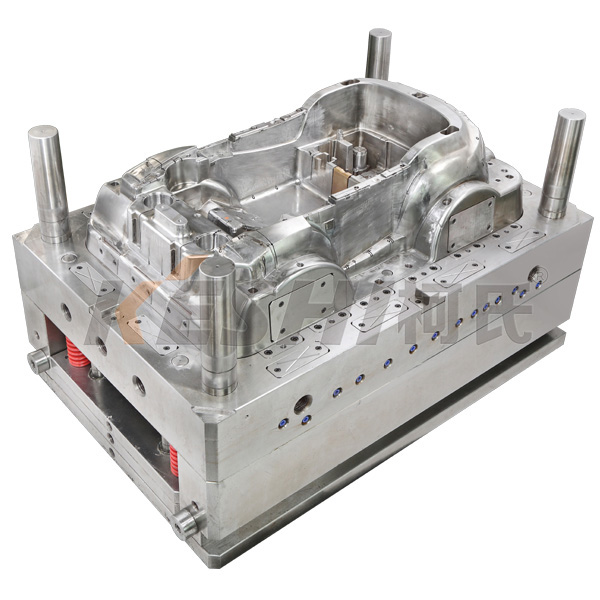
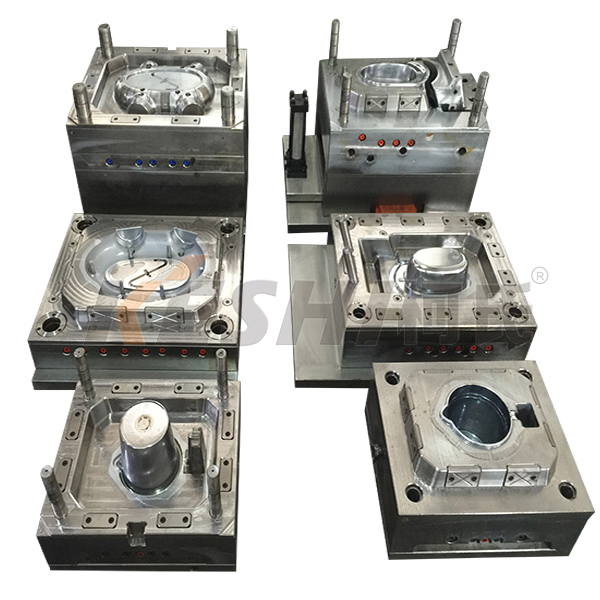
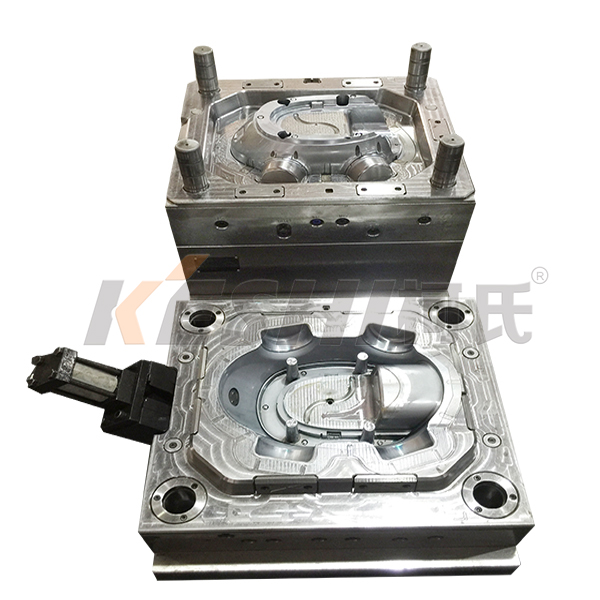
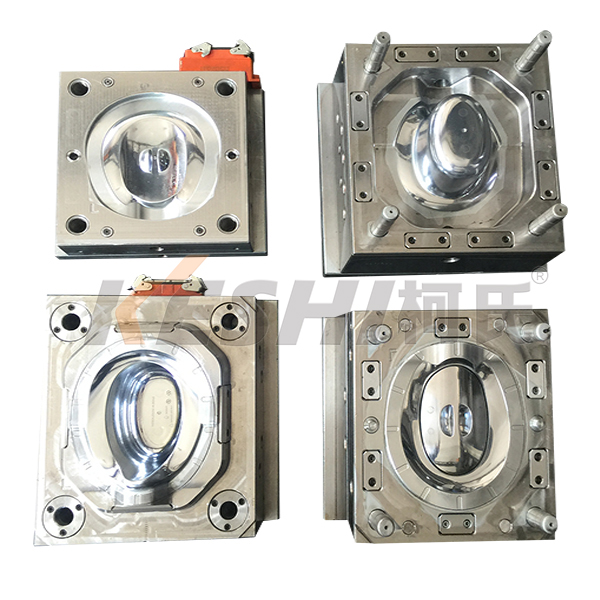
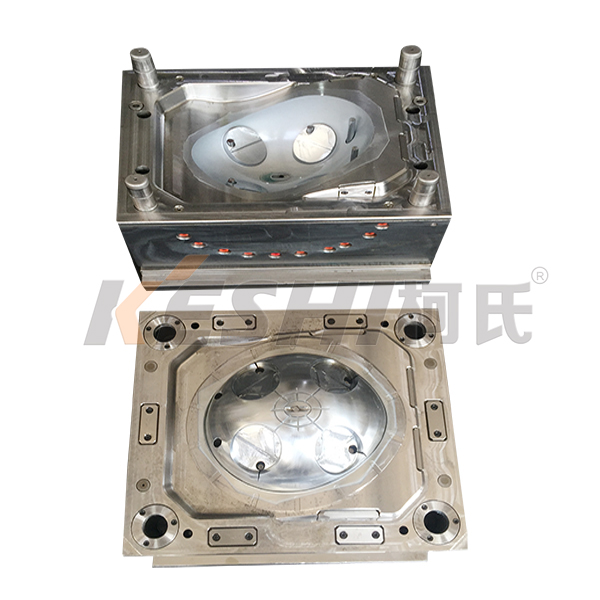
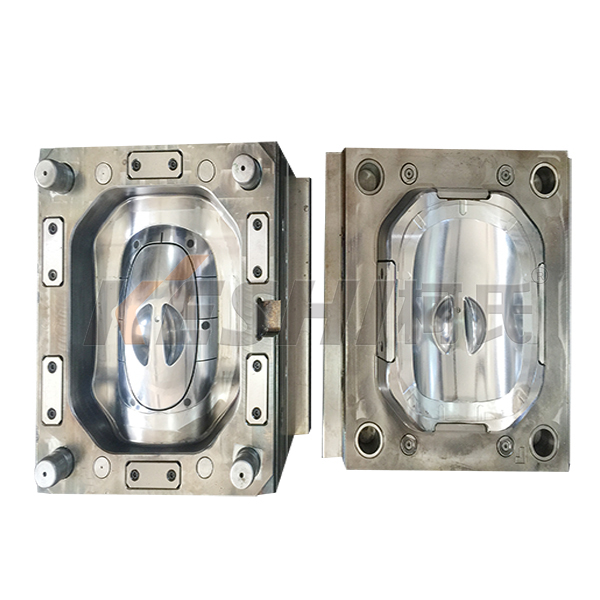
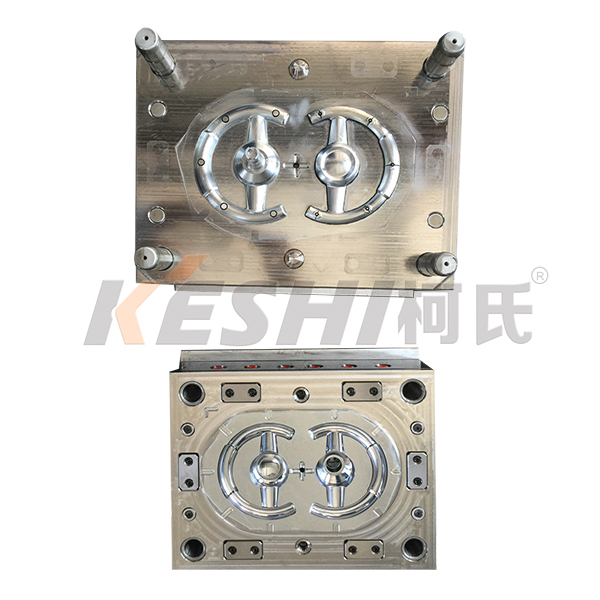
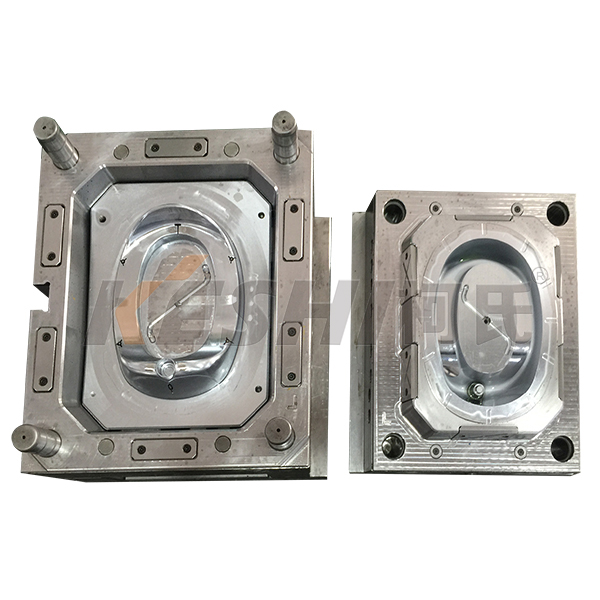
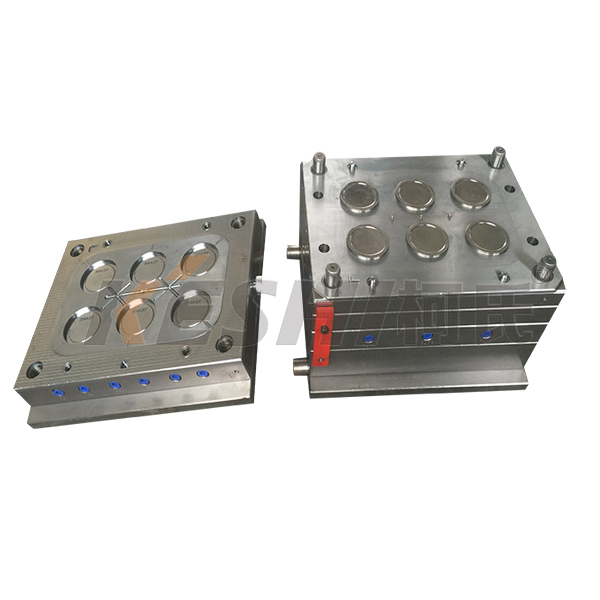
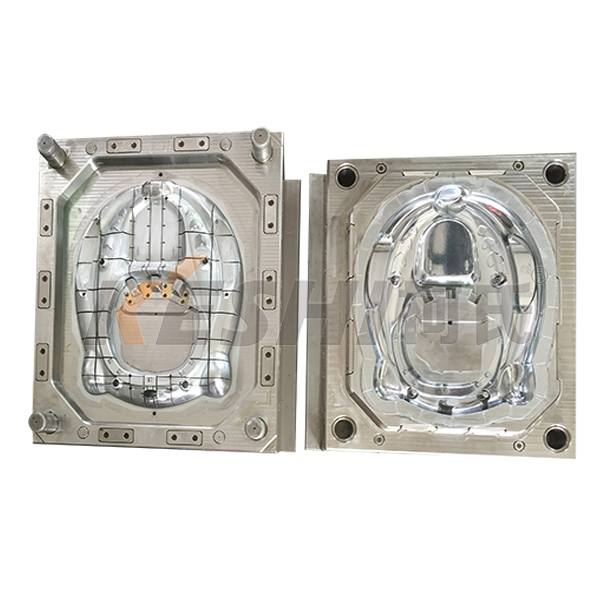
Baby Use Mould Manufacturer
Introducing our flagship product line, Baby Use Mould, designed with care and dedication to cater to the needs of the more precious members of your family. Crafted with a blend of innovation and safety, our Baby Use Mould collection ensures unparalleled quality and functionality for your little ones.
At the heart of our manufacturing process lies a commitment to excellence, where every detail is meticulously considered to guarantee high standards of safety and comfort. From soothing pacifiers to ergonomic feeding essentials, our diverse range of products is thoughtfully crafted to support your baby's development at every stage.
We understand the importance of peace of mind for parents, which is why our Baby Use Mould undergoes rigorous testing to meet and exceed global safety regulations. Rest assured, each product is free from harmful chemicals and toxins, providing a nurturing environment for your baby's growth and well-being.
But we don't just stop at safety; we strive for excellence in design and functionality too. Our innovative features ensure ease of use for parents, making daily routines smoother and more enjoyable. Whether it's our easy-grip handles on feeding bottles or the ergonomic design of our pacifiers, every detail is designed with both baby and parent in mind.
Above all, our Baby Use Mould embodies a sense of joy and wonder, igniting smiles and laughter in every interaction. Because we believe that every moment with your little one is precious, and our products are here to enhance those moments, making them even more memorable.
Discover the magic of our Baby Use Mould collection today and let us accompany you on this beautiful adventure of parenthood.

ABOUT US
Zhejiang Keshi Mould & Industry Co., Ltd.
Zhejiang Keshi Mould & Industry Co., Ltd. is a Custom Baby Use Mould Manufacturer and China OEM/ODM Baby Use Mould Factory, We produce, manufacture, and sell Household Plastic Mould, Package Mould, Furniture Mould, Logistics Mould and Pipe Fitting Mould, etc.
We have complete mould-building facilities furnished with the latest modelling software: UG, CAD/CAM, PROE, SOLIDWORKS, and advanced processing equipment to ensure high-quality mould. We aim to meet and exceed our customers’ expectations through design, competitive prices, fast delivery, and after-sales service.

News
-
A plastic dustbin sits in kitchens, offices, streets, and parks. It gets kicked, shoved, and filled with whatever people throw at it. It has to be cheap enough ...
READ MORE -
A plastic chair, a stackable stool, a drawer unit, a table frame. These are furniture, but they are also molded parts. A plastic furniture mould manufacturer bu...
READ MORE -
The handle cutout looks simple. Two holes in the sides for the hands. But the cutout is a stress point. The full crate is lifted by those two openings, and the ...
READ MORE -
A package is invisible until it fails. The tub that cracks in the freezer. The lid that will not snap. The tray that warps in the oven. When the package works, ...
READ MORE -
A laundry basket, a storage box, a clothes hanger, a food container, a dustpan. These are household plastic products. Each one was formed inside a steel mold. A...
READ MORE -
A plastic dustbin sits in kitchens, offices, streets, and parks. It gets kicked, shoved, and filled with whatever people throw at it. It has to be cheap enough ...
READ MORE -
A plastic pallet box holds hundreds of kilos of produce, industrial parts, or bulk liquid. Forklift tines slide under it. Empty containers nest together. A pall...
READ MORE -
A plastic crate carries bottles, bread trays, and produce from farm to store. It stacks, nests, and survives forklift impacts. A single crate mould produces one...
READ MORE -
A baby bottle, a pacifier, a feeding spoon, a teething ring. These are not just plastic parts. They go into a baby's mouth. They get sterilized in boiling water...
READ MORE -
Every plastic pallet, every stackable crate, every collapsible bulk bin starts in a mold. The part that ships on a truck was formed in a tool that was cut from ...
READ MORE -
A thinwall container mould produces lightweight plastic cups, bowls, and food trays that stack tightly and sell by the million. The mould arrives delivering thi...
READ MORE -
A daily use dustbin mould shapes the plastic bins that hold household waste—kitchen trash, bathroom bins, and office receptacles. The mould arrives producing pa...
READ MORE
We Have Rich Industry Experience, Strong Technical Strength,
And a Technical Team. Can Provide One-stop Solutions Based On Customer Needs.

-
2018
Was founded in
-
10+
Industry experience
-
xxx
Patent Certificate
-
xx+
Automatic production line
Honor
Leaving a Message
If you would like to learn more about our products, please feel free to contact us and we will do our to assist you.
Industry Knowledge Extension
What is Baby Use Mould and why is it essential?
Baby use mould refers to the specialized molds used to create various baby products, such as bottles, pacifiers, toys, and bath chairs. These molds are integral in ensuring that the final products meet safety standards, functionality requirements, and aesthetic preferences. The manufacturing process of these molds is crucial because baby products require precise design and quality control to prevent any harm or discomfort to infants. The materials used must be non-toxic, durable, and easy to clean, as babies are particularly vulnerable to exposure to harmful substances.
What are the material requirements for baby use moulds?
The materials selected for baby use moulds must adhere to strict health and safety regulations. Non-toxic plastics such as FDA-approved polypropylene (PP), polyethylene (PE), and high-density polyethylene (HDPE) are commonly used. These materials are resistant to wear and tear, easy to sterilize, and do not leach harmful chemicals when exposed to heat or moisture, which is a significant concern for products like baby bottles or teething rings.
What design considerations are involved?
The design of the baby use mould is equally important, as it affects the ergonomics and safety of the product. It is essential that the products designed from these molds do not have sharp edges, small detachable parts that can pose choking hazards, or any features that could potentially trap dirt and bacteria. Moulds are often designed to be smooth and seamless to prevent these issues.
What makes plastic baby toy moulds different from regular toy moulds?
Plastic baby toy moulds are designed to produce toys that are specifically created for infants. Unlike adult or general-purpose toy moulds, baby toy moulds must prioritize safety and durability. The plastic materials used for baby toys must be soft, non-toxic, and resistant to damage from biting, chewing, or rough handling. Additionally, the toy's design should be simple and smooth, with no small removable parts or sharp edges to avoid choking hazards.
What are the material standards for baby toy moulds?
As with other baby products, the materials used for baby toy moulds must comply with safety standards such as the ASTM F963 (Toy Safety Standard) or the European EN71 standard. Materials like BPA-free polyethylene (PE) and polypropylene (PP) are widely used for their non-toxic nature and robustness. These materials also ensure that the toys are lightweight, which is important for babies who may not have the strength or coordination to handle heavy objects.
What are the key design features in baby toy moulds?
The design of the baby toy mould must ensure that the final product is safe for babies to interact with. This includes factors such as smooth edges, no small detachable pieces that could pose choking risks, and ensuring the toy is free from sharp components. Mould designs also consider the ease of cleaning, as baby toys are often put into their mouths and need to be sterilized frequently. Some toys may include features like textured surfaces or various colors to stimulate a baby's sensory development.
Why is mould design crucial for plastic baby bathtub chairs?
Plastic baby bathtub chairs are designed to keep babies safe and comfortable during bath time. The design of the mould used to create these chairs is essential in ensuring that the final product provides the necessary support for a baby, as well as meeting safety regulations. The chair must be stable enough to prevent tipping over and must feature smooth surfaces to avoid harming the baby. Furthermore, the design must accommodate features such as ergonomic support and ease of use by parents, including handles for easy transport.
What materials are typically used in baby bathtub chair moulds?
Similar to other baby products, the material used for the baby bathtub chair mould needs to be non-toxic and waterproof. Common materials used include high-density polyethylene (HDPE) or polypropylene (PP), which are durable, lightweight, and easy to clean. These plastics are resistant to mold and bacteria growth, making them ideal for items that come into contact with water regularly. Additionally, these materials do not warp or degrade over time, ensuring that the bathtub chair remains safe for use over long periods.
How does the mould design affect functionality and safety?
In terms of functionality, the baby bathtub chair mould must be designed in a way that allows for a sturdy and comfortable seat, with enough support for a baby during bath time. The chair should have a non-slip base to keep it stable in the tub, as well as features like adjustable recline angles to suit the baby's age and size. The mould should also incorporate drainage holes to prevent water from pooling on the seat, which can bring about bacterial growth. Safety features like rounded corners and anti-slip padding are essential in the final design to ensure that the baby remains safe during use.
Copyright © 2023 Zhejiang Keshi Mould & Industry Co., Ltd. All Rights Reserved

OEM/ODM Baby Use Mould Factory