EN
EN  English
 русский
 عربى
عربى 中文简体
中文简体
What Actually Happens Inside a Mold
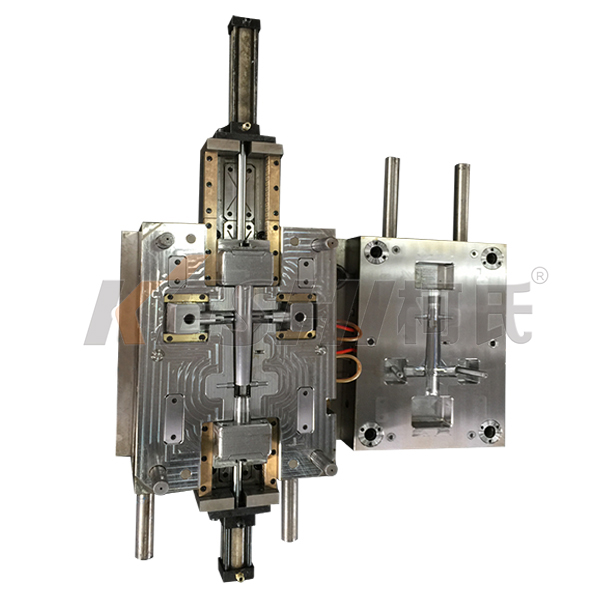
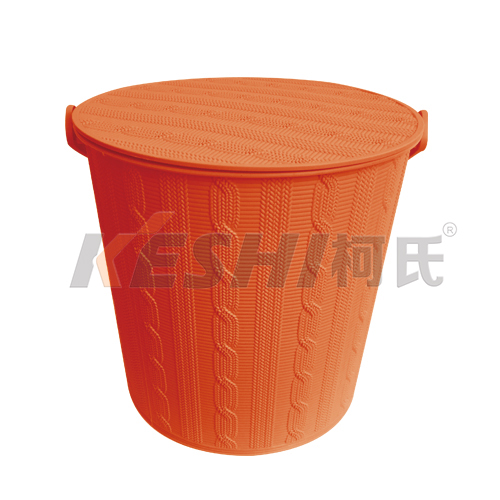
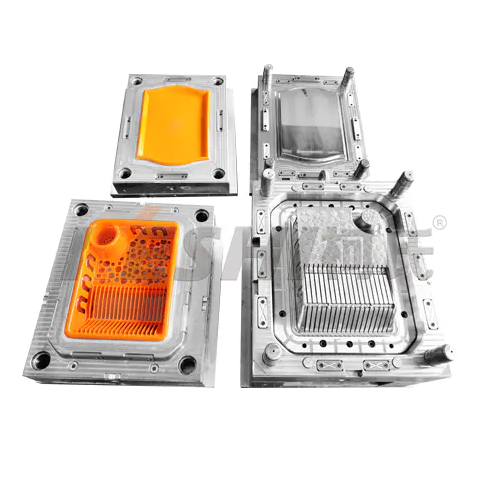
Look around any room and count plastic items. Phones, remotes, water bottles, toys, containers. Every single one began as liquid plastic injected into a plastic injection mold. These precision tools contain cavities shaped exactly like finished products, with channels allowing molten material to flow and cooling systems solidifying parts rapidly. The mold itself remains invisible to consumers, yet determines everything about how products look, feel, and function throughout their useful lives.
Steel Selection Determines Lifespan
Molds endure extreme conditions during production. Molten plastic enters at hundreds of degrees while clamping forces reach tons. Repeated heating and cooling cycles stress materials constantly. Tool steel grades like P20, H13, and S7 offer different combinations of hardness, wear resistance, and machinability. A quality plastic injection mold uses steel matching production volume requirements, from prototype runs of hundreds to high-volume production of millions without wearing beyond tolerance.
Cavity Machining Precision
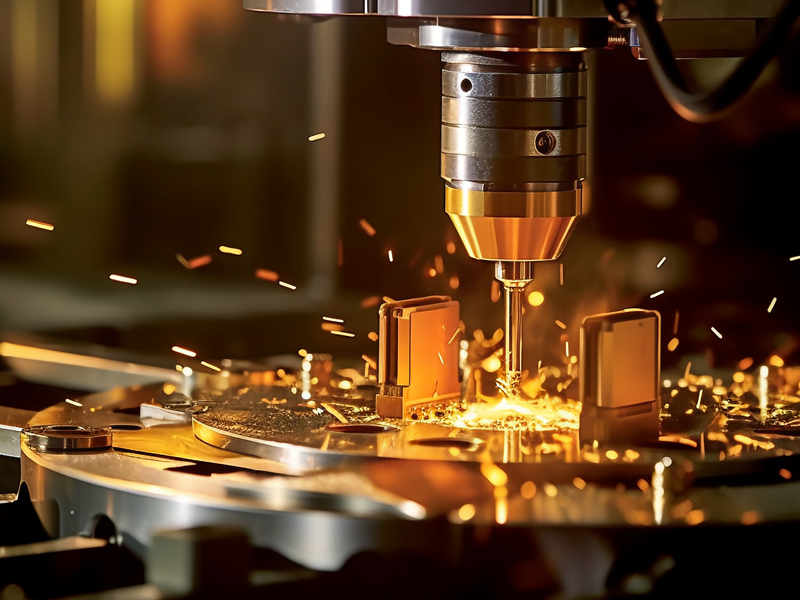
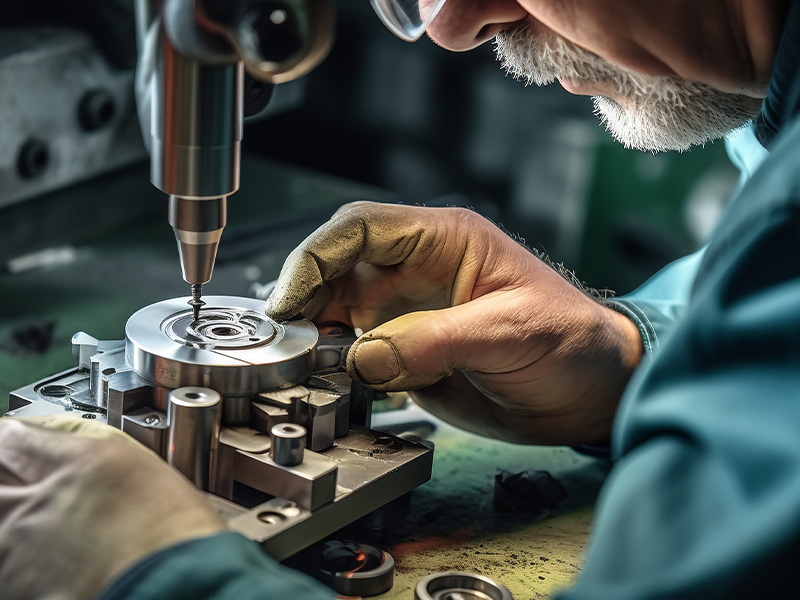
Creating cavity shapes matching product designs requires extraordinary accuracy. CNC machining centers remove material progressively, following tool paths generated from three-dimensional models. Graphite electrodes form through electrical discharge machining for complex features cutters cannot reach. Polishing operations achieve surface finishes measured in microns. A precision plastic injection mold results from multiple machining processes, each contributing to final accuracy affecting part quality.
Cooling Channel Design Critical
Cycle time determines production economics, and cooling dominates cycle duration. Well-designed cooling channels follow cavity contours, removing heat efficiently and uniformly. Conformal cooling uses channels following part shapes precisely, reducing cycle times dramatically compared to straight drilled passages. A thermally optimized plastic injection mold produces parts faster with less warpage from uneven cooling, improving both productivity and quality simultaneously.
Ejection Systems Removing Parts
Once plastic solidifies, parts must exit molds cleanly without damage. Ejector pins push finished items from cavities, positioned strategically where marks remain hidden. Stripper plates lift parts from cores uniformly. Air blast systems assist gravity removal for simple geometries. A thoughtfully designed plastic injection mold includes ejection mechanisms matching part geometry, preventing deformation during removal that would scrap otherwise acceptable production.
Gate Location Decisions
Gates admit molten plastic into cavities, and their placement affects everything. Edge gates leave small scars on part surfaces. Submarine gates shear off automatically during ejection. Valve gates control flow precisely for multiple cavities. Gate location determines flow patterns affecting strength and appearance. A skilled plastic injection mold designer positions gates balancing cosmetic requirements against functional considerations for each specific application.
Venting Preventing Defects
Air trapped in cavities during injection causes burns and incomplete filling. Venting channels allow escape along parting lines and through ejector pins. Depth measurements prove critical, too shallow fails to vent, too deep creates flash. Some designs incorporate vacuum systems removing air actively. A properly vented plastic injection mold produces defect-free parts consistently, avoiding rejects from trapped gas during production runs.
Prototype Mold Applications
Before committing to production tools costing thousands, designers often test through prototype molds. Aluminum molds produce limited parts for evaluation at lower cost. 3D printed inserts verify complex geometries quickly. Soft tooling allows design adjustments before hard tooling commits. A flexible plastic injection mold approach uses prototyping strategically, reducing risk when bringing new products to market.
Multi-Cavity Productivity
High-volume production demands multiple cavities producing identical parts simultaneously. Family molds produce different components in single cycles for assembled products. Hot runner systems maintain plastic molten through manifolds, eliminating runner waste. A productive plastic injection mold maximizes cavity count within machine size constraints, optimizing output for specific production requirements.
Maintenance Requirements
Molds require regular attention during production runs. Cleaning removes residue buildup affecting part quality. Polishing restores surface finishes worn through use. Component replacement addresses wear in high-friction areas. A well-maintained plastic injection mold continues producing quality parts for millions of cycles, while neglected tools generate defects requiring costly sorting and rework.