
 EN
EN  English
 русский
 عربى
عربى 中文简体
中文简体
Product Categories
Keshi Mould
Contact Us
Which is a manufacturer & supplier of an extensive range of plastic moulds, Household Plastic Mould, Package Mould, Furniture Mould, Logistics Mould and Pipe Fitting Mould, etc.
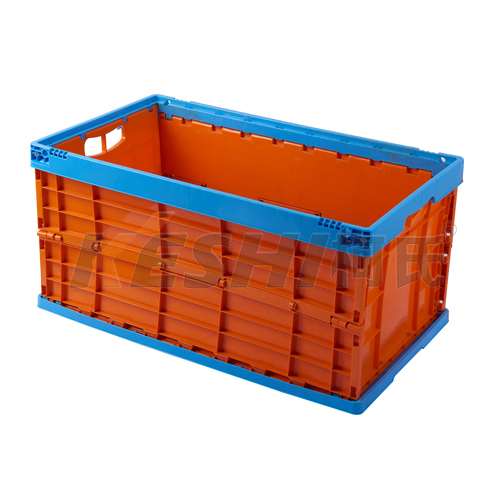
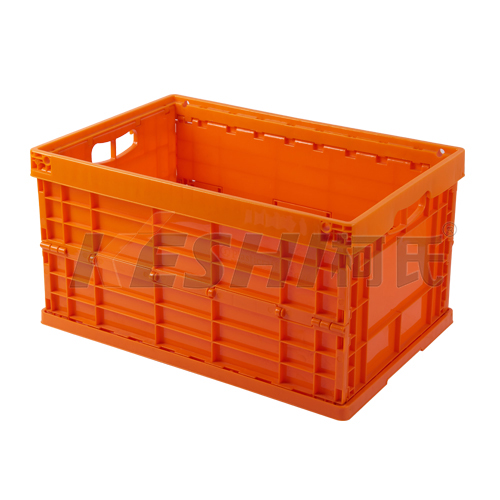
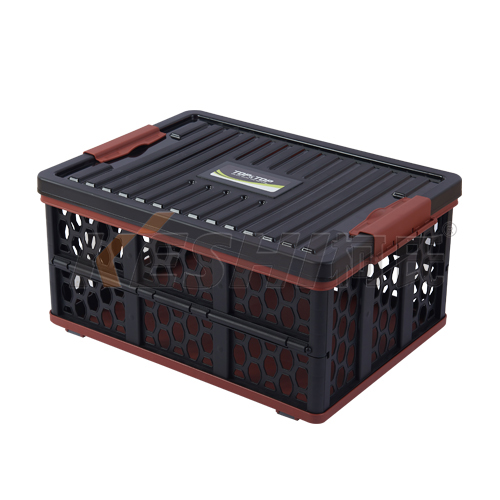
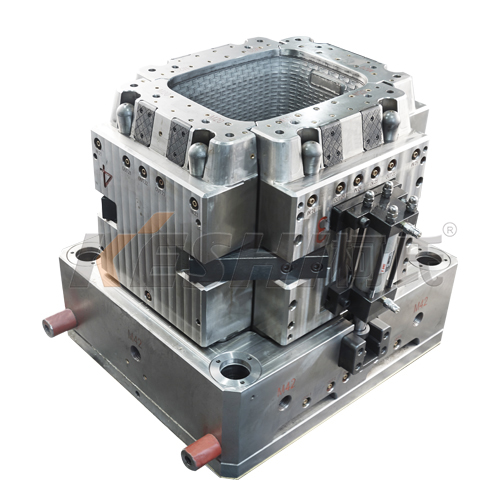
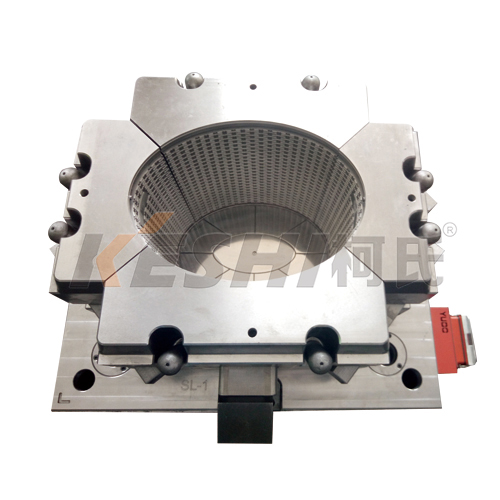
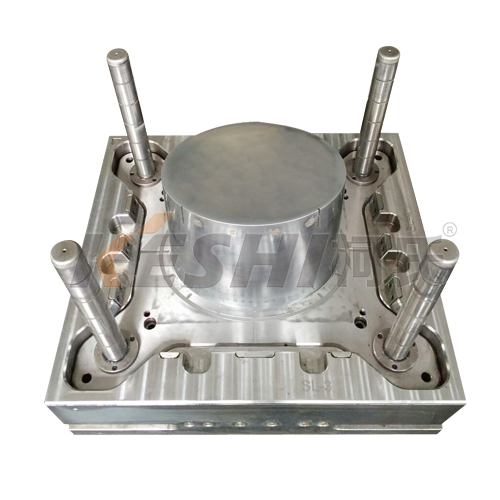
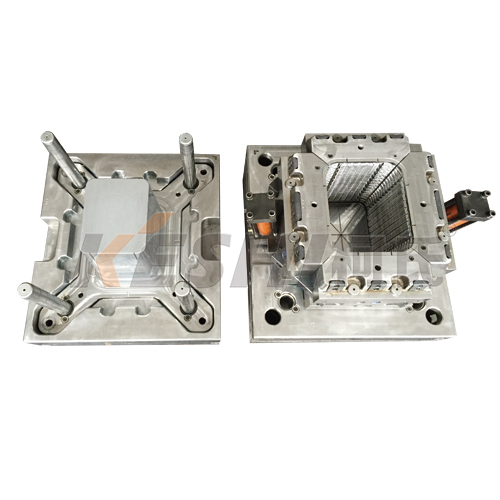
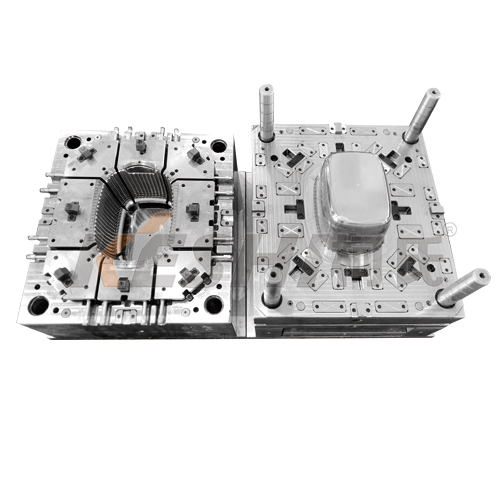
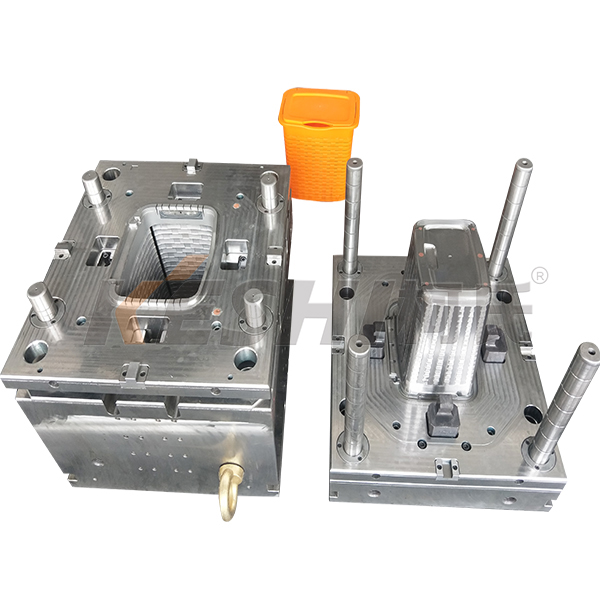
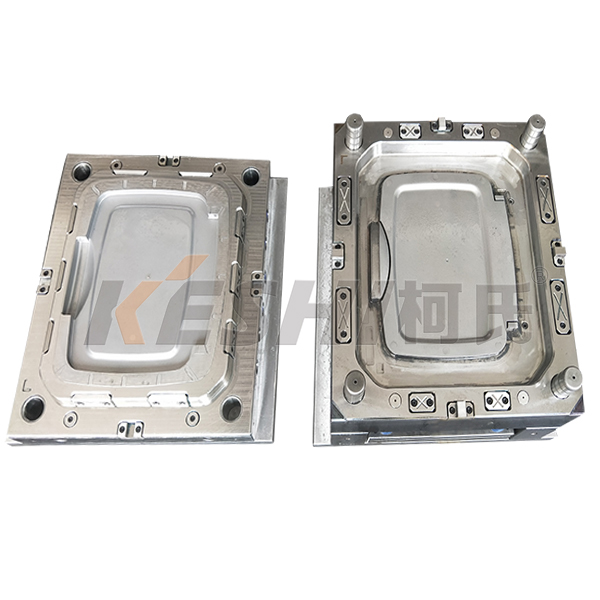
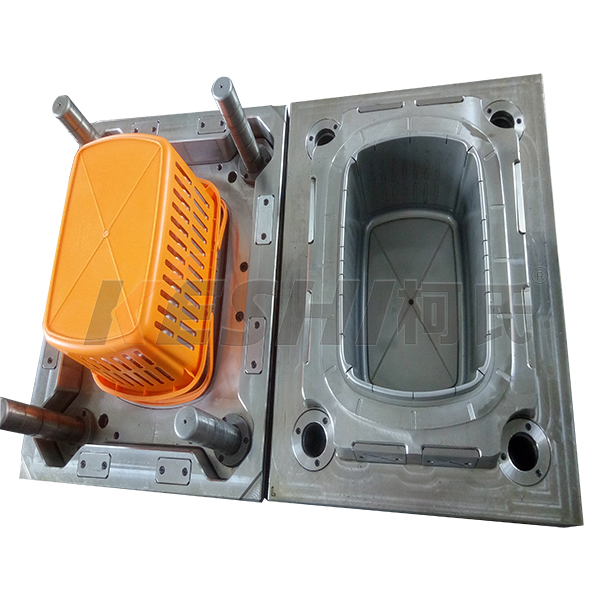
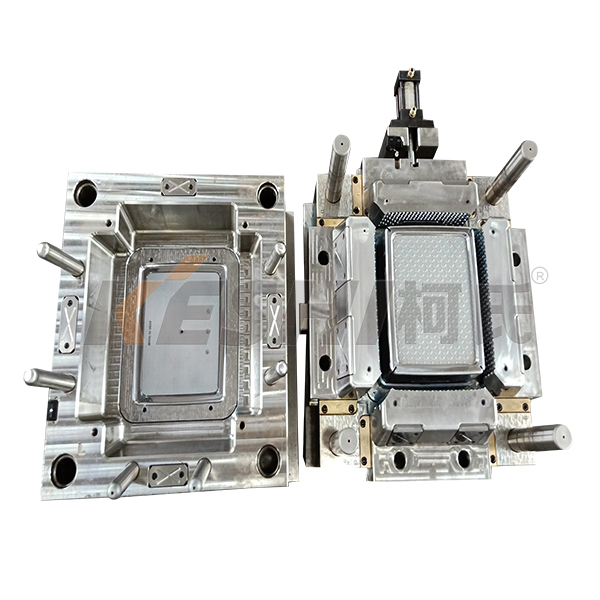
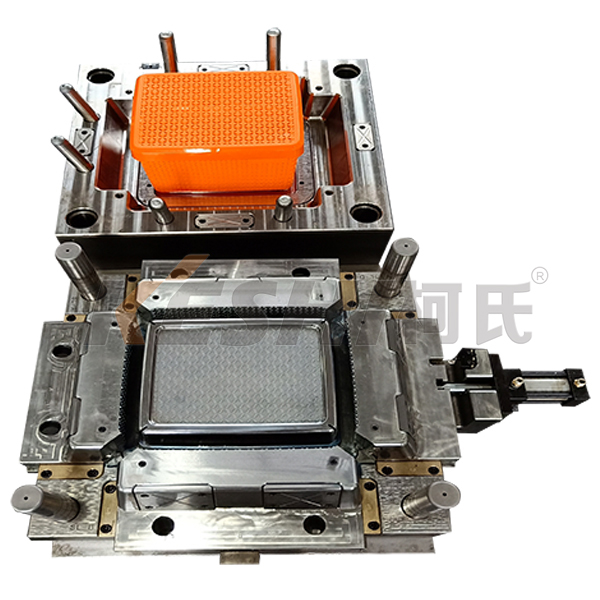
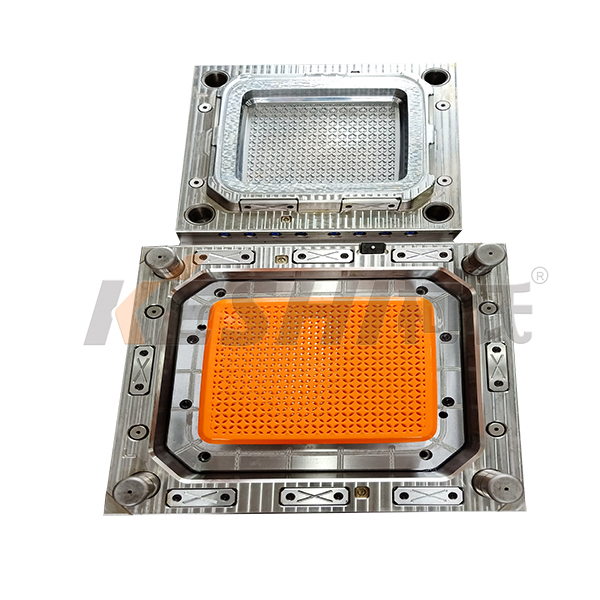
Plastic Basket Mould Manufacturer
Zhejiang Keshi Mould & Industry Co., Ltd. is a premier manufacturer specializing in high-quality basket moulds, designed to meet the diverse needs of various industries. Our basket moulds are renowned for their exceptional quality, durability, and innovative features that cater to a wide range of applications.
Unique Features of Our Basket Moulds
Precision Design
Our moulds are characterized by their precision design, ensuring that each basket produced is uniform in shape and size. This uniformity is crucial for applications where consistency is key, such as in retail displays and packaging solutions.
Ease of Use
We design our basket moulds with the end user in mind, ensuring that the baskets are easy to stack, handle, and transport. Features such as ergonomic handles and lightweight construction enhance usability, making them convenient for both domestic and industrial use.
Environmental Considerations
Zhejiang Keshi Mould & Industry Co., Ltd. is committed to sustainability. Our basket moulds are designed to facilitate the production of recyclable and reusable baskets, promoting environmentally friendly practices. Additionally, our manufacturing processes are optimized to minimize waste and reduce our carbon footprint.
ABOUT US
Zhejiang Keshi Mould & Industry Co., Ltd.
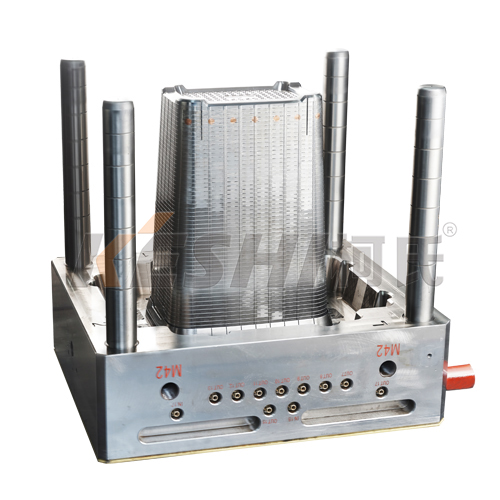
Zhejiang Keshi Mould & Industry Co., Ltd. is a Custom Plastic Basket Mould Manufacturer and China OEM/ODM Plastic Basket Mould Factory, We produce, manufacture, and sell Household Plastic Mould, Package Mould, Furniture Mould, Logistics Mould and Pipe Fitting Mould, etc.
We have complete mould-building facilities furnished with the latest modelling software: UG, CAD/CAM, PROE, SOLIDWORKS, and advanced processing equipment to ensure high-quality mould. We aim to meet and exceed our customers’ expectations through design, competitive prices, fast delivery, and after-sales service.
News
-
A plastic dustbin sits in kitchens, offices, streets, and parks. It gets kicked, shoved, and filled with whatever people throw at it. It has to be cheap enough ...
READ MORE -
A plastic chair, a stackable stool, a drawer unit, a table frame. These are furniture, but they are also molded parts. A plastic furniture mould manufacturer bu...
READ MORE -
The handle cutout looks simple. Two holes in the sides for the hands. But the cutout is a stress point. The full crate is lifted by those two openings, and the ...
READ MORE -
A package is invisible until it fails. The tub that cracks in the freezer. The lid that will not snap. The tray that warps in the oven. When the package works, ...
READ MORE -
A laundry basket, a storage box, a clothes hanger, a food container, a dustpan. These are household plastic products. Each one was formed inside a steel mold. A...
READ MORE -
A plastic dustbin sits in kitchens, offices, streets, and parks. It gets kicked, shoved, and filled with whatever people throw at it. It has to be cheap enough ...
READ MORE -
A plastic pallet box holds hundreds of kilos of produce, industrial parts, or bulk liquid. Forklift tines slide under it. Empty containers nest together. A pall...
READ MORE -
A plastic crate carries bottles, bread trays, and produce from farm to store. It stacks, nests, and survives forklift impacts. A single crate mould produces one...
READ MORE -
A baby bottle, a pacifier, a feeding spoon, a teething ring. These are not just plastic parts. They go into a baby's mouth. They get sterilized in boiling water...
READ MORE -
Every plastic pallet, every stackable crate, every collapsible bulk bin starts in a mold. The part that ships on a truck was formed in a tool that was cut from ...
READ MORE -
A thinwall container mould produces lightweight plastic cups, bowls, and food trays that stack tightly and sell by the million. The mould arrives delivering thi...
READ MORE -
A daily use dustbin mould shapes the plastic bins that hold household waste—kitchen trash, bathroom bins, and office receptacles. The mould arrives producing pa...
READ MORE
We Have Rich Industry Experience, Strong Technical Strength,
And a Technical Team. Can Provide One-stop Solutions Based On Customer Needs.

-
2018
Was founded in
-
10+
Industry experience
-
xxx
Patent Certificate
-
xx+
Automatic production line
Honor

Leaving a Message
If you would like to learn more about our products, please feel free to contact us and we will do our to assist you.
Industry Knowledge Extension
What Is the Role of the Ejector System in Plastic Basket Moulds?
The ejector system is a core functional component of plastic basket moulds, responsible for separating the finished basket from the mould cavity after the cooling stage. Because plastic baskets usually have large surface areas, multiple ribs, and ventilation holes, adhesion between the product and the mould core can be significant. The ejector system applies controlled mechanical force to overcome this adhesion, ensuring that the product can be removed without deformation or surface damage. Proper ejection is essential for maintaining consistent cycle times and stable production output.
In plastic basket moulds, ejector design must account for the structural characteristics of the basket, such as thin walls and reinforcing ribs. Ejector pins, ejector sleeves, or stripper plates are positioned at structurally strong areas to distribute force evenly. If the force is concentrated in weak sections, it may bring about warpage, stress marks, or cracking. Therefore, the ejector layout directly affects both the appearance and functional integrity of the basket.
The ejector system also contributes to mould longevity and production efficiency. Smooth and synchronized ejection reduces wear on mould components and minimizes the risk of product sticking, which can interrupt automated operation. In high-cavity or multipurpose basket moulds, a reliable ejector system helps maintain stable quality across all cavities, reducing scrap rates and the need for manual intervention during production.
How to Ensure the Dimensional Accuracy of Multipurpose Plastic Storage Basket Mould Products?
Ensuring dimensional accuracy is critical for multipurpose plastic storage baskets, especially when stacking, nesting, or fitting with other storage systems. This can be achieved through several coordinated measures:
Mould Design Precision
Accurate CAD modeling and proper shrinkage allowance based on material data are fundamental. The mould cavity dimensions must reflect expected material shrinkage to ensure the final product meets design specifications.
High-Quality Machining
CNC machining and precise polishing of mould components help achieve tight tolerances. Consistency in cavity dimensions across multi-cavity moulds is particularly important for uniform product size.
Stable Processing Parameters
Injection pressure, melt temperature, cooling time, and holding pressure all influence final dimensions. Maintaining stable and repeatable process settings reduces variation between production batches.
Effective Cooling System Design
Uniform cooling minimizes differential shrinkage and warpage. Well-balanced cooling channels ensure that all areas of the basket solidify evenly, supporting dimensional consistency.
Regular Mould Maintenance
Wear of mould components can gradually affect dimensions. Periodic inspection and maintenance help preserve accuracy over long production runs.
Quality Control and Measurement
Routine dimensional inspection using gauges or coordinate measuring equipment allows deviations to be identified early and corrected through process or mould adjustments.
How Does the Choice of Plastic Material Affect the Design of Plastic Basket Moulds Customs?
The selection of plastic material has a direct and measurable impact on the custom design of plastic basket moulds. Different plastics exhibit varying shrinkage rates, flow characteristics, and mechanical properties, all of which must be considered during mould development. For example, polypropylene and polyethylene, commonly used for baskets, have relatively high shrinkage rates. This requires designers to carefully calculate cavity dimensions and incorporate appropriate draft angles to facilitate ejection.
Material stiffness and flexibility also influence mould structure. A more flexible material may tolerate thinner walls and more complex lattice designs, while a stiffer material may require thicker sections or additional ribs to prevent cracking during use. These factors affect not only the basket design but also the placement of gates, runners, and ejector elements within the mould.
Thermal behavior is another important consideration. Materials with higher melting temperatures or narrower processing windows demand more precise temperature control in the mould. This can bring about adjustments in cooling channel layout and mould steel selection to ensure stable heat transfer. In custom plastic basket moulds, aligning material properties with intended product use—such as load-bearing capacity, impact resistance, or environmental exposure—helps ensure that the mould design supports consistent production and reliable product performance.
Copyright © 2023 Zhejiang Keshi Mould & Industry Co., Ltd. All Rights Reserved

OEM/ODM Plastic Basket Mould Factory