
 EN
EN  English
 русский
 عربى
عربى 中文简体
中文简体
Product Categories
Keshi Mould
Contact Us
Which is a manufacturer & supplier of an extensive range of plastic moulds, Household Plastic Mould, Package Mould, Furniture Mould, Logistics Mould and Pipe Fitting Mould, etc.
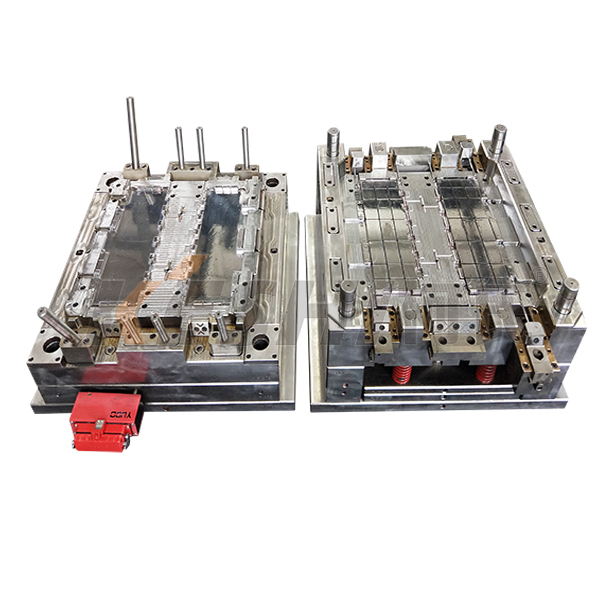
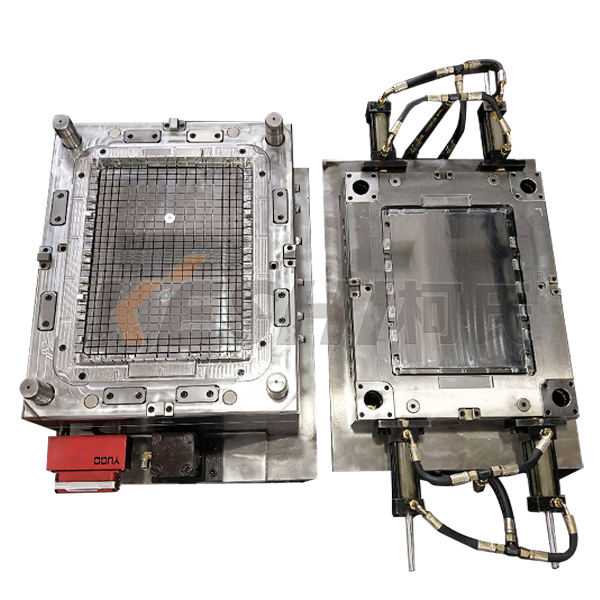
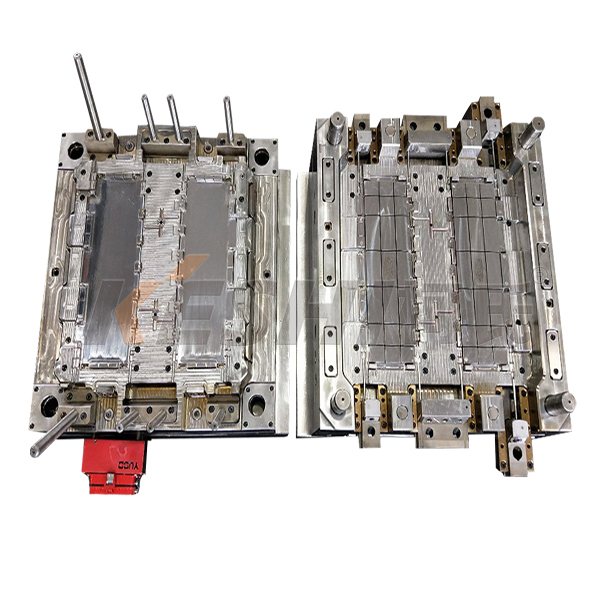
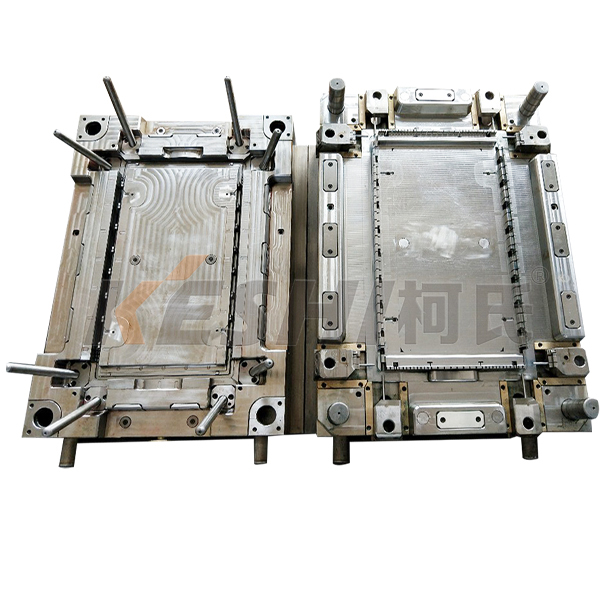
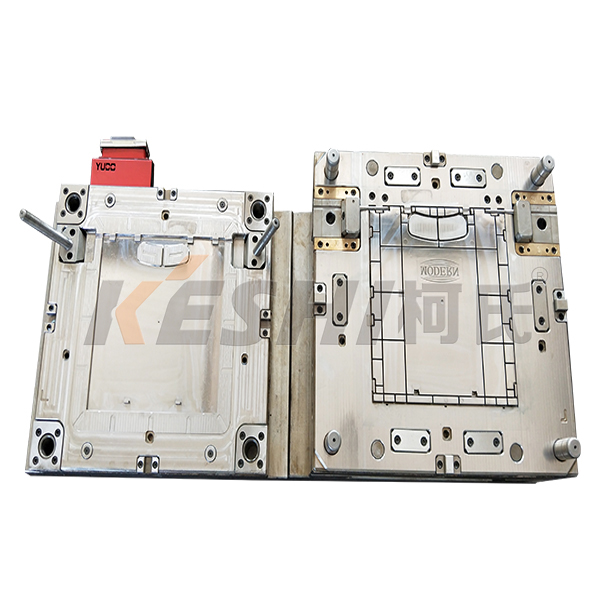
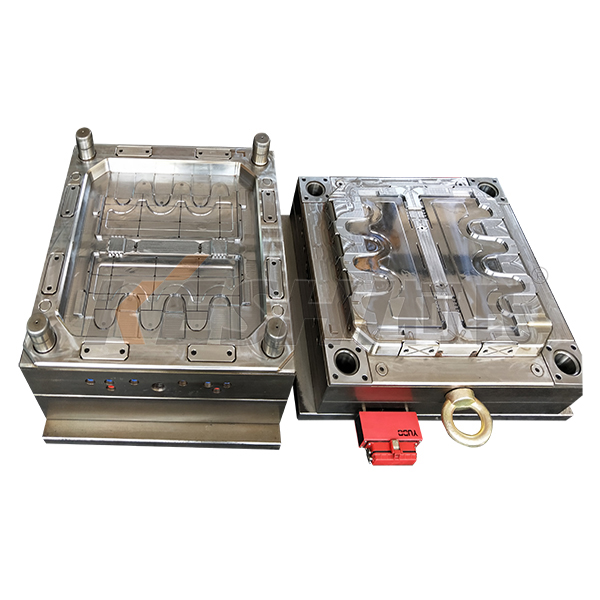
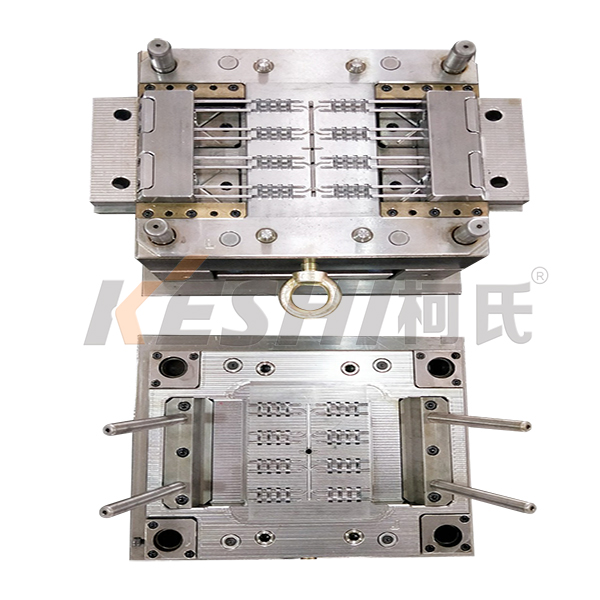
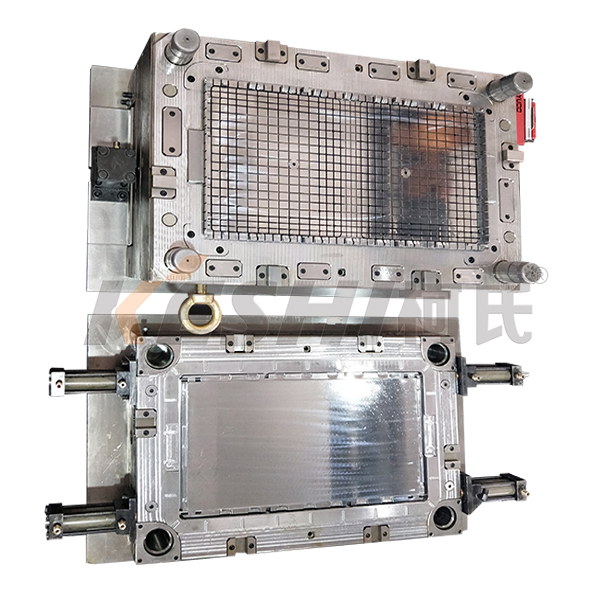
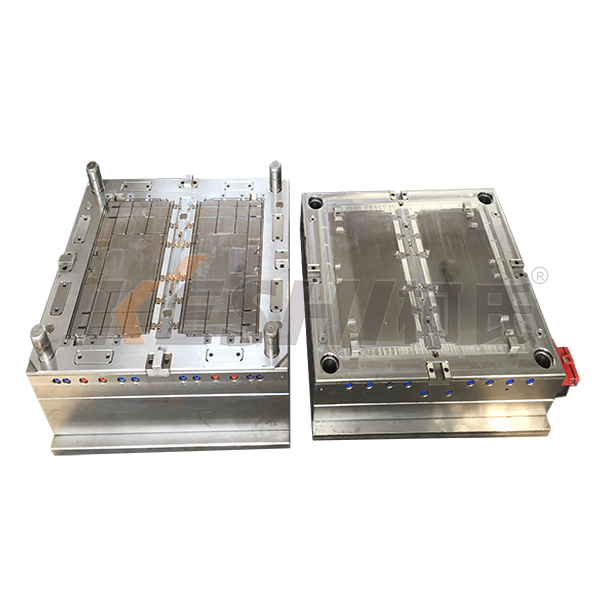
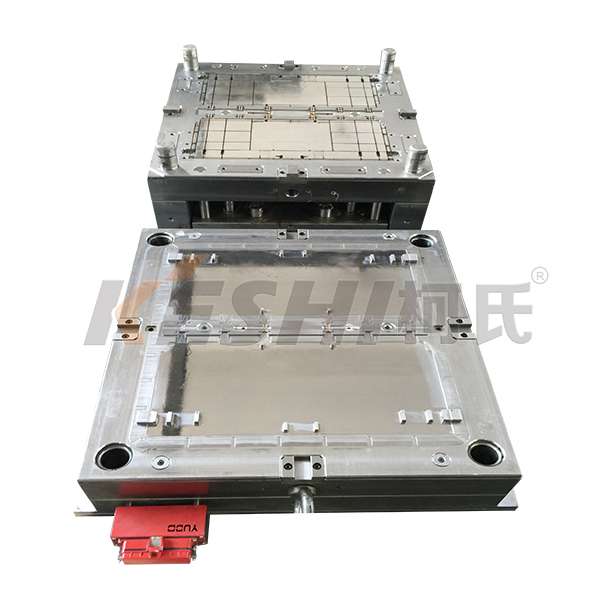
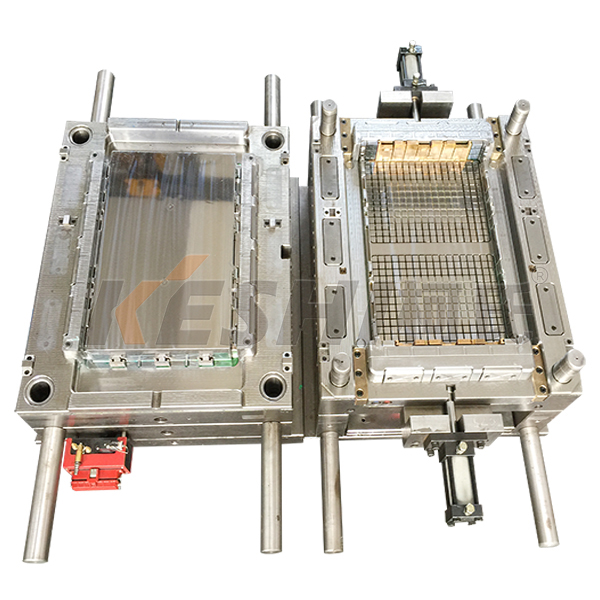
Plastic Folding Crate Mould Manufacturer
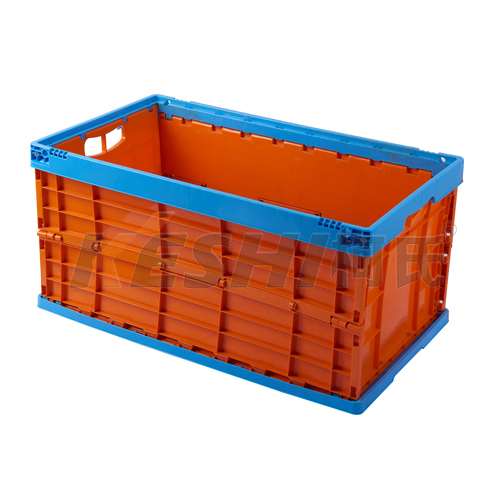
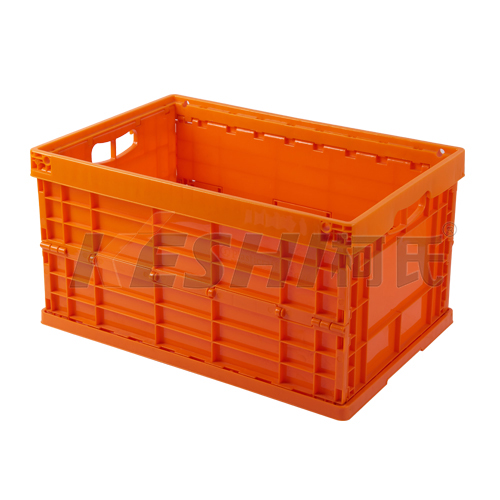
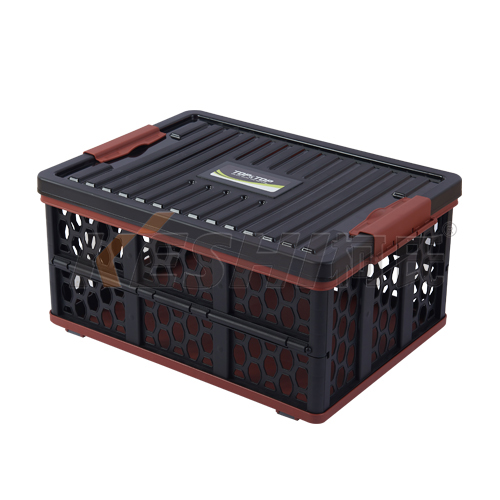
Folding Crate Moulds is synonym OF innovation and convenience. These moulds enable the production of crates that can be easily folded when not in use, significantly saving space and reducing storage costs. The design focuses on ease of assembly and disassembly, ensuring that the crates can be quickly set up or collapsed without compromising their structural integrity. This versatility makes them professional for businesses that require flexible and efficient storage solutions.
ABOUT US
Zhejiang Keshi Mould & Industry Co., Ltd.
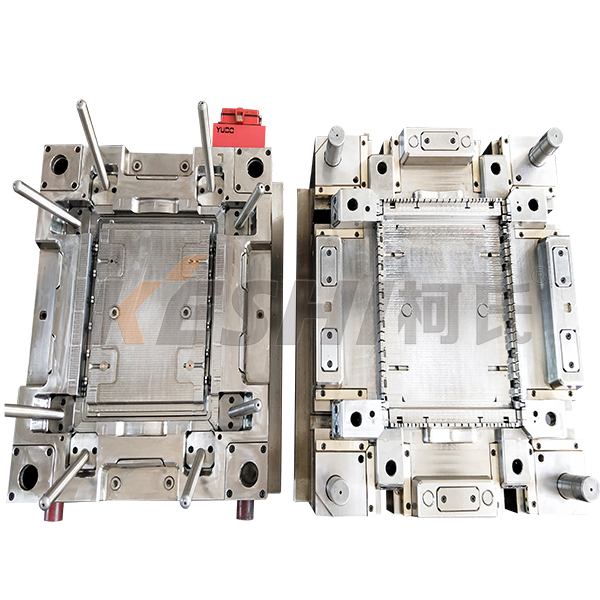
Zhejiang Keshi Mould & Industry Co., Ltd. is a Custom Plastic Folding Crate Mould Manufacturer and China OEM/ODM Plastic Folding Crate Mould Factory, We produce, manufacture, and sell Household Plastic Mould, Package Mould, Furniture Mould, Logistics Mould and Pipe Fitting Mould, etc.
We have complete mould-building facilities furnished with the latest modelling software: UG, CAD/CAM, PROE, SOLIDWORKS, and advanced processing equipment to ensure high-quality mould. We aim to meet and exceed our customers’ expectations through design, competitive prices, fast delivery, and after-sales service.

News
-
Leading the Way in Custom Mold Production A Mold Manufacturer Supplier plays an essential role in industries ranging from automotive and electronics to consumer...
READ MORE -
The Role of Plastic Injection Molds in Modern Production A Plastic Injection Mold plays a critical role in the manufacturing of plastic products across various ...
READ MORE -
From Granules to Garden Chairs Every plastic chair, table, and storage unit begins as tiny granules inside massive molding machines. A plastic furniture mold tr...
READ MORE -
What Makes Logistics Moulds Different Every warehouse stacked with pallets, every shipment secured in plastic crates, and every distribution center organized wi...
READ MORE -
Where Kitchen Containers Begin Open any kitchen cabinet and find storage containers in every shape and size. Each one started as liquid plastic inside a househo...
READ MORE -
What Actually Happens Inside a Mold Look around any room and count plastic items. Phones, remotes, water bottles, toys, containers. Every single one began as li...
READ MORE -
How Do Plastic Package Molds Improve Manufacturing A Plastic Package Mold is essential for producing consistent, high-quality packaging products used in food, c...
READ MORE -
How Do Pipe Fitting Molds Enhance Manufacturing Efficiency A Pipe Fitting Mold is a key tool in producing high-quality pipe connectors for plumbing, irrigation,...
READ MORE -
How Do Logistics Moulds Improve Supply Chain Efficiency Efficient packaging and storage are critical in modern supply chains, and a Logistics Mould provides con...
READ MORE -
How Do Household Plastic Molds Improve Manufacturing Efficiency A Household Plastic Mold plays a vital role in producing consistent, high-quality household prod...
READ MORE -
Thin wall molding is a specialized injection molding process used to manufacture plastic parts with relatively thin wall sections while maintaining structural i...
READ MORE -
How does the Chemical and Impact Resistance of Paint Bucket Molds Affect Their Performance? In the production of paint buckets, the material properties and resi...
READ MORE
We Have Rich Industry Experience, Strong Technical Strength,
And a Technical Team. Can Provide One-stop Solutions Based On Customer Needs.

-
2018
Was founded in
-
10+
Industry experience
-
xxx
Patent Certificate
-
xx+
Automatic production line
Honor

Leaving a Message
If you would like to learn more about our products, please feel free to contact us and we will do our to assist you.
Industry Knowledge Extension
Which industries are suitable for Plastic Folding Crate Mould?
The suitability of a plastic folding crate is determined by a need for efficient storage and transport logistics, coupled with a requirement for durable, reusable containers. Several industries find this product category aligned with their operational models.
- Agriculture and Horticulture: These sectors use folding crates for harvesting, sorting, and transporting produce. The collapsible feature allows for space-efficient storage during the off-season or return trips from distribution centers. The design often incorporates ventilation to ensure proper airflow for fruits and vegetables.
- Logistics and Distribution: Within warehouses and distribution networks, folding crates serve as modular, returnable totes for handling parts, components, or finished goods. Their standardized footprints allow for integration with automated systems, and their ability to fold reduces the volume required for empty container storage and reverse logistics.
- Retail and Display: For in-store product transportation and potential point-of-sale display, folding crates offer a rigid and structured container. Their cleanable surfaces and professional appearance are compatible with retail environments. When not in use, they can be collapsed to conserve valuable backroom storage space.
- Manufacturing and Assembly: In just-in-time manufacturing environments, these crates function as organized containers for moving sub-assemblies or small parts between production cells. Their durability withstands repeated use in industrial settings, and their collapsibility optimizes the footprint of the container management system.
How does Collapsible Plastic Crate Mould improve warehousing efficiency?
The efficiency gains from using collapsible plastic crates stem directly from their volumetric variability, which is a direct result of the precision of the injection mould that produces them. A well-engineered mould ensures the crate folds and locks with consistent reliability, enabling several key improvements.
Primary efficiency is achieved through a significant reduction in the space required to store empty containers. When collapsed, multiple crates can occupy the same physical volume as a single assembled unit. This frees substantial floor space within a warehouse for active inventory, increases the payload efficiency of vehicles returning empty containers, and lowers associated storage and transportation costs.
These crates contribute to process standardization. Their uniform dimensions, guaranteed by the mould's precision, allow for predictable stacking patterns and compatibility with pallet sizes and racking systems. This standardization facilitates easier inventory counting, more stable loads, and safer material handling. The robust, one-piece construction resulting from the molding process also reduces maintenance and replacement frequency compared to assembled or less durable containers, bring about lower long-term operational expenditures. The integration of ergonomic features, such as integrated handholds and smooth edges, which are formed directly by the mould, improves worker safety and handling speed, contributing to overall operational throughput.
What is the temperature range of Custom Plastic Fold Crate Mould?
Discussing the temperature range for a custom plastic fold crate mould requires distinguishing between two critical aspects: the operational temperature of the mould during production and the service temperature of the finished plastic crate in use.
For the mould itself, the operational temperature is a tightly controlled process parameter. During injection molding, the temperature of the steel mould blocks is regulated via a thermal control unit, typically maintaining a range between approximately 20°C and 80°C (68°F to 176°F). This range varies based on the specific plastic polymer used. A stable, optimized mould temperature is essential for ensuring proper material flow into the thin hinge sections, achieving a high-quality surface finish, controlling the crystallization rate of the plastic for consistent part shrinkage, and enabling a reliable, repeatable folding action in the final product.
The service temperature range of the finished folding crate is dictated by the properties of the thermoplastic material from which it is made, commonly polypropylene (PP) or high-density polyethylene (HDPE). For PP crates, the typical functional range is from approximately -10°C to 80°C (14°F to 176°F). HDPE may offer a slightly wider low-temperature performance. Operating within this range ensures the crate retains its designed structural rigidity and impact resistance. Exposing the crate to temperatures near or above its upper limit can cause deformation, warping, or a loss of stacking strength, while temperatures significantly below the lower limit can make the plastic brittle and susceptible to cracking, particularly at the integrated hinge points. Therefore, the mould is engineered to produce a part that performs reliably within the material's specified service envelope.
Copyright © 2023 Zhejiang Keshi Mould & Industry Co., Ltd. All Rights Reserved

OEM/ODM Plastic Folding Crate Mould Factory