
 EN
EN  English
 русский
 عربى
عربى 中文简体
中文简体
Product Categories
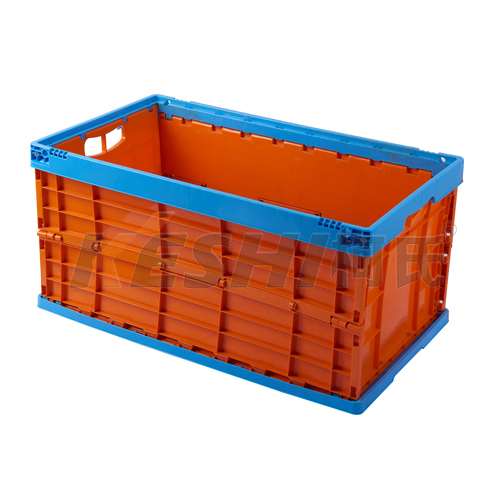
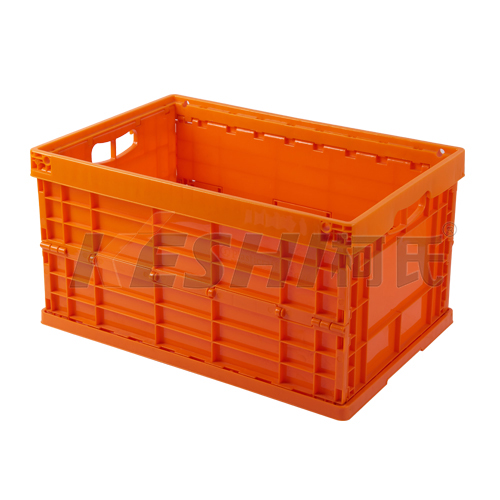
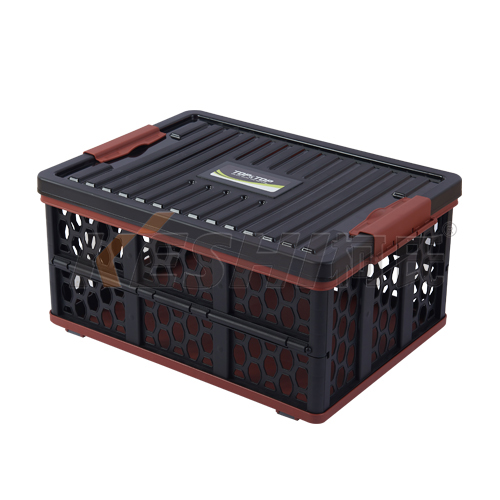
Keshi Mould
Contact Us
Which is a manufacturer & supplier of an extensive range of plastic moulds, Household Plastic Mould, Package Mould, Furniture Mould, Logistics Mould and Pipe Fitting Mould, etc.
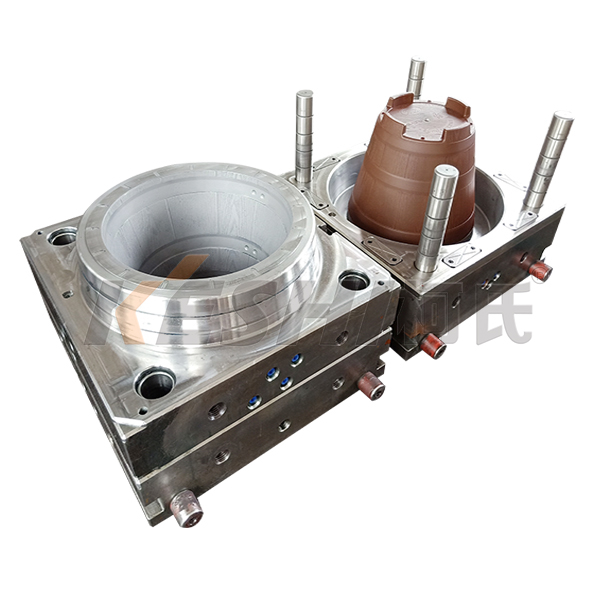
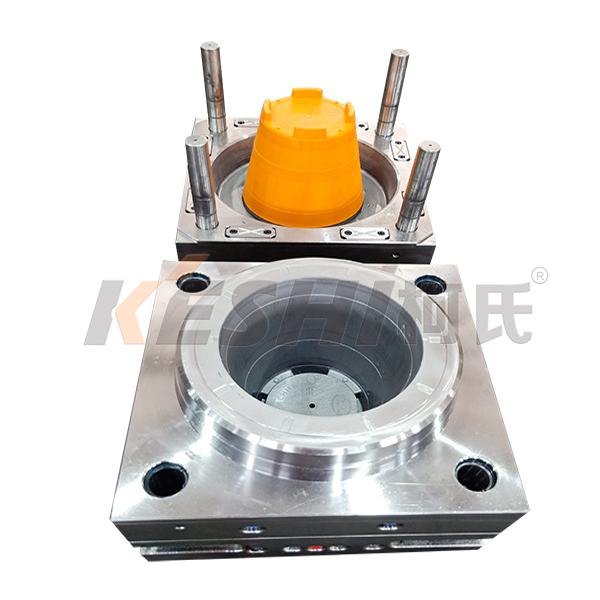
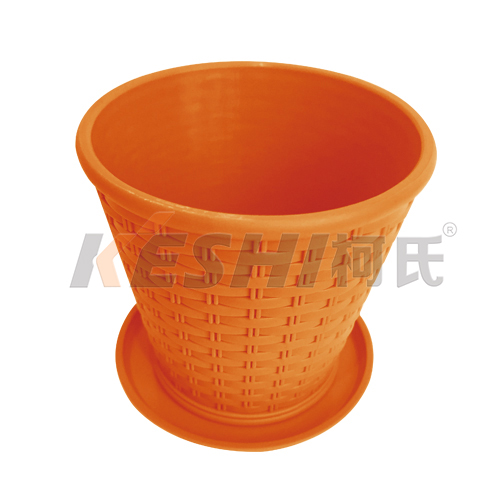
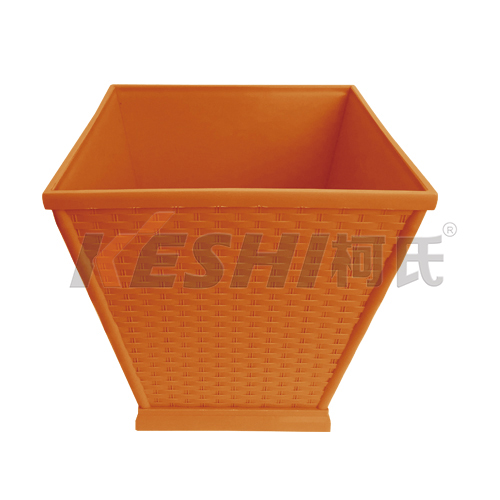
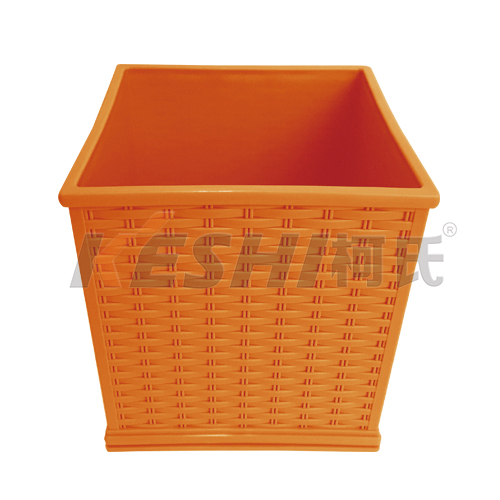
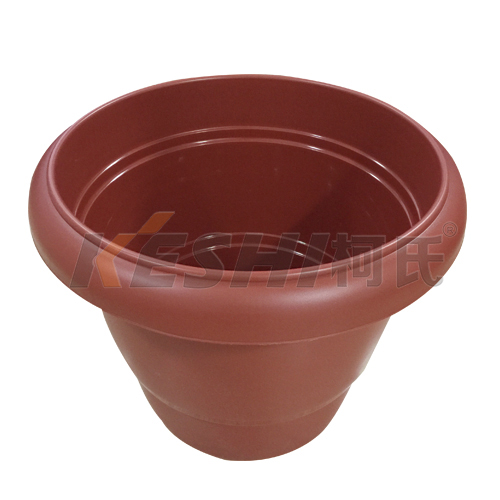
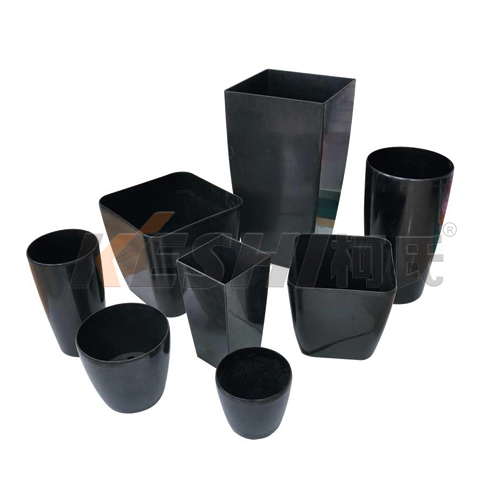
Plastic Flower Pot Mould Manufacturer
Introducing our Plastic Flower Pot Mould, where innovation meets functionality in the gardening world. Crafted with precision and designed for durability, our moulds are the epitome of quality in the realm of plastic flower pot production.
Embrace the artistry of gardening with our meticulously crafted moulds, engineered to bring your floral visions to life. Whether you're a seasoned horticulturist or a budding enthusiast, our moulds provide the professional canvas for your botanical creations.
What sets our Plastic Flower Pot Mould apart is not just its impeccable craftsmanship, but also its versatility. From sleek modern designs to timeless classics, our moulds cater to a wide range of styles and preferences, ensuring there's something for every garden aesthetic.
But it's not just about aesthetics; it's about functionality too. Our moulds are designed to withstand the rigors of outdoor use, made from high-quality materials that are weather-resistant and long-lasting. Say goodbye to brittle pots and hello to pots that stand the test of time.
Moreover, our moulds offer unparalleled ease of use, allowing for seamless molding and hassle-free pot production. Whether you're a small-scale hobbyist or a large-scale manufacturer, our moulds streamline the production process, saving you time and effort.
Investing in our Plastic Flower Pot Mould is not just a purchase; it's an investment in the beauty and sustainability of your garden. With our moulds, you can cultivate your green oasis with confidence, knowing that each pot is crafted with care and built to last.
So why wait? Elevate your gardening experience with our Plastic Flower Pot Mould and let your creativity blossom like never before. Join the countless satisfied customers who have made their gardens flourish with our premium moulds. Discover the difference quality makes and transform your garden into a masterpiece today.



ABOUT US
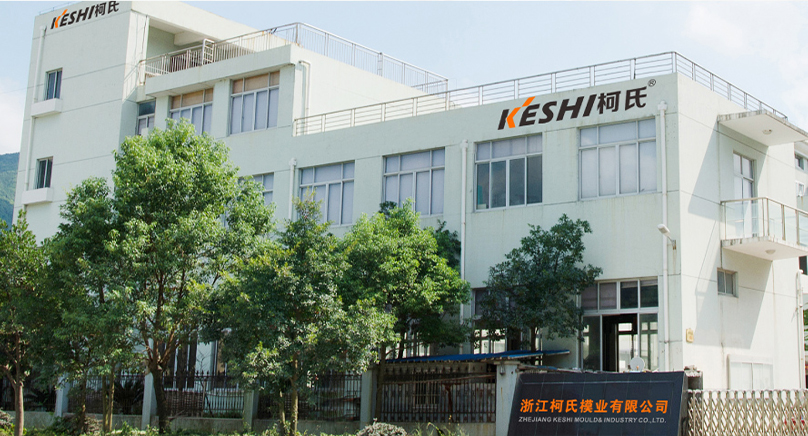
Zhejiang Keshi Mould & Industry Co., Ltd.
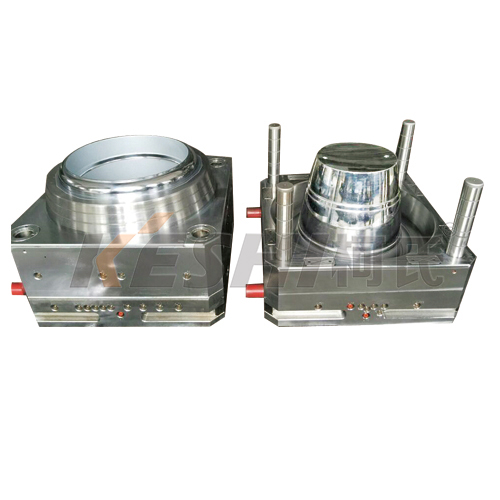
Zhejiang Keshi Mould & Industry Co., Ltd. is a Custom Plastic Flower Pot Mould Manufacturer and China OEM/ODM Plastic Flower Pot Mould Factory, We produce, manufacture, and sell Household Plastic Mould, Package Mould, Furniture Mould, Logistics Mould and Pipe Fitting Mould, etc.
We have complete mould-building facilities furnished with the latest modelling software: UG, CAD/CAM, PROE, SOLIDWORKS, and advanced processing equipment to ensure high-quality mould. We aim to meet and exceed our customers’ expectations through design, competitive prices, fast delivery, and after-sales service.
News
-
Leading the Way in Custom Mold Production A Mold Manufacturer Supplier plays an essential role in industries ranging from automotive and electronics to consumer...
READ MORE -
The Role of Plastic Injection Molds in Modern Production A Plastic Injection Mold plays a critical role in the manufacturing of plastic products across various ...
READ MORE -
From Granules to Garden Chairs Every plastic chair, table, and storage unit begins as tiny granules inside massive molding machines. A plastic furniture mold tr...
READ MORE -
What Makes Logistics Moulds Different Every warehouse stacked with pallets, every shipment secured in plastic crates, and every distribution center organized wi...
READ MORE -
Where Kitchen Containers Begin Open any kitchen cabinet and find storage containers in every shape and size. Each one started as liquid plastic inside a househo...
READ MORE -
What Actually Happens Inside a Mold Look around any room and count plastic items. Phones, remotes, water bottles, toys, containers. Every single one began as li...
READ MORE -
How Do Plastic Package Molds Improve Manufacturing A Plastic Package Mold is essential for producing consistent, high-quality packaging products used in food, c...
READ MORE -
How Do Pipe Fitting Molds Enhance Manufacturing Efficiency A Pipe Fitting Mold is a key tool in producing high-quality pipe connectors for plumbing, irrigation,...
READ MORE -
How Do Logistics Moulds Improve Supply Chain Efficiency Efficient packaging and storage are critical in modern supply chains, and a Logistics Mould provides con...
READ MORE -
How Do Household Plastic Molds Improve Manufacturing Efficiency A Household Plastic Mold plays a vital role in producing consistent, high-quality household prod...
READ MORE -
Thin wall molding is a specialized injection molding process used to manufacture plastic parts with relatively thin wall sections while maintaining structural i...
READ MORE -
How does the Chemical and Impact Resistance of Paint Bucket Molds Affect Their Performance? In the production of paint buckets, the material properties and resi...
READ MORE
We Have Rich Industry Experience, Strong Technical Strength,
And a Technical Team. Can Provide One-stop Solutions Based On Customer Needs.

-
2018
Was founded in
-
10+
Industry experience
-
xxx
Patent Certificate
-
xx+
Automatic production line
Honor

Leaving a Message
If you would like to learn more about our products, please feel free to contact us and we will do our to assist you.
Industry Knowledge Extension
How is the Plastic Flower Pot Mould used?
The use of a plastic flower pot mould follows a standardized injection moulding cycle, transforming plastic resin into a finished container. The process is systematic and repeatable.
- Preparation and Clamping: Plastic material, typically polypropylene (PP) or polyethylene (PE), is fed into the moulding machine's barrel in granular form. The two halves of the mould—the stationary cavity side and the movable core side—are securely closed and clamped together under high pressure by the machine.
- Injection and Filling: The plastic granules are heated until they become a molten, viscous fluid. This melt is then injected under significant pressure through the machine's nozzle and into the mould's runner system, which channels it into the pot-shaped cavity.
- Cooling and Solidification: Once the cavity is filled, the molten plastic is held under pressure to compensate for material shrinkage as it begins to cool. The mould's internal cooling channels circulate water to extract heat, solidifying the plastic into the exact shape of the pot, including details like ribs, drainage holes, and texturing.
- Ejection and Removal: After a predetermined cooling time, the mould opens. Ejector pins, built into the mould, extend to push the now-solid flower pot off the core and out of the cavity. The pot is then removed, either manually or by a robotic arm, and the runner system (the solidified plastic in the channels) is typically separated for recycling.
- Post-Processing and Finishing: The ejected pot may undergo secondary operations, such as trimming any minor flash from the parting line or drainage holes. It is then packed for distribution, ready for nursery use or retail sale.
What are the common types of Planter Plastic Moulds?
Planter moulds are categorized by their production capacity and design complexity, which align with different market needs.
Single-Cavity Moulds:
This type features one impression of the pot per mould. It is used for lower-volume production, large or specialized pots, and during the prototyping phase. Its advantages include a lower initial cost and simpler design, offering flexibility for custom or niche products.
Multi-Cavity Moulds:
Designed for high-volume manufacturing, these moulds contain multiple identical cavities—often 4, 8, 16, or more—arranged within a single mould frame. They produce several pots with each machine cycle, output and improving per-unit cost efficiency for standard, high-demand pot sizes and styles.
Family Moulds:
A variation of the multi-cavity design, a family mould contains cavities for different but related pot sizes or styles within the same mould base. For instance, it might produce a 4-inch, a 6-inch, and a hanging basket component simultaneously. This is efficient for producing full sets but requires careful balancing to ensure each cavity fills properly.
Stack Moulds:
To further maximize output without increasing the machine's clamping area, stack moulds incorporate two layers of cavities that open and close in tandem. This innovative design can effectively double the number of parts produced per cycle, representing a significant investment for high-volume commodity pot production.
Why are Flower Pot Moulds widely used?
The extensive use of injection moulds for flower pot manufacturing is driven by a convergence of economic, practical, and material factors.
- Economic and Production Efficiency:
Injection moulding is a high-speed, automated process suitable for mass production. Once the mould is installed, cycle times are short, and labour costs per unit are low. The durability of steel moulds allows for the production of hundreds of thousands, or even millions, of pots from a single tool, distributing the initial mould cost over a vast quantity of items.
- Design Versatility and Functional Precision:
Moulds allow for the integration of complex functional features directly into the pot design. This includes consistent drainage holes, stacking ribs for nested storage and transport, textured surfaces for root aeration, and integrated saucers or hangers. The precision of the process ensures dimensional consistency, which is important for automated nursery filling and handling systems.
- Material Utilization and Properties:
The process is compatible with a range of durable, weather-resistant, and cost-effective thermoplastics. Material waste is minimal, as any sprues or runners can be reground and reused. The resulting pots are lightweight, reducing shipping costs, yet sufficiently robust for their intended purpose. They also offer design consistency in colour and finish, which is valued in retail settings.
- Adaptability to Market Needs:
The mould-based system allows manufacturers to respond to market trends with relative speed. While new moulds require significant lead time, the creation of different pot shapes, colours, and textures is achieved through mould design and material selection, enabling a diverse product range from a fundamentally consistent manufacturing process.
Copyright © 2023 Zhejiang Keshi Mould & Industry Co., Ltd. All Rights Reserved

OEM/ODM Plastic Flower Pot Mould Factory