EN
 English
 русский
 عربى
 中文简体

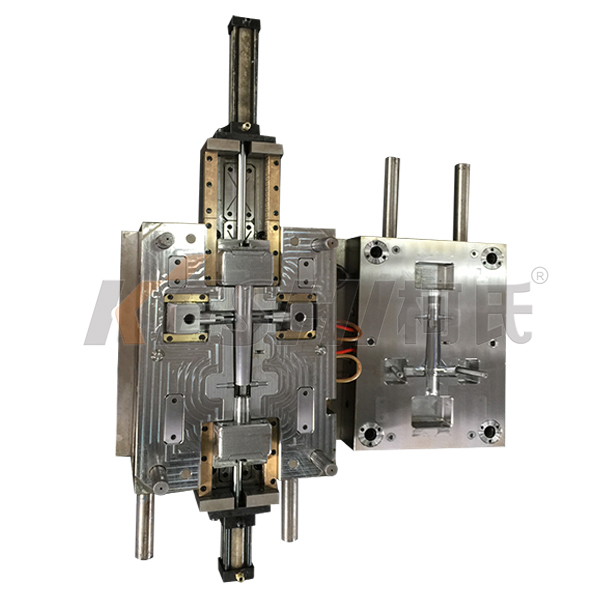
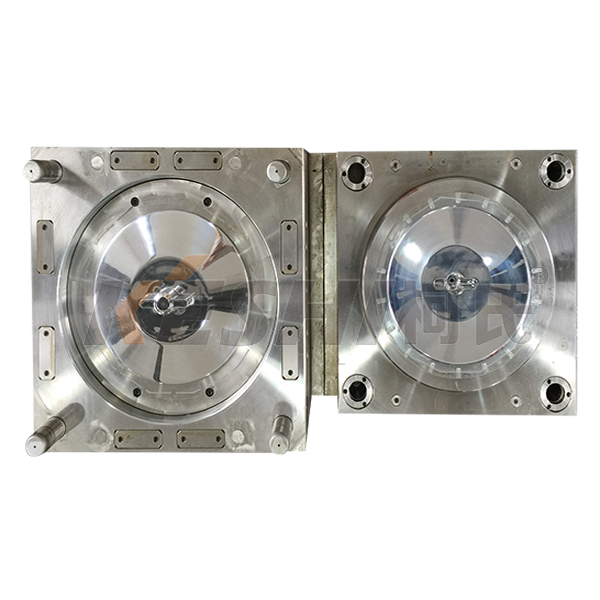
A kitchen ware mould is the steel tool that forms the plastic bowl, the food container, the lid, the measuring cup, the strainer, and the cutlery tray. The parts are thin-walled, high-volume, and cost-sensitive, and the mould has to fill the cavity fast, cool it evenly, and eject the part without warping the rim. For the houseware brand and the plastic processor, the mould is the tool behind every product on the kitchen shelf.
The Wall Thickness and the Fill
Kitchen ware parts are usually thin-walled, often under a millimeter on the bowl and the container. The melt has to fill the cavity before the flow front freezes. The gate and the runner are sized for the fast fill, and the injection pressure is high.
A kitchen ware mould that fills the thin section completely produces the part that seals and stacks. A short shot leaves the part with a thin spot that cracks in the dishwasher.
The Rim Is the Sealing Surface
The bowl and the container have a rim that takes the lid or the film. The rim has to be flat and round, and the mould has to hold the tolerance across the full circumference. A rim that is out of round leaks.
The kitchen ware mould with the properly machined rim and the maintained parting line produces the part that seals. A worn parting line leaves the flash on the rim, and the flash lifts the lid.
The Core Cooling
The core forms the inside of the bowl or the container, and it sits in the middle of the part with the heat trapped. The cavity side cools easily through the drilled channels. The core needs the bubbler or the spiral baffle to pull the heat from the center.
The kitchen ware mould with the properly cooled core hits the cycle time and produces the part that releases without the warp.
The Material and the Shrinkage
Kitchen ware runs on polypropylene, the food-grade PP, or the Tritan for the clear parts. The PP shrinks at a predictable rate, and the mould is cut larger than the finished part by that factor. The Tritan shrinks differently and needs the different cavity dimensions.
The kitchen ware mould designed for the specific resin produces the part at the right size. The mould cut for the wrong shrinkage produces the lid that does not fit the container.
The Multi-Cavity and the Family Mould
The kitchen ware runs in the family moulds, where the bowl, the lid, and the small insert are all formed in one tool. The family mould has to balance the fill across the different cavity sizes. The kitchen ware mould with the balanced runner fills the large and the small cavity in the same cycle.
What the factory has to deliver:
- Thin wall cavity that fills before the melt freezes
- Rim machined flat and round for the seal
- Core cooling with the bubbler or the spiral baffle
- Shrinkage allowance for the specific resin
- Balanced runner for the family mould
- Ejection that does not deform the part
Where the Mould Goes
The food container, the storage bowl, the measuring cup, the strainer, the cutlery tray. Each one runs on its own mould or the family mould, and the mould that hits the cycle time makes the part affordable.
When the Part Fails
The rim is out of round and the lid leaks. The part warps because the core cooling was uneven. The part sticks because the draft was too small. The short shot leaves the thin spot that cracks. Each one traces back to the mould design, not the press operator.