EN
 English
 русский
 عربى
 中文简体

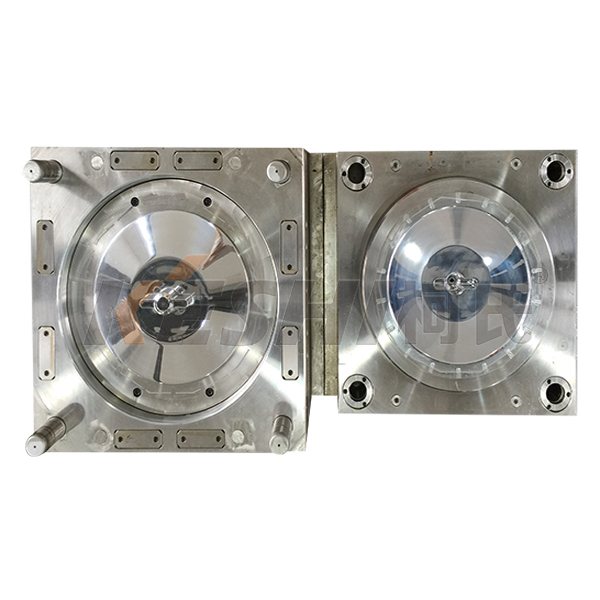
A baby bottle, a pacifier, a feeding spoon, a teething ring. These parts go into a baby's mouth. They get sterilized in boiling water. They get dropped on the tile floor and chewed at the same time. A baby use mould produces these components to the safety standard the market requires. The cavity is polished to the mirror finish. The steel resists the corrosion from the repeated steam sterilization. The gate is placed so that no sharp edge or burr touches the baby's skin or mouth.
The Cavity Finish Is the Safety Feature
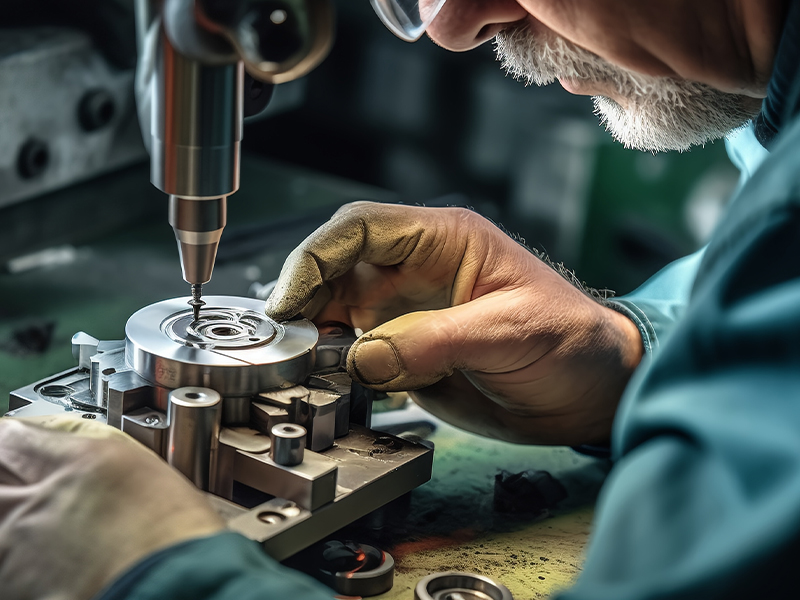
A sharp edge on a plastic part is an annoyance on a household item. On a baby product, it is a hazard. A baby use mould with the cavity polished to the SPI A1 or the A2 finish produces the parts with no burrs, no flash, and no sharp parting line witness marks. The surface finish inside the cavity transfers directly to the molded part.
The parting line is the safety decision, not just the mold design choice. A baby use mould with the parting line positioned away from where the baby's mouth or skin contacts the part eliminates the risk of the raised seam. The parting surfaces are ground flat and matched precisely.
The Materials That Survive the Sterilization
The baby products get sterilized. The boiling water, the steam sterilizer, the microwave sterilizer bag. The plastic has to handle the heat without the warping or the leaching. A baby use mould designed for the high-temperature resins, the PPSU, the PES, or the medical-grade polypropylene, processes the materials that flow at the higher temperatures.
The mould steel resists the corrosion from the aggressive cleaning cycles between the production runs. A baby use mould built from the stainless tool steel, typically the 420 or the similar grade, handles the humid environment of the medical and the baby product molding.
The Gate and the Part Handling
The gate is where the molten plastic enters the cavity. A baby use mould with the gate positioned on the non-functional, non-contact surface keeps the vestige away from the baby. The pin gate or the sub gate leaves the small, clean vestige. The hot runner system eliminates the cold runner and the material waste.
The ejection releases the solidified part. A baby use mould with the ejector pins on the ribs and the bosses, not on the contact areas, keeps the pin marks off the surfaces the baby touches.
Here is what a baby use mould has to deliver:
- Cavity finish of the SPI A1 or the A2 with no sharp edges
- Parting line positioned away from the baby contact zones
- Stainless tool steel for the corrosion resistance
- Gate location on the non-contact surfaces
- Ejector pins on the ribs and the bosses only
- Conformal cooling for the high-temperature resins
Where the Moulds Go
The feeding products, the bottles, the nipples, the spoons, and the bowls, use the moulds that produce the parts safe for the repeated sterilization and the mouth contact. The teething and the soothing products, the pacifiers and the teething rings, use the moulds that hold the dimensions precisely. The medical-grade baby products, the medicine dispensers and the nasal aspirators, use the moulds built to the medical device tooling standard.
The Validation and the Cleanroom
The validation documentation accompanies the mould. The baby use mould supplier provides the material certifications, the surface finish measurement reports, and the dimensional inspection data. The baby product brands need this documentation for their regulatory files. The mould is designed for the cleanroom molding, with the sealed ejector boxes and the covered guide pillars.
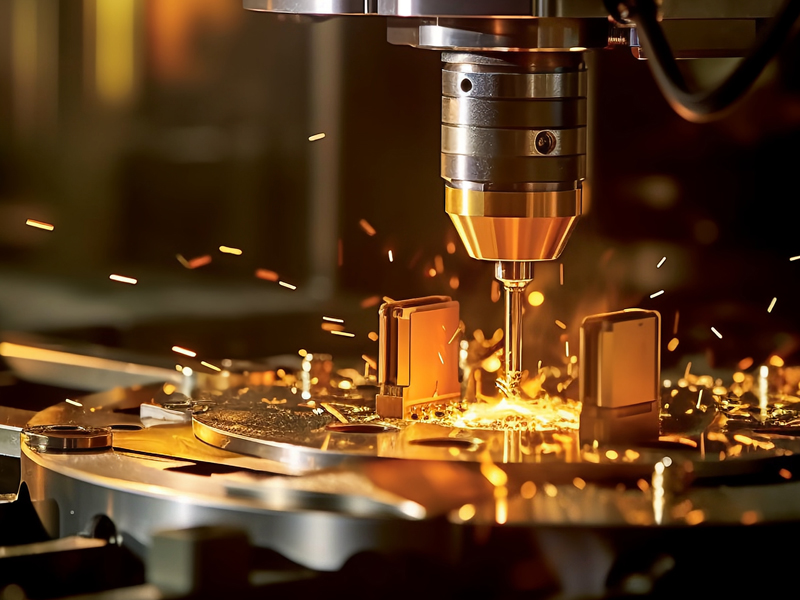
A baby use mould produces the plastic parts that go into the baby's mouth. The steel, the finish, and the gate decide the safety. Choose a manufacturer that builds for the medical and the baby product standard.