EN
 English
 русский
 عربى
 中文简体

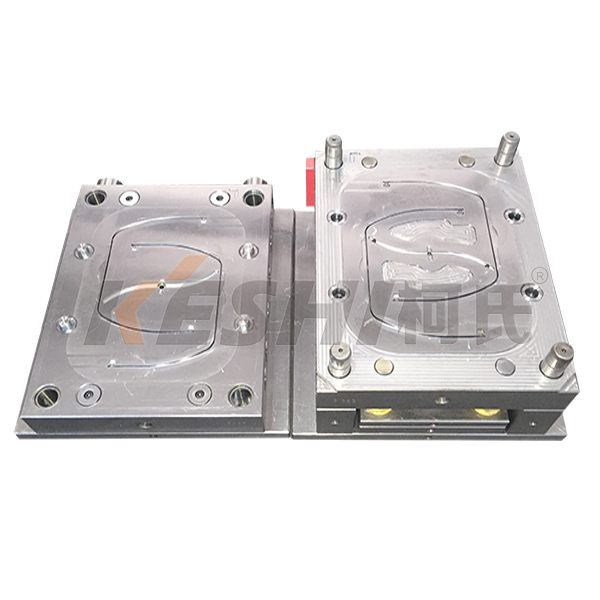
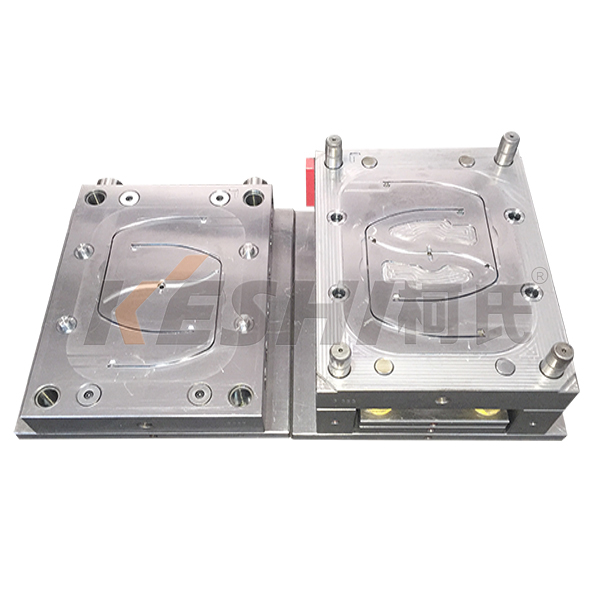
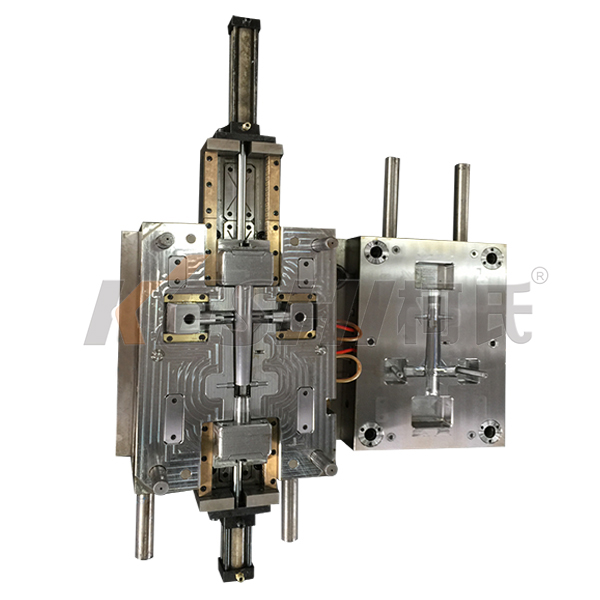
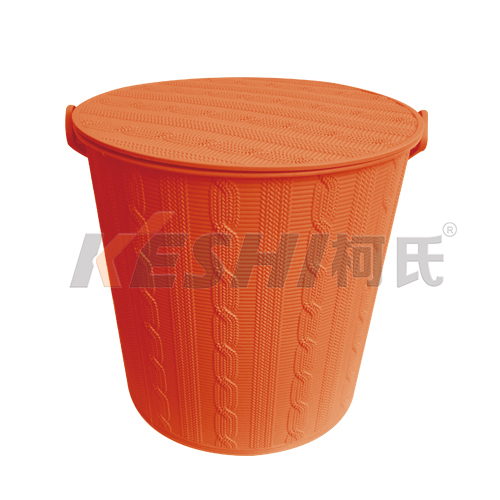
Plastic package mould companies produce molds for packaging products such as containers, caps, closures, and trays. The molds are used in injection molding and blow molding processes. They determine the shape, dimensions, and surface finish of the finished packaging. Manufacturers report steady demand from food, beverage, cosmetic, and industrial packaging markets.
The Mold Determines the Packaging Shape and Dimensions
The cavity shapes the container or cap
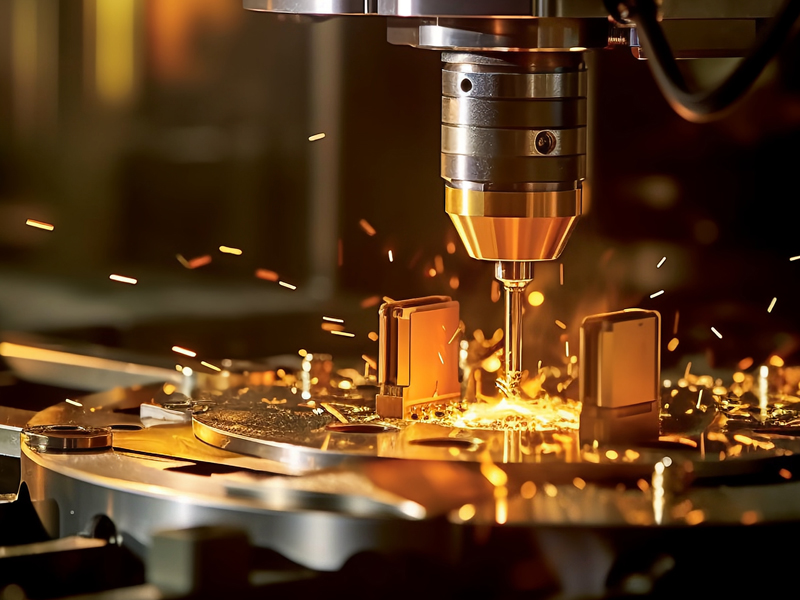
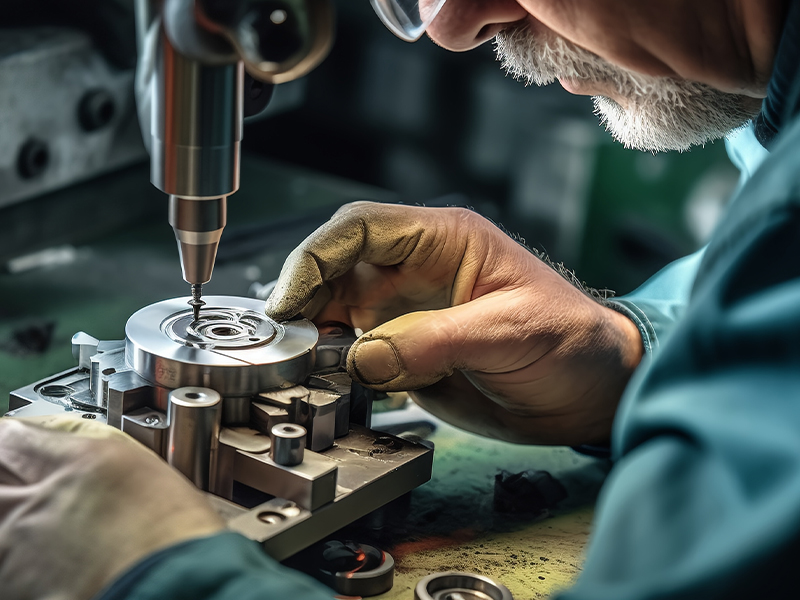
The mold cavity is machined to the product design. A plastic package mould company produces cavities that match the container or cap dimensions. The cavity surface is polished to the required finish.
The core forms the internal shape
The core creates the inside of the container. A plastic package mould company machines the core to match the internal volume and wall thickness.
The mold includes cooling channels and ejection systems
Cooling channels remove heat from the mold. A plastic package mould company designs the cooling system to less cycle time. Ejection pins push the finished part out of the mold.
- Common specs for plastic package molds:
- Material: hardened steel, pre-hardened steel
- Cavity count: 1 to 64
- Molding type: injection, blow
- Cooling: water channels
- Ejection: pins, sleeves, stripper plates
- Surface finish: polished, textured
Food, Beverage, and Cosmetic Markets Drive Demand
Food packaging needs molds for containers and trays
Food containers need specific shapes and sealing surfaces. A plastic package mould company supplies molds for containers, lids, and trays.
Beverage packaging needs molds for caps and closures
Bottle caps and closures require precise threading. A plastic package mould company produces molds for caps and closures.
Cosmetic packaging needs molds for jars and compacts
Cosmetic packaging requires high-quality surface finishes. A plastic package mould company supplies molds for jars, compacts, and applicators.
Industrial packaging needs molds for crates and pallets
Industrial packaging requires durable products. A plastic package mould company produces molds for crates, pallets, and bins.
Buyers Focus on Steel Quality, Cavity Count, and Cooling
Steel quality determines mold life
Hardened steel lasts longer. A plastic package mould company recommends steel based on production volume.
Cavity count affects production efficiency
More cavities mean more parts per cycle. A plastic package mould company offers different cavity counts.
Cooling design affects cycle time
Efficient cooling reduces cycle time. A plastic package mould company designs cooling channels for uniform heat removal.
Ejection system must match the product shape
Different products need different ejection methods. A plastic package mould company designs the ejection system for the product.
Surface finish affects product appearance
High-gloss finishes require polished molds. A plastic package mould company offers different surface finishes.
Plastic Package Moulds Support Production Efficiency
The mold produces consistent parts
All cavities produce the same dimensions. A plastic package mould company machines all cavities to the same specification.
The mold is designed for fast cycle times
Efficient cooling and ejection reduce cycle time. A plastic package mould company designs molds for productivity.
The mold is built to last
Hardened steel and proper maintenance extend mold life. A plastic package mould company produces molds that run for millions of cycles.
Plastic package mould companies are responding to steady demand from food, beverage, cosmetic, and industrial packaging markets. Buyers prioritize steel quality, cavity count, and cooling design. Plastic package mould companies continue to offer different materials, cavity counts, and surface finishes to meet the needs of different packaging applications.