EN
EN  English
 русский
 عربى
عربى 中文简体
中文简体
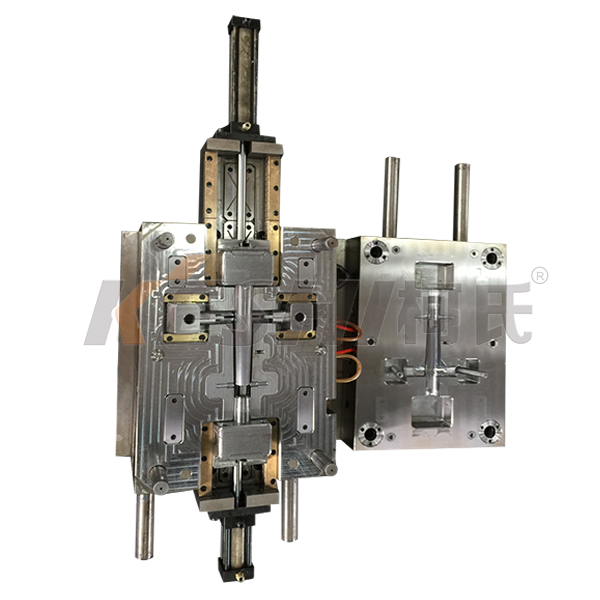
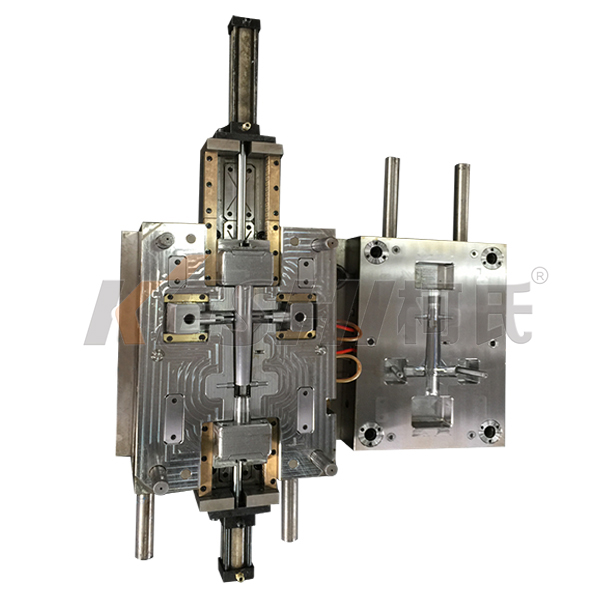
Baby use moulds are molds designed to produce baby products such as bottle nipples, pacifiers, teethers, and feeding accessories. The molds are made from materials that meet food-contact and child-safety standards. Manufacturers report steady demand from baby product brands and contract manufacturers.
The Mold Produces Child-Safe Products
The mold cavity shapes the product
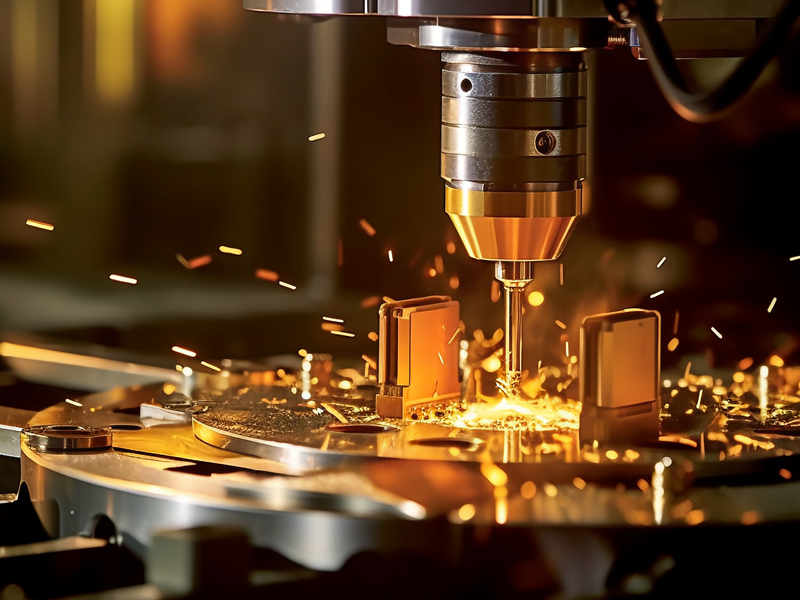
The mold cavity determines the shape of the finished product. A baby use mould manufacturer machines the cavity to match the product design. The cavity surface is polished to a smooth finish so the product comes out clean.
The mold material meets food-contact standards
Baby products go in the mouth. A baby use mould manufacturer uses stainless steel or other materials that meet FDA and LFGB standards. The mold doesn't leach chemicals into the product.
The mold is designed for liquid silicone or rubber
Baby products are often made from silicone. A baby use mould manufacturer designs the mold for liquid silicone injection or compression molding. The mold handles the temperature and pressure of the process.
Common specs for baby use moulds:
- Material: stainless steel, aluminum
- Cavity finish: polished
- Molding type: liquid silicone injection, compression
- Cavity count: 1 to 16
- Temperature range: up to 200°C
- Standards: FDA, LFGB
Baby Product Brands and Contract Manufacturers Drive Demand
Baby bottle brands need nipple molds
Bottle nipples are molded from silicone. A baby use mould manufacturer supplies molds that produce nipples with consistent shape and wall thickness.
Pacifier brands need pacifier molds
Pacifiers have complex shapes. A baby use mould manufacturer produces molds that form the shield, button, and nipple in one piece.
Teether brands need teether molds
Teethers come in many shapes. A baby use mould manufacturer provides molds for animal shapes, rings, and textured surfaces.
Feeding accessory brands need spoon and bowl molds
Spoons and bowls are molded from silicone. A baby use mould manufacturer supplies molds for these products.
Buyers Focus on Material Safety, Cavity Finish, and Durability
Material safety is the primary requirement
The mold must not contaminate the product. A baby use mould manufacturer uses materials that meet food-contact standards.
Cavity finish affects product surface
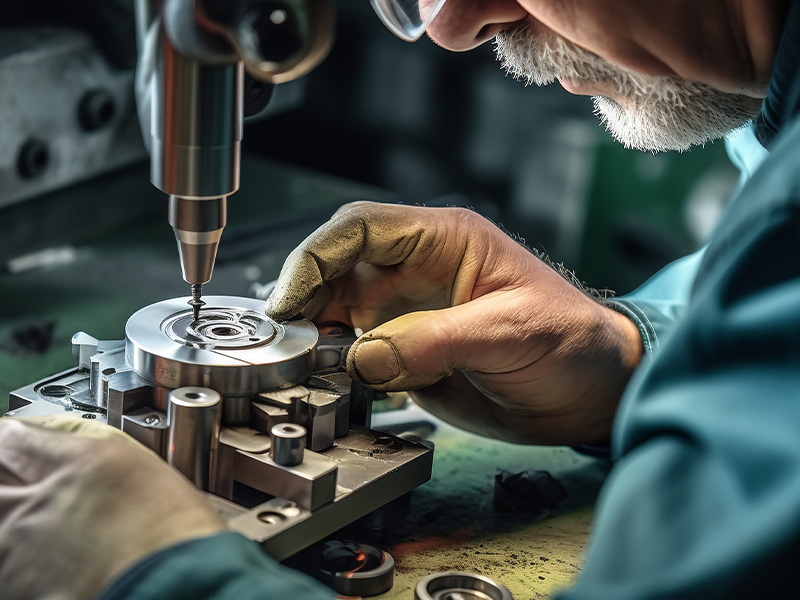
Smooth cavities produce smooth products. A baby use mould manufacturer polishes the cavity to the specified finish.
Durability must handle production volume
The mold must last. A baby use mould manufacturer uses hardened materials that withstand repeated cycles.
Cavity count affects production efficiency
More cavities mean more parts per cycle. A baby use mould manufacturer offers different cavity counts.
Temperature control affects cycle time
Uniform temperature reduces cycle time. A baby use mould manufacturer designs cooling channels for efficient heat removal.
Baby Use Molds Support Safety and Quality
The mold produces consistent products
Each cavity produces the same shape. A baby use mould manufacturer machines all cavities to the same dimensions.
The mold is designed for easy cleaning
Baby products require clean molds. A baby use mould manufacturer designs the mold for easy disassembly and cleaning.
The mold meets regulatory requirements
Baby products are regulated. A baby use mould manufacturer provides documentation for FDA and LFGB compliance.
Baby use moulds are used by baby product brands and contract manufacturers. Buyers prioritize material safety, cavity finish, and durability. Baby use mould manufacturers continue to offer different cavity counts, materials, and molding types to meet the needs of the baby product industry.