EN
EN  English
 русский
 عربى
عربى 中文简体
中文简体
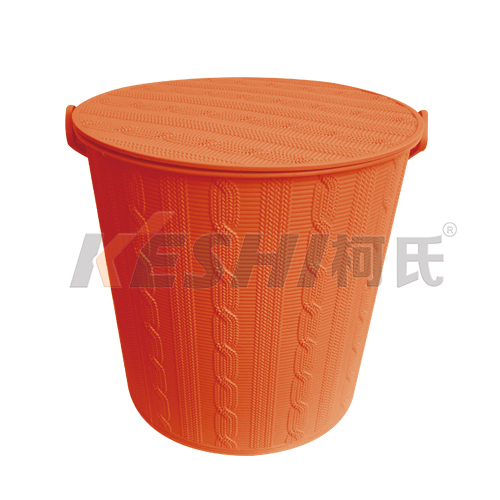
A plastic dustbin sits in kitchens, offices, streets, and parks. It gets kicked, shoved, and filled with whatever people throw at it. It has to be cheap enough to produce by the thousands and tough enough to survive years of abuse. The mould that makes it is a large-format injection tool that fills, cools, and ejects a complete bin in under a minute. A daily use dustbin mould factory builds these tools for municipal suppliers, home goods brands, and institutional buyers. The mould is not a simple box. The taper, the ribs, the rim, and the base all have to be right.
The Taper That Lets the Bin Release
A dustbin is not a straight cylinder. It tapers from a wider rim to a narrower base. The taper lets the bin slide off the core when the mould opens. Too little taper and the bin sticks. Too much and the bin loses stability, wobbling on its base. A daily use dustbin mould with a proper taper releases cleanly while keeping the bin steady.
The rim is the strongest part. It carries the lid, absorbs the impact of being dropped, and gives the user a grip point. A daily use dustbin mould designs the rim with a thick cross-section and smooth curves. A rim that fills completely without sink marks shows proper gating and cooling.
The base has a slight recess or a step so the bin sits flat without rocking. A daily use dustbin mould machines the base geometry so the finished bin rests on its outer edge, not on a single high spot.
The Ribs That Give It Strength
A thin-walled bin flexes. Add ribs and it holds its shape. The ribs run vertically along the body, stiffening the walls without adding much material. A daily use dustbin mould cuts the rib cavities into the core. The rib depth and spacing determine the stiffness.
Too few ribs and the bin flexes when lifted full. Too many ribs make the mould complex and slow the cycle. A daily use dustbin mould balances the rib layout for stiffness without trapping air or causing fill problems.
The gate position feeds the melt into the base or the rim. A center gate in the base fills the body evenly. The melt flows up the walls and fills the rim. A daily use dustbin mould with a hot runner and a valve gate keeps the gate vestige small and clean.
Here is what a daily use dustbin mould needs to deliver:
- Proper taper for clean release and stable standing
- Reinforced rim that fills without sink marks
- Vertical ribs for wall stiffness
- Hot runner with center gate
- Cooling channels in core and cavity
- Ejection system that does not mark the visible surface
Cooling a Deep Part
The core extends deep into the mould. It forms the inside of the bin. The core holds heat. The cavity side also holds heat. The cooling system has to pull heat from both sides or the cycle slows.
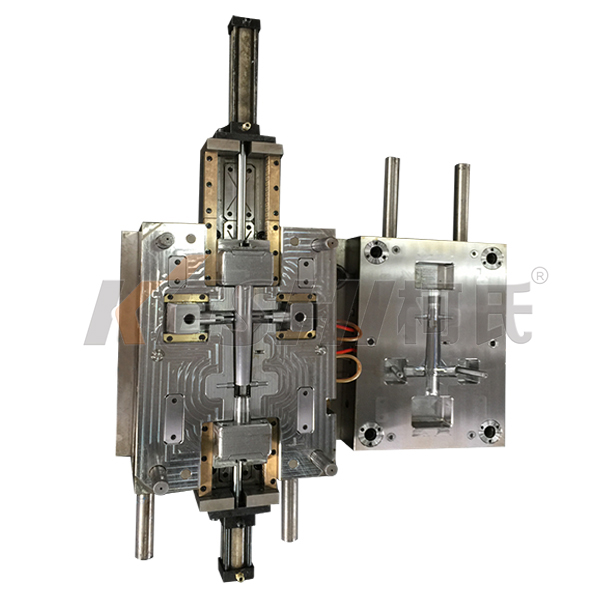
A daily use dustbin mould uses cooling channels bored through the core and cavity plates. For deep cores, a bubbler or spiral cooling circuit carries water deep inside the core. Conformal cooling channels follow the contour of the bin shape. A properly cooled mould runs a faster cycle and produces a bin with less internal stress.
The ejection system pushes the bin off the core. Ejector pins on the base and the rim push the part out. A daily use dustbin mould positions the pins on the outside edge of the base where the marks are not visible when the bin is standing.
The Bins These Moulds Produce
Kitchen bins, office bins, street litter bins, medical waste bins. The sizes range from 5 liters to 50 liters and more. A daily use dustbin mould factory builds tools for each size class. The material is usually polypropylene or HDPE. PP is rigid. HDPE is tougher and more impact-resistant. The mould dimensions account for the material shrinkage.
What Fails on a Dustbin Mould
The bin sticks on the core because the taper was too small or the surface finish too rough. A polished core and proper draft release the bin. The rim sinks because the gate froze before packing out the thick section. Proper gate size and holding pressure fill the rim. The bin warps because the cooling was uneven. Balanced cooling keeps the bin round and flat.
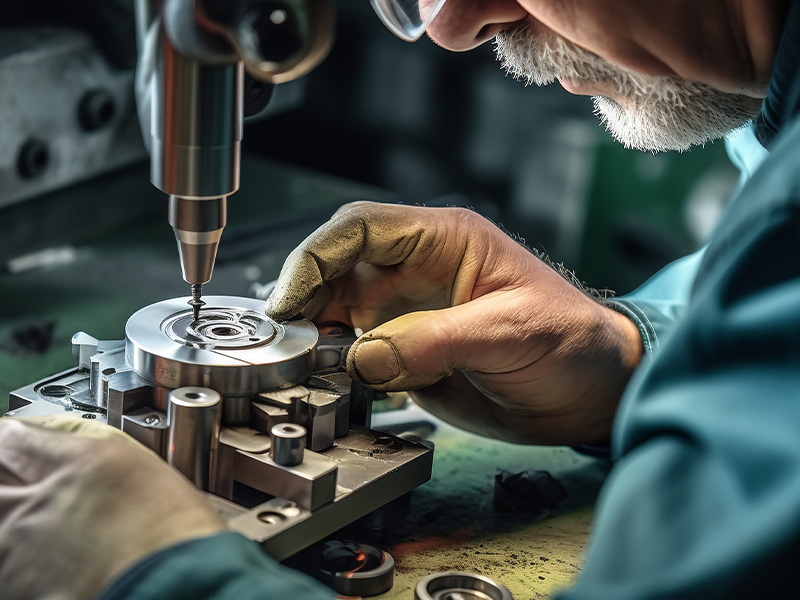
A daily use dustbin mould factory builds the tooling that makes the bin you throw trash into. The mould fills, cools, and ejects, every thirty seconds, every day. Choose a factory that gets the taper right, cools the core effectively, and builds the ribs for stiffness. The bins will stand steady and take the abuse. That is what they are for. That is what the mould has to produce.