EN
 English
 русский
 عربى
 中文简体

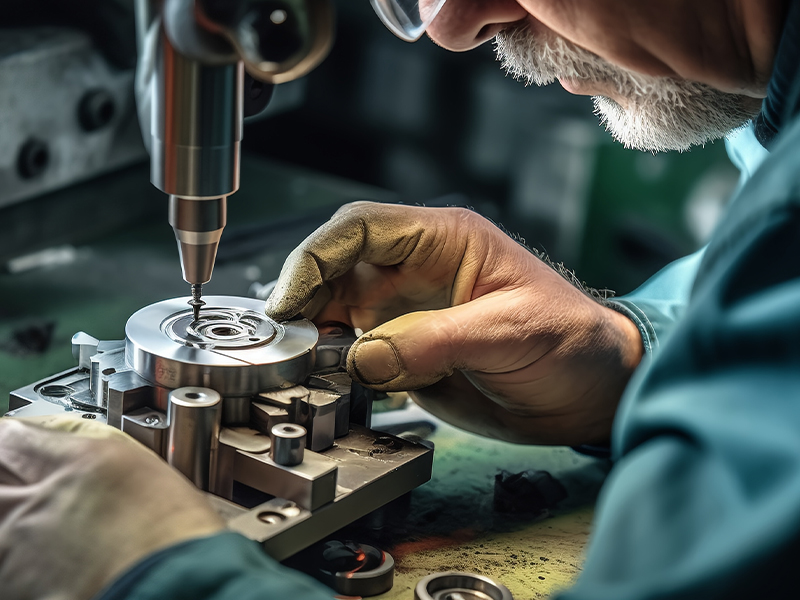
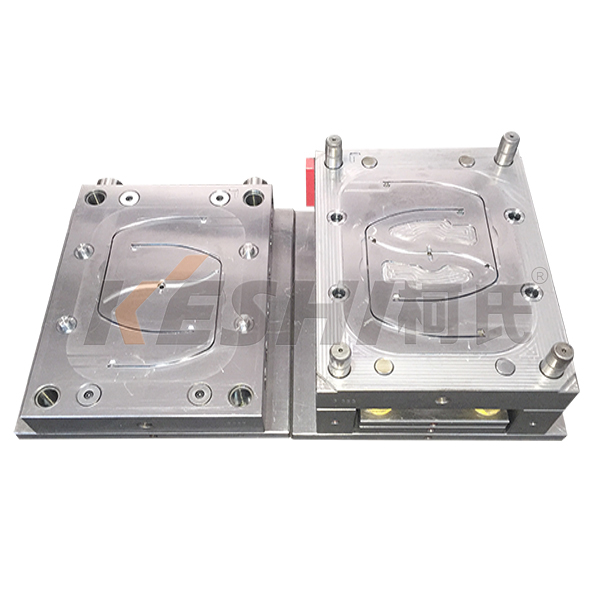
A package is invisible until it fails. The tub that cracks in the freezer. The lid that will not snap. The tray that warps in the oven. When the package works, nobody notices. A plastic package mould company builds the tooling behind that invisibility. The molds are thin-walled, high-cavity, and built for the cycle time that keeps the package cheap. The package costs cents. The mold behind it is the reason the cents work.
A Penny of Plastic, a Million Cycles of Steel
The brand does not want to spend on the package. The package has to do its job and cost as little as possible. That single fact drives everything in the mold design. The wall is thin. The cycle is fast. The material is the cheap that will hold.
The mold runs in a high-cavity configuration. 16, 32, 64 cavities. More cavities, lower piece price. A plastic package mould company that balances the cavitation against the press size and the cooling capacity delivers the mold that hits the target cost.
The Rim Is Where the Package Seals
The rim is the sealing surface. The film seals to it, or the lid snaps over it. The rim has to be flat and smooth, or the seal leaks and the product spoils. A plastic package mould company that machines the rim to a tight tolerance produces the package that seals.
The rim is also where the flash shows. A worn parting line leaves a thin fin of plastic on the rim. The fin lifts the film and the seal fails. A plastic package mould company that maintains the parting line keeps the rim clean.
Two Molds, One Package
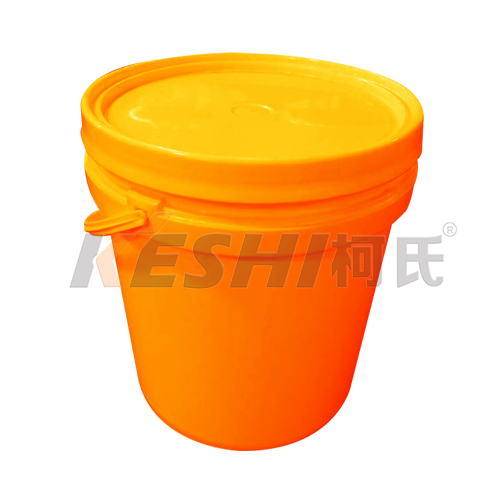
Most packages are two parts: the base and the lid. They are molded in two separate molds, often in two separate presses. The two molds have to fit together. The lid snaps onto the base, or the base nests into the lid. The tolerances between the two molds decide whether the package works.
A plastic package mould company that builds both the base and the lid controls the fit. A company that builds only one and hopes the other matches from another supplier is gambling.
The Hinge That Has to Flex a Thousand Times
The clamshell package has a living hinge, a thin strip of polypropylene that connects the two halves. The hinge has to be thin enough to flex and thick enough to survive repeated opening. The mold forms the hinge, and the hinge dimensions are set in steel.
A plastic package mould company that forms the hinge correctly produces the clamshell that opens and closes without breaking. The hinge thickness is measured in tenths of a millimeter, and the mold holds it.
Here is what a plastic package mould company needs to deliver:
- High-cavity mold for the volume
- Thin wall that fills fast
- Rim machined for the seal
- Base and lid molds that fit together
- Living hinge formed to the right thickness
- Cooling and ejection for the cycle time
The Food Packager, the Brand, and the Shipper
The food packager needs the tray, the tub, the lid. The package holds the food and seals it. The consumer brand needs the clamshell and the blister. The package sells the product on the shelf. The e-commerce seller needs the mailer and the insert. The package survives the shipping. Each one needs a mold, and each one needs it to run.
The Package That Fails in the Freezer
The tub cracks in the freezer because the wall was too thin or the material was wrong for the cold. The lid will not snap because the two molds were not matched. The tray warps in the oven because the cooling was uneven. Each failure traces back to the mold.
A plastic package mould company builds the tooling behind the package nobody thinks about. The thin wall, the seal rim, the living hinge. Choose a company that designs for the economics and builds for the volume. The package will protect the product and the cost will work. That is the job.