EN
EN  English
 русский
 عربى
عربى 中文简体
中文简体
A plastic chair, a stackable stool, a drawer unit, a table frame. These are furniture, but they are also molded parts. A plastic furniture mould manufacturer builds the tooling behind them. The molds are large, the cycles are long, and the parts have to be strong enough to sit on, light enough to move, and clean enough to look good in the room.
The Load Travels Down Through the Legs
A chair is not a simple shape. Seat, back, legs, ribs underneath. The weight goes from the seat down through the legs, and the legs take the side load when the chair is dragged and the impact when it is dropped. That path is where the mold design either works or fails.
A plastic furniture mould manufacturer that reinforces the leg roots and runs the rib structure down from the seat into the legs produces a chair that holds a person without flexing. The mold is designed around the load, not around the shape.
Where the Thick Meets the Thin
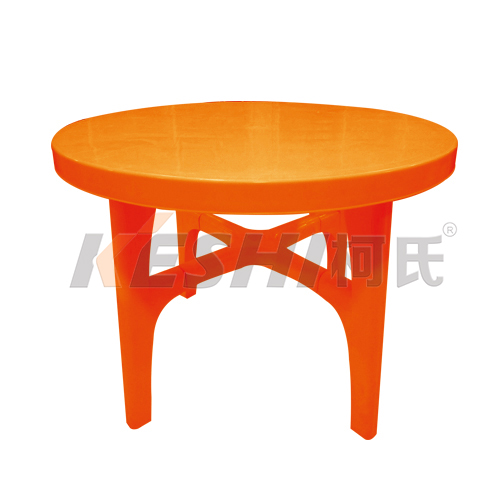
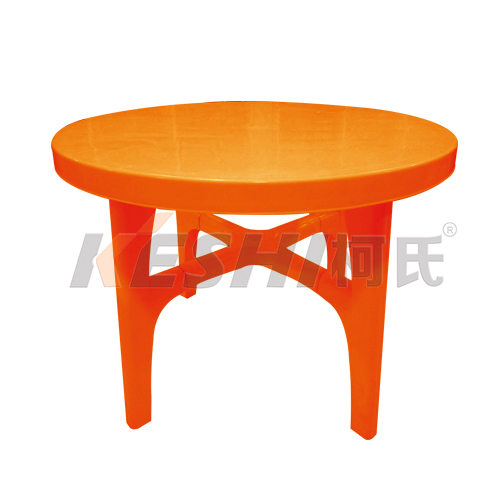
A table frame has thick sections at the corners and the leg joints, and thin sections across the apron. The thick sections hold heat. The thin sections cool fast. If the mold cools both at the same rate, the frame warps.
A plastic furniture mould manufacturer that places the cooling channels to target the thick corners and the thin spans separately produces the frame that comes out flat. This is the part of the mold design the buyer never sees, and it is the part that decides whether the table sits level.
The Drawer Has to Slide
A drawer unit is a box with runners and a front. The drawer has to open and close smoothly for years. The tolerance between the drawer and the cabinet is set in the mold. A plastic furniture mould manufacturer that holds that tolerance produces the unit that slides without sticking.
The front of the drawer is the visible surface. It has to be smooth and consistent from one unit to the next. The mold that forms it has to hold the finish across the production run.
Here is what a plastic furniture mould manufacturer needs to deliver:
- Rib structure designed around the load path
- Reinforced leg roots and stress points
- Cooling that handles thick and thin sections separately
- Tolerances held for the moving parts
- Material-specific shrink and finish
- Large-part handling and ejection
What the Material Decides
Plastic furniture runs on polypropylene or ABS. PP is tough and cheap. ABS is stiffer and takes a better finish. The resin sets the shrink rate, the cycle, and the surface. A plastic furniture mould manufacturer that designs for the specific resin produces the part at the right size and the right look.
A textured surface hides scratches. A polished surface looks premium. The mold has to deliver whichever the product calls for.
The Brand, the Processor, and the Contract Manufacturer
The furniture brand designs the chair and sources the mold. The plastic processor runs it on the large press with the long cycle. The contract manufacturer builds for several brands and needs the mold to change over quickly. Each one asks the same question: will the mold run without constant attention?
A plastic furniture mould manufacturer that designs for the press, the cycle, and the changeover keeps all three customers.
The Chair That Flexes
The chair flexes because the ribs were too few or the wall was too thin. The table warps because the cooling was uneven. The drawer sticks because the tolerance was not held. Each one traces back to a decision made in the mold design, long before the first part was shot.
A plastic furniture mould manufacturer builds the tooling behind the furniture. The chair, the table, the drawer unit. The mold forms the structure and the finish. Choose a manufacturer that designs for the load and the material. The furniture will hold the weight and look right in the room.