
 EN
EN  English
 русский
 عربى
عربى 中文简体
中文简体
Product Categories
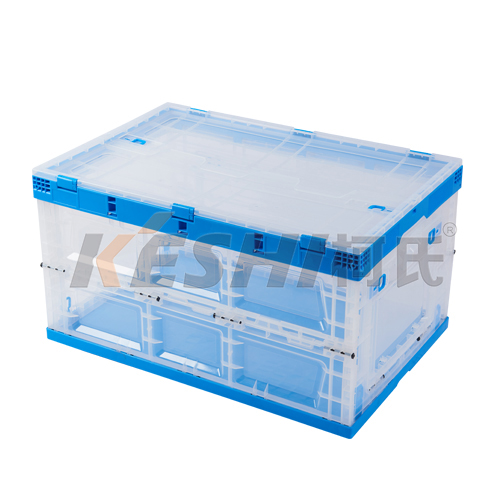
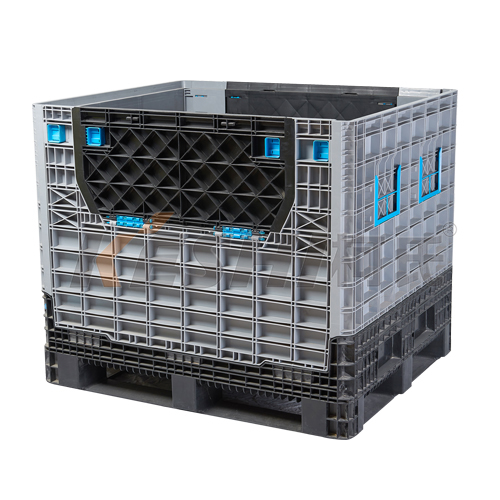
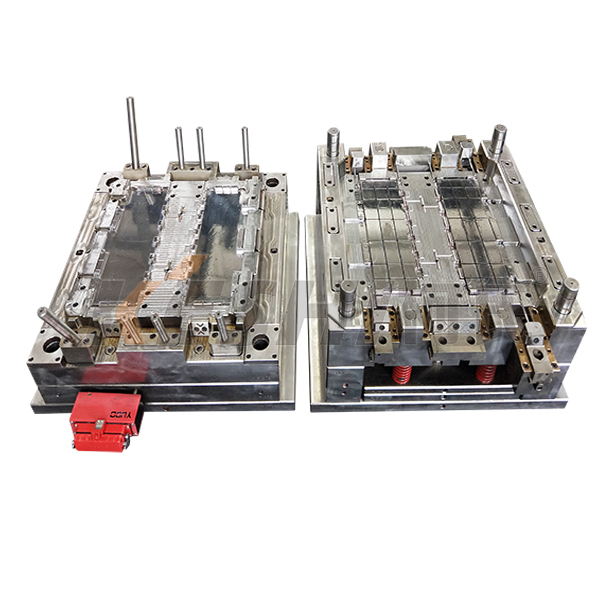
Keshi Mould
Contact Us
Which is a manufacturer & supplier of an extensive range of plastic moulds, Household Plastic Mould, Package Mould, Furniture Mould, Logistics Mould and Pipe Fitting Mould, etc.
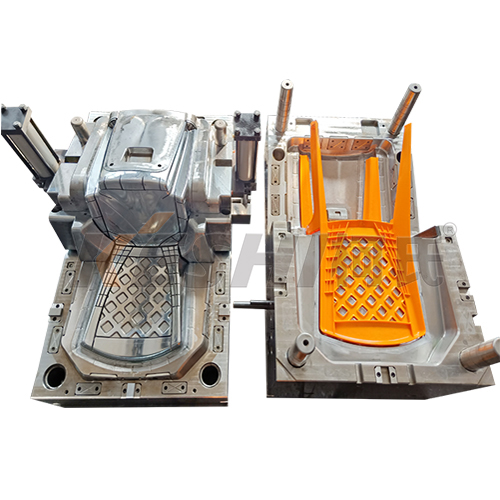
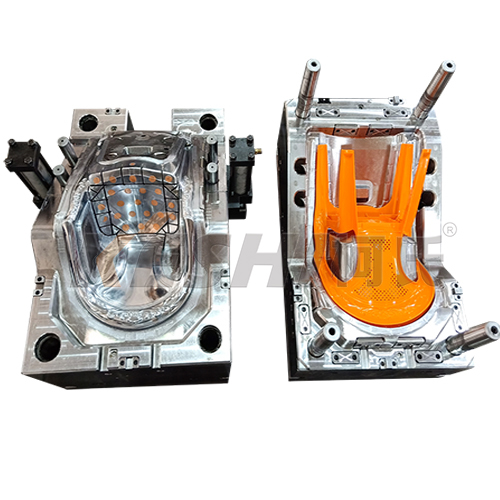
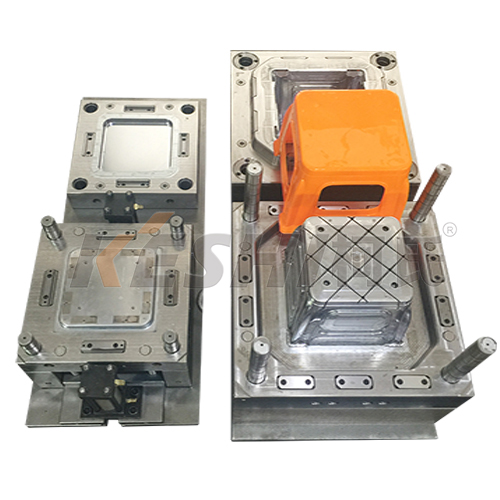
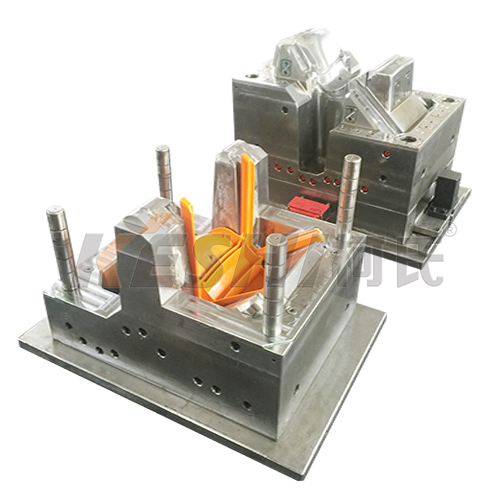
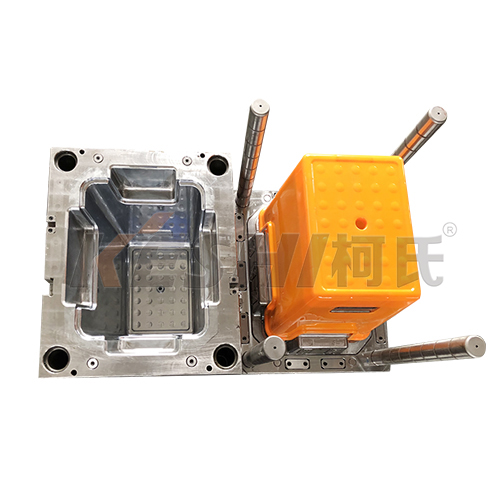
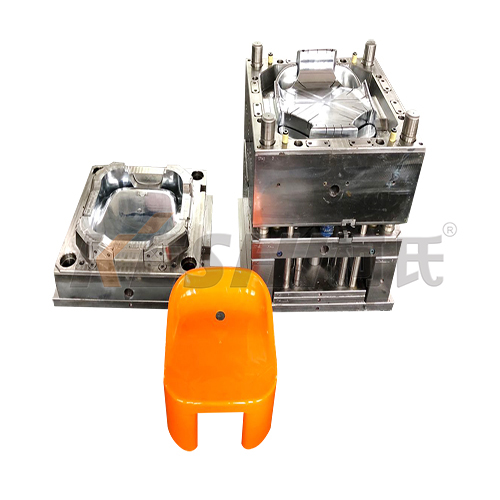
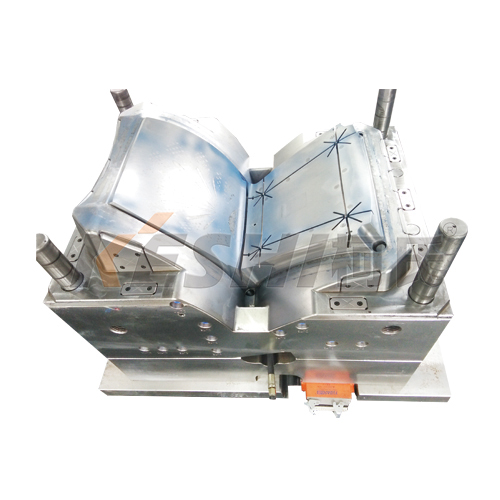
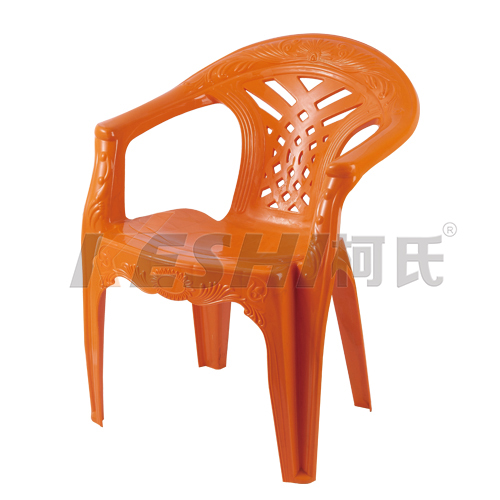
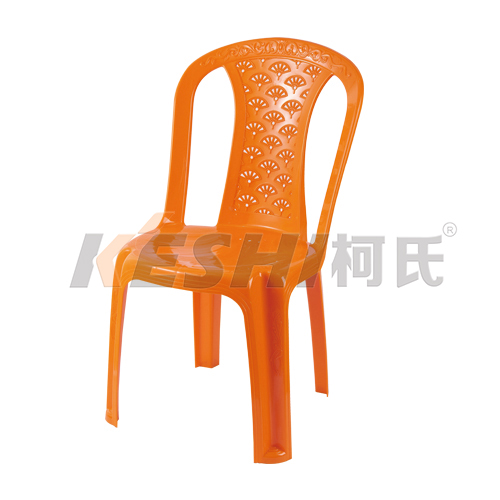
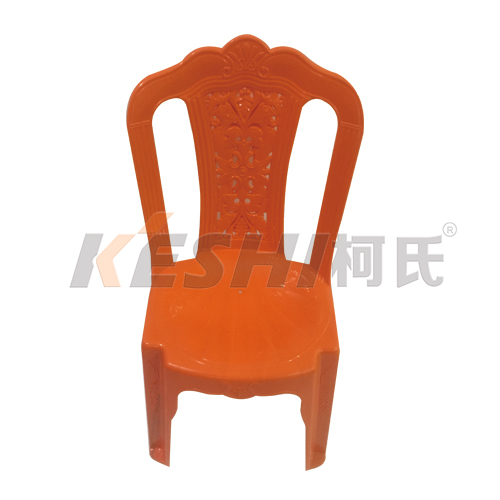
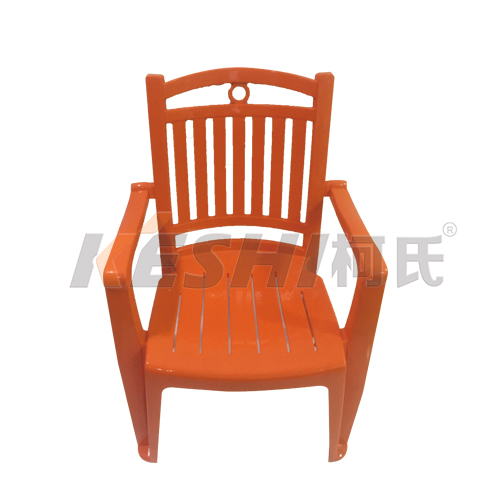
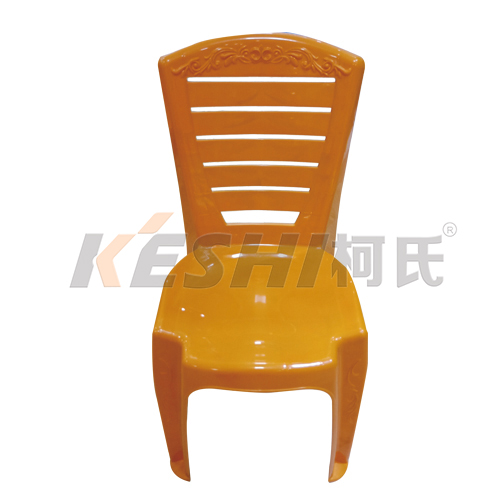
Plastic Chair Mould Manufacturer
We're known as one of the most professional mould manufacturer for plastic chair mould, plastic table mould, we have 15 years experience in making plastic injection mould. High mould quality standard and good service help us to be outstanding to highly competitive international market.
ABOUT US
Zhejiang Keshi Mould & Industry Co., Ltd.
Zhejiang Keshi Mould & Industry Co., Ltd. is a Custom Plastic Chair Mould Manufacturer and China OEM/ODM Plastic Chair Mould Factory, We produce, manufacture, and sell Household Plastic Mould, Package Mould, Furniture Mould, Logistics Mould and Pipe Fitting Mould, etc.
We have complete mould-building facilities furnished with the latest modelling software: UG, CAD/CAM, PROE, SOLIDWORKS, and advanced processing equipment to ensure high-quality mould. We aim to meet and exceed our customers’ expectations through design, competitive prices, fast delivery, and after-sales service.

News
-
A plastic dustbin sits in kitchens, offices, streets, and parks. It gets kicked, shoved, and filled with whatever people throw at it. It has to be cheap enough ...
READ MORE -
A plastic chair, a stackable stool, a drawer unit, a table frame. These are furniture, but they are also molded parts. A plastic furniture mould manufacturer bu...
READ MORE -
The handle cutout looks simple. Two holes in the sides for the hands. But the cutout is a stress point. The full crate is lifted by those two openings, and the ...
READ MORE -
A package is invisible until it fails. The tub that cracks in the freezer. The lid that will not snap. The tray that warps in the oven. When the package works, ...
READ MORE -
A laundry basket, a storage box, a clothes hanger, a food container, a dustpan. These are household plastic products. Each one was formed inside a steel mold. A...
READ MORE -
A plastic dustbin sits in kitchens, offices, streets, and parks. It gets kicked, shoved, and filled with whatever people throw at it. It has to be cheap enough ...
READ MORE -
A plastic pallet box holds hundreds of kilos of produce, industrial parts, or bulk liquid. Forklift tines slide under it. Empty containers nest together. A pall...
READ MORE -
A plastic crate carries bottles, bread trays, and produce from farm to store. It stacks, nests, and survives forklift impacts. A single crate mould produces one...
READ MORE -
A baby bottle, a pacifier, a feeding spoon, a teething ring. These are not just plastic parts. They go into a baby's mouth. They get sterilized in boiling water...
READ MORE -
Every plastic pallet, every stackable crate, every collapsible bulk bin starts in a mold. The part that ships on a truck was formed in a tool that was cut from ...
READ MORE -
A thinwall container mould produces lightweight plastic cups, bowls, and food trays that stack tightly and sell by the million. The mould arrives delivering thi...
READ MORE -
A daily use dustbin mould shapes the plastic bins that hold household waste—kitchen trash, bathroom bins, and office receptacles. The mould arrives producing pa...
READ MORE
We Have Rich Industry Experience, Strong Technical Strength,
And a Technical Team. Can Provide One-stop Solutions Based On Customer Needs.

-
2018
Was founded in
-
10+
Industry experience
-
xxx
Patent Certificate
-
xx+
Automatic production line
Honor
Leaving a Message
If you would like to learn more about our products, please feel free to contact us and we will do our to assist you.
Industry Knowledge Extension
Surface Treatment Processes of Plastic Chair Mold
Surface treatment of plastic chair molds is an essential step in ensuring product quality, extending mold life, and improving production efficiency. The choice of surface treatment depends on the mold material, the intended plastic material, and the expected production volume. Common surface treatment processes include polishing, nitriding, and coating, each serving a specific purpose in mold performance.
Polishing is one of the common surface treatments and is used to improve surface finish and reduce friction between the mold and the plastic part. A smooth surface helps prevent sticking, reduces wear on the mold, and improves the appearance of the final chair. Different polishing grades are used depending on the desired finish, ranging from coarse to fine.
Nitriding is a heat treatment process that increases surface hardness and improves wear resistance. It is often used for molds that experience high abrasion or repeated cycles. Nitriding can also help reduce deformation and extend the service life of the mold.
Coating processes such as PVD (physical vapor deposition) or DLC (diamond-like carbon) are used to enhance surface hardness, reduce friction, and improve corrosion resistance. These coatings can also help reduce maintenance frequency and improve mold performance in demanding production environments.
Mold surfaces may also undergo processes such as texturing, shot peening, and chrome plating depending on the product requirements. Proper surface treatment supports consistent part quality and can reduce issues such as sticking, flow marks, and surface defects during production.
Plastic Chair Mold Price: A Comparison of Thermosetting and Thermoplastic Materials
The price of a plastic chair mold is influenced by the choice of material, particularly whether the product is designed for thermosetting or thermoplastic production. Thermosetting materials, such as phenolic resin or polyurethane, undergo a chemical curing process and generally require molds that can withstand high pressure and heat. Thermosetting molds often need higher strength and more complex venting systems due to the chemical reaction during curing, which can increase mold cost.
Thermoplastic materials, including polypropylene (PP), polyethylene (PE), and ABS, are more commonly used for plastic chairs because they offer faster cycle times and easier processing. Thermoplastic molds are typically designed for repeated melting and solidification cycles, which means the mold material must resist wear and thermal fatigue. The cost of thermoplastic molds is often influenced by the required cavity number, surface finish, and mold steel selection.
Thermosetting molds may have higher initial costs due to the need for specialized materials and heat management systems. Thermoplastic molds can be more cost-effective for high-volume production because they support faster cycle times and may require less complex venting. However, the final price depends on specific design requirements, including part size, structural complexity, and production volume. When evaluating mold cost, manufacturers should consider not only the initial investment but also expected maintenance, cycle time, and product quality.
Chair Mold: A Comparative Analysis of Different Chair Mold Manufacturing Processes
Chair molds can be produced using several manufacturing processes, each with advantages and limitations depending on product requirements and production volume. The common processes include injection molding, compression molding, and rotational molding.
Injection molding is widely used for plastic chairs with detailed geometry and consistent dimensional accuracy. The process involves injecting molten plastic into a closed mold under high pressure. Injection molding supports high production rates and repeatable quality, but the mold design and manufacturing costs can be higher due to complex runner systems and cooling channel requirements. Injection molds are suitable for high-volume production where consistent surface finish and precision are required.
Compression molding is often used for thermosetting materials or for products that require thick walls and high structural strength. In compression molding, material is placed in an open mold cavity and then compressed under heat and pressure. This process is simpler in terms of mold design and can be more cost-effective for certain materials, but it generally has longer cycle times and lower dimensional precision compared to injection molding.
Rotational molding is used for hollow chair structures or large single-piece chairs. The process involves rotating a heated mold so that the plastic material coats the interior surface and forms a hollow part. Rotational molding allows for seamless construction and lower tool costs for large parts, but cycle times are longer and dimensional accuracy is lower compared to injection molding. The choice of manufacturing process depends on the desired chair design, material properties, production volume, and cost constraints.
Copyright © 2023 Zhejiang Keshi Mould & Industry Co., Ltd. All Rights Reserved

OEM/ODM Plastic Chair Mould Factory