
 EN
EN  English
 русский
 عربى
عربى 中文简体
中文简体
Product Categories
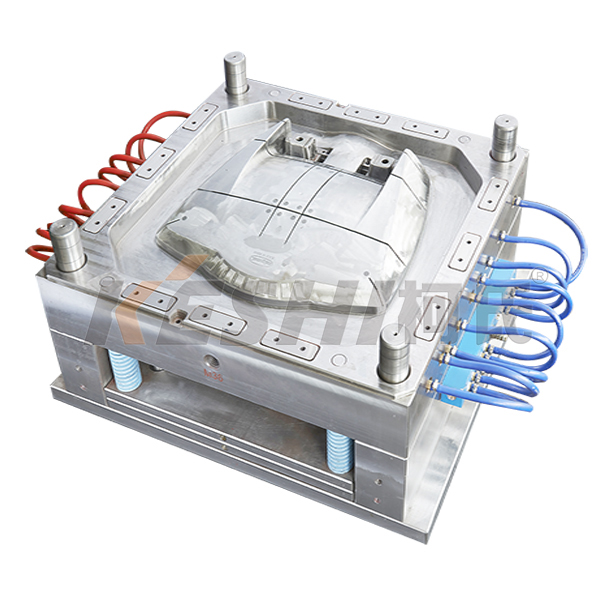
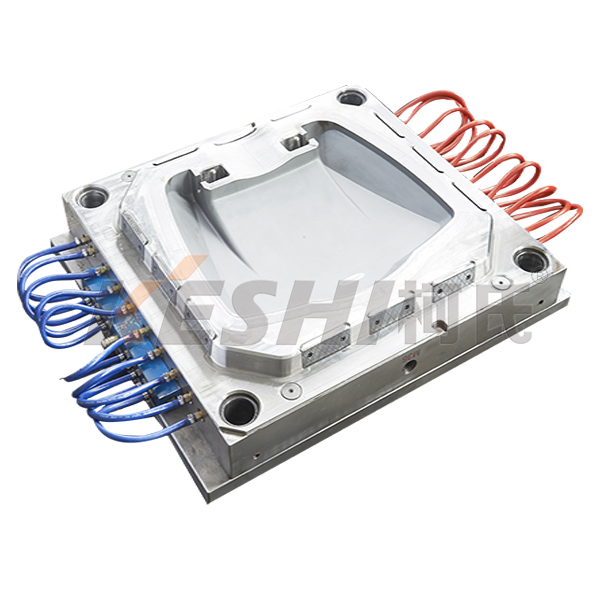
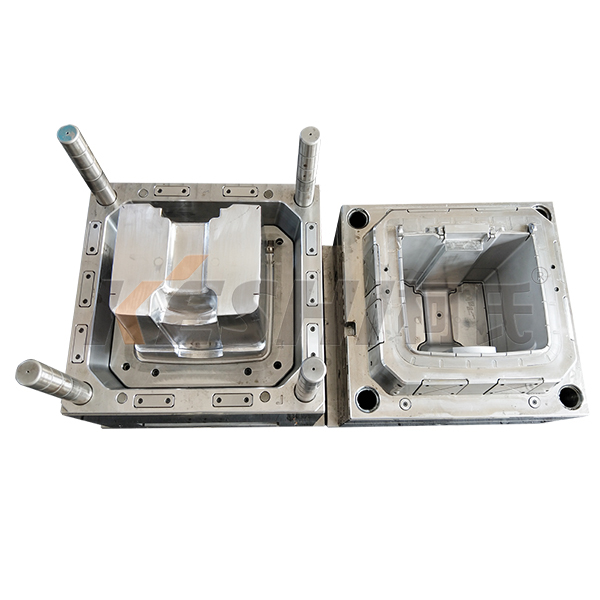
Keshi Mould
Contact Us
Which is a manufacturer & supplier of an extensive range of plastic moulds, Household Plastic Mould, Package Mould, Furniture Mould, Logistics Mould and Pipe Fitting Mould, etc.
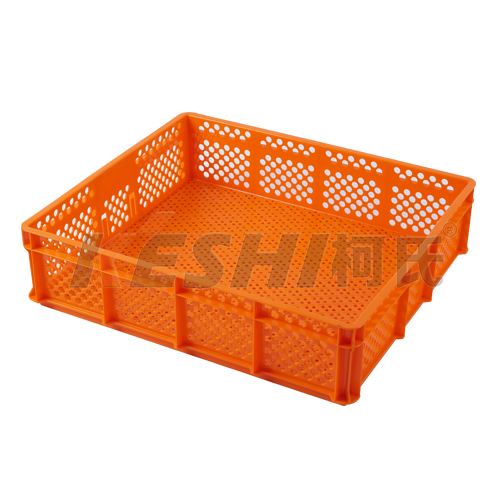

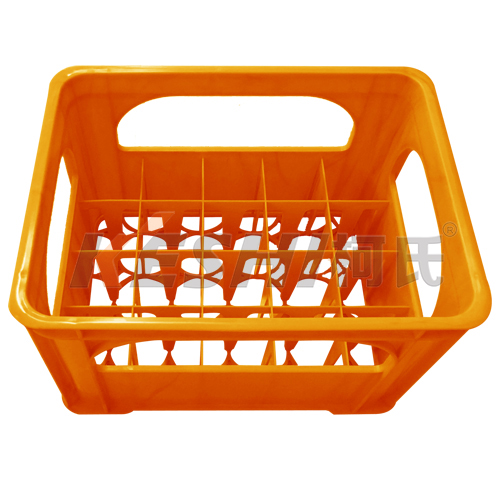
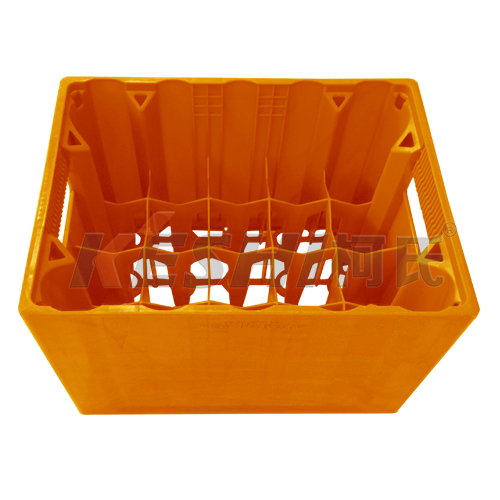
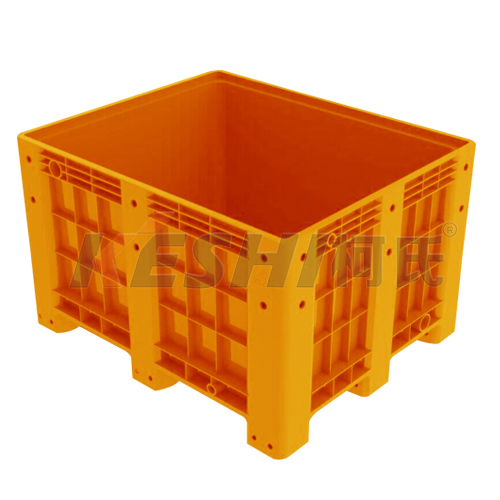
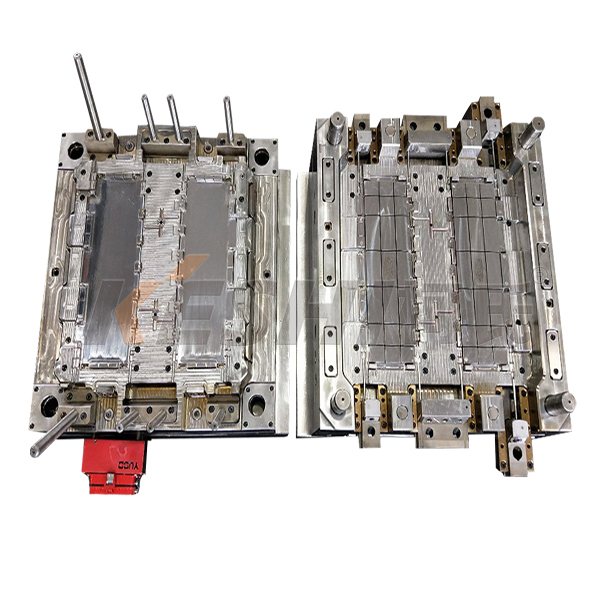
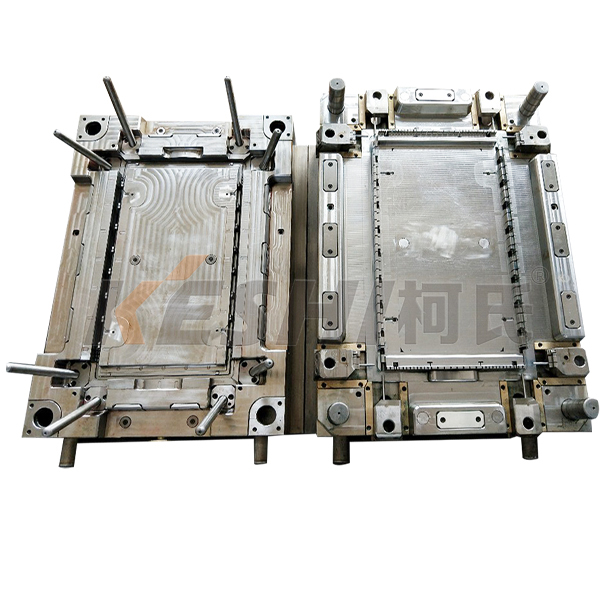
ABOUT US
Zhejiang Keshi Mould & Industry Co., Ltd.
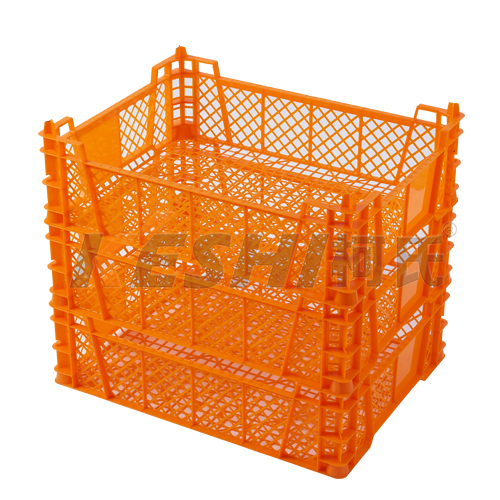
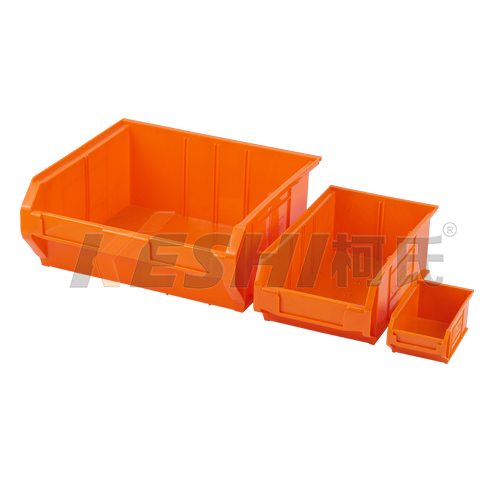
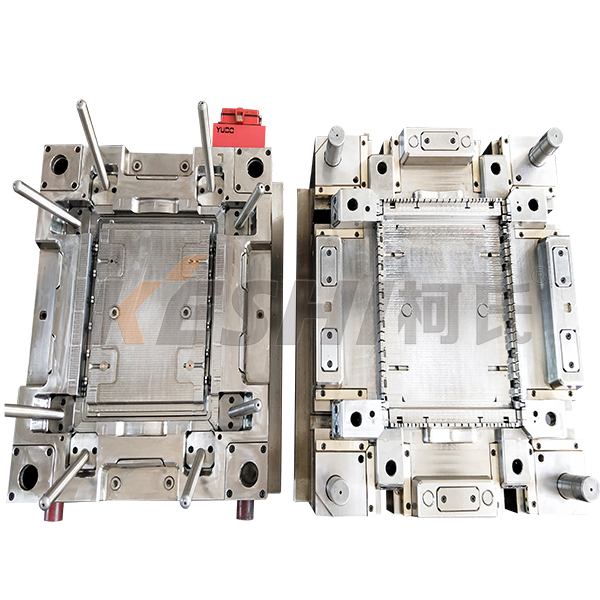
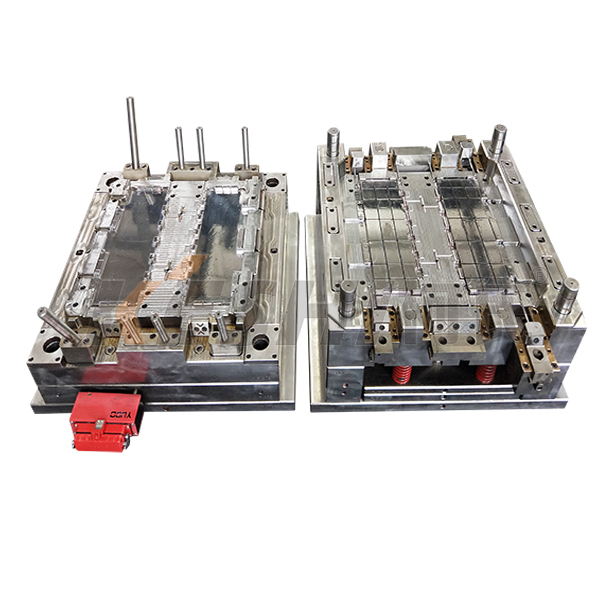
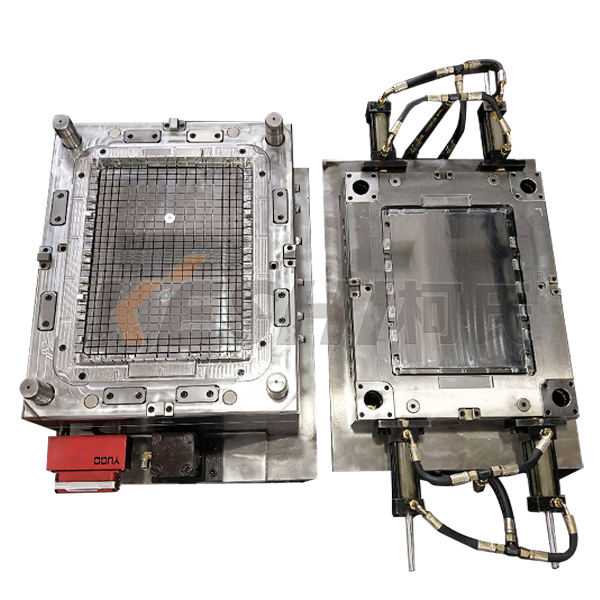
Zhejiang Keshi Mould & Industry Co., Ltd. is a High Precision Plastic Injection Mold Factory and Plastic Injection Mould Supplier, We produce, manufacture, and sell Household Plastic Mould, Package Mould, Furniture Mould, Logistics Mould and Pipe Fitting Mould, etc.
We have complete mould-building facilities furnished with the latest modelling software: UG, CAD/CAM, PROE, SOLIDWORKS, and advanced processing equipment to ensure high-quality mould. We aim to meet and exceed our customers’ expectations through design, competitive prices, fast delivery, and after-sales service.

News
-
A plastic dustbin sits in kitchens, offices, streets, and parks. It gets kicked, shoved, and filled with whatever people throw at it. It has to be cheap enough ...
READ MORE -
A plastic chair, a stackable stool, a drawer unit, a table frame. These are furniture, but they are also molded parts. A plastic furniture mould manufacturer bu...
READ MORE -
The handle cutout looks simple. Two holes in the sides for the hands. But the cutout is a stress point. The full crate is lifted by those two openings, and the ...
READ MORE -
A package is invisible until it fails. The tub that cracks in the freezer. The lid that will not snap. The tray that warps in the oven. When the package works, ...
READ MORE -
A laundry basket, a storage box, a clothes hanger, a food container, a dustpan. These are household plastic products. Each one was formed inside a steel mold. A...
READ MORE -
A plastic dustbin sits in kitchens, offices, streets, and parks. It gets kicked, shoved, and filled with whatever people throw at it. It has to be cheap enough ...
READ MORE -
A plastic pallet box holds hundreds of kilos of produce, industrial parts, or bulk liquid. Forklift tines slide under it. Empty containers nest together. A pall...
READ MORE -
A plastic crate carries bottles, bread trays, and produce from farm to store. It stacks, nests, and survives forklift impacts. A single crate mould produces one...
READ MORE -
A baby bottle, a pacifier, a feeding spoon, a teething ring. These are not just plastic parts. They go into a baby's mouth. They get sterilized in boiling water...
READ MORE -
Every plastic pallet, every stackable crate, every collapsible bulk bin starts in a mold. The part that ships on a truck was formed in a tool that was cut from ...
READ MORE -
A thinwall container mould produces lightweight plastic cups, bowls, and food trays that stack tightly and sell by the million. The mould arrives delivering thi...
READ MORE -
A daily use dustbin mould shapes the plastic bins that hold household waste—kitchen trash, bathroom bins, and office receptacles. The mould arrives producing pa...
READ MORE
We Have Rich Industry Experience, Strong Technical Strength,
And a Technical Team. Can Provide One-stop Solutions Based On Customer Needs.

-
2018
Was founded in
-
10+
Industry experience
-
xxx
Patent Certificate
-
xx+
Automatic production line
Honor
Leaving a Message
If you would like to learn more about our products, please feel free to contact us and we will do our to assist you.
Industry Knowledge Extension
The Functional Applications of Injection Moulding Dies Across Industries
It is the precision-engineered cavity that shapes molten polymer into a definitive form. The process it facilitates, injection moulding, is distinguished by its capacity for efficient mass production of items with complex geometries and reliable consistency. The application of these dies extends across a spectrum of fields, from ubiquitous household items to specialized industrial sectors, underpinning modern material production.
Structural Logic and Process Integration
An injection moulding die is not a singular piece but an assembly of machined blocks, typically from hardened steel or aluminium, containing a custom-shaped cavity. The process involves melting plastic granules, injecting the melt under pressure into the die cavity, allowing it to cool and solidify, and then ejecting the finished part. The die’s design dictates the part’s form, surface texture, and dimensional accuracy. This method’s advantages include rapid cycle times, minimal post-production waste, and the ability to integrate multiple components into a single molded piece. The utility of the die is thus realized through the items it produces, which permeate daily life and industrial operations.
Applications in the Household Sphere
Within domestic environments, injection moulded items are pervasive, contributing to functionality, safety, and organization. The dies create products that are durable, cost-effective, and easily sanitized.
- Food Storage and Kitchenware: Items such as food containers, lunch boxes, measuring cups, and refrigerator liners rely on dies for their seamless construction and precise volumes. The molds can produce thin, consistent walls and secure sealing interfaces.
- Household Containers and Organizers: Laundry baskets, storage totes, trash receptacles, and modular shelving components are typically injection molded. Dies for these products are often large and designed for structural rigidity.
- Consumer Electronics Housings: The casings for televisions, computers, kitchen appliances, and power tool bodies are produced using high-precision dies. These tools must create parts with exact apertures for buttons and screens, integrated snap-fits, and an aesthetically pleasing surface finish.
What distinguishes high precision molding from standard injection molding?
High precision injection molding is characterized by part tolerances that are typically measured in microns (µm) rather than millimeters. It emphasizes repeatability, consistency across high-volume production runs, and exceptional stability of part dimensions. This is achieved not just through advanced machinery, but through meticulous die design, use of high-grade mold steels, precise temperature control systems, and often integration of automated inspection. The process caters to industries where a minor deviation can affect assembly, performance, or safety.
Which factors are critical for achieving high precision in molded parts?
Several interdependent factors are critical:
Die Design and Construction: The mold must be engineered with balanced filling systems, efficient cooling channels, and robust ejection. It is usually machined from high-performance steels with mirror-finish surfaces and maintained to exacting standards.
- Process Control: Consistent control over injection pressure, speed, and, importantly, temperature (both of the melt and the mold itself) is necessary. Even minor fluctuations can cause variations in part shrinkage and dimensions.
- Material Selection: Engineering-grade resins with predictable and stable shrinkage properties are selected. The material must be thoroughly dried and processed within a tight window of parameters to ensure consistency.
- Measurement and Validation: In-process monitoring and post-production measurement using coordinate measuring machines (CMM) or optical scanners are integral to verifying that tolerances are continuously met.
In which industries is high precision molding commonly required?
This process is essential in industries where component failure is not an option or where miniaturization is key. Primary sectors include:
- Medical and Diagnostic: For components in implantable devices, surgical tools, and analytical equipment where dimensional accuracy affects function and sterility.
- Optics and Photonics: For lenses, light guides, and laser components where surface finish and precise light transmission paths are required.
- Microelectronics: For connectors, sensors, and miniature housings where parts must fit into increasingly small form factors.
- Automotive Electronics: For components in safety systems, sensors, and control units that must perform reliably in varying environmental conditions.
What are the common challenges associated with high precision molding?
Key challenges involve managing cost, complexity, and variability:
Initial Investment: The cost for a high-precision die, advanced machinery, and qualification is significantly higher than for standard molds.
Material Behavior: Managing the inherent shrinkage and potential warpage of plastics at micron-level tolerances requires extensive expertise and simulation.
Environmental Stability: Maintaining a production environment with controlled temperature and humidity is often necessary to prevent material or process drift.
Tooling Wear and Maintenance: Even slight wear on mold components can push parts out of tolerance, demanding a proactive maintenance and replacement schedule for critical mold elements.
Plumbing Fixtures and Hardware: Components like showerheads, pipe fittings, toilet seats, and brush handles are molded. The dies must account for threaded sections and water-resistant properties.
Toys and Recreational Goods: From detailed action figures and building blocks to outdoor furniture and sports equipment, dies enable the safe, colorful, and reproducible production of consumer goods.
Copyright © 2023 Zhejiang Keshi Mould & Industry Co., Ltd. All Rights Reserved

Injection Mould Factory