
 EN
EN  English
 русский
 عربى
عربى 中文简体
中文简体
Product Categories
Keshi Mould
Contact Us
Which is a manufacturer & supplier of an extensive range of plastic moulds, Household Plastic Mould, Package Mould, Furniture Mould, Logistics Mould and Pipe Fitting Mould, etc.
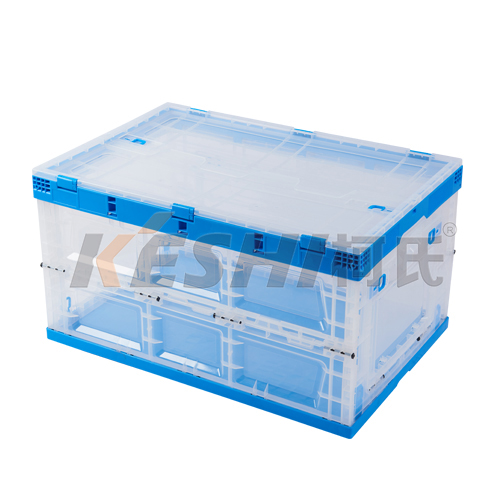
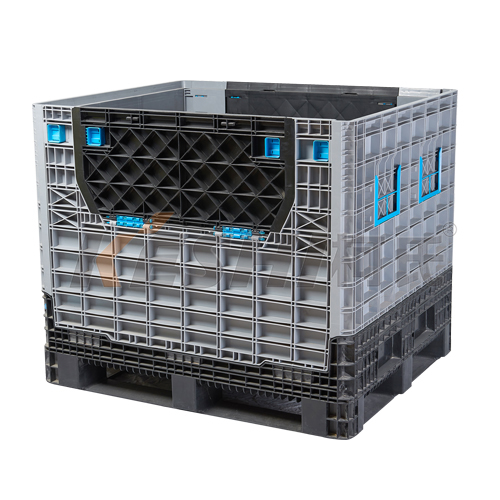
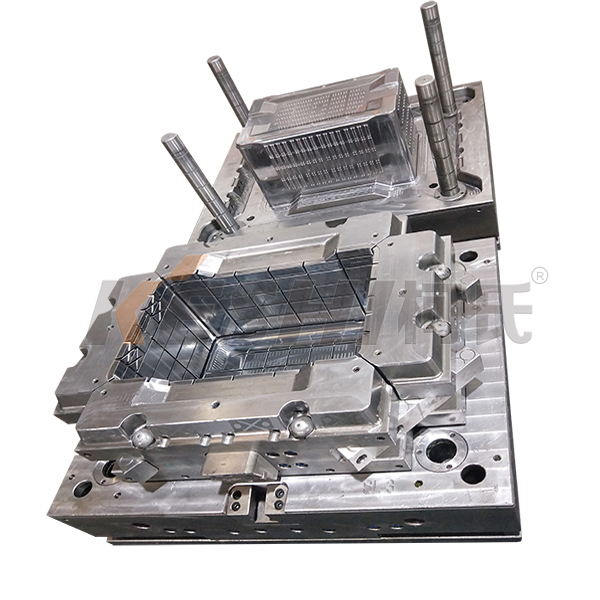
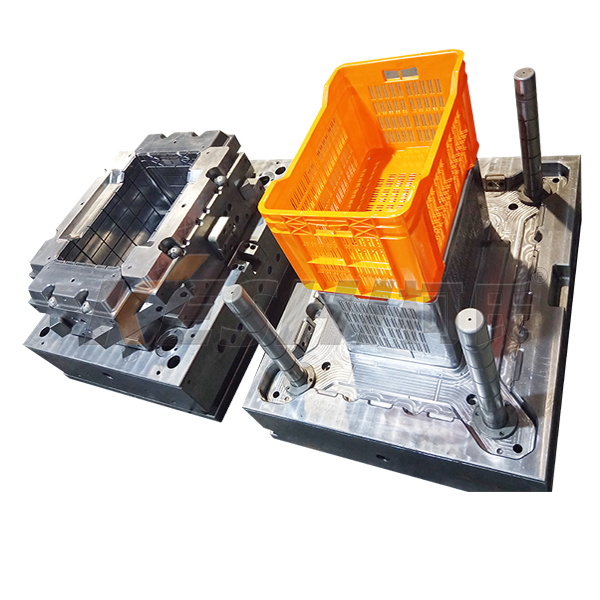
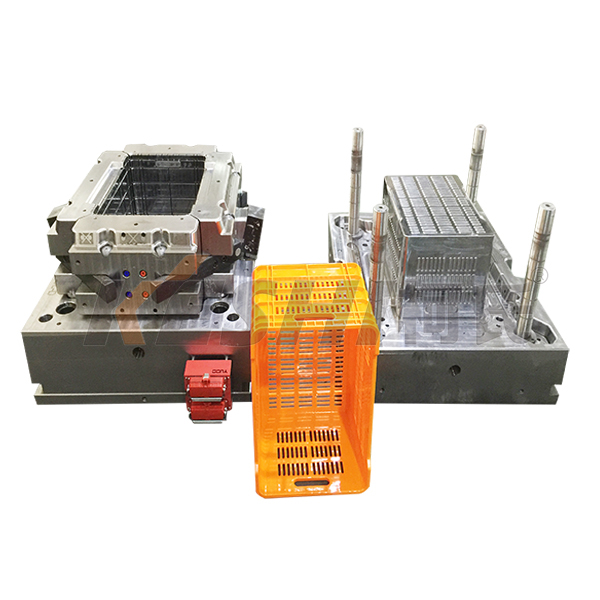
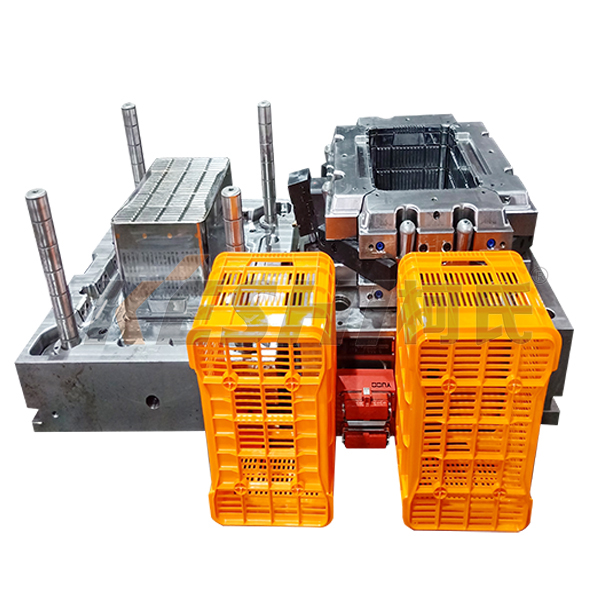
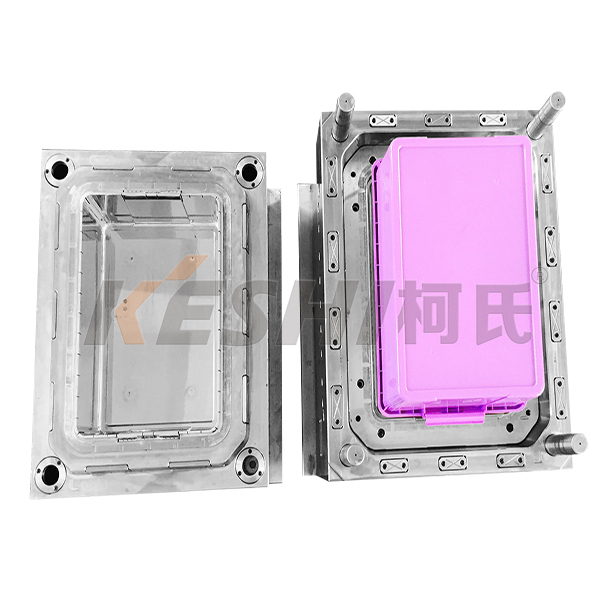
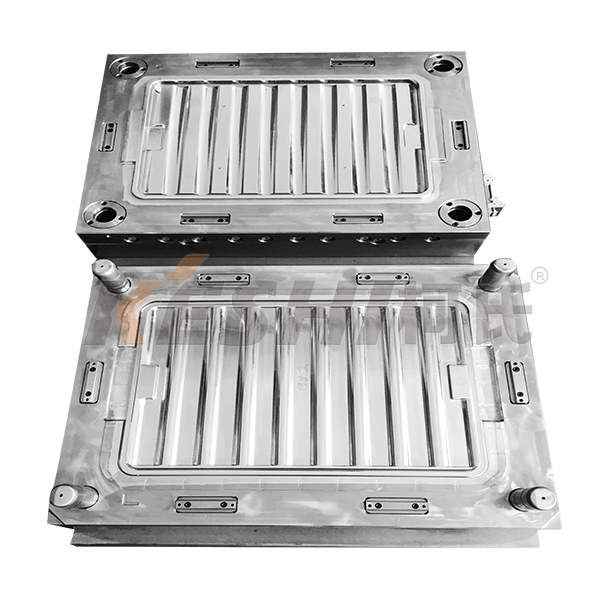
Vegetable and Fruit Crate Mould Manufacturer
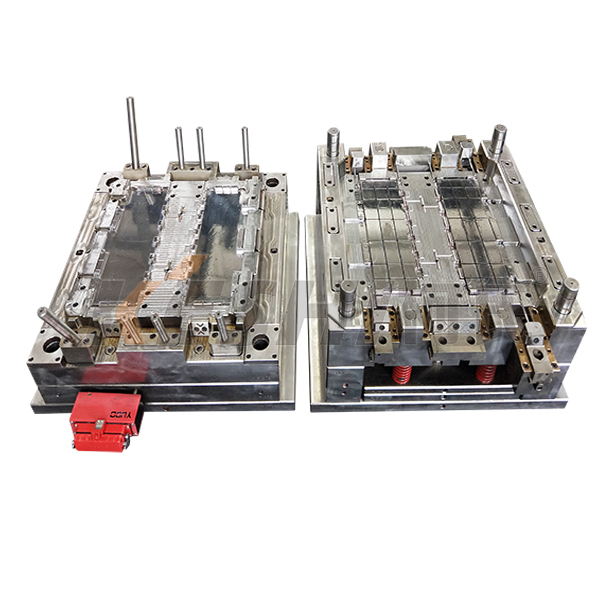
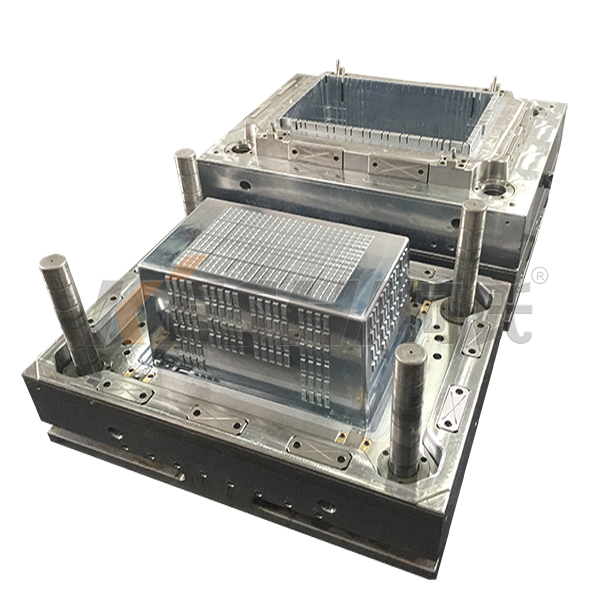
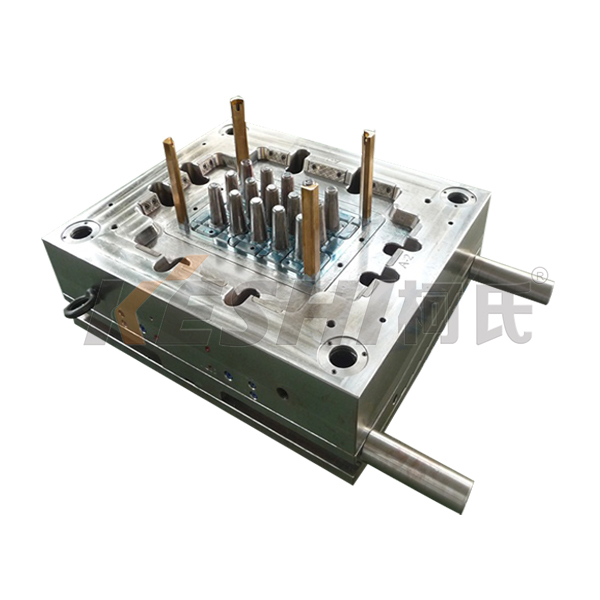
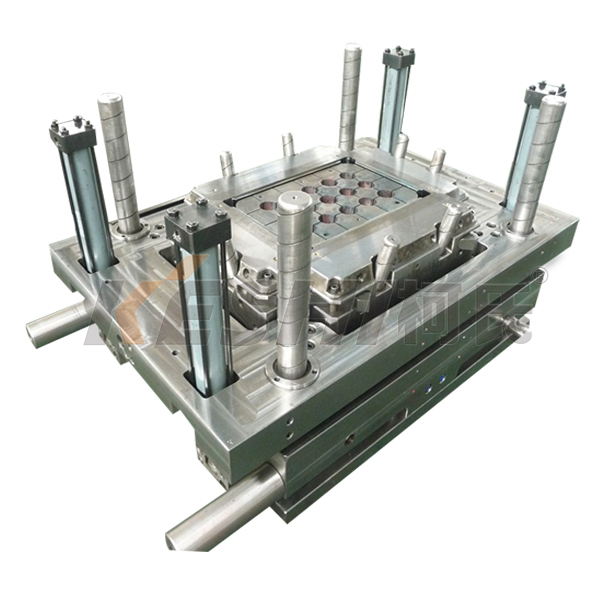
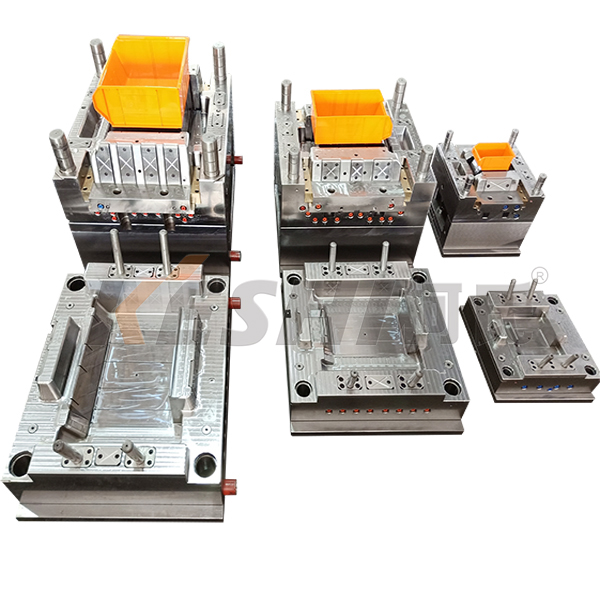
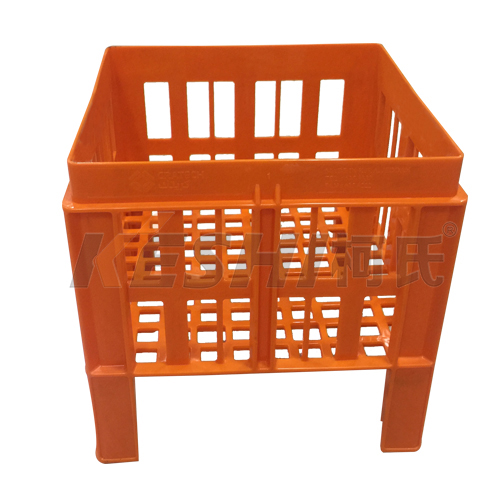
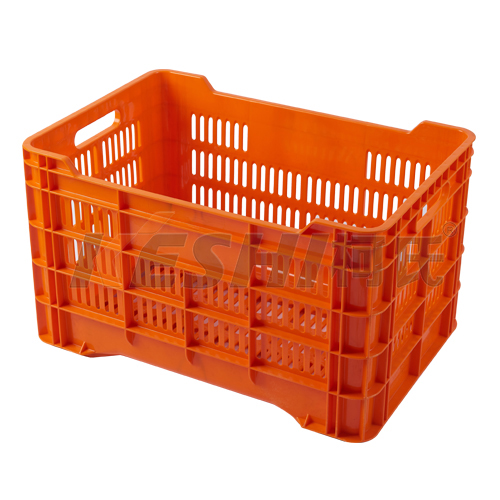
Durable and stackable crates convenient for packing and transportation. Plastic crate mould is our main plastic injection mould all the time. Customized mould making according to the customer's requirements.KESHI MOULD is one reliable and professional mould manufacturer in china, has experienced group for part and mould design and a strong moulding technical team to make sure to provide our customers with high quality mould and competitive mould price.
ABOUT US
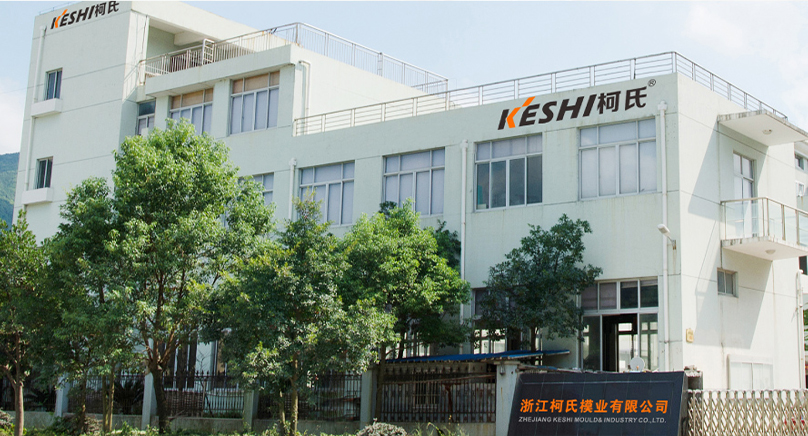
Zhejiang Keshi Mould & Industry Co., Ltd.
Zhejiang Keshi Mould & Industry Co., Ltd. is a Custom Vegetable and Fruit Crate Mould Manufacturer and China OEM/ODM Vegetable and Fruit Crate Mould Factory, We produce, manufacture, and sell Household Plastic Mould, Package Mould, Furniture Mould, Logistics Mould and Pipe Fitting Mould, etc.
We have complete mould-building facilities furnished with the latest modelling software: UG, CAD/CAM, PROE, SOLIDWORKS, and advanced processing equipment to ensure high-quality mould. We aim to meet and exceed our customers’ expectations through design, competitive prices, fast delivery, and after-sales service.
News
-
A plastic dustbin sits in kitchens, offices, streets, and parks. It gets kicked, shoved, and filled with whatever people throw at it. It has to be cheap enough ...
READ MORE -
A plastic chair, a stackable stool, a drawer unit, a table frame. These are furniture, but they are also molded parts. A plastic furniture mould manufacturer bu...
READ MORE -
The handle cutout looks simple. Two holes in the sides for the hands. But the cutout is a stress point. The full crate is lifted by those two openings, and the ...
READ MORE -
A package is invisible until it fails. The tub that cracks in the freezer. The lid that will not snap. The tray that warps in the oven. When the package works, ...
READ MORE -
A laundry basket, a storage box, a clothes hanger, a food container, a dustpan. These are household plastic products. Each one was formed inside a steel mold. A...
READ MORE -
A plastic dustbin sits in kitchens, offices, streets, and parks. It gets kicked, shoved, and filled with whatever people throw at it. It has to be cheap enough ...
READ MORE -
A plastic pallet box holds hundreds of kilos of produce, industrial parts, or bulk liquid. Forklift tines slide under it. Empty containers nest together. A pall...
READ MORE -
A plastic crate carries bottles, bread trays, and produce from farm to store. It stacks, nests, and survives forklift impacts. A single crate mould produces one...
READ MORE -
A baby bottle, a pacifier, a feeding spoon, a teething ring. These are not just plastic parts. They go into a baby's mouth. They get sterilized in boiling water...
READ MORE -
Every plastic pallet, every stackable crate, every collapsible bulk bin starts in a mold. The part that ships on a truck was formed in a tool that was cut from ...
READ MORE -
A thinwall container mould produces lightweight plastic cups, bowls, and food trays that stack tightly and sell by the million. The mould arrives delivering thi...
READ MORE -
A daily use dustbin mould shapes the plastic bins that hold household waste—kitchen trash, bathroom bins, and office receptacles. The mould arrives producing pa...
READ MORE
We Have Rich Industry Experience, Strong Technical Strength,
And a Technical Team. Can Provide One-stop Solutions Based On Customer Needs.

-
2018
Was founded in
-
10+
Industry experience
-
xxx
Patent Certificate
-
xx+
Automatic production line
Honor
Leaving a Message
If you would like to learn more about our products, please feel free to contact us and we will do our to assist you.
Industry Knowledge Extension
How Do Design and Engineering Principles Address the Demands of Modern Produce Crate Moulds?
The humble fruit and vegetable crate is a foundational component of the global food supply chain, facilitating the efficient transport and display of perishable goods. The moulds that produce these crates are not simple tools; they are specialized pieces of industrial equipment engineered to meet specific logistical, economic, and environmental requirements. The design and manufacture of these moulds, particularly for heavy-duty applications, involve a complex interplay of material science, structural engineering, and evolving market demands.
How are crate moulds being adapted for improved ventilation and ergonomics?
Modern crate design increasingly prioritizes the protection of produce and the safety of handlers, bring about specific mold design features.
Integrated Ventilation Patterns: Moulds are now engineered to create precise geometric ventilation slots and channels in the crate walls and base. These patterns are optimized to facilitate consistent air circulation for cooling while maintaining the structural stacking strength of the crate, preventing damage to sensitive produce like berries or leafy greens.
Ergonomic Handling Features: To reduce worker strain, moulds incorporate designs for integrated handholds. These are not simple cut-outs but are shaped with rounded contours and sufficient depth to provide a secure grip, even when wearing gloves. The draft angles and ribbing around these areas are carefully calculated to ensure easy ejection from the mould without weakening the crate’s sidewall.
Nesting and Stacking Efficiency: A primary design goal is optimizing space use in transit. Moulds create crates with tapered sides that allow for stable, vertical stacking when full and compact, nested stacking when empty. The precision of the mould ensures the stacking lugs and corresponding recesses align perfectly, preventing toppling during transport.
What role does material selection play in meeting sustainability and performance goals?
The choice of plastic and mould design are directly linked to environmental and functional outcomes.
Designing for Recycled Content: As demand for post-consumer recycled (PCR) materials grows, crate moulds must be engineered to process these less homogeneous resins. This can involve modifying gate and runner systems for different flow characteristics and ensuring the mould’s cooling system is highly efficient to manage the often-shorter processing window of recycled polymers.
Material Durability and Food Safety: Moulds for food-contact crates are typically made from corrosion-resistant steels to ensure a long service life and a cleanable surface. The designed crate must be compatible with materials like high-density polyethylene (HDPE) or polypropylene (PP), which offer a balance of impact resistance, cleanability, and compliance with food safety regulations, even after repeated washing cycles.
What specific design features define a heavy-duty crate mould?
Heavy-duty crates, used for dense produce like potatoes or citrus, or for multi-tiered display stacking, require moulds built to different specifications than those for lightweight packaging.
Enhanced Structural Ribbing: The cavity of a heavy-duty mould includes a more extensive and robust network of ribs on the crate's base and sidewalls. These ribs are not merely aesthetic; their depth, width, and pattern are calculated through engineering analysis to maximize stiffness and load-bearing capacity while using material efficiently.
Reinforced Corner Design: Stress concentrates at the corners of a loaded crate. Heavy-duty moulds are designed to produce crates with substantially reinforced corner posts, often featuring thicker walls and additional internal gussets. This reinforcement prevents cracking or deformation under the weight of stacked loads.
High-Pressure Mould Construction: To inject plastic into these thicker, more complex ribbed sections and achieve the required dense packing, the mould itself must be constructed from high-grade, pre-hardened or tool steels. It must withstand significantly higher injection and clamping pressures over extended production runs without deflection or premature wear.
How does the molding process differ for a heavy-duty crate?
Producing a structurally demanding crate involves adjustments to both the machine parameters and the mould's internal systems.
- Extended Cooling Time and Advanced Cooling Circuits: The thicker wall sections and dense ribbing of a heavy-duty crate require a longer period to cool and solidify sufficiently for ejection. The mould must therefore incorporate a highly efficient, conformal cooling channel system that follows the geometry of the part to extract heat uniformly and prevent warpage or sink marks, which would weaken the structure.
- Multi-Stage Injection and Packing Pressure: The injection profile is carefully controlled. A high initial injection speed fills the cavity, followed by a sustained high packing pressure phase. This prolonged packing is critical to force additional material into the mold as the plastic shrinks during cooling, ensuring the ribs and thick sections are solid and free of voids, resulting in a crate with consistent mechanical strength throughout its structure.
Copyright © 2023 Zhejiang Keshi Mould & Industry Co., Ltd. All Rights Reserved

OEM/ODM Vegetable and Fruit Crate Mould Factory