EN
EN  English
 русский
 عربى
عربى 中文简体
中文简体
Introduction to Logistics Mould Manufacturing
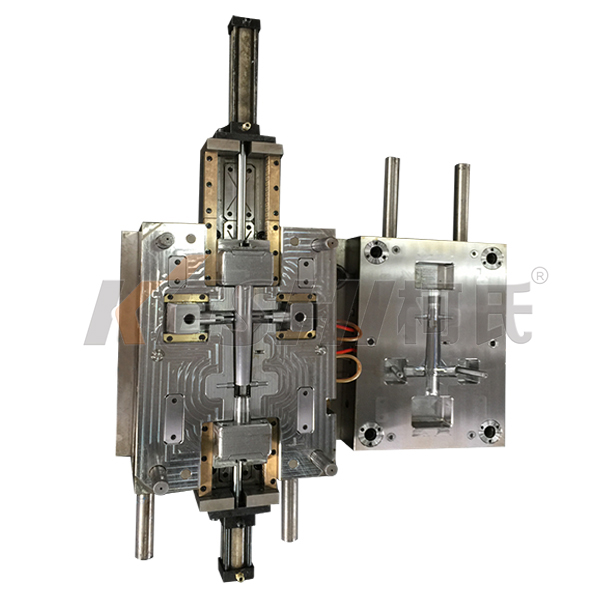
Logistics Moulds are integral to the manufacturing of products used in the movement, storage, and organization of goods throughout supply chains. These molds are used to create durable plastic products such as pallets, containers, and crates, which are essential for efficient logistics operations. A Logistics Mould Manufacturer produces these high-quality molds to ensure that logistics businesses can transport and store products safely and effectively.
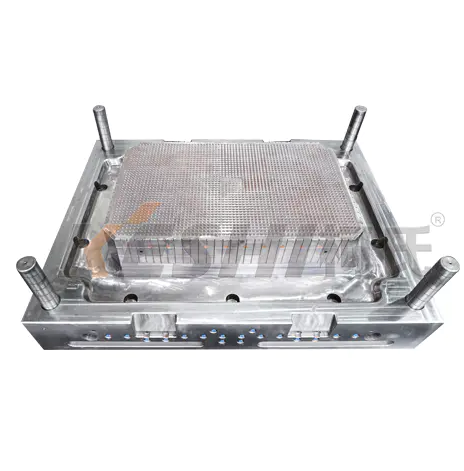
Types of Logistics Moulds
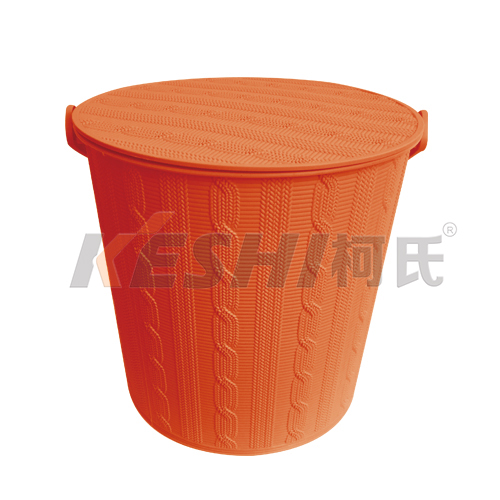
Logistics Moulds can be categorized into various types based on their intended use. Common examples include pallet molds, storage container molds, and crate molds. These products are designed to optimize space, ensure product safety, and improve overall logistics efficiency. A Logistics Mould Manufacturer designs molds to meet industry standards and the specific needs of their clients, whether it’s for the food industry, retail, or heavy-duty applications.
Material Selection and Durability
The material chosen for Logistics Moulds plays a crucial role in their performance. Typically, high-density polyethylene (HDPE), polypropylene (PP), and polyethylene (PE) are used due to their strength, resistance to wear, and ability to withstand harsh conditions. A Logistics Mould Manufacturer ensures that the right material is selected based on the product’s use and environmental factors, such as exposure to heat or chemicals. Durability is key, as logistics products need to withstand constant handling, stacking, and transport.
The Injection Molding Process
The Injection Molding Process is the most common method used for creating Logistics Moulds. During this process, molten plastic is injected into a mold cavity under high pressure, where it cools and solidifies to form the final product. This method allows for the production of complex shapes and high-volume manufacturing with minimal waste. The process ensures that the logistics products are consistent, durable, and suitable for use in demanding logistics environments.
Customization and Flexibility
A Logistics Mould Manufacturer often offers customization options to meet the specific needs of their clients. Customizations can include adjusting the size of the molds, adding branding elements, or incorporating specific features to optimize the logistics process. For example, some molds can be designed with reinforced areas to improve strength or with grooves to facilitate easy stacking. The ability to customize molds ensures that logistics products align perfectly with operational requirements.
Sustainability Considerations
With growing environmental concerns, many Logistics Mould Manufacturers are shifting towards sustainable production practices. This includes using recycled materials or designing molds that require less plastic during production. Eco-friendly plastics such as biodegradable materials are also gaining popularity in the logistics industry. By adopting these practices, a Logistics Mould Manufacturer can help businesses reduce their carbon footprint and meet the increasing demand for environmentally responsible products.
Maintenance and Longevity
Proper maintenance of Logistics Moulds is crucial to extending their lifespan and ensuring consistent performance. Regular cleaning, inspection, and repair of molds prevent issues like clogging, rusting, or misalignment, which could impact the quality of the final product. A Logistics Mould Manufacturer often provides maintenance services, ensuring that molds continue to perform optimally throughout their lifecycle.
For more information on Logistics Mould manufacturing, visit our product page and discover how our advanced molding solutions can support your supply chain operations.