EN
EN  English
 русский
 عربى
عربى 中文简体
中文简体
Plastic pallets. Storage bins. Collapsible crates. Stackable containers. Walk through any warehouse and you will see them everywhere. These products start as a logistics mold. Without these molds, the shipping and storage industry would look very different. A logistics mold factory that gets the steel, the cooling, and the tolerances right produces tooling that runs for millions of cycles.
What a Logistics Mold Actually Is
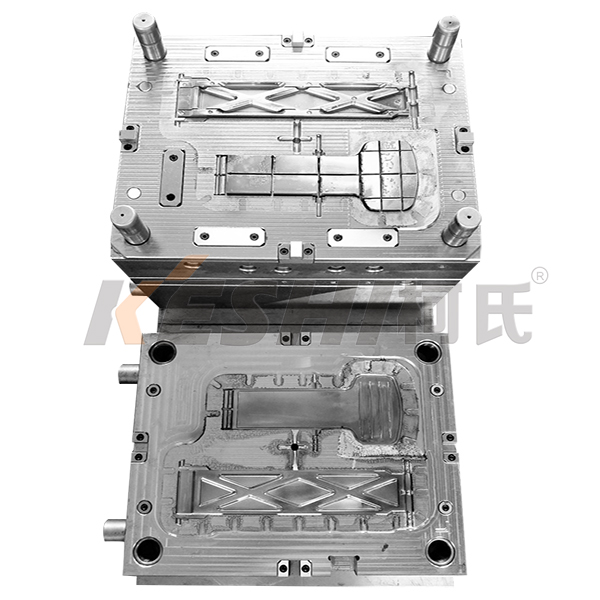
Logistics molds are big. Not like a coffee cup mold. Not like a phone case mold. These are heavy steel tools that produce large plastic parts. A single pallet mold can weigh several tons. The steel has to be thick enough to handle high injection pressure. The cooling channels have to be placed precisely. Otherwise the pallet warps.
The Difference Between Logistics Molds and Other Molds
The products made from logistics molds have to take abuse. A pallet carries thousands of pounds. A bin gets stacked with heavy contents. A collapsible crate gets opened and closed hundreds of times. These products need strength, durability, and dimensional stability. Logistics molds are designed with that in mind.
Thinner walls save material and lower cost. But a thin pallet cracks under load. A bin with thin walls bows out when stacked. Good logistics molds are designed to balance material savings with structural integrity.
Stacking Features Have to Be Precise
Bins and crates stack on top of each other. The stacking lugs have to align superbly. If they are off by a few millimeters, the stack leans or collapses. In a warehouse with pallets stacked five high, that is a big problem. Good logistics molds hold tight tolerances on stacking features.
The Importance of Cooling
Large plastic parts take time to cool. If the cooling is uneven, the part warps. A warped pallet does not sit flat on the floor. It rocks. It does not stack evenly. Good logistics molds have cooling channels placed close to the surface. The channels follow the shape of the part. That way, the plastic cools evenly from all sides.
Why Some Molds Fail
Some molds fail because the steel is too soft. High-volume production means millions of cycles. Soft steel wears out. The cavities lose their polish. The part quality drops. Mold manufacturers who use cheap steel get short mold life.
If the mold cannot cool fast enough, the cycle time stretches. Production slows down. The mold runs hot, which causes shrinkage variation.
The parting line is where the two halves of the mold meet. If it wears unevenly, flash forms on the part. That is the thin line of excess plastic that has to be trimmed off. Flash costs time and material.
Why Buyers Care About the Factory
Buyers of logistics molds are not looking for cheap. They are looking for a mold that runs reliably for millions of cycles. They want a factory that understands the demands of logistics products.
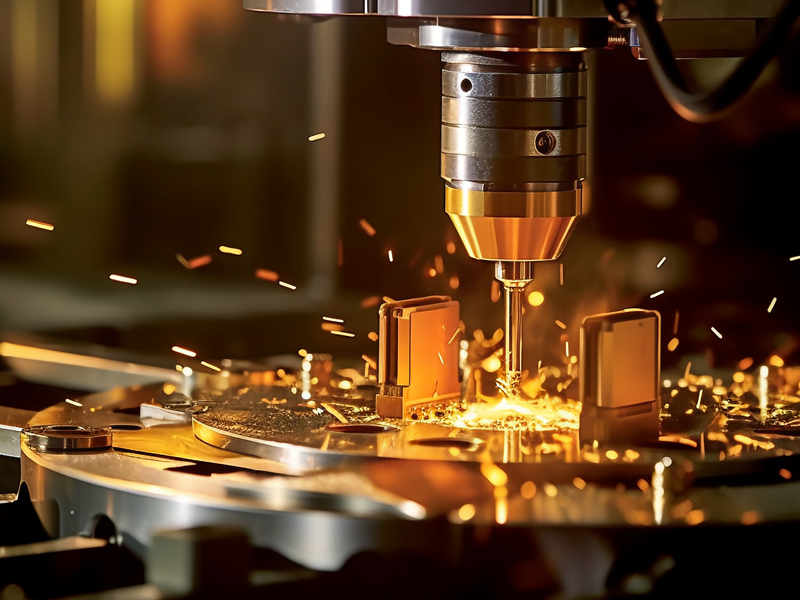
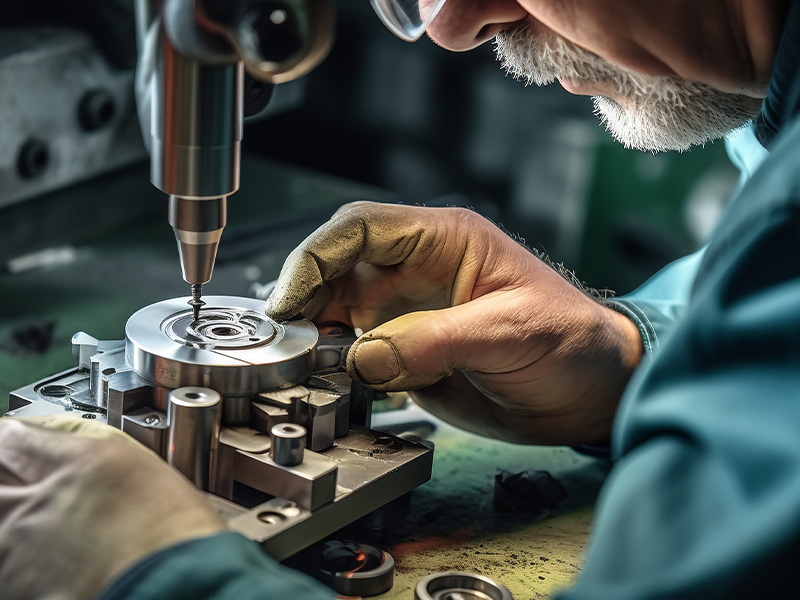
A good logistics mold factory will focus on steel selection that matches the production volume, cooling design that balances speed and quality, milling and machining precision for tight tolerances, and testing and debugging before the mold ships.
Testing Is Not Optional
Before a logistics mold goes into production, it needs to be tested. It has to run on an injection molding machine to confirm the plastic fills the cavity completely, the cooling is even, and the part ejects cleanly. A good factory will run those tests. They will not ship a mold that has not been proven.
The Pallet Mold Example
A plastic pallet mold is one of the more expensive molds to build. It can cost hundreds of thousands of dollars. But that mold will produce millions of pallets. The cost per pallet is pennies. The factory that builds the mold has to get everything right. The steel, the cooling, the ejector system, the stacking features. If something is off, the cost of fixing it is high.
Logistics molds are specialized tools. They are not the same as consumer goods molds. The products they make need to be strong and last for years. The molds need to be built for high-volume production. Buyers look for a factory that understands this. They want a partner, not a supplier.