EN
EN  English
 русский
 عربى
عربى 中文简体
中文简体
Behind every plastic pallet, storage bin, and protective dunnage is a carefully engineered tool. That tool is the logistics mould. These moulds shape the plastic products that move goods through warehouses, trucks, and containers. Without them, the standardized containers and protective packaging used in modern supply chains would not exist. A logistics mould transforms raw plastic pellets into finished items ready for years of use in demanding environments.
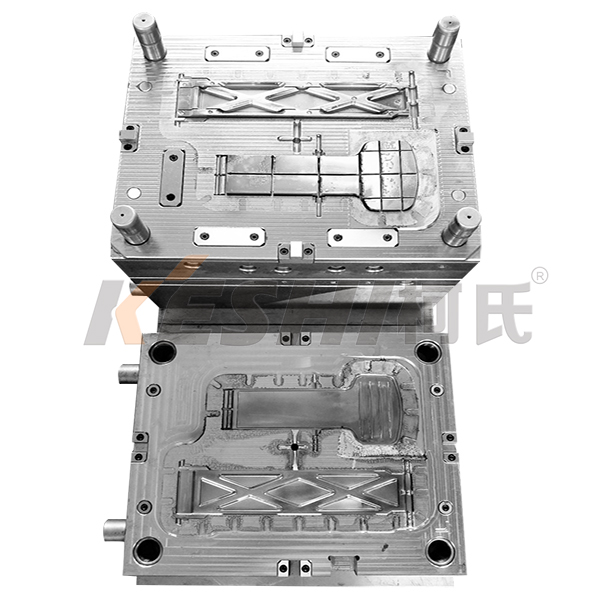
A logistics mould is typically made from tool steel or other high-strength alloys. The mould consists of two halves that close together. Molten plastic is injected into the cavity between the halves. After cooling, the mould opens and the finished part is ejected. The precision of the logistics mould determines how well the final product performs.
Types of Logistics Products Made from Moulds
Different logistics applications require different moulded products. A logistics mould designed for pallets differs significantly from one designed for small bins. Pallet moulds are large, often weighing several tons, and produce single pieces that can support thousands of kilograms of cargo. Bin moulds are smaller but may be configured to produce multiple parts in each cycle.
Common products from a logistics mould include:
- Plastic pallets with reinforced ribs for heavy loads
- Stackable containers with interlocking features
- Collapsible crates for returnable packaging systems
- Custom dunnage that holds specific parts in place
Each product type requires unique mould features. Pallets need flat surfaces with anti-slip patterns. Containers need draft angles for easy stacking and unstacking. Dunnage needs precise cavities that match the shape of the parts being protected. A logistics mould designer considers all these requirements before cutting steel.
Mould Design and Manufacturing Process
Creating a logistics mould begins with product design. Engineers model the intended plastic part using computer-aided design software. This model becomes the basis for the mould design. The mould must account for plastic shrinkage, ejection angles, and cooling channels. A well-designed logistics mould produces parts that are dimensionally stable and free of defects.
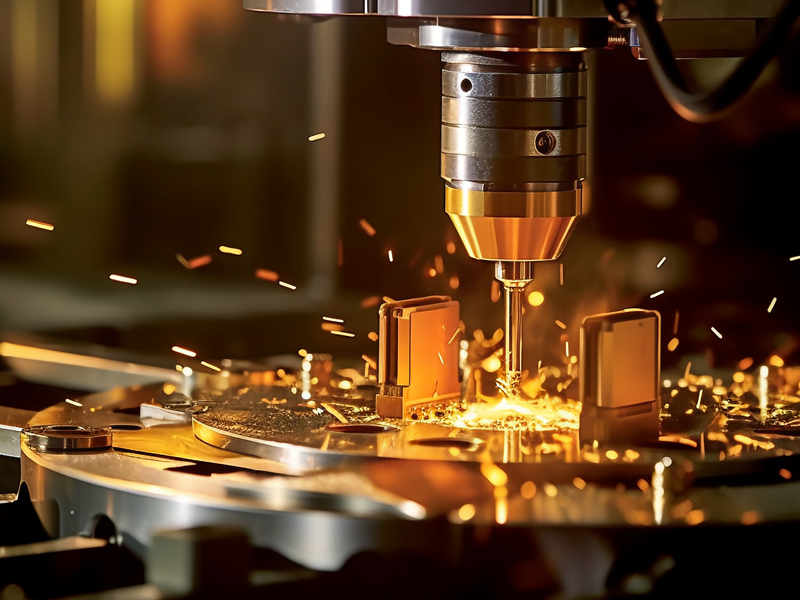
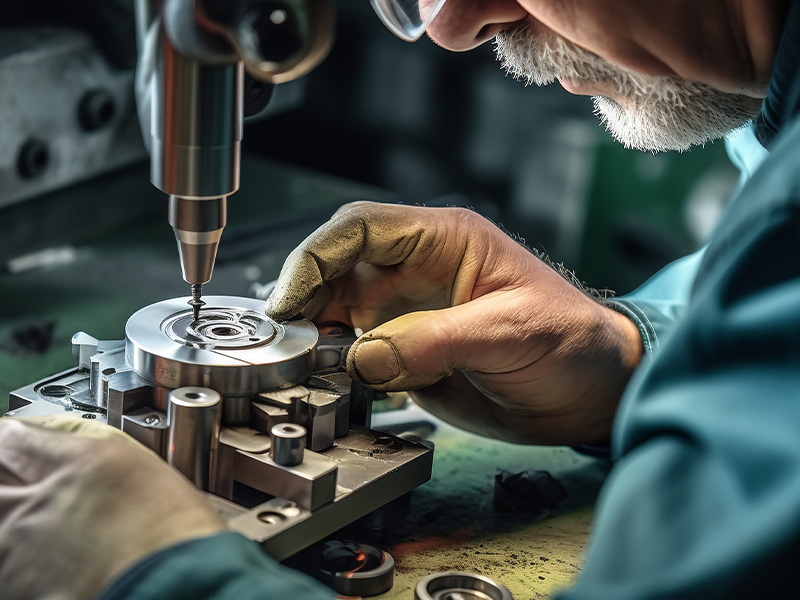
Steel selection affects mould life and part quality. A logistics mould used for short production runs may use pre-hardened steel. A mould for high-volume production requires hardened tool steel that resists wear. The mould cavities are machined using CNC mills, electrical discharge machining, or both. Critical surfaces may be polished to achieve the required surface finish on the plastic parts.
Cooling channel design is particularly important in a logistics mould. Plastic must cool evenly to prevent warping. Uneven cooling produces parts that do not sit flat or stack properly. Mould designers place cooling channels close to the cavity surface and route them to maintain consistent temperatures across the entire part.
Production and Quality Considerations
Once the logistics mould is complete, it moves to an injection molding machine. The mould is clamped into the machine and connected to cooling lines. Plastic pellets are melted and injected into the cavity under high pressure. After a brief cooling period, the mould opens and the part is ejected. This cycle repeats hundreds of thousands or millions of times over the mould's life.
Quality control for a logistics mould involves several checks:
- Dimensional measurement of critical features using coordinate measuring machines
- Visual inspection for sink marks, flash, or short shots
- Weight checks to ensure consistent material fill
- Functional testing of stacking, nesting, or interlocking features
Regular maintenance extends mould life. A logistics mould that produces pallets requires cleaning and inspection at scheduled intervals. Worn components such as ejector pins or guide bushings are replaced. Cooling channels are flushed to remove scale or debris. Properly maintained moulds can produce millions of parts before requiring major repairs.
Selecting the Right Mould for Logistics Applications
Choosing a logistics mould involves balancing initial cost against expected production volume. A mould built from lower-grade steel costs less but wears out sooner. A high-volume operation needs a mould that can run for years without significant downtime. The cost difference between the two options is often justified by the longer production life.
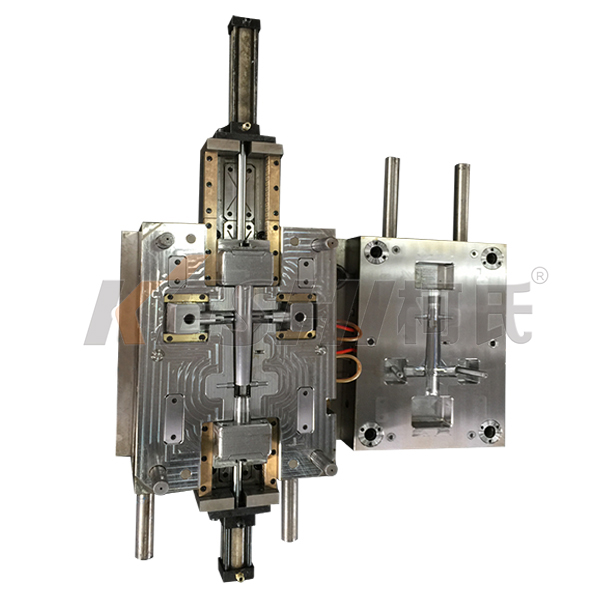
Mould complexity also affects cost. A simple logistics mould for a basic bin has fewer moving parts and lower machining costs. A mould for a collapsible crate with hinged sections and locking features requires slides, lifters, or other mechanisms. These complex moulds cost more to build but produce parts that save storage and transport space.
Lead time is another factor. A straightforward logistics mould might be completed in 8 to 12 weeks. A complex mould with intricate cooling and moving components could take 16 to 20 weeks or longer. Companies planning new logistics product lines should factor these lead times into their launch schedules.
Supporting Efficient Supply Chains
From warehouses to delivery trucks, the products made by a logistics mould keep goods organized and protected. The mould itself never appears in the final supply chain, but its influence is everywhere. Consistent part quality, predictable mould life, and efficient cooling design all contribute to the logistics industry's ability to move products quickly and safely.