EN
EN  English
 русский
 عربى
عربى 中文简体
中文简体
Countless plastic products used daily start as molten material injected into a carefully shaped cavity. That cavity is part of a plastic injection mold. This tool transforms plastic pellets into finished parts ranging from tiny gears to large automotive panels. The plastic injection mold determines the part's shape, surface texture, and dimensional accuracy. A well-built mold produces thousands or millions of identical parts with small variation.
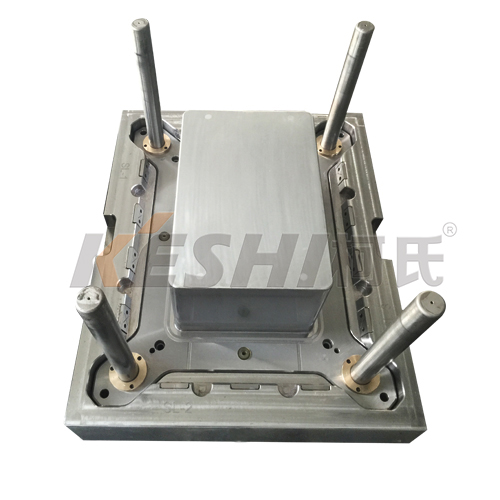
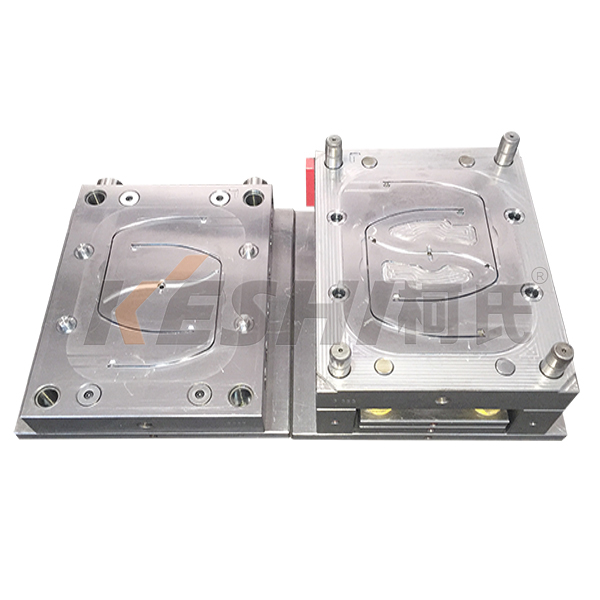
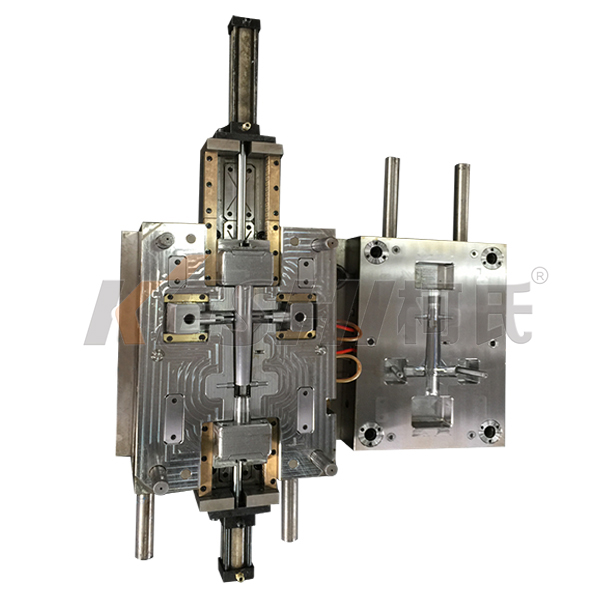
A plastic injection mold consists of two main halves — the stationary side and the moving side. These halves close together under high pressure. Molten plastic flows through a sprue and runner system into the cavity. After the plastic cools and solidifies, the mold opens and ejector pins push the finished part out. The entire cycle takes seconds, allowing high-volume production.
Key Components of the Mold
Every plastic injection mold contains several essential systems working together. The cavity and core form the shape of the part. The cavity creates the outside surface, while the core forms internal features. Between them, the gap determines wall thickness. A well-designed plastic injection mold balances the cavity and core to achieve uniform cooling and consistent shrinkage.
The runner system delivers molten plastic from the machine nozzle to the cavity. Cold runner molds leave plastic in the channels that must be separated from the part. Hot runner molds keep the plastic molten using heated nozzles, eliminating waste. A plastic injection mold with a hot runner system reduces material costs but requires more complex temperature control.
Other critical components of a plastic injection mold include:
- Cooling channels that circulate water or oil to solidify the plastic
- Ejector pins that push the finished part off the core
- Guide pins and bushings that align the two mold halves
- Venting channels that allow air to escape during filling
Mold Design and Manufacturing
Creating a plastic injection mold begins with the part design. Mold engineers analyze the part for draft angles, wall thickness, and potential sink marks. They add features that make molding possible, such as radii at sharp corners and ribs to add strength. The mold design must account for plastic shrinkage — different materials shrink at different rates as they cool.
Steel selection affects mold performance and longevity. A plastic injection mold for short production runs may use pre-hardened steel like P20. High-volume molds require harder steels such as H13 or S7 that resist wear. Aluminum molds offer faster machining and lower cost but shorter life. The choice depends on expected production volume and the abrasiveness of the plastic material.
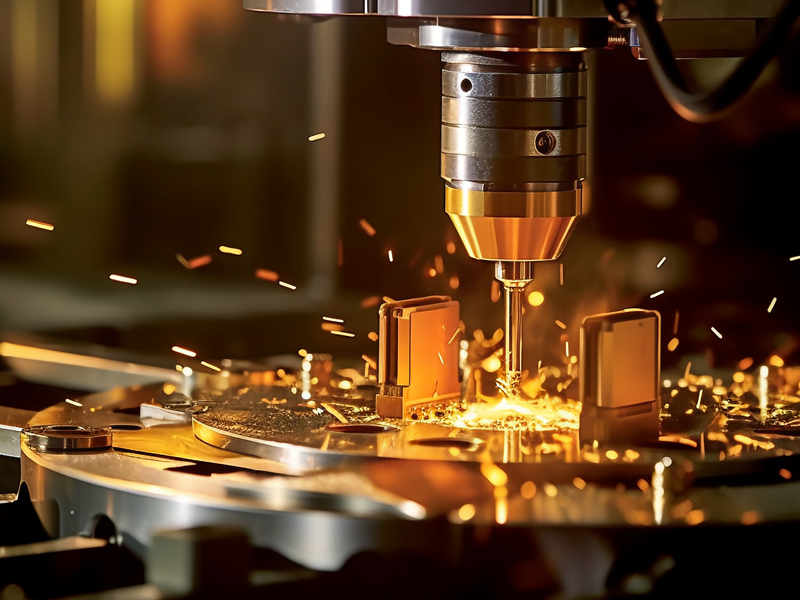
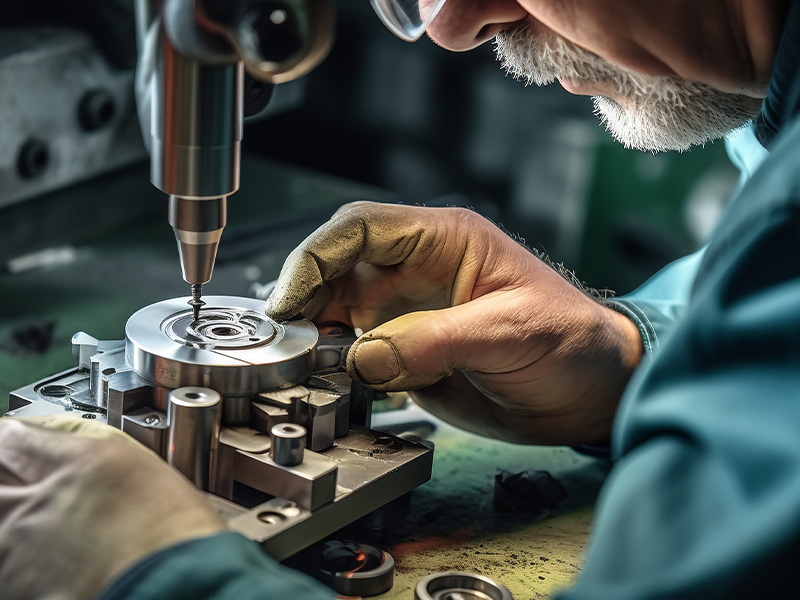
Machining a plastic injection mold requires precision equipment. CNC mills cut the cavity and core shapes. Electrical discharge machining creates sharp internal corners and fine details. Wire EDM cuts through hardened steel for ejector pin holes and other features. After machining, the mold surfaces may be polished or textured. Texture hides handling marks and helps release the part from the mold.
Production and Troubleshooting
Once completed, the plastic injection mold is mounted in an injection molding machine. The machine closes the mold, injects plastic under high pressure, holds pressure to compensate for shrinkage, and opens the mold to eject the part. Process parameters such as temperature, pressure, and cooling time are recorded for each mold.
Common defects in parts from a plastic injection mold include:
- Short shots where plastic fails to fill the cavity completely
- Flash where plastic escapes between mold surfaces
- Sink marks where thick sections shrink more than surrounding areas
- Weld lines where two flow fronts meet without fully bonding
Troubleshooting these defects involves adjusting machine settings or modifying the mold. Adding vents helps trapped air escape. Enlarging gates improves flow into difficult areas. Adjusting cooling channels reduces uneven shrinkage. Experienced mold technicians identify the root cause by examining the defect pattern.
Maintenance and Repair
A plastic injection mold requires regular maintenance to perform consistently. After each production run, the mold is cleaned of plastic residue and rust inhibitors are applied. Moving parts such as ejector pins and slides are lubricated. Cooling channels are flushed to remove scale buildup.
Periodic inspection checks for wear on critical surfaces. Ejector pins may become rough and require polishing. Guide bushings can wear and cause misalignment. Damaged threads for water fittings need repair. A maintenance schedule for each plastic injection mold extends its working life and reduces unexpected downtime.
The Backbone of Plastic Manufacturing
From bottle caps to dashboard components, the plastic injection mold creates the shapes that surround modern life. The mold itself is an invisible tool — seen only by the technicians who build and run it. But every consistent, quality plastic part owes its existence to a well-designed and properly maintained plastic injection mold.