EN
EN  English
 русский
 عربى
عربى 中文简体
中文简体
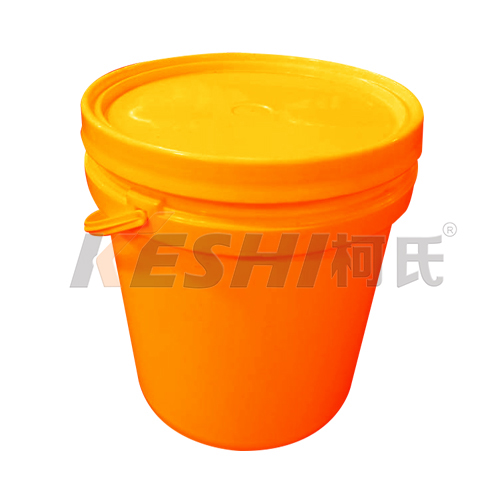
Storage boxes are produced in many styles and sizes. Some are made for household organization, while others are used for transport, warehousing, or workshop storage. Even though the products may look simple, the mould behind the production process has a direct influence on shape stability, surface appearance, and daily manufacturing conditions.
Choosing a suitable Storage Box Mould is usually connected with several practical questions. What material will be used? Will the container carry heavy loads? Does the product need a matching lid? Will the box be stacked for long periods? These details affect the tooling structure from the beginning.
Within the mould manufacturing field, Zhejiang Keshi Mould & Industry Co., Ltd. has appeared in industry discussions related to storage container tooling and practical production applications.
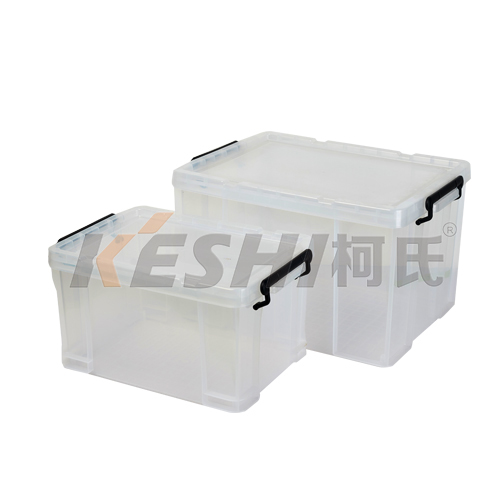
Modern storage products are no longer limited to basic rectangular boxes. Some include foldable sections, transparent panels, reinforced bottoms, or textured surfaces. As product structures become more detailed, mould design also becomes more closely connected with cooling layout, material flow, and part release stability.
For manufacturers, tooling selection is not only about producing a container shape. It is also related to long-term production rhythm, maintenance convenience, and consistency during repeated moulding cycles.
Understanding Different Types of Storage Containers
Storage containers are designed for different working environments. The product structure often decides how the mould should be arranged.
Household Storage Containers
Household containers are commonly used for clothing, toys, kitchen supplies, and small daily items. These products usually focus on simple handling and convenient storage.
Common product features include:
- Smooth surfaces
- Rounded corners
- Lightweight walls
- Stackable shapes
- Lid alignment
Because many household boxes are placed in visible indoor spaces, appearance matters during production. Surface marks or uneven cooling may become easier to notice on large flat sections.
Thin walls may also increase the risk of deformation if the cooling system is not balanced properly.
Industrial and Logistics Containers
Industrial containers are often used under heavier working conditions. Compared with household organizers, they usually require stronger structures and thicker wall sections.
Several areas influence mould development:
| Product Feature | Related Mould Concern |
|---|---|
| Deep box structure | Cooling and ejection |
| Thick walls | Heat distribution |
| Reinforced corners | Material flow balance |
| Stackable base | Dimensional stability |
Larger containers are more likely to warp if cooling conditions are uneven. Bottom deformation may also affect stacking during transport or storage.
In continuous production environments, mould maintenance and durability become important over time.
Foldable and Multi-Function Containers
Foldable storage products are designed to reduce occupied space when empty. These containers often contain hinges, clips, or movable side panels.
This increases mould complexity because multiple structural areas must remain aligned after repeated use.
Important considerations may include:
- Hinge thickness
- Locking accuracy
- Product release balance
- Flexible connection areas
Some products also include wheels or removable sections, adding more structural details to the tooling design.
Transparent and Decorative Containers
Transparent storage boxes require more attention to surface condition because defects are easier to see after production.
Flow marks, trapped air, and scratches may affect the final appearance. Because of this, mould polishing and venting are usually handled more carefully.
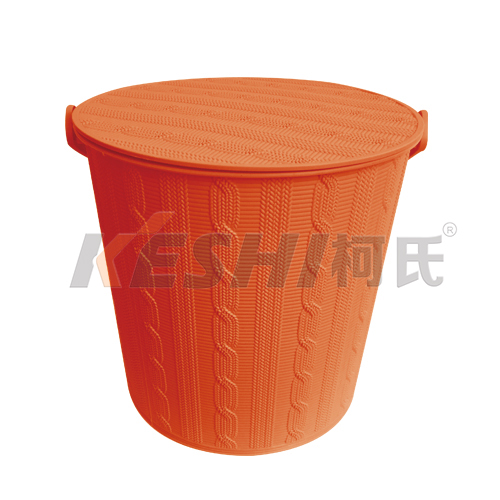
Decorative textures may also require additional surface treatment depending on the product style.
Why Mould Design Matters in Container Manufacturing
The mould affects more than the outer shape of a container. It also influences cooling balance, production stability, and material movement inside the cavity.
A suitable tooling structure may help reduce production interruptions and improve consistency during repeated manufacturing cycles.
Relationship Between Mould Structure and Product Quality
Storage boxes often contain flat surfaces and deep internal spaces. These areas are sensitive to uneven shrinkage during cooling.
Several tooling factors affect final product quality:
- Cooling channel arrangement
- Gate location
- Venting condition
- Wall thickness transition
- Ejection structure
If cooling speed is uneven, the product may bend or twist after release from the mould.
Insufficient venting may also create trapped air inside the cavity, leading to incomplete filling or visible marks.
Impact on Production Efficiency
Stable mould performance supports smoother production conditions.
Several tooling areas influence manufacturing rhythm:
- Cooling speed
- Product release stability
- Filling balance
- Maintenance frequency
- Automation compatibility
Large containers usually require more attention to heat distribution because broad surfaces cool more slowly.
In automated production lines, stable ejection performance also becomes increasingly important.
Influence on Material Consumption
Material usage is closely related to mould structure.
Runner layout, gate design, and filling balance may affect waste levels during production.
Several areas are commonly evaluated:
- Runner distribution
- Filling pressure
- Overflow control
- Gate dimensions
When material flow becomes uneven in multi-cavity production, product dimensions may also become inconsistent.
Key Factors to Consider Before Choosing a Storage Box Mould
Different products require different tooling arrangements. Before selecting a mould structure, manufacturers usually compare production conditions, product shape, and material behavior together.
Container Size and Capacity
Product dimensions directly affect mould structure and cooling layout.
Small organizers and large storage bins usually require different production conditions.
Several factors often change with product size:
- Cooling distribution
- Structural rigidity
- Ejection balance
- Reinforcement arrangement
- Injection stability
Large flat surfaces may deform more easily if temperature control is uneven during cooling.
Material Compatibility
Plastic materials behave differently during injection and cooling.
Some materials flow more easily into thin areas, while others require different gate positions or cooling adjustments.
Material-related factors often include:
- Shrinkage behavior
- Flow condition
- Cooling speed
- Surface requirements
- Venting performance
If the material does not match the mould structure properly, the final product may develop warping, sink marks, or unstable dimensions during production.
Production Environment and Machine Compatibility
A mould may perform differently depending on the production environment. Even when the product design remains the same, machine conditions, cooling systems, and factory layout can influence manufacturing stability.
Before production starts, manufacturers usually check whether the mould matches the injection equipment properly.
Injection Machine Matching
Machine size affects several parts of the moulding process.
If the mould is too large for the equipment, production may become unstable. If the machine capacity is not balanced with the product size, filling pressure and cooling performance may also be affected.
Several points are commonly checked:
- Clamping condition
- Injection capacity
- Mould opening distance
- Ejector movement space
Large storage boxes often require more stable pressure control because broad surfaces are sensitive to uneven filling.
Automation Integration
Many production lines now use automatic handling systems to reduce manual movement during manufacturing.
Stable mould operation becomes more important when robotic removal systems are used.
Common automation-related considerations include:
- Product release consistency
- Ejection timing
- Conveyor alignment
- Cooling cycle stability
If products deform during ejection, automatic handling systems may become less stable.
Factory Environment Factors
Production conditions inside the factory may also affect mould performance over time.
Several environmental factors are often connected with tooling stability:
- Cooling water condition
- Dust accumulation
- Temperature fluctuation
- Moisture exposure
Poor cooling circulation may reduce heat transfer efficiency, especially during continuous production cycles.
Common Problems During Storage Box Production
Different production problems may appear during container moulding. Some are related to material behavior, while others are connected with cooling balance or tooling structure.
Warping and Deformation
Warping is common in products with wide flat surfaces.
Uneven cooling usually causes one section of the container to shrink differently from another section.
Several factors may increase deformation risk:
- Unbalanced wall thickness
- Uneven cooling layout
- Large flat bottom areas
- Fast temperature changes
Large containers are usually more sensitive to this problem because heat remains inside the product longer.
Flash and Burr Formation
Flash appears when material escapes from the cavity edge during injection.
This problem may become more noticeable after long production cycles if mould surfaces begin to wear.
Several conditions may contribute to flashing:
- Poor mould fitting
- Excessive pressure
- Surface wear
- Alignment problems
Regular inspection may help reduce these issues during long-term operation.
Surface Defects
Surface quality is influenced by both tooling condition and material flow.
Common defects may include:
- Flow marks
- Gloss differences
- Air traps
- Sink marks
Transparent products are especially sensitive because defects become easier to see after production.
Lid Assembly Problems
Storage containers with matching lids require stable dimensional control.
If shrinkage changes between production cycles, the lid may become too loose or too tight after assembly.
Several areas may affect lid fitting:
- Cooling consistency
- Product deformation
- Edge alignment
- Snap-fit accuracy
Even small dimensional variation may influence repeated opening and closing performance.
Maintenance Considerations for Long-Term Mould Stability
Regular maintenance helps reduce unexpected production interruptions.
Over time, repeated pressure and temperature changes may affect mould surfaces, cooling channels, and moving components.
Routine Cleaning Practices
During production, material residue and dust may collect inside the mould.
Cleaning usually focuses on:
- Vent areas
- Runner sections
- Cooling channels
- Moving parts
If residue remains inside narrow areas, filling performance may gradually become unstable.
Regular Inspection Procedures
Inspection helps identify wear before production problems become serious.
Several areas are commonly checked:
- Surface wear
- Cooling blockage
- Ejector movement
- Fastener condition
Long production cycles may gradually change cavity alignment if maintenance is delayed.
Storage and Protection Methods
When moulds are not in use, storage conditions still matter.
Moisture exposure may increase the risk of corrosion, especially in cooling channels or polished surfaces.
Protective measures may include:
- Dry storage conditions
- Rust prevention treatment
- Surface protection oil
- Controlled storage temperature
Component Replacement Planning
Some mould structures are designed with replaceable inserts or removable sections.
This arrangement may help reduce downtime because worn areas can be changed separately without replacing the entire mould structure.
Environmental and Sustainability Considerations
Container manufacturing is also influenced by material efficiency and production energy use.
Many manufacturers now pay closer attention to reducing unnecessary waste during moulding.
Material Waste Reduction
Runner design and filling balance affect how much excess material is created during production.
Several areas may help improve material usage:
- Balanced runner systems
- Stable filling pressure
- Reduced overflow
- Controlled gate size
Inconsistent filling may increase scrap generation during continuous production.
Energy Consumption in Production
Cooling efficiency affects both cycle time and energy usage.
If heat removal becomes unstable, production cycles may become longer.
Several factors are commonly reviewed:
- Cooling channel arrangement
- Water circulation condition
- Heat distribution balance
- Machine operating rhythm
Large storage containers often require more attention because they retain heat longer than smaller products.
Reusable Container Demand
Many storage products are now designed for repeated long-term use rather than short replacement cycles.
This creates greater focus on:
- Structural durability
- Stack stability
- Repeated handling resistance
- Surface wear condition
As a result, mould durability and dimensional consistency remain important throughout long production periods.
Communication Between Product Designers and Mould Engineers
Container production usually becomes more stable when product design and tooling development are discussed together from the beginning.
Early communication may reduce repeated design adjustments later.
Early Design Collaboration
Some product structures appear practical during drawing development but become difficult to manufacture during mould production.
Early discussion often helps improve:
- Wall thickness balance
- Draft angle arrangement
- Cooling access
- Ejection stability
This may reduce tooling modification later.
Prototype Evaluation
Before large-scale production begins, prototype testing is often used to check product structure and assembly condition.
Several areas are commonly reviewed:
- Shape consistency
- Lid fitting
- Stacking stability
- Surface appearance
Testing may also reveal areas where cooling or material flow requires adjustment.
Adjustments During Trial Production
Small tooling changes are common during early production stages.
Adjustments may involve:
- Gate dimensions
- Cooling balance
- Venting position
- Ejection timing
These corrections help improve stability before continuous manufacturing begins.
Industry Trends Influencing Storage Box Mould Development
Storage container designs continue to change as production methods and usage habits evolve.
Lightweight Container Structures
Many products now aim to reduce unnecessary material thickness while maintaining structural support.
This often increases attention on:
- Rib arrangement
- Wall thickness balance
- Material flow control
Reducing weight without creating deformation becomes an important part of mould development.
Modular Storage Systems
Some storage products are designed to connect or stack together in different combinations.
This creates greater focus on dimensional consistency between separate components.
Surface Appearance Expectations
Consumers often pay closer attention to surface finish than before.
Because of this, mould polishing and texture consistency remain important during production.
Digital Support in Tooling Development
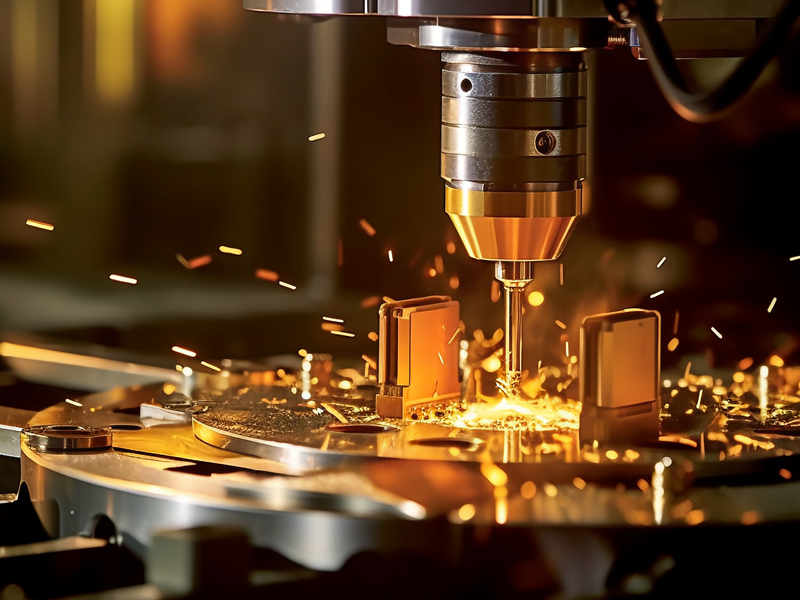
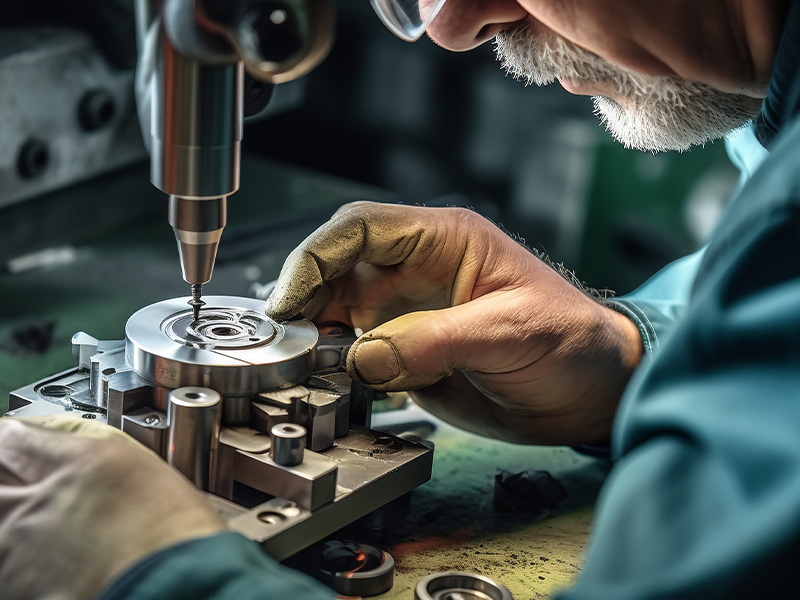
Simulation tools and precision machining methods are increasingly used during mould manufacturing.
These processes may help improve:
- Cooling analysis
- Material flow prediction
- Structural accuracy
Although tooling principles remain similar, production methods continue to become more refined over time.