EN
EN  English
 русский
 عربى
عربى 中文简体
中文简体
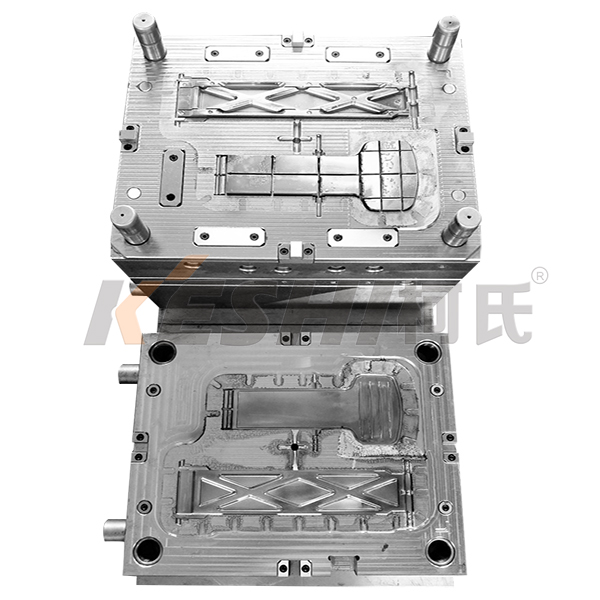
Global supply chains depend on packaging systems that can handle transportation, storage, and repeated handling across different environments. From warehouse crates to plastic pallets, industrial logistics products are manufactured in large quantities to support movement of goods between factories, distributors, and retailers. Behind these products, the Logistics Mould plays an important role in determining structure, durability, and production efficiency.
Instead of functioning as simple forming tools, molds influence how logistics products perform during long-term industrial use.
Why Logistics Packaging Requires Specialized Moulds
Industrial packaging products are exposed to pressure, stacking weight, and repeated movement during transportation cycles. Standard household plastic molds are not suitable for these conditions because logistics products often require reinforced structures and large dimensions.
A Logistics Mould is designed specifically for manufacturing products such as:
- Plastic pallets
- Storage crates
- Turnover boxes
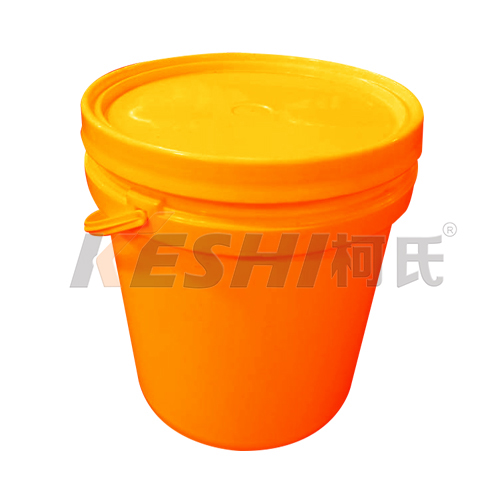
- Attached-lid containers
- Industrial bins and trays
These products need consistent wall thickness and stable structural design to handle warehouse and transport environments.
Injection Molding and Large-Scale Production
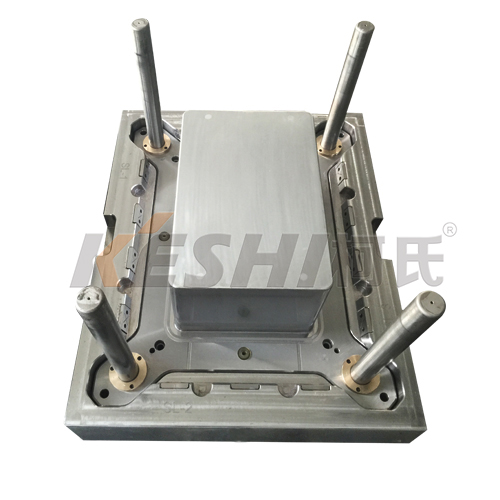
Many logistics products are manufactured through injection molding processes. In this system, a Logistics Mould shapes molten plastic into reusable industrial containers and transport components.
The production process generally includes:
- Heating plastic raw material
- Injecting material into the mold cavity
- Cooling under controlled conditions
- Product ejection and trimming
- Quality inspection before packaging
For larger logistics products, mold cooling systems are especially important because uneven cooling may affect structural stability.
Structural Design and Load Distribution
One key function of a Logistics Mould is controlling how weight is distributed across the final product. Logistics containers often carry heavy goods in stacked warehouse environments.
To support this, mold engineers integrate features such as:
- Reinforcement ribs
- Stackable edge structures
- Anti-slip surfaces
- Forklift entry channels for pallets
- Ventilation or drainage openings where required
These design details help products maintain stability during transportation and storage operations.
Role in Reusable Packaging Systems
Reusable packaging has become more common in industrial logistics. Instead of relying only on disposable materials, many companies now use plastic containers that circulate repeatedly within supply chains.
A Logistics Mould supports this system by producing containers designed for repeated loading, unloading, and cleaning cycles. Durability becomes important because products may move through warehouses, trucks, and distribution centers many times before replacement.
This approach is commonly seen in automotive parts transport, agricultural distribution, and retail warehouse operations.
Customization for Different Industries
Different industries require different packaging dimensions and structural layouts. A Logistics Mould can be customized to match specific operational requirements based on product type and transport methods.
Examples include:
- Foldable crates for retail distribution
- Heavy-duty pallets for industrial machinery parts
- Ventilated containers for agricultural products
- Stackable bins for warehouse automation systems
Customization may also include embossed logos, RFID tag positions, or color coding for inventory management.
Mold Maintenance and Production Stability
Large industrial molds operate under repeated pressure and temperature cycles. Regular maintenance is important to maintain production accuracy over time.
A Logistics Mould often undergoes cleaning, polishing, and dimensional inspection after production cycles. Cooling channels and moving parts also require periodic servicing to prevent wear-related defects during molding operations.
Stable mold maintenance helps reduce product variation and supports long-term manufacturing consistency.
Influence on Automated Warehousing
Modern warehouses increasingly use automated handling systems such as conveyor lines and robotic sorting equipment. Packaging dimensions must align with these systems to avoid transport interruptions.
Because of this, a Logistics Mould is often designed with automation compatibility in mind. Consistent dimensions help products move smoothly through mechanical handling systems and storage racks.
This trend has increased demand for more precise industrial mold engineering in logistics manufacturing.
Industrial packaging systems rely heavily on durable and reusable plastic products that support transportation and storage across complex supply chains. The Logistics Mould is a key part of this process because it shapes how containers, pallets, and transport units are manufactured.
As warehouses and distribution networks continue evolving toward automation and reusable packaging systems, mold design remains closely connected to the practical needs of modern logistics operations.