EN
EN  English
 русский
 عربى
عربى 中文简体
中文简体
Material Selection in Storage Box Production
Material selection sits at the heart of making plastic storage boxes with injection moulding. It directly affects how the plastic moves into the Storage Box Mould, how it settles and cools inside the cavities, and how the final containers behave once they reach people's homes or workplaces. Manufacturers weigh several practical factors to pair the right plastic with the intended purpose of the boxes, whether for everyday home organization, office use, or moving goods around in transport settings. Getting this match right helps keep production running smoothly and delivers steady quality from one batch to the next.
In real workshop situations, a few key points always come up during these decisions. The plastic needs to travel smoothly through the mould channels without creating delays or defects. It should cool in a predictable way so the boxes hold their shape after they come out. Everyday performance also matters a great deal, because storage containers get handled repeatedly, stacked, and come into contact with all sorts of items.
- How the material flows during injection and whether it fills corners and ribs evenly
- The speed and consistency of cooling, which influences cycle times and internal stresses
- The balance between rigidity and a bit of flexibility in the finished part
- How the plastic interacts with the mould surface to create the desired look on walls and bases
Taking time to consider these aspects leads to better results when working with Box Mould systems and helps meet the varied needs of people who will actually use the containers.
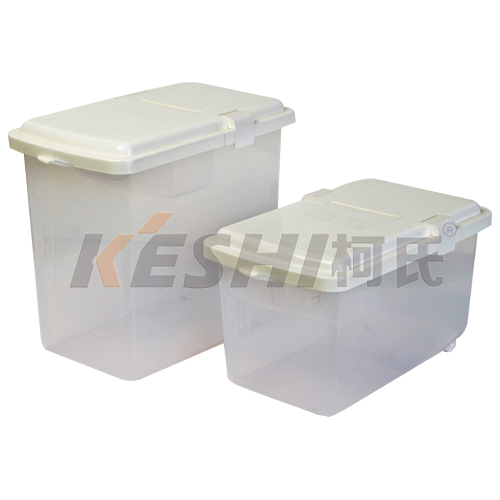
Overview of Common Plastics Compatible with Storage Box Mould
Polypropylene along with different polyethylene grades show up regularly in Storage Box Mould projects. These plastics have processing traits that line up well with the demands of injection moulding for containers. They work comfortably with typical mould surfaces and temperature settings, allowing the material to fill properly and release cleanly. Each type brings its own mix of flow behavior and end-use properties that can fit a range of container designs without forcing major changes to the process.
Over time, these materials have become go-to options because they run reliably under normal injection conditions and produce boxes that perform well in actual use. Polypropylene usually delivers a well-rounded set of characteristics, while the polyethylene family lets producers adjust between more stiffness or more flexibility depending on what the container needs to do.
- Natural compatibility with standard mould steels and cooling channel layouts
- Even acceptance of color additives for uniform appearance
- Solid release properties that make ejection straightforward
- Flexibility to run in both single-cavity and multi-cavity mould setups
All these features make the materials quite practical for companies handling Mould work at different production scales.
Properties of Polypropylene in Relation to Storage Box Applications
Polypropylene flows well at normal moulding temperatures and gains noticeable rigidity once it cools. Inside Storage Box Mould setups, it spreads evenly across walls, bases, and the raised edges used for stacking. The material keeps its shape under the kinds of loads common in storage situations and stands up to many ordinary household substances. This combination of traits makes it a sensible choice for boxes that will be handled often and stacked at moderate heights.
In the filling stage, polypropylene travels through gates and runners in a controlled manner. This helps moulders maintain uniform thickness in the sides and bottom of the box. Cooling happens without building up too much internal stress, so the parts usually come out close to the intended dimensions. Cooling line adjustments typically focus on working with the material's natural shrinkage behavior.
Beyond the basic flow, other details matter in daily production. The material forms stable structures that support things like snap lids or interlocking edges. It also accepts pigments well, allowing for solid colors or translucent finishes. In actual storage environments, polypropylene boxes tend to handle common cleaning products without issues and resist picking up unwanted odors.
- Ability to create even wall thickness on larger flat surfaces
- Reliable formation of stacking rims and strengthening details
- Enough flexibility to absorb light impacts during normal handling
- Good dimensional stability even after many moulding cycles
These everyday working qualities help explain polypropylene's frequent use in storage containers made with Storage Box Mould technology.
Characteristics of Polyethylene Variants for Container Moulding
High-density polyethylene brings a useful combination of stiffness and some ability to handle impacts. Paired with a Mould, it reproduces details such as rims, handles, and internal ribs quite effectively. This makes it suitable for containers that may get dropped occasionally or have lids that open and close regularly. Low-density polyethylene, on the other hand, provides more pliability. It fills detailed areas with less injection pressure and gives the finished parts a bit of flexibility that can prevent cracking when bent slightly.
Both types of polyethylene resist taking in moisture, which makes them suitable for environments where humidity levels change. During moulding, careful attention to temperature settings helps avoid uneven surfaces or sink marks, especially on bigger flat sections of the boxes.
Each variant has its own processing notes that producers keep in mind. High-density versions often suit containers that need a stronger presence, while low-density versions work better when a softer feel or easier closing action is desired.
- Clear replication of both smooth and textured mould surfaces
- Support for strong but still relatively lightweight walls
- Reasonable tolerance for small changes in processing temperatures
- Good performance with designs that include flexible sections or hinges
These differences give manufacturers useful options when matching the plastic to the final purpose of the storage boxes.
Comparison of Material Behavior During the Moulding Process
Polypropylene and polyethylene respond differently when injected into the Mould. Polypropylene generally shows lower directional shrinkage in many layouts, which helps keep straight walls accurate and makes lid fitting more reliable. Polyethylene can show a slightly different overall shrinkage pattern, so technicians often make small adjustments to the cavity dimensions to compensate.
Flow behavior varies as well. Polypropylene frequently handles thinner wall sections while still feeling solid. Polyethylene tends to perform comfortably in thicker areas where extra toughness is useful. These contrasts influence decisions about gate positions and venting to prevent trapped air or visible weld lines on the outside of the boxes.
Looking more closely at the full moulding sequence shows additional differences. Filling speed, pressure needs, cooling duration, and ejection behavior all affect daily decisions on the shop floor.
- How shrinkage direction and amount influence lid fit and stacking performance
- Flow length that determines practical wall thickness ranges
- Response to shear during injection and its effect on surface quality
- Sensitivity to mould temperature changes when controlling appearance
Awareness of these points makes it easier to switch between materials on the same Storage Box Mould when different orders come through.
Factors Influencing Material Choice for Different Box Types
Box size and wall thickness play a major role in material decisions for every Storage Box Mould project. Larger containers often work better with plastics that spread stress across broad surfaces. Smaller organizer boxes usually benefit from materials that capture fine details and smooth finishes clearly. Stacking height, expected load, and whether the box needs to be see-through or colored also shape the final choice.
Real-world application adds more layers to the thinking. Home storage items might prioritize clean looks and easy cleaning, while boxes used in transport focus more on holding up during movement.
- Overall dimensions and surface area that affect how heat moves during cooling
- Level of transparency needed so users can see contents inside
- How often lids will be removed and replaced in normal use
- Possible contact with oils, detergents, or other common substances
- Target weight that feels comfortable for people to carry and stack
Considerations for Surface Finish and Structural Integrity
The way a plastic interacts with the Box Mould has a big say in both how the final box looks and how strong it feels in everyday use. Some materials pick up a polished mould surface cleanly, leaving the outer walls smooth and simple to wipe clean. Others pair better with a light texture on the mould, which does a good job of hiding small flow lines or scratches that show up after normal handling.
Strength comes from getting the plastic to spread evenly, especially in corners, ribs, and the base. Polypropylene usually gives nicely balanced walls that stay flat even on bigger boxes. The polyethylene types often add a bit more toughness right where it counts, like around handles or the edges that take stacking pressure.
- How sharply the plastic copies small mould details such as logos or textured grip areas
- Even filling in corners and thicker sections to cut down on weak spots
- Keeping the bottom surface flat enough for steady stacking
- Managing sink marks on areas where the wall thickness changes
When these points are handled well during production, the boxes end up looking neat and holding together through regular daily use.
Aspects of Chemical Resistance and Environmental Exposure
Storage boxes regularly sit near cleaning sprays, oils, leftover food, or random workshop items. The plastic has to cope with these without quickly breaking down or looking worn out. Polypropylene generally deals with a wide mix of household chemicals and light industrial stuff without much fuss. Polyethylene versions also hold up steadily, especially when moisture or the occasional spill comes into play.
Changes in humidity and limited exposure to sunlight in covered areas make a difference too. Plastics that don't soak up moisture help the boxes keep their original shape and avoid turning brittle or too soft after months of use.
- How they stand up to common detergents and mild acids
- Behavior around oils, greases, or lubricants in storage
- Stability when humidity levels rise and fall over time
- Resistance to picking up stains from whatever is stored inside
These traits help the containers stay practical even when conditions aren't perfect.
Temperature Performance in Everyday Storage Conditions
Every storage box goes through ordinary temperature changes — from warm afternoons in a garage to cooler nights or seasonal shifts. The material needs to stay reasonably stable so lids still close properly and sides don't start to twist or sag. Polypropylene usually keeps its shape across the temperatures most people encounter indoors or in sheltered outdoor spots. Polyethylene gives similar stability plus a touch more flexibility that handles small expansions without cracking.
This matters for both function and appearance. Boxes that don't change shape much stack more reliably and do a better job protecting what's inside as the weather or room conditions shift.
- How well lids stay secure when temperatures go up and down
- Resistance to getting too soft in warmer spots
- Keeping decent impact resistance when it's cooler
- Overall ability to hold dimensions over time
Choosing the right plastic helps avoid frustrating issues like warped sides or lids that no longer fit snugly.
Impact on Production Flow and Mould Compatibility
The plastic you run has a real effect on how smoothly things move on the shop floor with a Storage Box Mould. Materials that flow predictably and cool at a steady pace make cycles more consistent and cut down on unexpected stops. When the plastic gets along well with the mould steel, cooling lines, and ejection pins, parts come out cleaner and the mould itself sees less wear.
Operators might tweak a few settings when switching materials, but the better the match, the fewer headaches during a production run. This keeps output steadier and saves time that would otherwise go into constant adjustments.
| Aspect | Polypropylene | High-Density Polyethylene | Low-Density Polyethylene |
|---|---|---|---|
| Flow into Mould | Steady and controlled | Good for detailed areas | Fills flexible zones easily |
| Cooling Behavior | Even with manageable shrinkage | Balanced across thicker sections | Forgiving with temperature changes |
| Release from Mould | Generally clean | Reliable with proper settings | Smooth even with softer designs |
| Effect on Cycle Rhythm | Supports consistent pacing | Steady for structural parts | Works well for designs needing give |
Role of Material in Product Weight and Handling
How heavy the finished box feels makes a noticeable difference in daily use. Lighter containers are easier for people to carry and rearrange at home. Slightly heavier ones can feel more solid for workshop or transport situations. Material choice lets manufacturers strike a sensible balance between weight and the strength needed for each size and purpose. This consideration comes up in nearly every Box Mould job because nobody wants boxes that are awkward to move around.
Approaches to Customization Through Material Selection
Different plastics give room to adjust the final product without rebuilding the mould from scratch. One grade might offer better clarity for see-through containers, while another brings more flexibility for lids that need to snap on easily or bend a little. Surface feel and color options also change depending on the material, making it simpler to create variations for different customers.
- Picking grades that run clear or take color evenly
- Matching the plastic to boxes with hinged or snap features
- Choosing textures from smooth to more grippy
- Aligning the material with the main environment where the box will live
This kind of flexibility helps when developing new styles using the same basic mould.
Maintenance and Longevity Aspects Linked to Chosen Plastics
Most boxes made from these plastics need almost no special care. They handle regular wiping, occasional washing, and normal bumps without losing shape quickly. A good material match with the Storage Box Mould also lowers built-up stresses inside the part, so cracks or deformation show up much later, if at all.
Industry Practices for Matching Materials to End Uses
Experienced moulders usually start by asking what the box will actually be used for. Home organizers might need smoother looks and lighter weight, while transport boxes often call for more toughness and rigidity. This simple matching step helps the Storage Box Mould turn out parts that actually work well in their real environment instead of just looking good on paper.
Emerging Considerations in Material Development for Moulded Boxes
Developers keep working on ways to improve how these plastics flow and how they affect the environment, all while making sure they stay easy to run on standard injection machines. Newer versions try to combine the strong points of current materials, giving factories more practical choices for storage container designs going forward.Companies such as those from Zhejiang Keshi Mould & Industry Co., Ltd. regularly apply these material approaches in their daily projects for plastic storage solutions.