
 EN
EN  English
 русский
 عربى
عربى 中文简体
中文简体
Product Categories
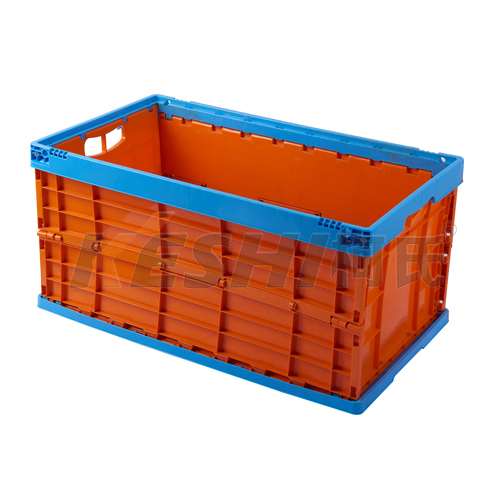
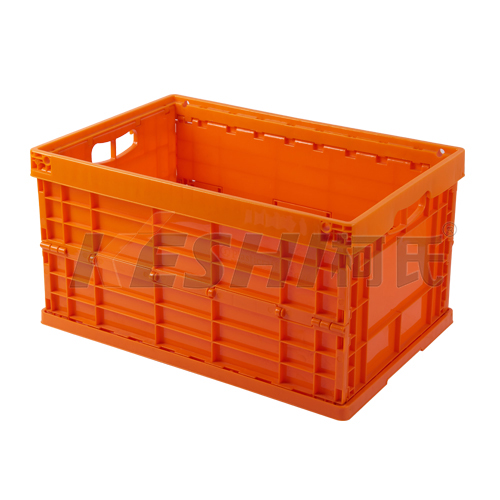
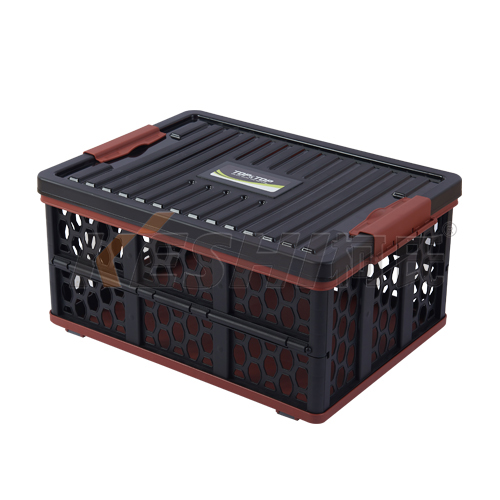
Keshi Mould
Contact Us
Which is a manufacturer & supplier of an extensive range of plastic moulds, Household Plastic Mould, Package Mould, Furniture Mould, Logistics Mould and Pipe Fitting Mould, etc.
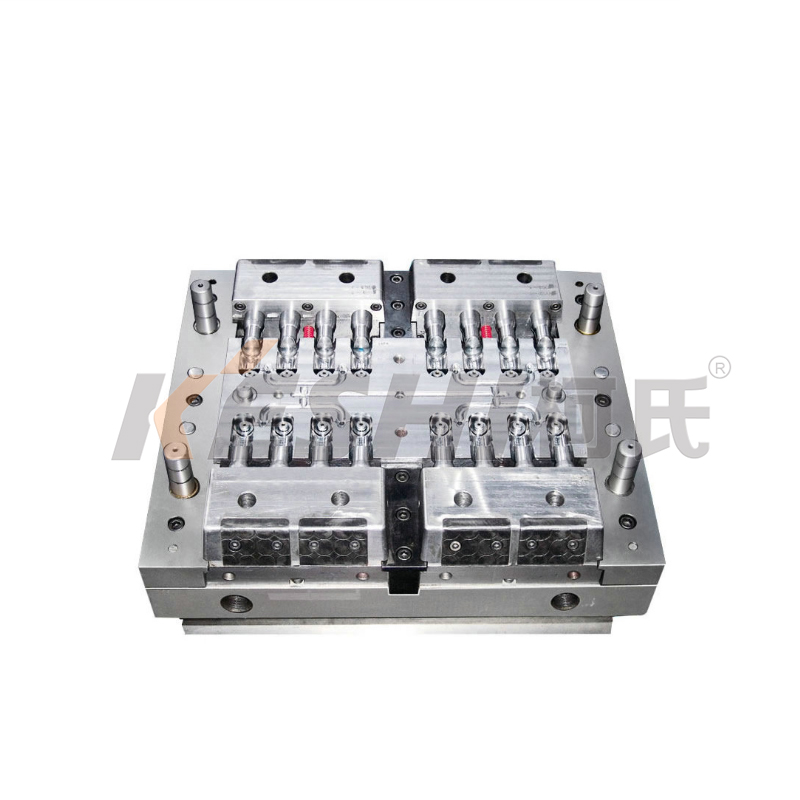
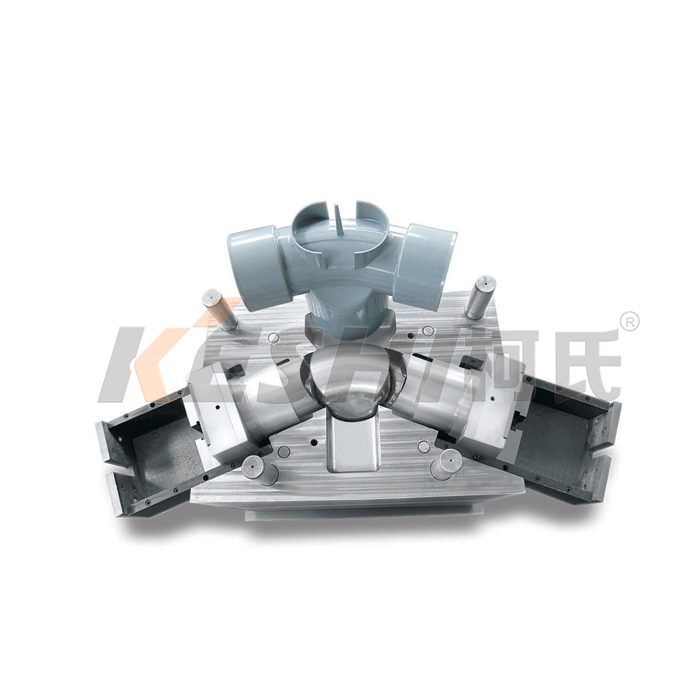
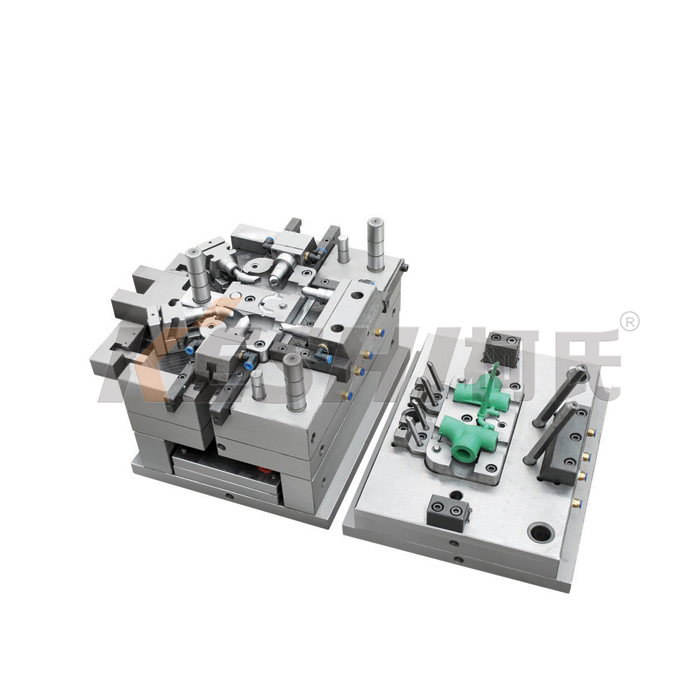
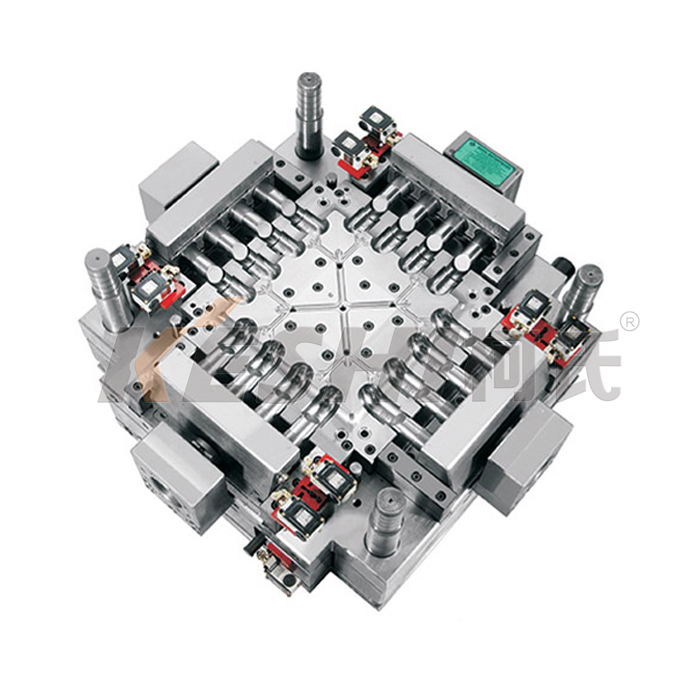
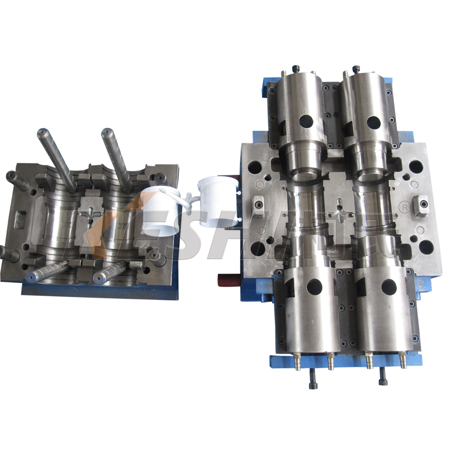
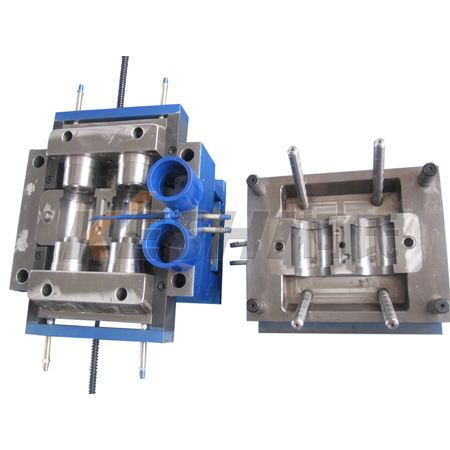
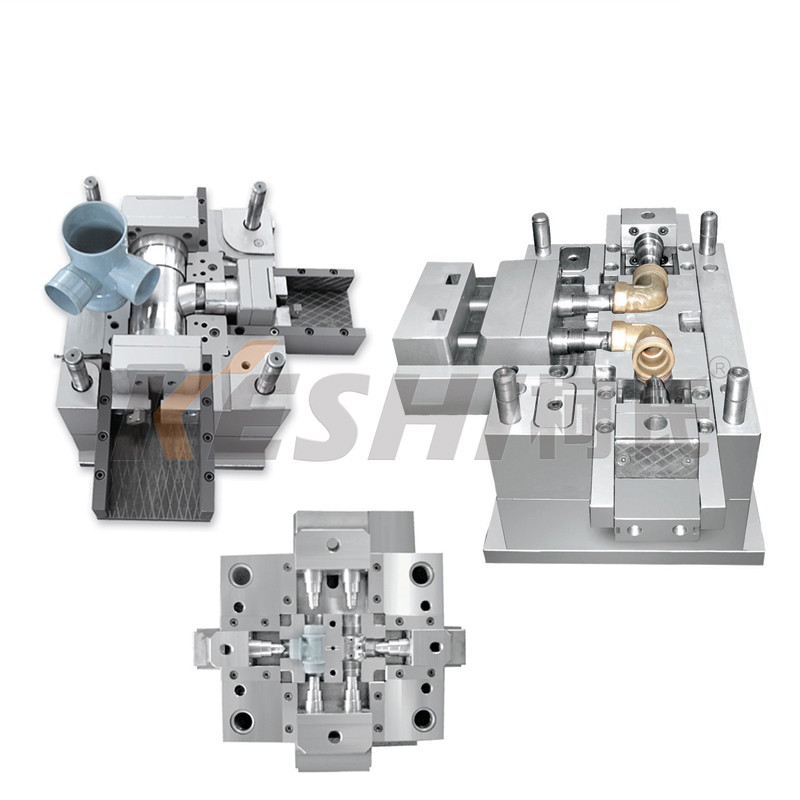
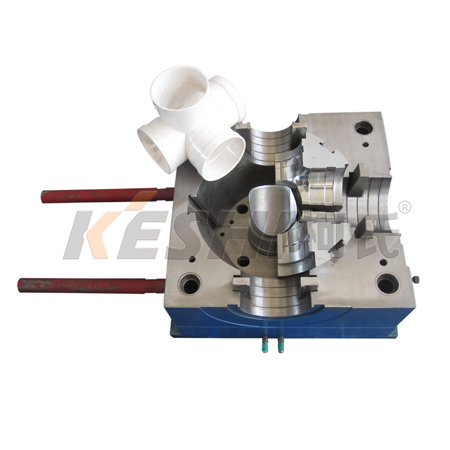
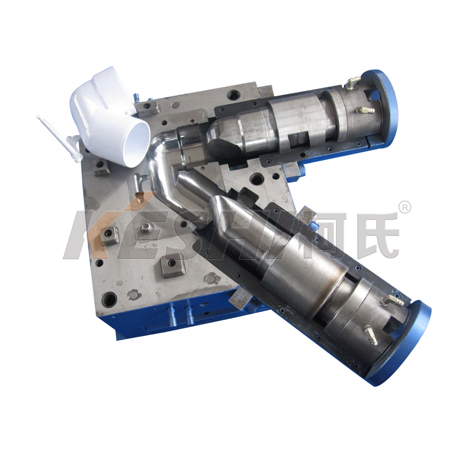
Pipe Fitting Mold Manufacturer
KESHI MOULD, your reliable cooperator in pipoe fitting mould project. Based on the outstanding mould design, KESHI has strong machining capacity and very profesional tooling process, has very high assembling and pipe fitting mould injection testing inspection capacity. We keen on the high quality combine with low cost and on time delivery. We manufacture and supply different pipe fittings and injection moulds as per customer request
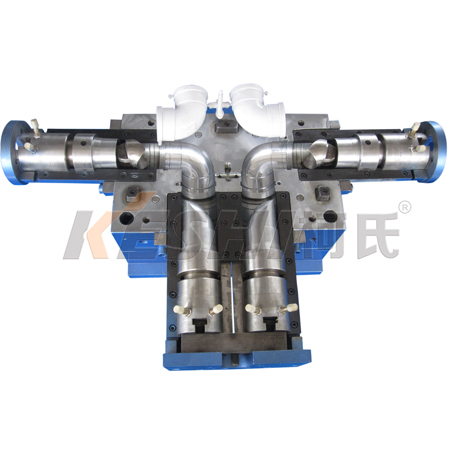
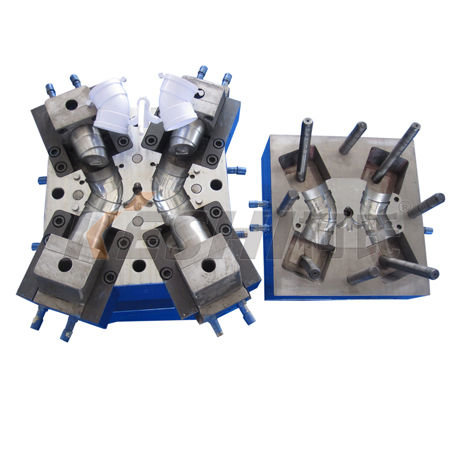
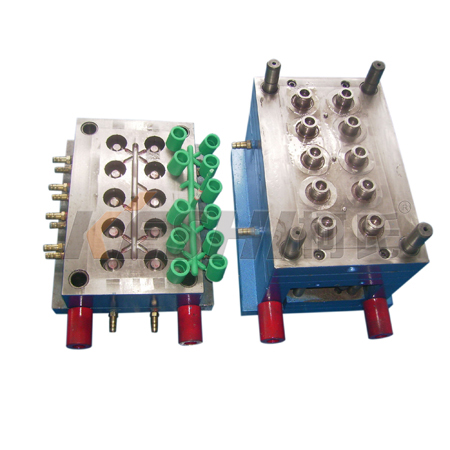
ABOUT US
Zhejiang Keshi Mould & Industry Co., Ltd.
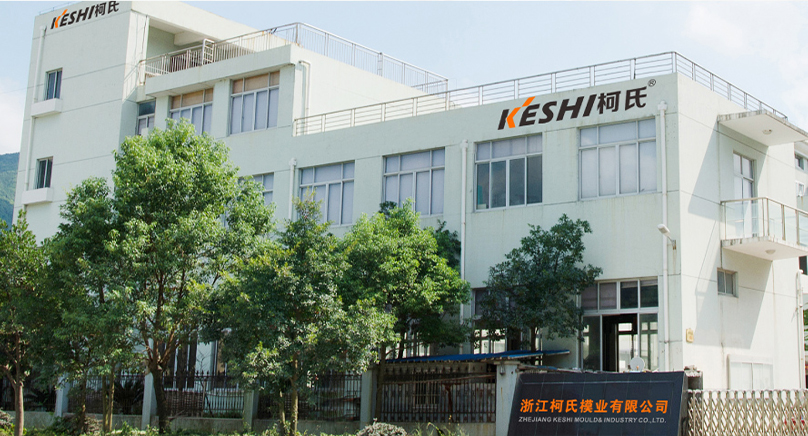
Zhejiang Keshi Mould & Industry Co., Ltd. is a Custom Pipe Fitting Mould Manufacturer and China OEM/ODM Pipe Fitting Mould Factory, We produce, manufacture, and sell Household Plastic Mould, Package Mould, Furniture Mould, Logistics Mould and Pipe Fitting Mould, etc.
We have complete mould-building facilities furnished with the latest modelling software: UG, CAD/CAM, PROE, SOLIDWORKS, and advanced processing equipment to ensure high-quality mould. We aim to meet and exceed our customers’ expectations through design, competitive prices, fast delivery, and after-sales service.
News
-
Leading the Way in Custom Mold Production A Mold Manufacturer Supplier plays an essential role in industries ranging from automotive and electronics to consumer...
READ MORE -
The Role of Plastic Injection Molds in Modern Production A Plastic Injection Mold plays a critical role in the manufacturing of plastic products across various ...
READ MORE -
From Granules to Garden Chairs Every plastic chair, table, and storage unit begins as tiny granules inside massive molding machines. A plastic furniture mold tr...
READ MORE -
What Makes Logistics Moulds Different Every warehouse stacked with pallets, every shipment secured in plastic crates, and every distribution center organized wi...
READ MORE -
Where Kitchen Containers Begin Open any kitchen cabinet and find storage containers in every shape and size. Each one started as liquid plastic inside a househo...
READ MORE -
What Actually Happens Inside a Mold Look around any room and count plastic items. Phones, remotes, water bottles, toys, containers. Every single one began as li...
READ MORE -
How Do Plastic Package Molds Improve Manufacturing A Plastic Package Mold is essential for producing consistent, high-quality packaging products used in food, c...
READ MORE -
How Do Pipe Fitting Molds Enhance Manufacturing Efficiency A Pipe Fitting Mold is a key tool in producing high-quality pipe connectors for plumbing, irrigation,...
READ MORE -
How Do Logistics Moulds Improve Supply Chain Efficiency Efficient packaging and storage are critical in modern supply chains, and a Logistics Mould provides con...
READ MORE -
How Do Household Plastic Molds Improve Manufacturing Efficiency A Household Plastic Mold plays a vital role in producing consistent, high-quality household prod...
READ MORE -
Thin wall molding is a specialized injection molding process used to manufacture plastic parts with relatively thin wall sections while maintaining structural i...
READ MORE -
How does the Chemical and Impact Resistance of Paint Bucket Molds Affect Their Performance? In the production of paint buckets, the material properties and resi...
READ MORE
We Have Rich Industry Experience, Strong Technical Strength,
And a Technical Team. Can Provide One-stop Solutions Based On Customer Needs.

-
2018
Was founded in
-
10+
Industry experience
-
xxx
Patent Certificate
-
xx+
Automatic production line
Honor

Leaving a Message
If you would like to learn more about our products, please feel free to contact us and we will do our to assist you.
Industry Knowledge Extension
How to Test the Performance of a Pipe Fitting Mould?
Testing the performance of a pipe fitting mould is a multi-step process that combines mechanical inspection, trial production, and process verification. The goal is to confirm that the mold meets design and production requirements before mass manufacturing.
1. Dimensional and Structural Inspection
Before trial molding, critical dimensions of the mold cavity, core, and parting surfaces should be measured using coordinate measuring equipment or precision gauges. This step verifies tolerances related to pipe diameter, socket depth, and sealing groove geometry.
2. Trial Molding and Process Validation
Trial runs are conducted using the specified plastic material, such as PVC, PP, or PE. During these tests, parameters including injection pressure, melt temperature, and cooling time are recorded. The molded fittings are then checked for dimensional stability and visual consistency.
3. Functional Performance Testing
Finished pipe fittings are tested for assembly compatibility and sealing performance. For water pipe fittings, pressure or leakage tests are often carried out to confirm that the molded parts meet usage requirements.
4. Cycle Stability Assessment
Continuous trial cycles, typically 50 to 100 shots, are used to evaluate mold stability. Any variation in product weight, shrinkage, or surface quality may indicate issues in cooling balance or mold rigidity.
Through these steps, manufacturers can identify potential risks before full-scale production begins.
What Are the Common Defects in Pipe Fitting Mold and How Can They Be Avoided?
Despite careful design, pipe fitting molds may still encounter defects during production. Understanding these issues and their causes helps reduce rework and downtime.
1. Flashing at Parting Lines
Flashing occurs when molten plastic escapes from the mold parting surface. This is often caused by insufficient clamping force, worn parting edges, or uneven mold alignment.
Avoidance methods: Improve mold fitting accuracy, maintain parting surfaces, and ensure adequate machine clamping force.
2. Warpage and Deformation
Warped pipe fittings may not align correctly during installation. This defect is usually linked to uneven cooling, inconsistent wall thickness, or improper ejection.
Avoidance methods: Optimize cooling channel layout, maintain uniform wall thickness, and adjust ejection force distribution.
3. Short Shots
Incomplete filling of the cavity results in short shots, especially in long or thick pipe fittings. This defect is often related to low injection pressure or poor gate design.
Avoidance methods: Increase injection pressure, improve gate size and location, and ensure proper material flow.
4. Sink Marks
Sink marks may appear near thick sections such as reinforcement ribs or socket areas. They occur due to material shrinkage during cooling.
Avoidance methods: Reduce local wall thickness, improve packing pressure, and extend holding time.
5. Surface Roughness or Flow Marks
Uneven surface texture affects both appearance and sealing performance. This is commonly caused by low mold temperature or insufficient polishing.
Avoidance methods: Adjust mold temperature settings and improve cavity surface preparation.
Systematic defect analysis and targeted corrective actions help maintain stable mold operation.
How to Improve the Surface Finish of Water Pipe Fitting Mold Products?
Surface finish is particularly important for water pipe fittings, as it influences appearance, flow resistance, and sealing reliability. Several measures can be applied to improve surface quality.
1. Improve Mold Surface Processing
Fine polishing or controlled texturing of the mold cavity reduces surface irregularities. For water pipe fittings, mirror or semi-matte finishes are often selected based on functional needs.
2. Optimize Mold Temperature Control
Stable and uniform mold temperature allows molten plastic to flow smoothly along the cavity surface. This reduces flow lines and improves surface consistency.
3. Adjust Injection Parameters
Appropriate injection speed and pressure help avoid turbulence and air entrapment. Gradual filling is particularly important for fittings with long flow paths.
4. Select Suitable Raw Materials
Using plastic materials with stable melt flow properties and low impurity content contributes to a cleaner surface finish. Proper drying of hygroscopic materials is also necessary.
5. Maintain Mold Cleanliness
Regular cleaning removes residue, release agents, and deposits that can affect surface appearance. Preventive maintenance schedules help sustain consistent results over long production cycles.
Copyright © 2023 Zhejiang Keshi Mould & Industry Co., Ltd. All Rights Reserved

Water Pipe Fitting Mold Company