
 EN
EN  English
 русский
 عربى
عربى 中文简体
中文简体
Product Categories
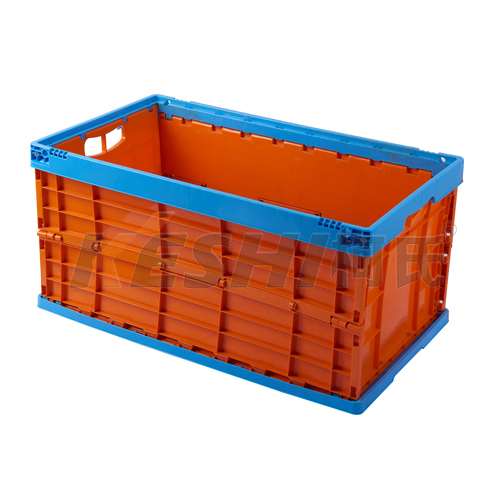
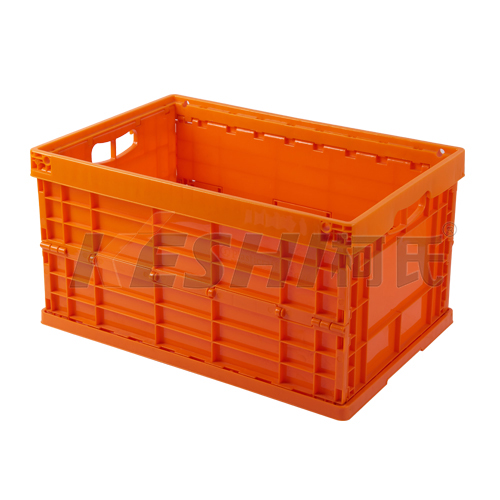
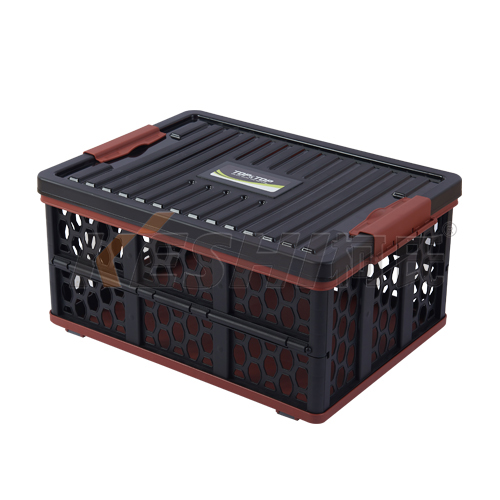
Keshi Mould
Contact Us
Which is a manufacturer & supplier of an extensive range of plastic moulds, Household Plastic Mould, Package Mould, Furniture Mould, Logistics Mould and Pipe Fitting Mould, etc.
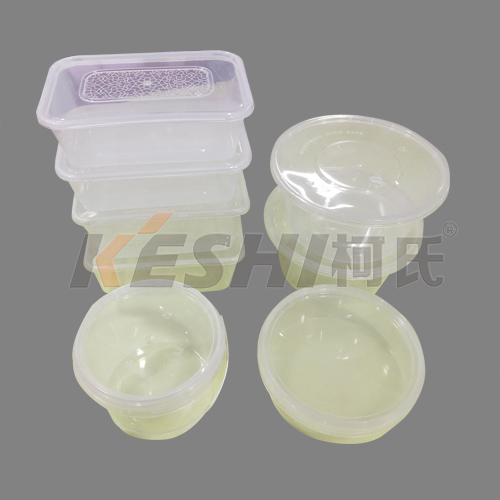
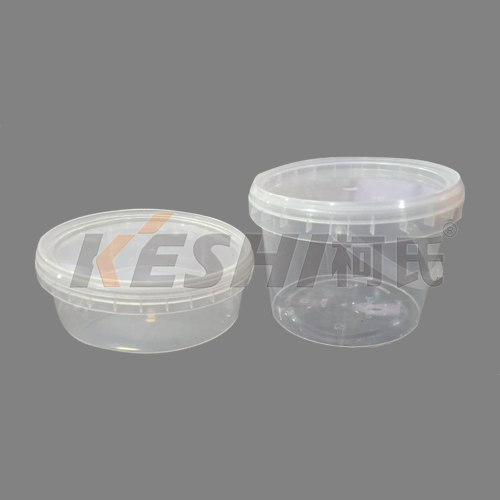
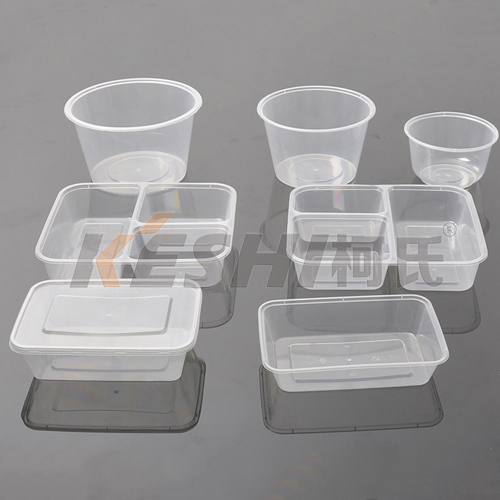
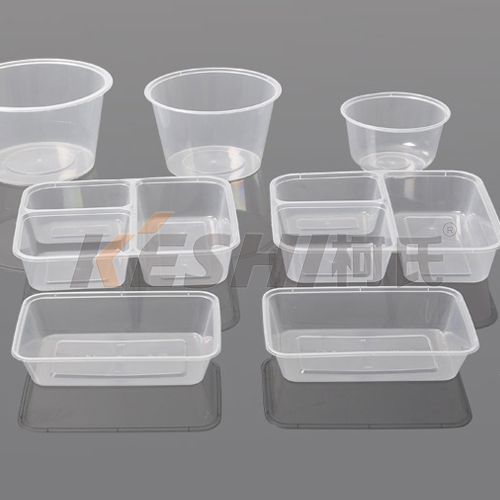
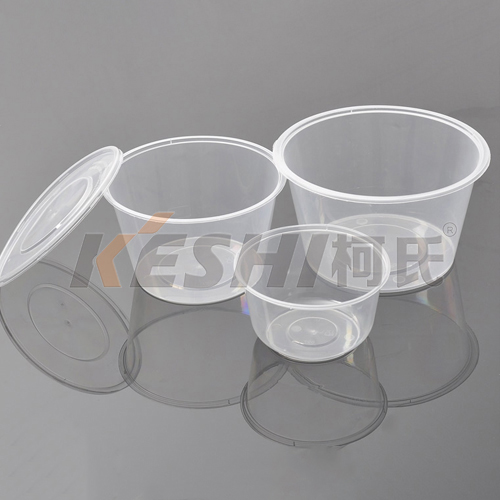
Thinwall Container Mould Manufacturer
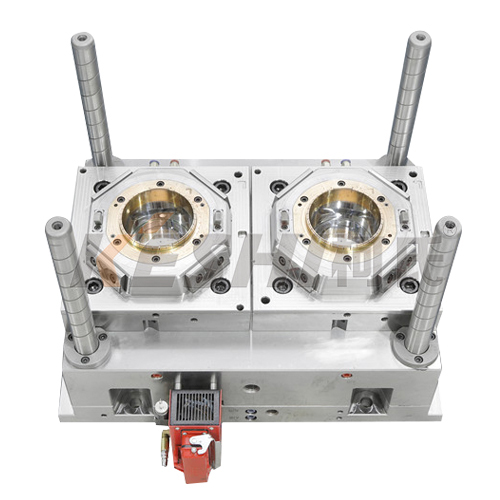
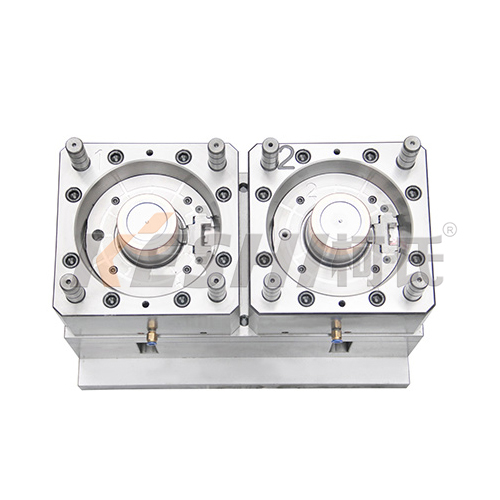
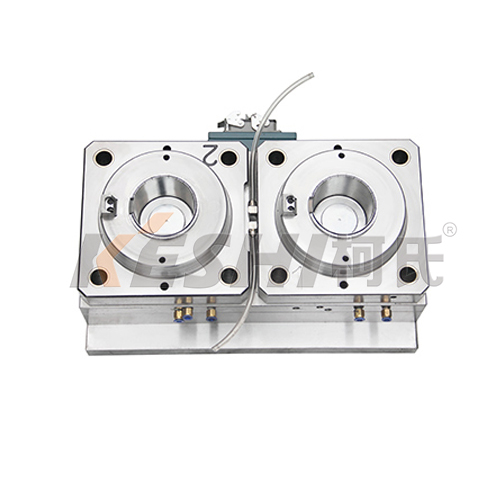
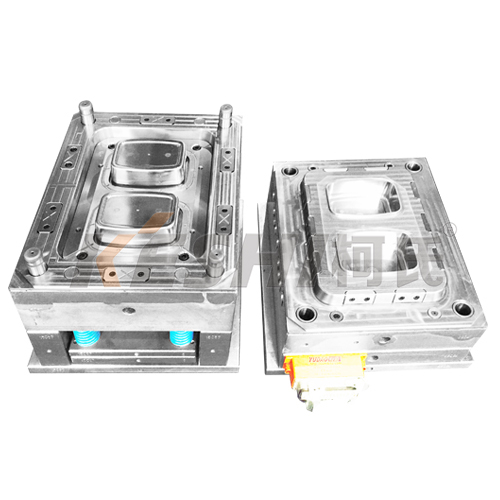
Introducing our flagship product line: Cooler Box Mould, where innovation meets utility in every mold. Crafted with precision and engineered for excellence, our Cooler Box Moulds redefines durability and functionality in the realm of storage solutions.
Imagine a world where your perishables stay fresher for longer, where your beverages are chilled to professional, and where convenience meets elegance. Our Cooler Box Moulds embody this vision, offering a seamless blend of cutting-edge design and robust construction.
Crafted from high-quality materials, our molds ensure longevity and reliability, capable of withstanding the rigors of everyday use. Whether you're hosting a backyard barbecue, embarking on a camping trip, or simply enjoying a picnic in the park, our Cooler Box Moulds are your ultimate companion, keeping your provisions fresh and cool throughout the day.
But it's not just about functionality; it's about style too. Our Cooler Box Moulds boast sleek designs and modern aesthetics, elevating the ambiance of any setting. From classic monochromatic tones to vibrant hues that pop, our range caters to every taste and preference.
Moreover, our commitment to sustainability sets us apart. Made with eco-friendly materials and designed for reusability, our Cooler Box Moulds champion environmental responsibility without compromising on quality or performance.
So, why settle for the ordinary when you can embrace the extraordinary? Elevate your storage game with our Cooler Box Moulds and experience the epitome of convenience, durability, and style. Join the ranks of satisfied customers who have made the switch to excellence. It's time to indulge in the luxury of freshness – it's time to choose Cooler Box Moulds.
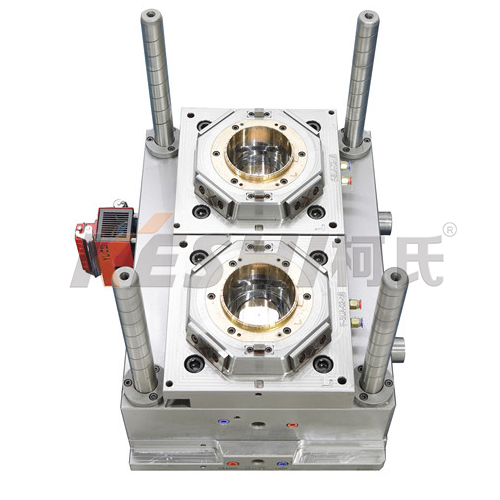
ABOUT US
Zhejiang Keshi Mould & Industry Co., Ltd.
Zhejiang Keshi Mould & Industry Co., Ltd. is a Custom Thinwall Container Mould Manufacturer and China OEM/ODM Thinwall Container Mould Factory, We produce, manufacture, and sell Household Plastic Mould, Package Mould, Furniture Mould, Logistics Mould and Pipe Fitting Mould, etc.
We have complete mould-building facilities furnished with the latest modelling software: UG, CAD/CAM, PROE, SOLIDWORKS, and advanced processing equipment to ensure high-quality mould. We aim to meet and exceed our customers’ expectations through design, competitive prices, fast delivery, and after-sales service.

News
-
Leading the Way in Custom Mold Production A Mold Manufacturer Supplier plays an essential role in industries ranging from automotive and electronics to consumer...
READ MORE -
The Role of Plastic Injection Molds in Modern Production A Plastic Injection Mold plays a critical role in the manufacturing of plastic products across various ...
READ MORE -
From Granules to Garden Chairs Every plastic chair, table, and storage unit begins as tiny granules inside massive molding machines. A plastic furniture mold tr...
READ MORE -
What Makes Logistics Moulds Different Every warehouse stacked with pallets, every shipment secured in plastic crates, and every distribution center organized wi...
READ MORE -
Where Kitchen Containers Begin Open any kitchen cabinet and find storage containers in every shape and size. Each one started as liquid plastic inside a househo...
READ MORE -
What Actually Happens Inside a Mold Look around any room and count plastic items. Phones, remotes, water bottles, toys, containers. Every single one began as li...
READ MORE -
How Do Plastic Package Molds Improve Manufacturing A Plastic Package Mold is essential for producing consistent, high-quality packaging products used in food, c...
READ MORE -
How Do Pipe Fitting Molds Enhance Manufacturing Efficiency A Pipe Fitting Mold is a key tool in producing high-quality pipe connectors for plumbing, irrigation,...
READ MORE -
How Do Logistics Moulds Improve Supply Chain Efficiency Efficient packaging and storage are critical in modern supply chains, and a Logistics Mould provides con...
READ MORE -
How Do Household Plastic Molds Improve Manufacturing Efficiency A Household Plastic Mold plays a vital role in producing consistent, high-quality household prod...
READ MORE -
Thin wall molding is a specialized injection molding process used to manufacture plastic parts with relatively thin wall sections while maintaining structural i...
READ MORE -
How does the Chemical and Impact Resistance of Paint Bucket Molds Affect Their Performance? In the production of paint buckets, the material properties and resi...
READ MORE
We Have Rich Industry Experience, Strong Technical Strength,
And a Technical Team. Can Provide One-stop Solutions Based On Customer Needs.

-
2018
Was founded in
-
10+
Industry experience
-
xxx
Patent Certificate
-
xx+
Automatic production line
Honor

Leaving a Message
If you would like to learn more about our products, please feel free to contact us and we will do our to assist you.
Industry Knowledge Extension
What are the primary design considerations for a thin-wall container mould?
The design of a thin-wall container mould prioritizes achieving complete cavity fill and facilitating rapid, consistent part ejection within short cycle times. A critical feature is the feed system; hot runner systems are universally employed to eliminate material waste and maintain consistent melt temperature from the machine nozzle to the cavity gate. The gating design is also crucial, with pinpoint or valve gates used to ensure fast, clean filling. Cooling system design is equally important, requiring high-efficiency conformal channels that follow the cavity geometry closely to extract heat quickly and uniformly from the thin plastic. Furthermore, the mold must be constructed from high-grade, thermally conductive steels to endure the high injection pressures and rapid thermal cycling inherent to the process.
How does ejection work for such delicate, thin-walled parts?
Ejecting thin-walled parts without distortion or damage is a significant challenge. The ejection system must apply uniform force over a large surface area to prevent the part from buckling or tearing. This is often accomplished using a full perimeter ejection ring or a large number of closely spaced, small-diameter ejector pins distributed across the part's base and sidewalls. Stripper plates are also common for cylindrical containers. The surfaces of these ejector components are precisely machined to match the mold cavity, and careful timing of the ejection sequence is essential to ensure the part is rigid enough to be pushed out cleanly after its brief cooling period.
What specific machine capabilities are required for thin-wall molding?
Successful thin-wall molding requires an injection molding machine with specific performance characteristics. High injection speed and pressure are fundamental to force the viscous plastic melt to fill the entire cavity before it begins to solidify. This necessitates a machine with a robust hydraulic system or high-performance servomotors capable of delivering the necessary kinetic energy. Precise process control is also critical, with the ability to manage multi-stage injection profiles—using high speed initially to fill, then switching to holding pressure to pack out the cavity. Fast response times for screw movement and pressure transitions are necessary to maintain the tight processing windows typical of thin-wall applications.
Why is material selection particularly important for this process?
Material selection directly influences the feasibility and quality of thin-wall containers. Engineers typically specify high-flow or specialized thin-wall grades of polymers, such as polypropylene (PP) or polystyrene (PS). These materials are formulated with modified molecular weights or additives that reduce viscosity without critically compromising other properties like impact strength or rigidity. The material must exhibit a consistent and predictable flow behavior to fill long, narrow paths, and it must have a rapid setting time to allow for fast cycle times. Thermal stability is also important, as the material is subjected to high shear and temperature during the high-speed injection phase.
What additional standards govern the manufacturing of food container molds?
Molds for food containers must adhere to regulations that extend beyond mechanical function. Materials used in mold construction that contact the plastic melt, particularly in the cavity and runner systems, must be certified for food contact. This often requires using specific grades of corrosion-resistant stainless steel to prevent contamination and facilitate easier cleaning. The mold design must also avoid features that could harbor bacteria, such as hard-to-clean crevices, blind holes, or porous surfaces. Furthermore, the surface finish of the cavity is critical; it must be highly polished or textured in a controlled manner to prevent plastic from sticking and to ensure the containers can be easily released, which contributes to both production efficiency and product integrity.
How are features like stacking ribs and lids integrated into the mold design?
Functional features like stacking ribs and interlocking lid seals are integral to the utility of food containers and are directly formed by the mold. Stacking ribs, which allow empty containers to nest efficiently, are created by corresponding grooves in the core side of the mold. The angles and draft on these ribs must be precisely calculated to ensure easy separation. For containers with integrated lids, the mold includes complex mechanisms to form the living hinge and the sealing lip. This often involves angled lifts or side-action cores that retract to allow for the undercuts in the lid design. The dimensional accuracy of these interlocking features is paramount to ensure a consistent, secure seal while maintaining the required wall thickness throughout.
Copyright © 2023 Zhejiang Keshi Mould & Industry Co., Ltd. All Rights Reserved

OEM/ODM Thinwall Container Mould Factory