
 EN
EN  English
 русский
 عربى
عربى 中文简体
中文简体
Product Categories
Keshi Mould
Contact Us
Which is a manufacturer & supplier of an extensive range of plastic moulds, Household Plastic Mould, Package Mould, Furniture Mould, Logistics Mould and Pipe Fitting Mould, etc.
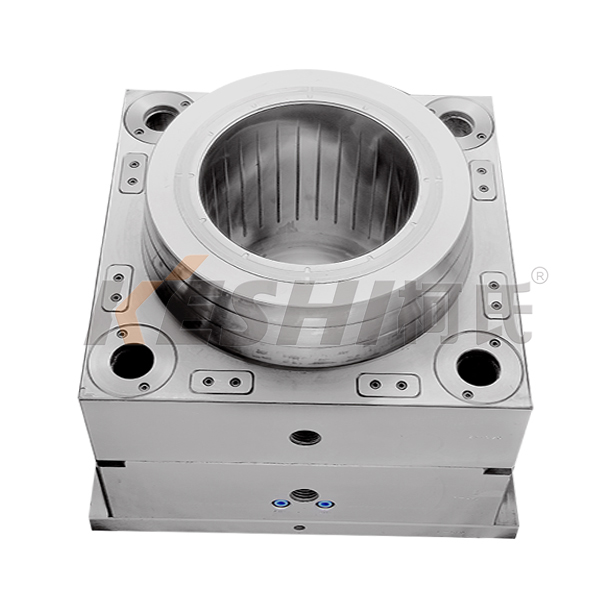
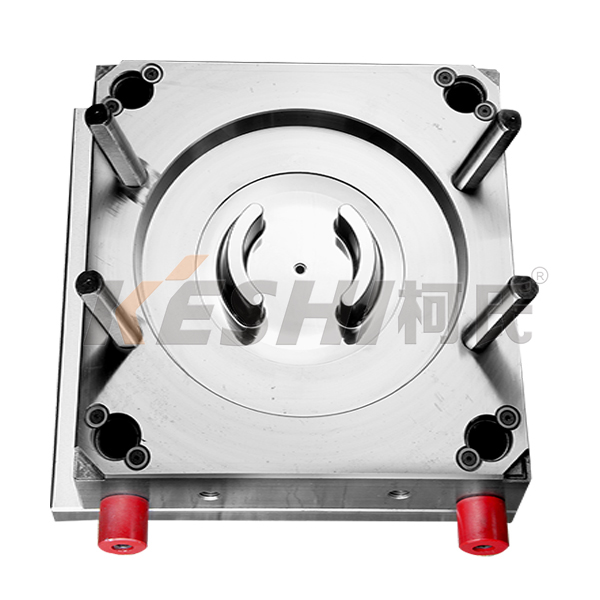
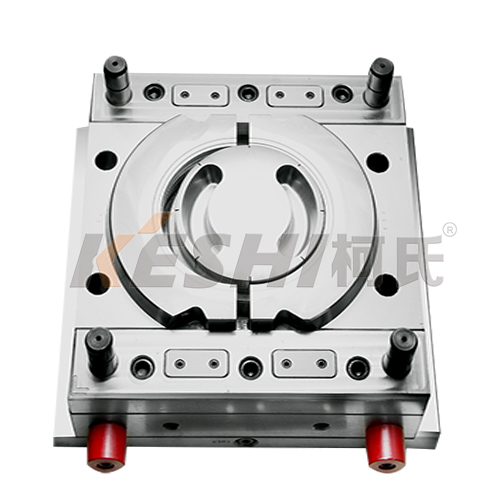
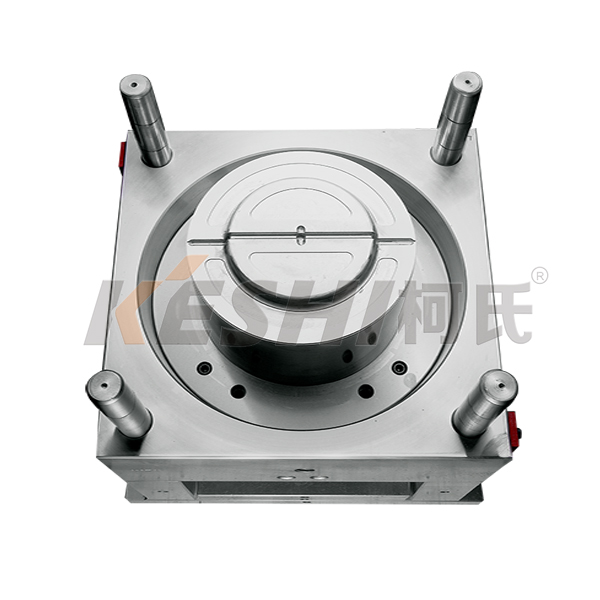
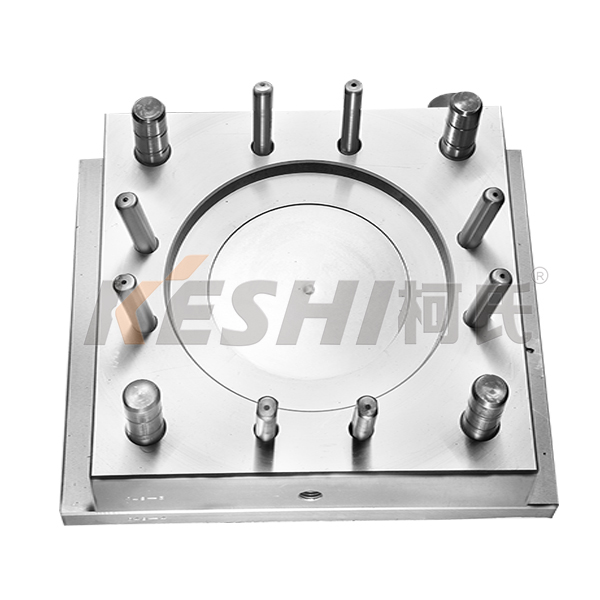
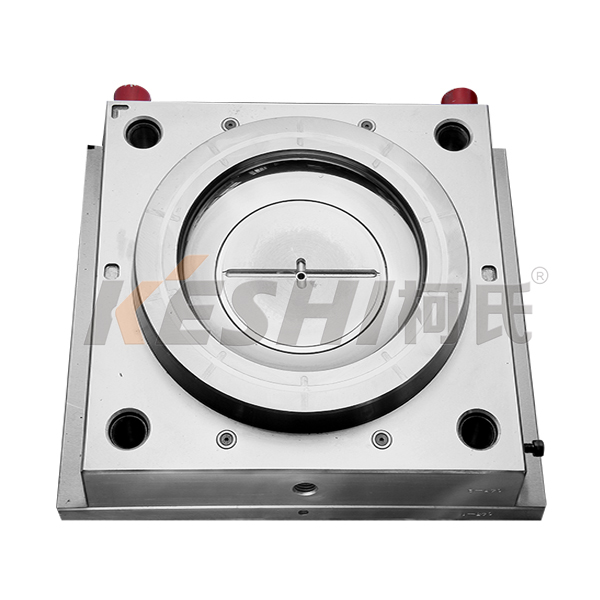
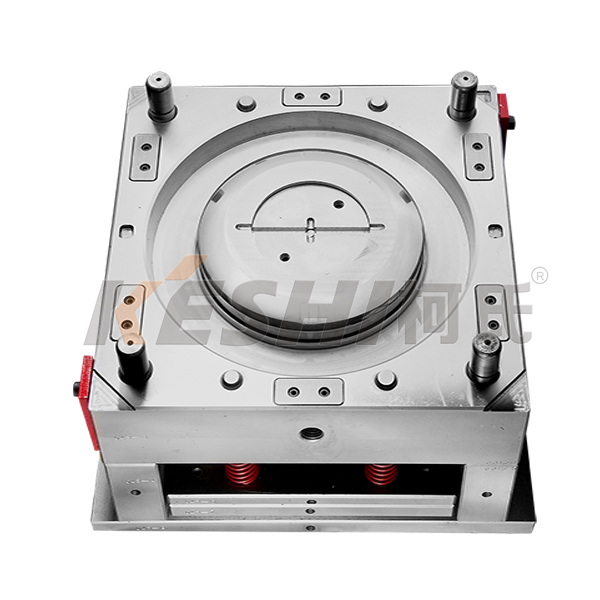
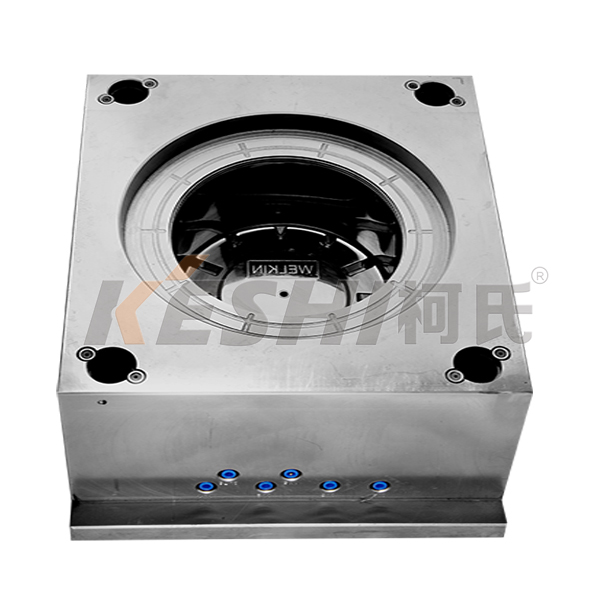
Plastic Cooler Box Mould Manufacturer
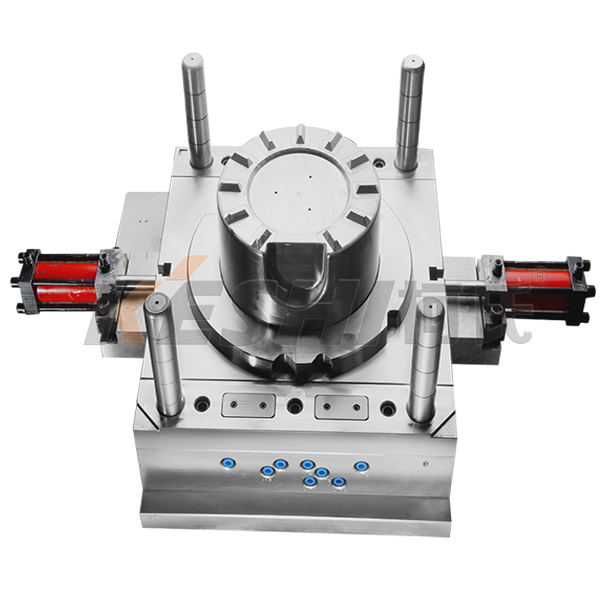
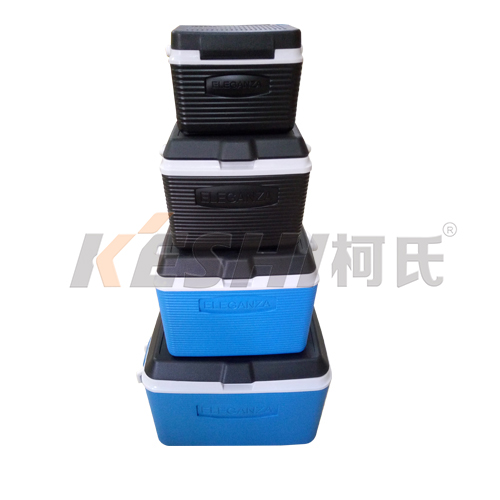
Cooler Box Mould stands as the epitome of precision engineering and innovative design in the realm of cooling solutions. Crafted with meticulous attention to detail and utilizing state-of-the-art technology, our Cooler Box Mould embodies excellence in both form and function.
At its core, our Cooler Box Mould is engineered to deliver optimal performance, ensuring that your cooler boxes are produced with unparalleled accuracy and consistency. Whether it's for commercial or personal use, our mould guarantees the creation of sturdy, reliable cooler boxes that exceed industry standards.
What sets our Cooler Box Mould apart is its versatility. With customizable features and configurations, it adapts effortlessly to diverse manufacturing requirements, catering to a wide range of cooler box sizes and designs. This adaptability not only enhances production efficiency but also offers limitless possibilities for innovation and differentiation in the market.
Durability is the cornerstone of our Cooler Box Mould's design philosophy. Constructed from high-quality materials, it withstands the rigors of continuous usage, ensuring longevity and reliability. This durability translates into cost-effectiveness for manufacturers, as it minimizes maintenance and replacement costs over the product's lifespan.
Beyond its technical prowess, our Cooler Box Mould is a testament to aesthetic appeal. Sleek lines, ergonomic contours, and flawless finishes elevate the visual appeal of the cooler boxes, making them irresistible to consumers. Whether displayed on store shelves or used in outdoor settings, our cooler boxes command attention and admiration.
Moreover, our commitment to sustainability sets us apart. By incorporating eco-friendly materials and energy-efficient manufacturing processes, we not only reduce environmental impact but also resonate with conscientious consumers who prioritize sustainability in their purchasing decisions.
In essence, investing in our Cooler Box Mould is not just a procurement decision; it's a strategic investment in quality, performance, and consumer appeal. With our mould, you're not just manufacturing cooler boxes; you're crafting experiences, forging connections, and inspiring loyalty. Join us in revolutionizing the cooling industry and leaving a lasting impression on consumers worldwide.
ABOUT US
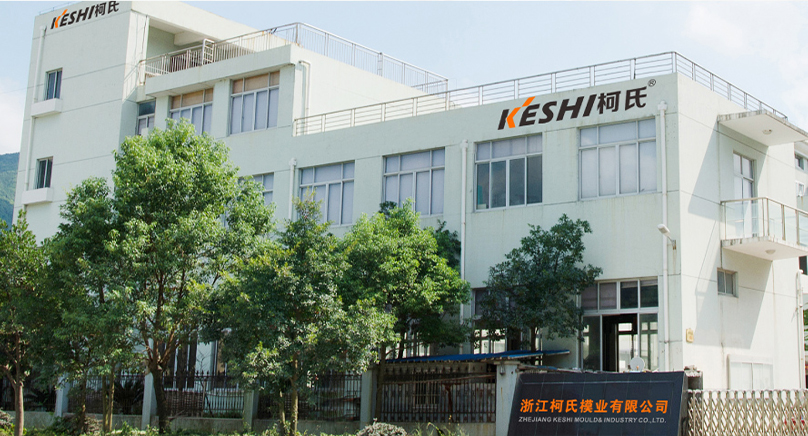
Zhejiang Keshi Mould & Industry Co., Ltd.
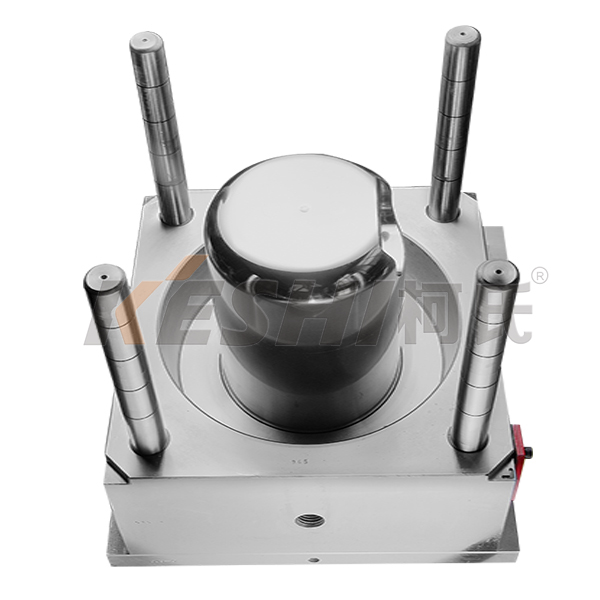
Zhejiang Keshi Mould & Industry Co., Ltd. is a Custom Plastic Cooler Box Mould Manufacturer and China OEM/ODM Plastic Cooler Box Mould Factory, We produce, manufacture, and sell Household Plastic Mould, Package Mould, Furniture Mould, Logistics Mould and Pipe Fitting Mould, etc.
We have complete mould-building facilities furnished with the latest modelling software: UG, CAD/CAM, PROE, SOLIDWORKS, and advanced processing equipment to ensure high-quality mould. We aim to meet and exceed our customers’ expectations through design, competitive prices, fast delivery, and after-sales service.
News
-
Leading the Way in Custom Mold Production A Mold Manufacturer Supplier plays an essential role in industries ranging from automotive and electronics to consumer...
READ MORE -
The Role of Plastic Injection Molds in Modern Production A Plastic Injection Mold plays a critical role in the manufacturing of plastic products across various ...
READ MORE -
From Granules to Garden Chairs Every plastic chair, table, and storage unit begins as tiny granules inside massive molding machines. A plastic furniture mold tr...
READ MORE -
What Makes Logistics Moulds Different Every warehouse stacked with pallets, every shipment secured in plastic crates, and every distribution center organized wi...
READ MORE -
Where Kitchen Containers Begin Open any kitchen cabinet and find storage containers in every shape and size. Each one started as liquid plastic inside a househo...
READ MORE -
What Actually Happens Inside a Mold Look around any room and count plastic items. Phones, remotes, water bottles, toys, containers. Every single one began as li...
READ MORE -
How Do Plastic Package Molds Improve Manufacturing A Plastic Package Mold is essential for producing consistent, high-quality packaging products used in food, c...
READ MORE -
How Do Pipe Fitting Molds Enhance Manufacturing Efficiency A Pipe Fitting Mold is a key tool in producing high-quality pipe connectors for plumbing, irrigation,...
READ MORE -
How Do Logistics Moulds Improve Supply Chain Efficiency Efficient packaging and storage are critical in modern supply chains, and a Logistics Mould provides con...
READ MORE -
How Do Household Plastic Molds Improve Manufacturing Efficiency A Household Plastic Mold plays a vital role in producing consistent, high-quality household prod...
READ MORE -
Thin wall molding is a specialized injection molding process used to manufacture plastic parts with relatively thin wall sections while maintaining structural i...
READ MORE -
How does the Chemical and Impact Resistance of Paint Bucket Molds Affect Their Performance? In the production of paint buckets, the material properties and resi...
READ MORE
We Have Rich Industry Experience, Strong Technical Strength,
And a Technical Team. Can Provide One-stop Solutions Based On Customer Needs.

-
2018
Was founded in
-
10+
Industry experience
-
xxx
Patent Certificate
-
xx+
Automatic production line
Honor

Leaving a Message
If you would like to learn more about our products, please feel free to contact us and we will do our to assist you.
Industry Knowledge Extension
What Are the Types of Plastic Cooler Box Moulds?
Plastic cooler box moulds come in different types depending on the complexity, size, and intended use of the final product. The many common types include:
1. Rotational Moulds
Rotational molding, or rotomolding, is commonly used for producing large plastic cooler boxes. This process involves a heated mold that rotates biaxially to evenly distribute the plastic material, typically polyethylene, around the mold cavity. The result is a hollow, seamless structure, which is ideal for large, insulated cooler boxes used for camping, outdoor events, or industrial purposes. This type of mold ensures the production of strong, durable cooler boxes with good insulation properties.
2. Injection Moulds
Injection molding is used for manufacturing smaller, more intricate cooler boxes or components like lids, handles, and drains. The process involves injecting molten plastic into a mold under high pressure, which then cools and solidifies. Injection moulds for cooler boxes often incorporate multi-cavity designs for higher production rates and are suitable for parts that require precise dimensional accuracy and a smooth finish. These molds are commonly used for the outer casing of smaller, portable coolers.
3. Blow Moulds
Blow molding is another common technique, primarily used for making hollow plastic items. In this method, a heated tube of plastic is inflated within a mold to form the desired shape. Blow-moulded cooler boxes typically feature a thicker wall structure and good insulating properties. This method is often used for the production of mid-sized cooler boxes.
What Does Plastic Cooler Box Moulding Involve?
Plastic cooler box moulding involves several key steps that vary depending on the type of molding used, but they all aim to produce a strong, insulated, and durable product. The process typically involves designing the mold, selecting appropriate materials, and employing the right molding techniques to ensure the final product meets specifications.
1. Mold Design and Material Selection
The step in cooler box moulding is designing the mold. The mold needs to account for the cooling box's shape, insulation needs, and functional parts such as drainage holes or compartments. Typically, high-density polyethylene (HDPE) is chosen for its strength, resistance to impact, and insulation properties. The mold’s design includes considerations such as draft angles, wall thickness, gate placement, and cooling channels.
2. Plastic Melting and Injection/Heating
In the case of injection molding, plastic pellets are heated until they melt, and the molten plastic is then injected into the mold under high pressure. For rotational or blow molding, plastic is heated and then either rotated or inflated within the mold cavity to achieve the desired shape. The temperature and pressure parameters need to be precisely controlled to ensure uniform material distribution.
3. Cooling and Ejection
After the plastic has been injected, rotated, or inflated into the mold cavity, it needs to cool and solidify. Cooling is a critical step as uneven cooling can result in warping or inconsistent wall thickness. Once the material has cooled sufficiently, the mold is opened, and the cooler box is ejected. Any necessary secondary processes, such as trimming or adding features like handles, are carried out.
4. Quality Control
Throughout the moulding process, various quality control checks are performed to ensure that the cooler box meets design specifications. This can include dimensional inspections, testing for wall thickness uniformity, and checking for defects like cracks or surface imperfections. Quality control is especially important for cooler boxes as they need to provide reliable insulation and withstand various outdoor conditions.1.
What Materials Are Used for Plastic Cooler Box Molds?
The commonly used materials for plastic cooler box moulding include high-density polyethylene (HDPE) and low-density polyethylene (LDPE). These materials are chosen for their strength, resistance to cracking, and good insulation properties, which are essential for maintaining temperature control inside the cooler box.
What Types of Molding Methods Are Used in Cooler Box Production?
The three main types of molding methods for cooler boxes are rotational molding, injection molding, and blow molding. Rotational molding is typically used for large, seamless cooler boxes, while injection and blow molding are used for smaller, more intricate designs or parts.
How Long Does It Take to Produce a Plastic Cooler Box Using Injection Molding?
Injection molding cycle times for cooler boxes typically range from a few minutes to 30 minutes per cycle, depending on the size and complexity of the cooler box. Smaller parts may have faster cycle times, while larger parts may take longer to cool and eject.
How Are the Insulation Properties of Cooler Boxes Achieved?
Insulation in plastic cooler boxes is achieved through the choice of material and the molding process. In rotational and blow molding, a thicker wall structure is often used, which helps retain temperature. Additionally, the design can incorporate features such as double walls or foam insulation to further improve the cooler’s thermal performance.
What Are the Common Challenges in Cooler Box Moulding?
Some common challenges in plastic cooler box moulding include ensuring uniform wall thickness to prevent warping, controlling cycle times for efficient production, and addressing issues related to mold wear and tear. These challenges are addressed through careful mold design, quality control, and maintenance of the molding equipment.
Copyright © 2023 Zhejiang Keshi Mould & Industry Co., Ltd. All Rights Reserved

OEM/ODM Plastic Cooler Box Mould Factory