
 EN
EN  English
 русский
 عربى
عربى 中文简体
中文简体
Product Categories
Keshi Mould
Contact Us
Which is a manufacturer & supplier of an extensive range of plastic moulds, Household Plastic Mould, Package Mould, Furniture Mould, Logistics Mould and Pipe Fitting Mould, etc.
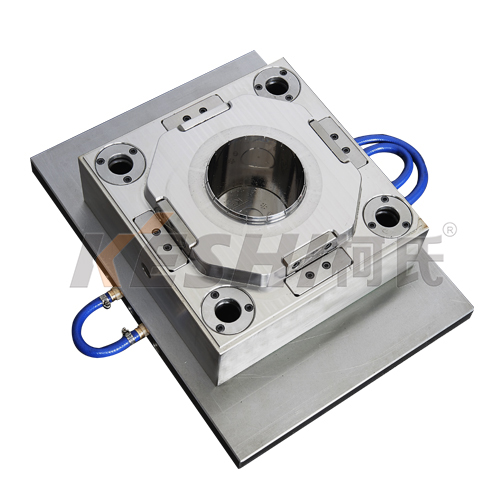
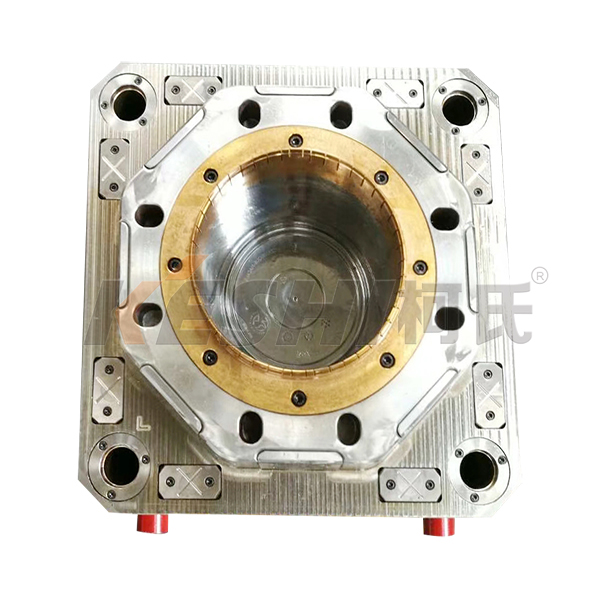
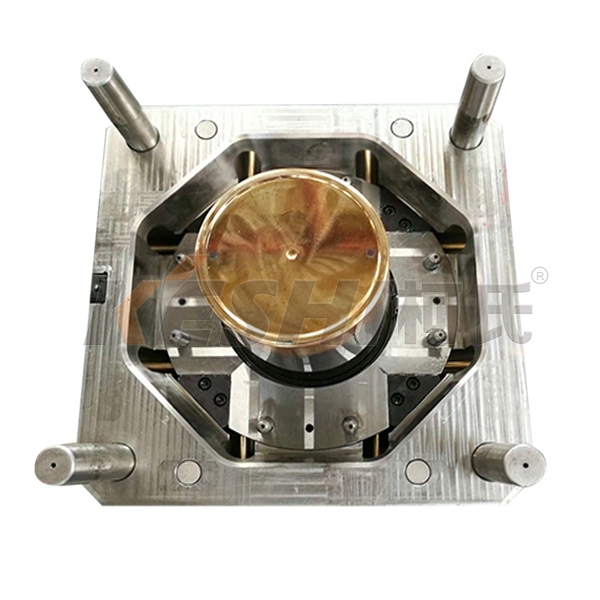
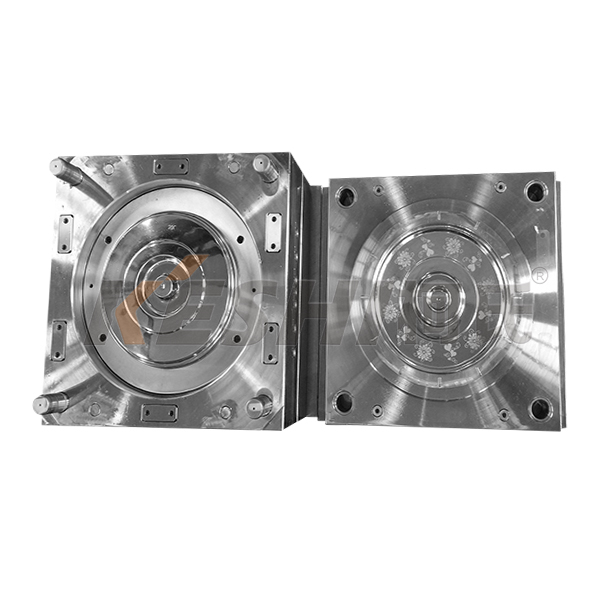
Plastic Bucket Mould Supplier
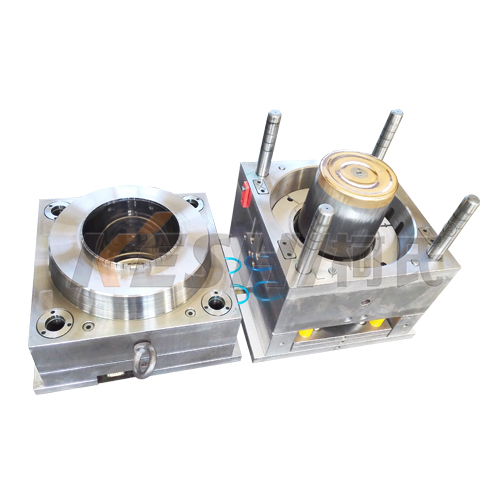
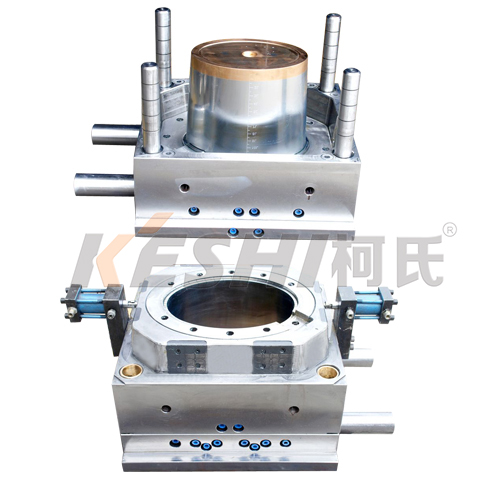
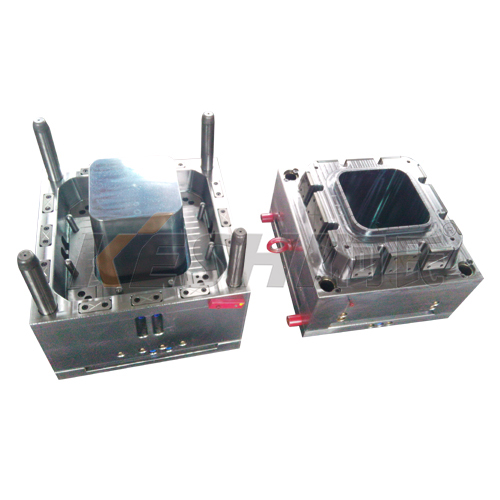
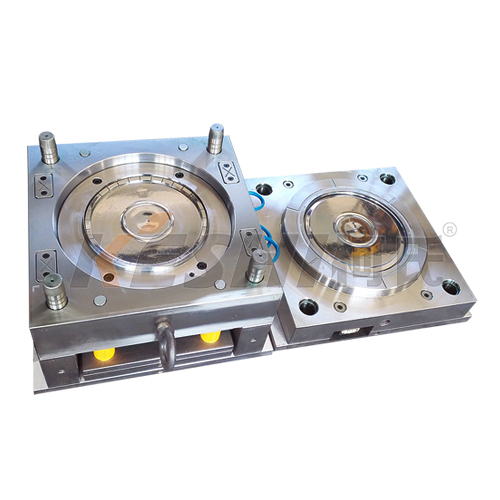
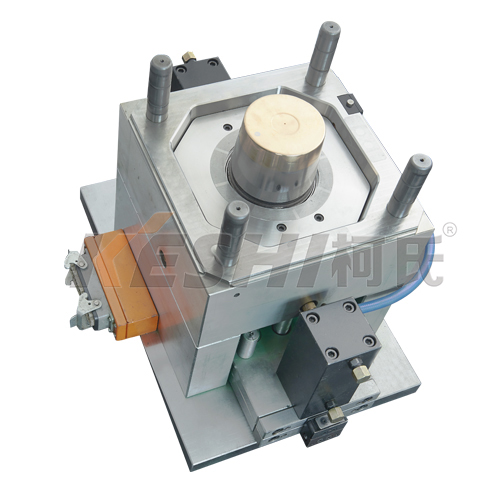
From a factory standpoint, our product category, Bucket Mould, plays an indispensable role in the manufacturing industry. Serving as vital tools in the production of plastic buckets and similar containers, they directly impact the quality and performance of the final product. Crafted with meticulous design and manufacturing, our Bucket Moulds are engineered to meet the demand for high-quality bucket products.
Primarily, our moulds employ advanced materials and techniques, ensuring durability and stability. This translates to reliable performance throughout the production process, enabling customers to enhance productivity and product quality with confidence.
Moreover, our moulds boast sophisticated designs tailored for both efficiency and aesthetics. Whether it's intricate details or structural integrity, we strive for optimal results to ensure our customers' products stand out in the market. From shapes and sizes to surface textures, we offer customizable options to meet diverse market demands.
Additionally, we prioritize energy efficiency, environmental sustainability, and eco-friendliness in our mould production. Through optimized design and manufacturing processes, we aim to reduce energy consumption and waste, minimizing our environmental footprint while delivering economic benefits and enhancing our reputation.
In essence, choosing our Bucket Moulds means choosing quality, reliability, and innovation. Committed to providing top-notch products and services, we strive for mutual growth and success with our customers. If you're in search of high-performance moulds, we welcome you to select our products and join us in shaping a brighter future together!
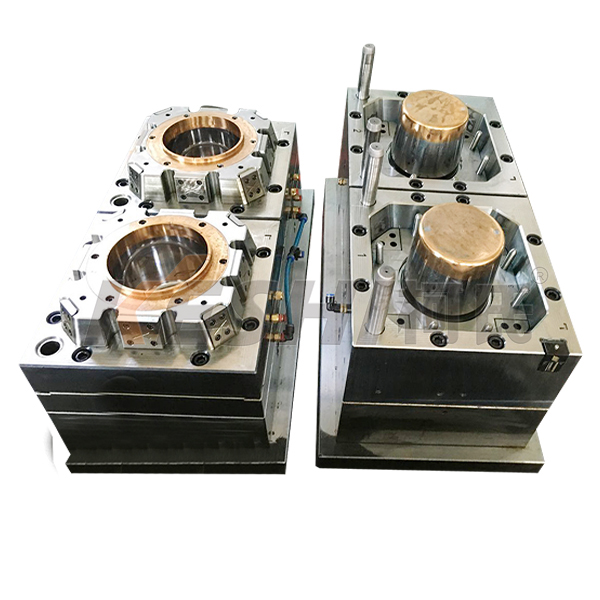
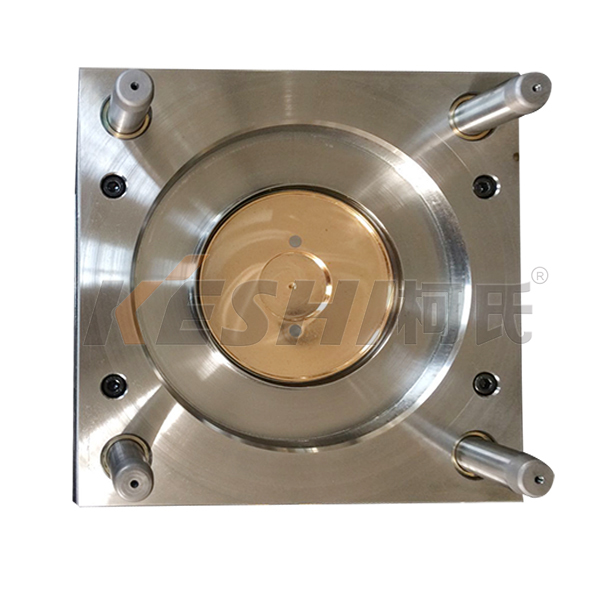
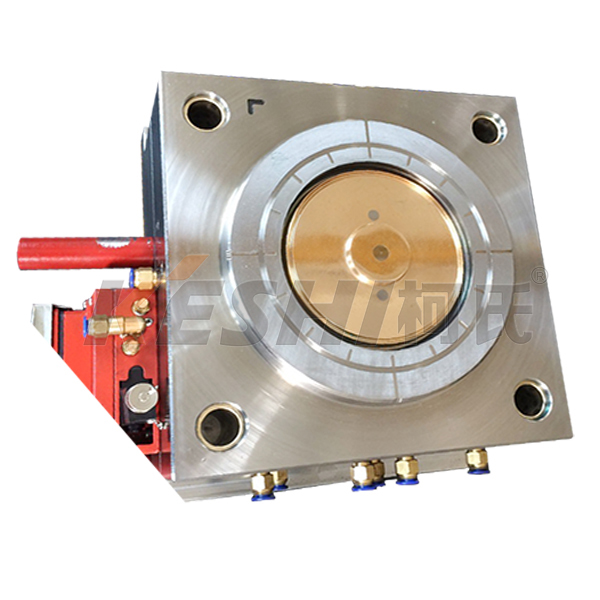
ABOUT US
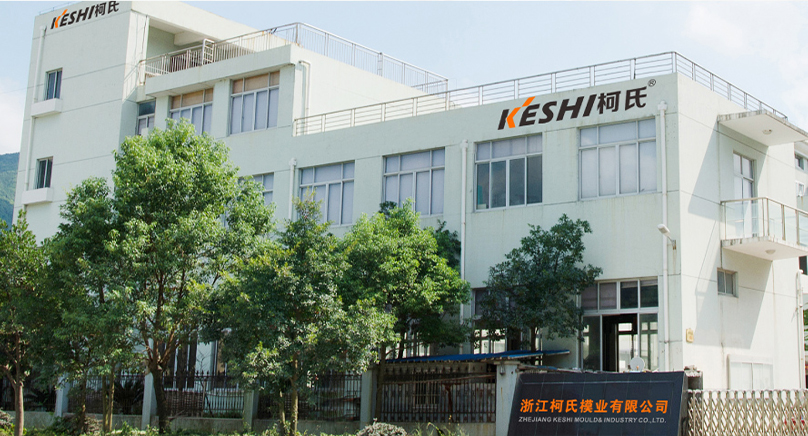
Zhejiang Keshi Mould & Industry Co., Ltd.
Zhejiang Keshi Mould & Industry Co., Ltd. is a Custom Plastic Bucket Mould Manufacturer and China OEM/ODM Plastic Bucket Mould Factory, We produce, manufacture, and sell Household Plastic Mould, Package Mould, Furniture Mould, Logistics Mould and Pipe Fitting Mould, etc.
We have complete mould-building facilities furnished with the latest modelling software: UG, CAD/CAM, PROE, SOLIDWORKS, and advanced processing equipment to ensure high-quality mould. We aim to meet and exceed our customers’ expectations through design, competitive prices, fast delivery, and after-sales service.
News
-
Leading the Way in Custom Mold Production A Mold Manufacturer Supplier plays an essential role in industries ranging from automotive and electronics to consumer...
READ MORE -
The Role of Plastic Injection Molds in Modern Production A Plastic Injection Mold plays a critical role in the manufacturing of plastic products across various ...
READ MORE -
From Granules to Garden Chairs Every plastic chair, table, and storage unit begins as tiny granules inside massive molding machines. A plastic furniture mold tr...
READ MORE -
What Makes Logistics Moulds Different Every warehouse stacked with pallets, every shipment secured in plastic crates, and every distribution center organized wi...
READ MORE -
Where Kitchen Containers Begin Open any kitchen cabinet and find storage containers in every shape and size. Each one started as liquid plastic inside a househo...
READ MORE -
What Actually Happens Inside a Mold Look around any room and count plastic items. Phones, remotes, water bottles, toys, containers. Every single one began as li...
READ MORE -
How Do Plastic Package Molds Improve Manufacturing A Plastic Package Mold is essential for producing consistent, high-quality packaging products used in food, c...
READ MORE -
How Do Pipe Fitting Molds Enhance Manufacturing Efficiency A Pipe Fitting Mold is a key tool in producing high-quality pipe connectors for plumbing, irrigation,...
READ MORE -
How Do Logistics Moulds Improve Supply Chain Efficiency Efficient packaging and storage are critical in modern supply chains, and a Logistics Mould provides con...
READ MORE -
How Do Household Plastic Molds Improve Manufacturing Efficiency A Household Plastic Mold plays a vital role in producing consistent, high-quality household prod...
READ MORE -
Thin wall molding is a specialized injection molding process used to manufacture plastic parts with relatively thin wall sections while maintaining structural i...
READ MORE -
How does the Chemical and Impact Resistance of Paint Bucket Molds Affect Their Performance? In the production of paint buckets, the material properties and resi...
READ MORE
We Have Rich Industry Experience, Strong Technical Strength,
And a Technical Team. Can Provide One-stop Solutions Based On Customer Needs.

-
2018
Was founded in
-
10+
Industry experience
-
xxx
Patent Certificate
-
xx+
Automatic production line
Honor

Leaving a Message
If you would like to learn more about our products, please feel free to contact us and we will do our to assist you.
Industry Knowledge Extension
A plastic paint bucket mold is an injection mold used for the mass production of plastic paint buckets, coating buckets, or chemical buckets. Molten plastic is injected into the mold cavity using an injection molding machine, and after cooling and solidification, a bucket body with a certain strength and sealing performance is obtained.
Common products include:
- 1L–5L small paint buckets
- 10L–20L medium paint buckets
- 20L and above industrial plastic buckets
- Structural Design Considerations
The bucket wall is usually designed with uniform thickness.
The bottom and reinforcing rib areas require special reinforcement.
High precision is required for the bucket opening position, affecting the sealing performance of the lid.
Commonly Used Materials and Mold Steel
Plastic Materials
PP (Polypropylene): Widely used, moderate cost, good toughness
HDPE (High-Density Polyethylene): Good impact resistance and chemical resistance
Mold Steel
- P20: Commonly used for medium-volume molds
- 718 / 718H: Good stability, suitable for long-term production.
- H13: Suitable for high-volume and high-requirement molds.
Injection Molding Process and Production Characteristics
- Molding Cycle: Generally 30–60 seconds, depending on barrel size.
- High Cooling Requirements: Due to the thicker barrel, the cooling system design is particularly critical.
- Deformation Control: Requires a reasonable cooling and demolding solution.
- High Degree of Automation: Often used in conjunction with robotic arms for automatic part removal.
What are the key design requirements for a plastic paint bucket mould?
- Material selection: Paint buckets are usually made from HDPE or PP because these materials offer chemical resistance and durability. The chosen material affects wall thickness, cooling requirements, and gate design.
- Wall thickness and reinforcement: The bucket must withstand stacking and handling. Uniform wall thickness and properly placed ribs help maintain strength without excessive material use.
- Handle and rim design: The mould must include features for a stable handle attachment and a strong rim that can support lifting. These details influence the mould structure and ejection system.
- Surface finish: Paint buckets often require a smooth exterior to allow labels to adhere. The mould surface needs to be finished accordingly to reduce post-processing.
What are common issues in paint bucket moulding and how can they be managed?
- Warping and distortion: Uneven cooling can bring about warping. Balanced cooling channels and consistent processing parameters help reduce this issue.
- Sink marks and surface defects: High packing pressure or insufficient cooling time can cause sink marks. Adjusting packing profiles and ensuring proper wall thickness can help.
- Sticking or difficult ejection: Improper draft angles or inadequate ejector placement can cause sticking. Ensuring proper draft and a well-designed ejector system can reduce ejection problems.
- Runner and gate waste: Excessive runner material increases cost. Optimizing runner design and considering hot runner systems can reduce waste.
How should a plastic bucket mold be designed for high-volume production?
- Multi-cavity layout: A multi-cavity mold increases output but requires careful balance of runners and cooling to ensure consistent quality across cavities.
- Cooling system optimization: Uniform cooling reduces cycle time and maintains dimensional accuracy. Cooling channels should be designed to avoid hotspots and uneven shrinkage.
- Gate and runner system: The gate location affects filling balance and weld lines. A well-designed runner system supports uniform flow and reduces pressure drop.
- Durability and maintenance: For high-volume runs, the mold must withstand repeated cycles. Selecting appropriate mold steel and planning maintenance schedules can improve long-term performance.
What factors influence the choice between hot runner and cold runner systems for bucket molds?
- Material and product size: Hot runner systems reduce runner waste and can be effective for large or thick-walled buckets. Cold runner systems are simpler and may be suitable for smaller or lower-volume production.
- Initial cost vs long-term savings: Hot runner systems typically have higher initial costs but can reduce material waste and improve cycle time. Cold runner systems may be less expensive upfront but generate more runner scrap.
- Process stability: Hot runner systems require precise temperature control. Cold runner systems are easier to maintain but may have longer cycle times due to runner cooling.
- Maintenance requirements: Hot runner systems may require specialized maintenance and temperature control components. Cold runner systems have fewer components and can be easier to service.
This structure covers key considerations for plastic paint bucket moulds and plastic bucket molds, addressing common design and production questions in a clear and practical format.
Copyright © 2023 Zhejiang Keshi Mould & Industry Co., Ltd. All Rights Reserved

Paint Bucket Mould Wholesale