
 EN
EN  English
 русский
 عربى
عربى 中文简体
中文简体
Product Categories
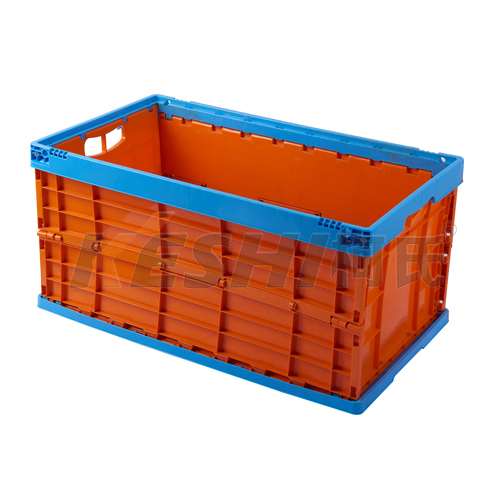
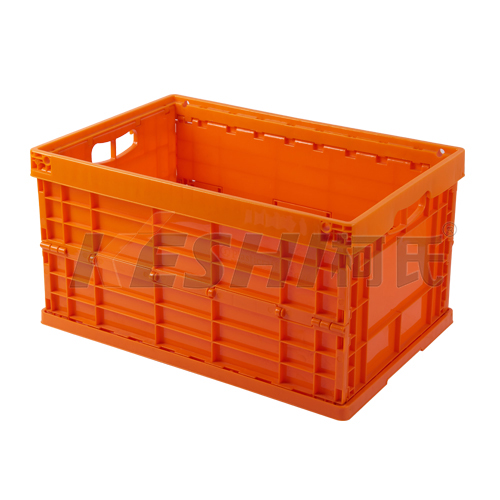
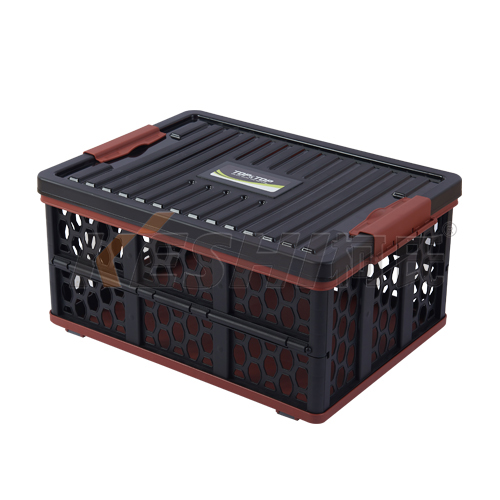
Keshi Mould
Contact Us
Which is a manufacturer & supplier of an extensive range of plastic moulds, Household Plastic Mould, Package Mould, Furniture Mould, Logistics Mould and Pipe Fitting Mould, etc.
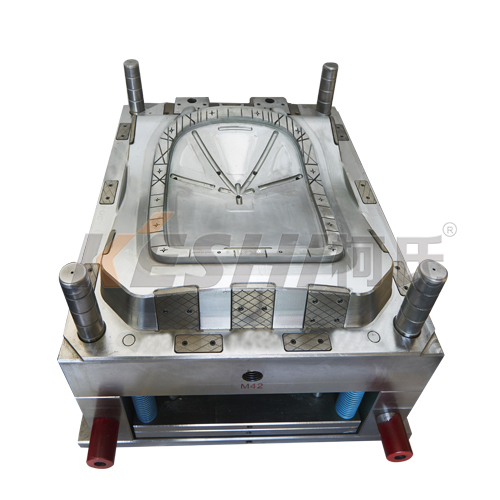
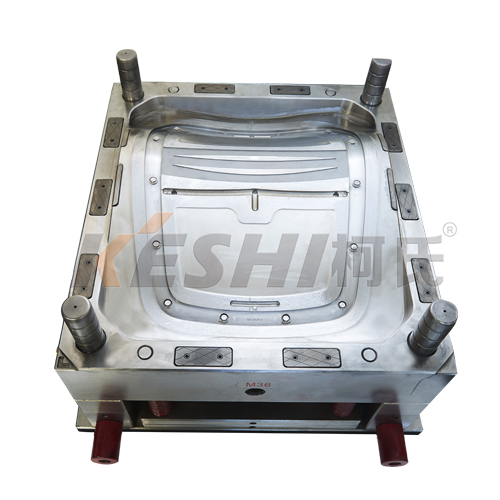
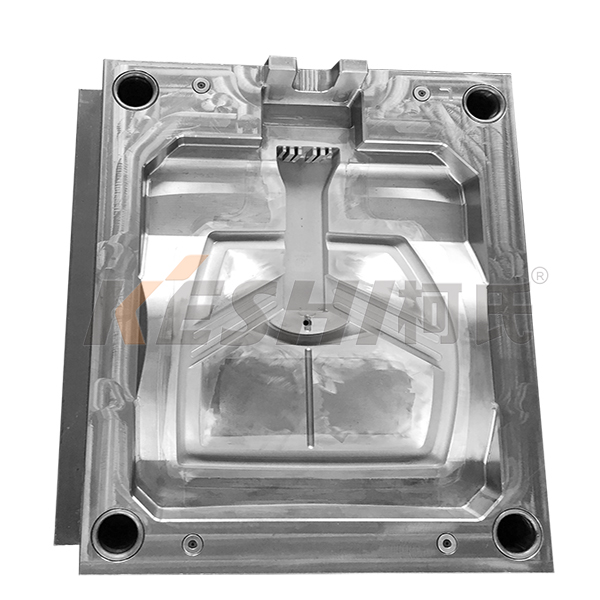
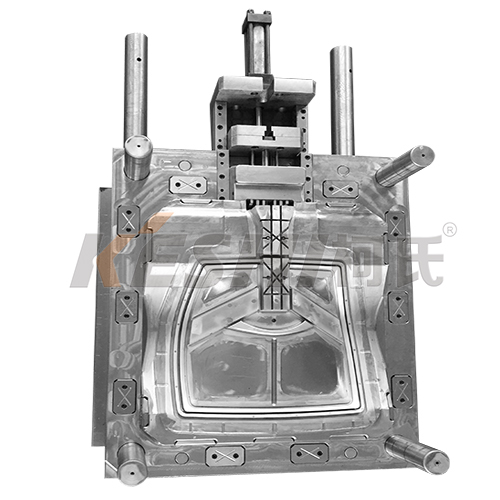
Office Chair Mould Manufacturer
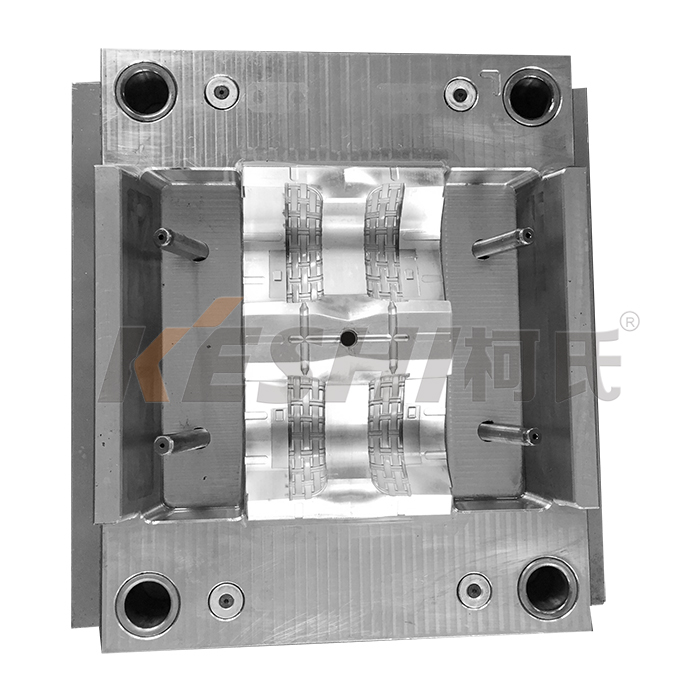
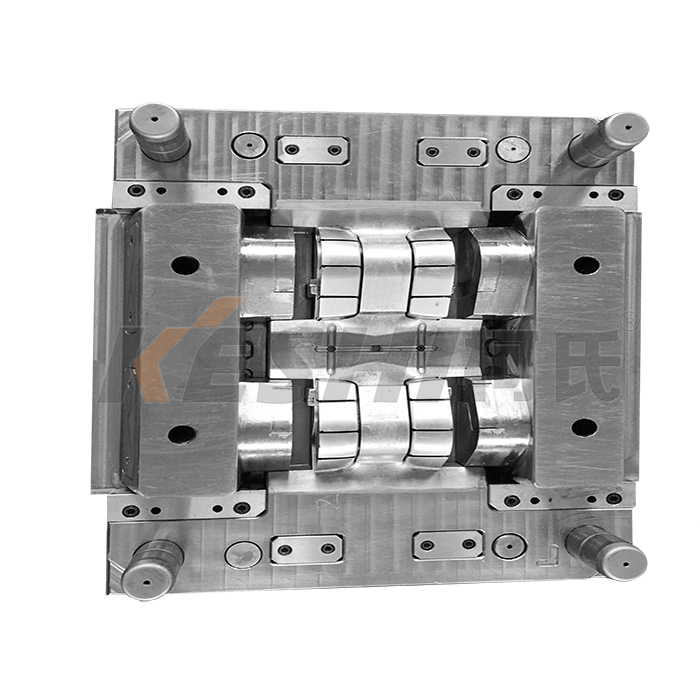
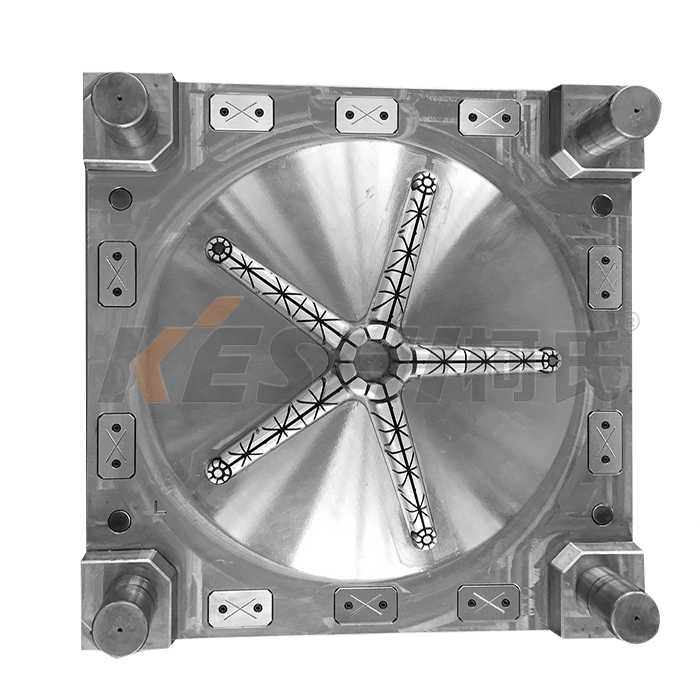
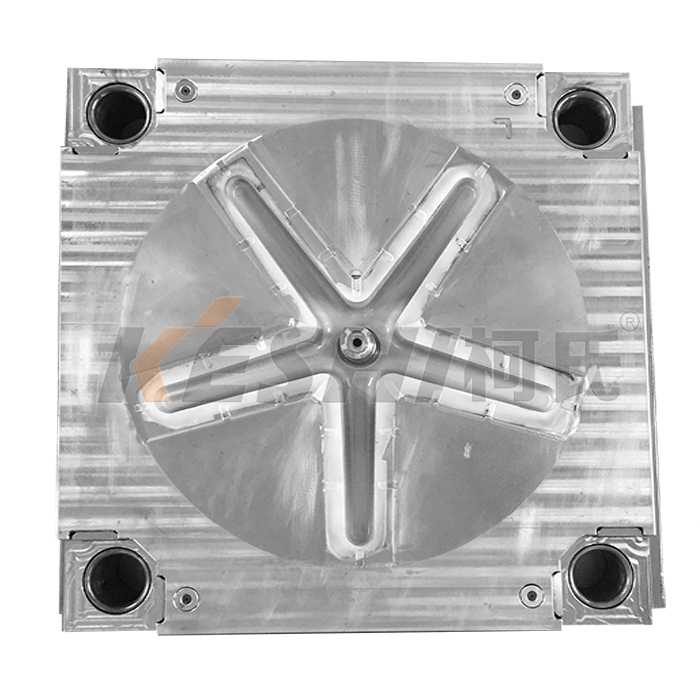
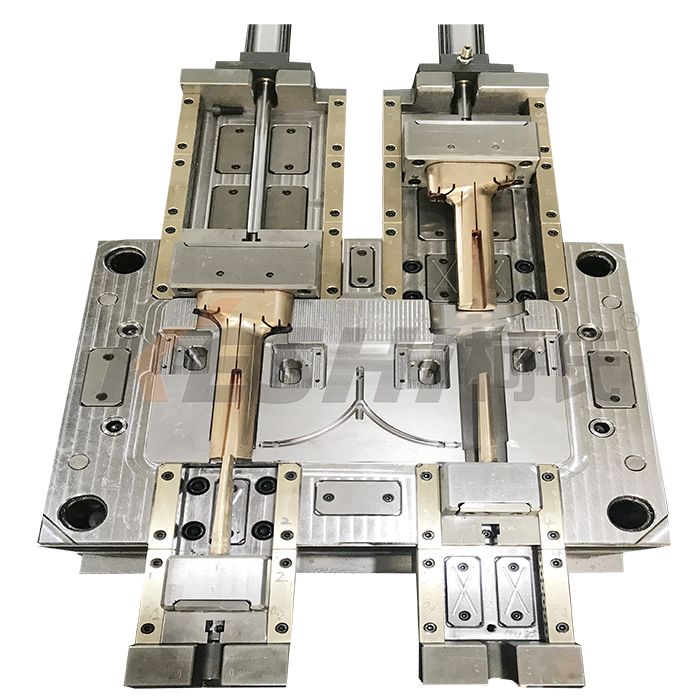
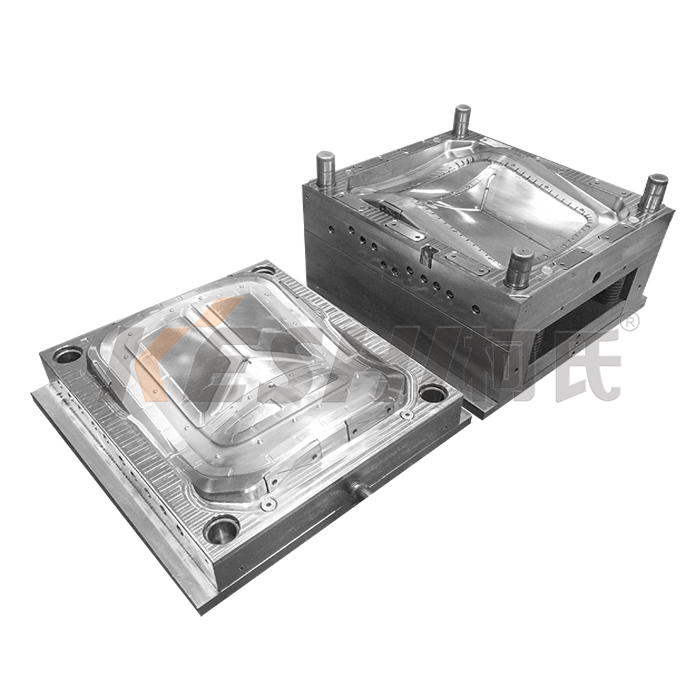
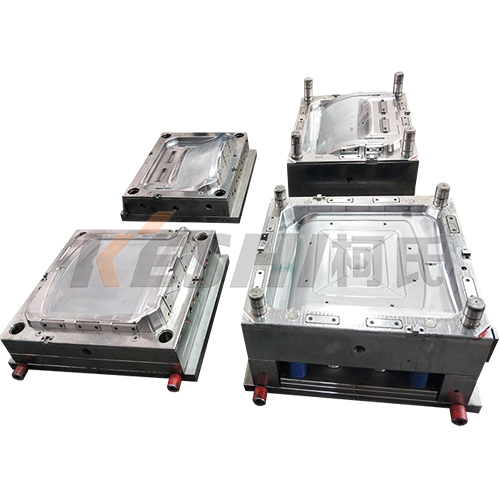
Offer fashionable leisure office chair. Plastic office chair mould include many parts mould, such as 5 star office chair leg mould, office chair set mould, office chair armrest mould, office chair back part mould, office chair head part mould, etc. KESHI MOULD has strict quality control system and high efficiency work team to provide you one-stop solution.
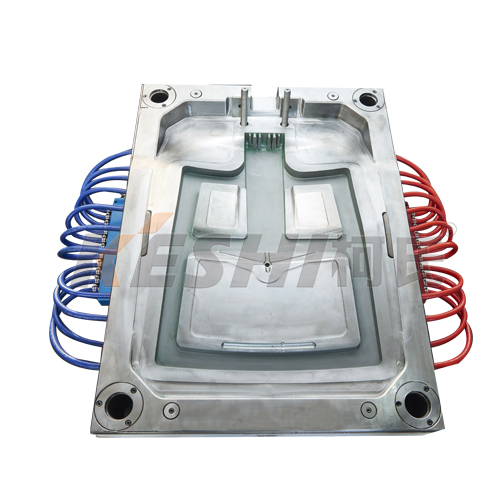
ABOUT US
Zhejiang Keshi Mould & Industry Co., Ltd.
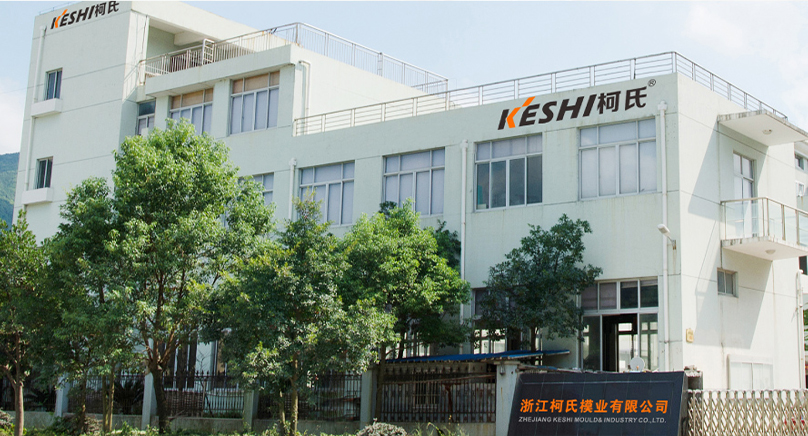
Zhejiang Keshi Mould & Industry Co., Ltd. is a Custom Office Chair Mould Manufacturer and China OEM/ODM Office Chair Mould Factory, We produce, manufacture, and sell Household Plastic Mould, Package Mould, Furniture Mould, Logistics Mould and Pipe Fitting Mould, etc.
We have complete mould-building facilities furnished with the latest modelling software: UG, CAD/CAM, PROE, SOLIDWORKS, and advanced processing equipment to ensure high-quality mould. We aim to meet and exceed our customers’ expectations through design, competitive prices, fast delivery, and after-sales service.
News
-
Leading the Way in Custom Mold Production A Mold Manufacturer Supplier plays an essential role in industries ranging from automotive and electronics to consumer...
READ MORE -
The Role of Plastic Injection Molds in Modern Production A Plastic Injection Mold plays a critical role in the manufacturing of plastic products across various ...
READ MORE -
From Granules to Garden Chairs Every plastic chair, table, and storage unit begins as tiny granules inside massive molding machines. A plastic furniture mold tr...
READ MORE -
What Makes Logistics Moulds Different Every warehouse stacked with pallets, every shipment secured in plastic crates, and every distribution center organized wi...
READ MORE -
Where Kitchen Containers Begin Open any kitchen cabinet and find storage containers in every shape and size. Each one started as liquid plastic inside a househo...
READ MORE -
What Actually Happens Inside a Mold Look around any room and count plastic items. Phones, remotes, water bottles, toys, containers. Every single one began as li...
READ MORE -
How Do Plastic Package Molds Improve Manufacturing A Plastic Package Mold is essential for producing consistent, high-quality packaging products used in food, c...
READ MORE -
How Do Pipe Fitting Molds Enhance Manufacturing Efficiency A Pipe Fitting Mold is a key tool in producing high-quality pipe connectors for plumbing, irrigation,...
READ MORE -
How Do Logistics Moulds Improve Supply Chain Efficiency Efficient packaging and storage are critical in modern supply chains, and a Logistics Mould provides con...
READ MORE -
How Do Household Plastic Molds Improve Manufacturing Efficiency A Household Plastic Mold plays a vital role in producing consistent, high-quality household prod...
READ MORE -
Thin wall molding is a specialized injection molding process used to manufacture plastic parts with relatively thin wall sections while maintaining structural i...
READ MORE -
How does the Chemical and Impact Resistance of Paint Bucket Molds Affect Their Performance? In the production of paint buckets, the material properties and resi...
READ MORE
We Have Rich Industry Experience, Strong Technical Strength,
And a Technical Team. Can Provide One-stop Solutions Based On Customer Needs.

-
2018
Was founded in
-
10+
Industry experience
-
xxx
Patent Certificate
-
xx+
Automatic production line
Honor

Leaving a Message
If you would like to learn more about our products, please feel free to contact us and we will do our to assist you.
Industry Knowledge Extension
What are the key design priorities for an office chair component mold?
The design of a mold for office chair components must address several interdependent priorities to ensure functional and economically viable production.
- Structural Integrity and Safety: Components like the chair base and mechanism parts bear significant weight and dynamic loads. Mold design must ensure these parts are free of weaknesses, with uniform material distribution and appropriate wall thickness to prevent failure.
- Ergonomic Form and Aesthetic Surface Finish: The mold cavity directly replicates the part's shape. For armrests and backrest supports, this involves complex, flowing curves designed for comfort. The mold's surface finish—whether textured to hide grip marks or highly polished for a glossy look—is directly transferred to the final product.
- Efficient Production and Cycle Time: Office chairs are produced in high volumes. Molds are engineered for speed, incorporating multi-cavity layouts for small parts and sophisticated cooling channel networks to reduce the solidification time of the thick, structural plastic sections.
- Integration with Other Components: Molded parts must precisely interface with metal mechanisms, fabric, and casters. The mold must therefore hold tight tolerances on features like screw posts, pivot holes, and snap-fit assemblies to ensure seamless final chair assembly.
How does the manufacturing process for such a mold proceed?
Creating a high-performance office chair mold follows a defined sequence of advanced manufacturing and verification steps.
Concept & 3D Design
↓
CNC Machining (Roughing)
↓
Heat Treatment
↓
CNC Machining (Finishing)
↓
EDM & Texturing
↓
Assembly & Polishing
↓
Trial & Validation
The process begins with 3D modeling of both the chair part and the complete mold assembly. Primary mold blocks are then rough-machined using CNC milling. Critical components are often heat-treated to enhance hardness and wear resistance. Following this, finishing operations achieve precise dimensions. Electrical Discharge Machining (EDM) is used to create complex details and undercuts. For textured surfaces like leather grains, chemical etching is applied. All components—ejector pins, sliders, cooling lines—are then assembled, and critical surfaces are hand-polished. Finally, the mold is tested in an injection press, and initial sample parts are measured and checked for fit, bring about any necessary adjustments.
What are common challenges in molding large chair components like a five-star base?
Molding large, thick, and load-bearing parts presents specific technical hurdles.
- Managing Sink Marks and Warpage: Thick sections where plastic meets, such as at the hub of a base, cool more slowly than thinner areas, bring about surface depressions (sink marks) or part distortion. Countermeasures include optimized cooling line placement, strategic gating, and adjusting holding pressure and time.
- Achieving Complete Fill and Packing: The material must travel a long distance to fill each arm of the base. This requires high injection pressure and speed, along with material selection for good flow characteristics, to ensure dense, strong parts without short shots.
- Ensuring Consistent Dimensional Stability: The base must be perfectly level to ensure chair stability. The mold must be designed to account for predictable plastic shrinkage, and the process must be tightly controlled to prevent variations that could cause a chair to rock.
How is the longevity and performance of the mold maintained?
A mold represents a substantial investment, and its operational life is extended through systematic care.
- Implementing a Preventative Maintenance Schedule: Regular maintenance after a set number of cycles is essential. This includes disassembly, thorough cleaning of resin residues, inspection of all moving components (slides, lifters, ejector pins) for wear, and re-lubrication.
- Proactive Monitoring and Component Replacement: Critical surfaces are inspected for scratches, corrosion, or wear. Cooling channels are flushed to prevent scale buildup. Worn components, such as damaged ejector pins or worn guide bushings, are replaced promptly to prevent further degradation of the mold.
- Documenting Process Data and Interventions: Maintaining detailed records of production runs, maintenance actions, and repairs creates a history that aids in troubleshooting recurring issues and planning future refurbishment, ensuring consistent part quality over the mold's lifespan.
Copyright © 2023 Zhejiang Keshi Mould & Industry Co., Ltd. All Rights Reserved

OEM/ODM Office Chair Mould Factory