
 EN
EN  English
 русский
 عربى
عربى 中文简体
中文简体
Product Categories
Keshi Mould
Contact Us
Which is a manufacturer & supplier of an extensive range of plastic moulds, Household Plastic Mould, Package Mould, Furniture Mould, Logistics Mould and Pipe Fitting Mould, etc.
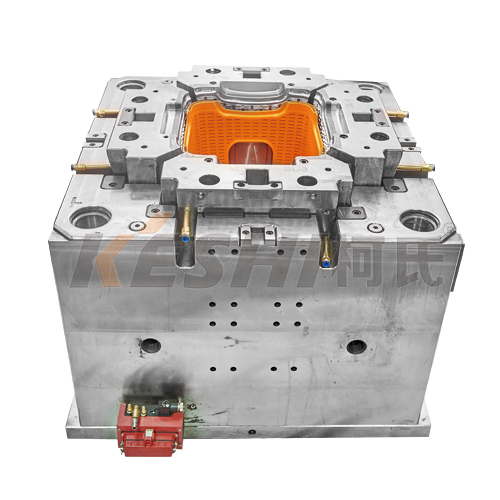
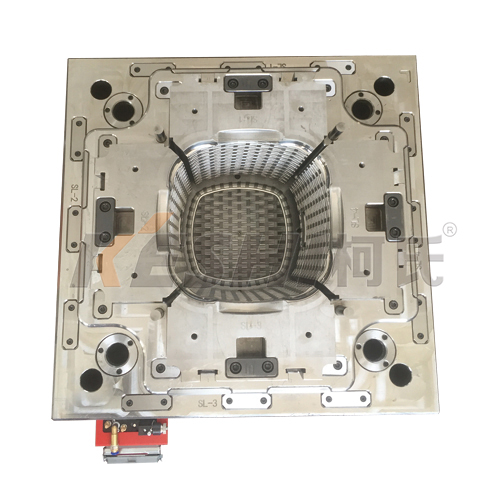
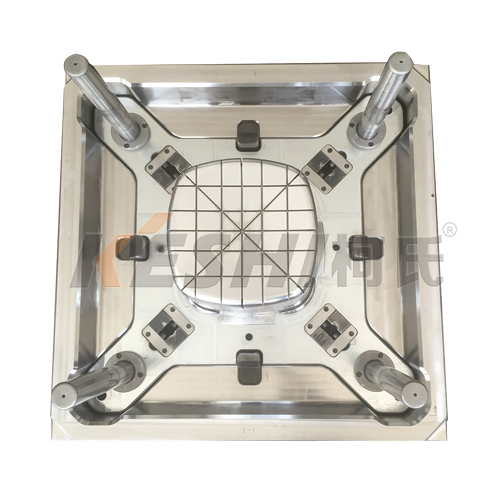
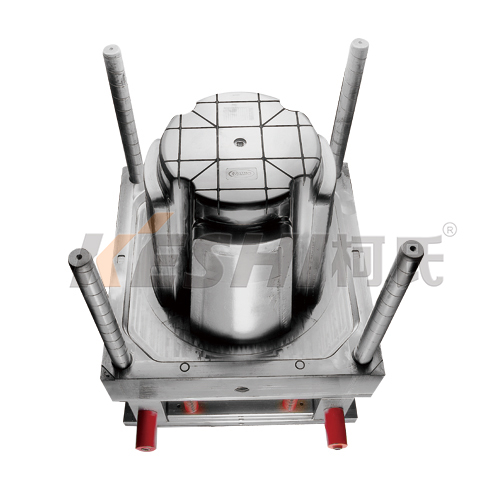
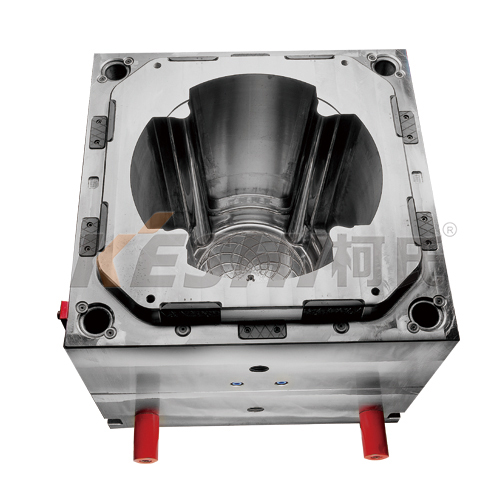
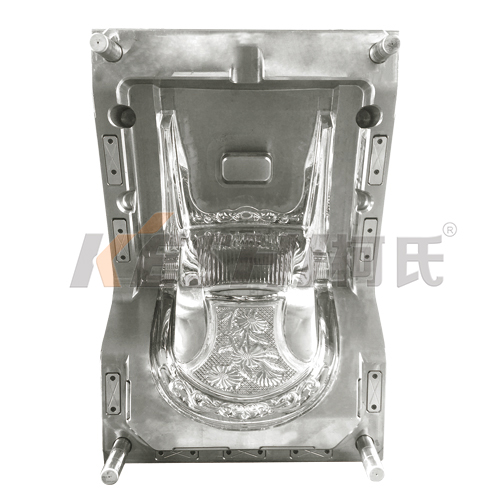
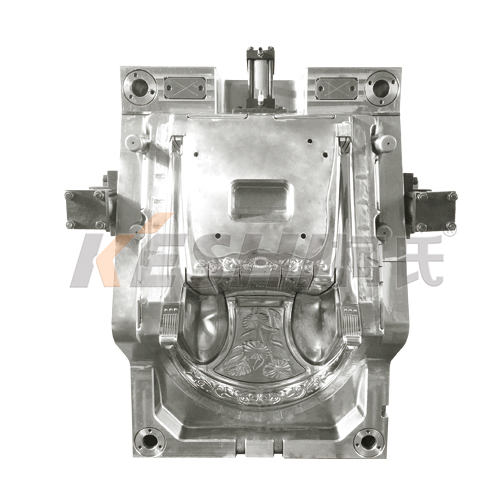
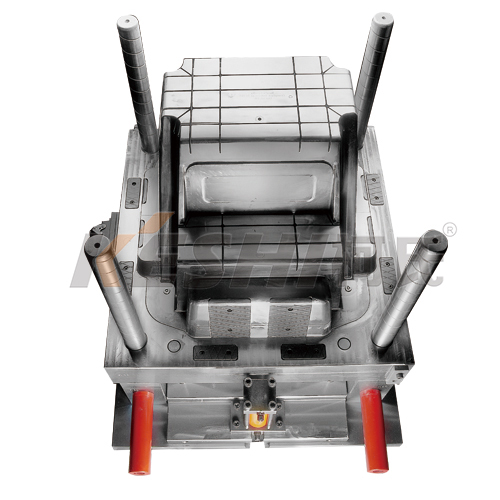
Plastic Furniture Mould Manufacturer
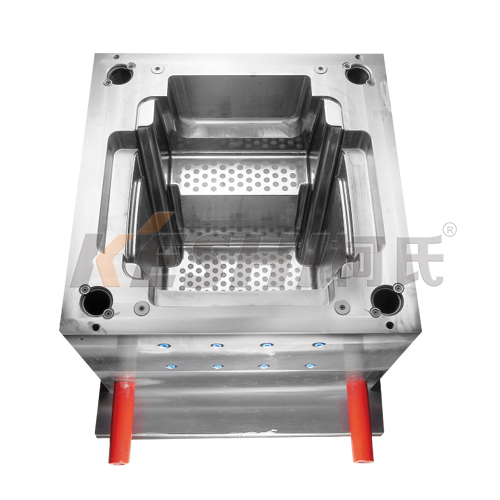
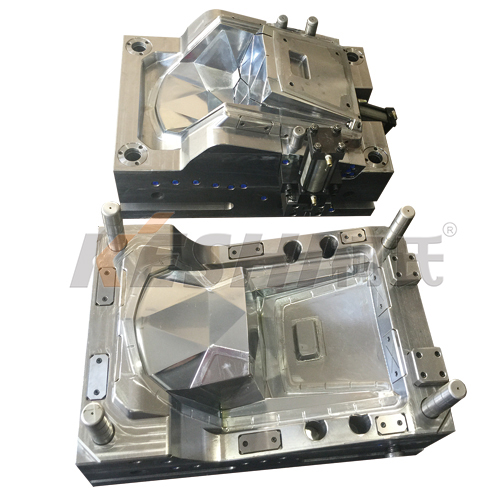
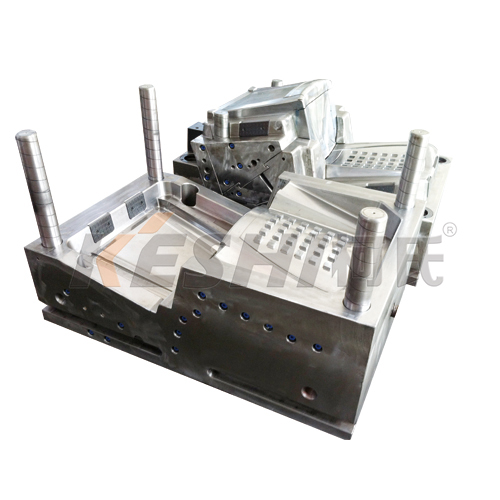
At Zhejiang Keshi Mould & Industry Co., Ltd., we pride ourselves on our exceptional expertise in the design and manufacturing of high-quality plastic furniture moulds. Our extensive range of moulds caters to the diverse needs of the furniture industry, ensuring that each product is crafted with precision, durability, and aesthetic appeal.
Customization: Our Core Strength
What sets us apart in the industry is our commitment to customization. We understand that each client has unique requirements and visions for their products. Our team works closely with clients from the initial concept stage through to final production, ensuring that every detail meets their exact specifications. Whether it's for chairs, tables, cabinets, or any other plastic furniture, we provide tailored solutions that bring your ideas to life.
Advanced Technology and Expertise
At Zhejiang Keshi Mould & Industry Co., Ltd., we utilize the latest CAD/CAM software and advanced machinery to create moulds that meet high standards of quality and precision. Our experienced engineers and designers employ cutting-edge technology to develop moulds that not only fulfill functional requirements but also enhance the aesthetic appeal of the final products. This integration of technology and expertise ensures that we can handle complex designs and deliver moulds with intricate details and a predominant finish.
Quality and Durability
We are dedicated to producing moulds that offer exceptional durability and longevity. Using premium-grade materials and rigorous testing procedures, we ensure that our moulds can withstand high-volume production runs without compromising on quality. Our commitment to quality is reflected in every stage of our production process, from material selection to final inspection.
Efficiency and Cost-Effectiveness
Efficiency and cost-effectiveness are key factors in our production process. Our streamlined manufacturing process allows us to produce moulds in a timely manner without sacrificing quality. We are able to offer competitive pricing while maintaining the high standards that our clients expect. This balance of quality and affordability makes our moulds an excellent investment for businesses looking to optimize their production processes.
Comprehensive Service
Our relationship with clients extends beyond the delivery of the mould. We offer comprehensive after-sales support to ensure that our clients can maximize the value of their investment. Our team is readily available to provide technical assistance, maintenance services, and any necessary adjustments to the moulds. This ongoing support helps our clients achieve consistent, high-quality production outcomes.
Innovation and Sustainability
Innovation is at the heart of everything we do at Zhejiang Keshi Mould & Industry Co., Ltd. We continuously explore new materials, technologies, and processes to enhance the performance and sustainability of our moulds. We are committed to environmentally responsible manufacturing practices, striving to reduce waste and improve energy efficiency in our operations.
Client-Centric Approach
Our client-centric approach ensures that we not only meet but exceed our clients' expectations. We take pride in building long-term relationships based on trust, transparency, and mutual success. Our dedicated team works tirelessly to understand and respond to the evolving needs of our clients, ensuring that we deliver solutions that drive their business forward.
In conclusion, Zhejiang Keshi Mould & Industry Co., Ltd. is your trusted partner for high-quality, customized plastic furniture moulds. With our advanced technology, commitment to quality, and client-focused services, we are well-equipped to meet the diverse needs of the furniture industry. Let us help you bring your innovative designs to life with our reliable and efficient mould solutions.
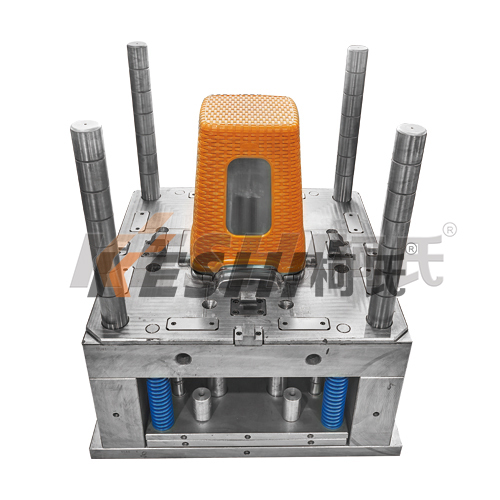
ABOUT US
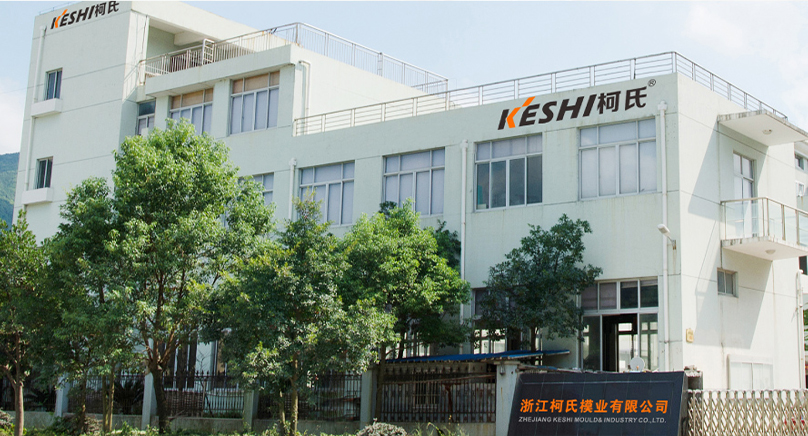
Zhejiang Keshi Mould & Industry Co., Ltd.
Zhejiang Keshi Mould & Industry Co., Ltd. is a Custom Plastic Furniture Mould Manufacturer and China OEM/ODM Plastic Furniture Mould Factory, We produce, manufacture, and sell Household Plastic Mould, Package Mould, Furniture Mould, Logistics Mould and Pipe Fitting Mould, etc.
We have complete mould-building facilities furnished with the latest modelling software: UG, CAD/CAM, PROE, SOLIDWORKS, and advanced processing equipment to ensure high-quality mould. We aim to meet and exceed our customers’ expectations through design, competitive prices, fast delivery, and after-sales service.
News
-
Leading the Way in Custom Mold Production A Mold Manufacturer Supplier plays an essential role in industries ranging from automotive and electronics to consumer...
READ MORE -
The Role of Plastic Injection Molds in Modern Production A Plastic Injection Mold plays a critical role in the manufacturing of plastic products across various ...
READ MORE -
From Granules to Garden Chairs Every plastic chair, table, and storage unit begins as tiny granules inside massive molding machines. A plastic furniture mold tr...
READ MORE -
What Makes Logistics Moulds Different Every warehouse stacked with pallets, every shipment secured in plastic crates, and every distribution center organized wi...
READ MORE -
Where Kitchen Containers Begin Open any kitchen cabinet and find storage containers in every shape and size. Each one started as liquid plastic inside a househo...
READ MORE -
What Actually Happens Inside a Mold Look around any room and count plastic items. Phones, remotes, water bottles, toys, containers. Every single one began as li...
READ MORE -
How Do Plastic Package Molds Improve Manufacturing A Plastic Package Mold is essential for producing consistent, high-quality packaging products used in food, c...
READ MORE -
How Do Pipe Fitting Molds Enhance Manufacturing Efficiency A Pipe Fitting Mold is a key tool in producing high-quality pipe connectors for plumbing, irrigation,...
READ MORE -
How Do Logistics Moulds Improve Supply Chain Efficiency Efficient packaging and storage are critical in modern supply chains, and a Logistics Mould provides con...
READ MORE -
How Do Household Plastic Molds Improve Manufacturing Efficiency A Household Plastic Mold plays a vital role in producing consistent, high-quality household prod...
READ MORE -
Thin wall molding is a specialized injection molding process used to manufacture plastic parts with relatively thin wall sections while maintaining structural i...
READ MORE -
How does the Chemical and Impact Resistance of Paint Bucket Molds Affect Their Performance? In the production of paint buckets, the material properties and resi...
READ MORE
We Have Rich Industry Experience, Strong Technical Strength,
And a Technical Team. Can Provide One-stop Solutions Based On Customer Needs.

-
2018
Was founded in
-
10+
Industry experience
-
xxx
Patent Certificate
-
xx+
Automatic production line
Honor

Leaving a Message
If you would like to learn more about our products, please feel free to contact us and we will do our to assist you.
Industry Knowledge Extension
How Do the Dimensions of a Plastic Furniture Mould Affect the Production Process?
The dimensions of a plastic furniture mould directly influence machine selection, cycle time, material consumption, and overall production stability. Furniture moulds are generally larger than household commodity moulds due to the size of the final products. For example, a single-chair mould may measure approximately 1200 mm × 800 mm × 650 mm and weigh between 3,000 kg and 6,000 kg depending on the steel used.
Mould size determines the required injection molding machine. A mould with a projected area of 0.8 m² may require a clamping force of 1,800 to 2,500 tons to prevent flashing during injection. If the machine capacity is insufficient, defects such as short shots or deformation may occur. Larger moulds also require higher injection volumes. For instance, a plastic chair with a weight of 8–10 kg may need an injection unit capable of delivering more than 12 kg of molten material per cycle, accounting for runners and material loss.
Cooling efficiency is another dimension-related factor. Thick wall sections exceeding 4–5 mm can increase cooling time significantly. If cooling time increases from 40 seconds to 70 seconds per cycle, daily output may drop by more than 40 percent. Proper dimensional design, including uniform wall thickness and well-distributed cooling channels with diameters of 10–14 mm, helps stabilize production rhythm.
Transportation and installation are also affected. Oversized moulds require special lifting equipment and reinforced mould bases, which add logistical considerations to the production process. Therefore, mould dimensions must be carefully coordinated with equipment capability and factory layout.
What Environmental Factors Need to Be Considered in the Manufacturing of Plastic Furniture Molds?
Environmental factors influence both mould manufacturing and long-term production performance. These factors are often overlooked but have measurable effects on mould accuracy, durability, and operational stability.
One important factor is ambient temperature during machining and assembly. Large mould components can expand or contract noticeably. For steel, thermal expansion is approximately 0.01 mm per meter per degree Celsius. In a 2-meter-long mould component, a temperature variation of 5°C may result in a dimensional change of 0.1 mm, which is significant for tight-tolerance furniture moulds.
Humidity also affects manufacturing conditions, especially during storage and assembly. High humidity levels above 70 percent increase the risk of surface corrosion, particularly for non-stainless mold steels. Dust and airborne particles can enter mould cavities during polishing or assembly, affecting surface finish quality.
Energy consumption and waste management are environmental considerations tied to sustainability requirements. Furniture moulds often involve extensive CNC machining and heat treatment, which consume large amounts of electricity and cooling water.
|
Environmental Factor |
Typical Range |
Potential Impact on Mould |
|
Ambient temperature |
18–25°C |
Dimensional stability |
|
Relative humidity |
40–60% |
Corrosion control |
|
Dust concentration |
Low/controlled |
Surface quality |
|
Power stability |
±5% voltage |
Machining accuracy |
|
Waste handling |
Regulated |
Compliance and cost |
Manufacturers that control these factors through climate-controlled workshops and standardized procedures tend to achieve more consistent mould quality and reduced rework rates.
Custom Furniture Mould: What Factors Need to Be Considered When Selecting a Plastic Mold Manufacturer?
Selecting a suitable plastic mould manufacturer is a key decision for companies producing custom plastic furniture. The factor to consider is technical capability. Furniture moulds often involve complex structures, such as gas-assisted molding channels, multiple sliders, or reinforced rib designs. A manufacturer should demonstrate experience with moulds exceeding 2,000 mm in length or weights above 5 tons.
Design support is equally important. A qualified manufacturer should provide mold flow analysis, structural simulations, and feedback on wall thickness, draft angles, and reinforcement layouts. For example, adjusting a rib thickness from 70 percent to 50 percent of the wall thickness can reduce sink marks without compromising strength.
Quality control systems should be reviewed in detail. This includes material traceability, hardness testing after heat treatment (commonly 28–32 HRC for P20 steel), and dimensional inspection using coordinate measuring machines. Transparent documentation helps reduce project risks.
Production capacity and delivery scheduling must align with project timelines. Large furniture moulds typically require 60–120 days for completion. A manufacturer with insufficient machining capacity may face delays during peak production periods.
Copyright © 2023 Zhejiang Keshi Mould & Industry Co., Ltd. All Rights Reserved

Custom Furniture Mould Manufacturer