
 EN
EN  English
 русский
 عربى
عربى 中文简体
中文简体
Product Categories
Keshi Mould
Contact Us
Which is a manufacturer & supplier of an extensive range of plastic moulds, Household Plastic Mould, Package Mould, Furniture Mould, Logistics Mould and Pipe Fitting Mould, etc.
Plastic Pallet Container Mould Manufacturer
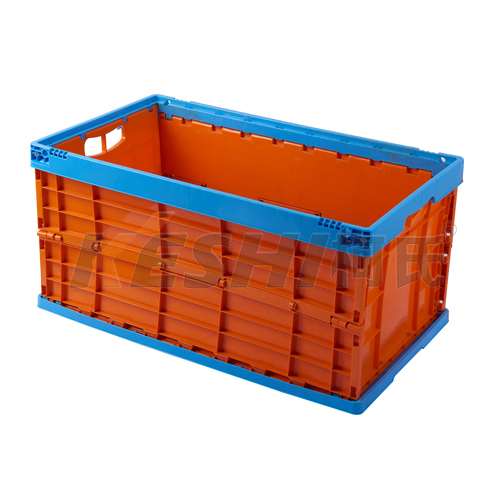
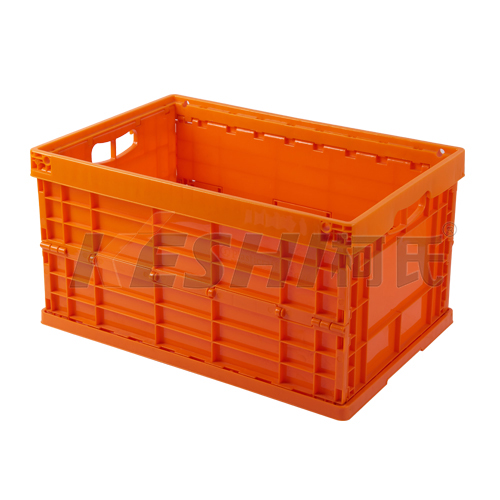
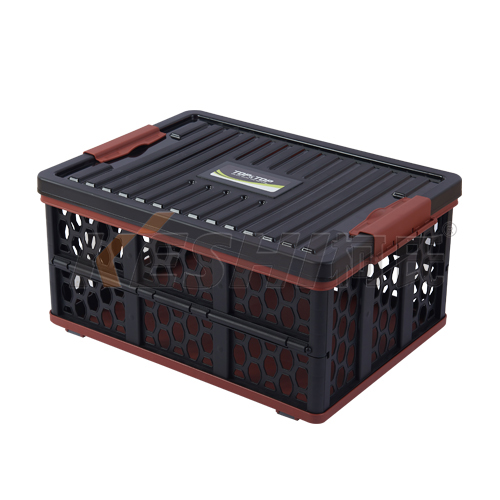
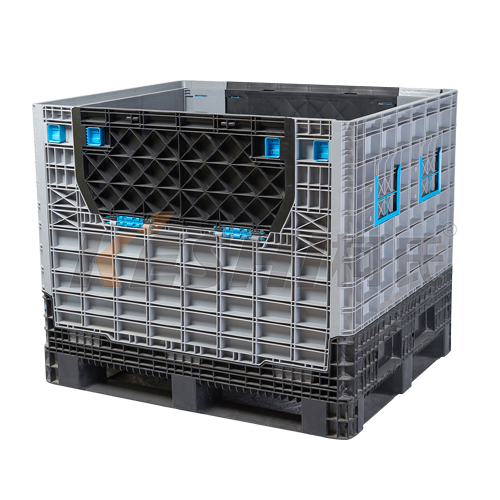
A wide variety of pallet container options are available to you, You can choose from solid design or perforated design, single pallet container or foldable pallet container…
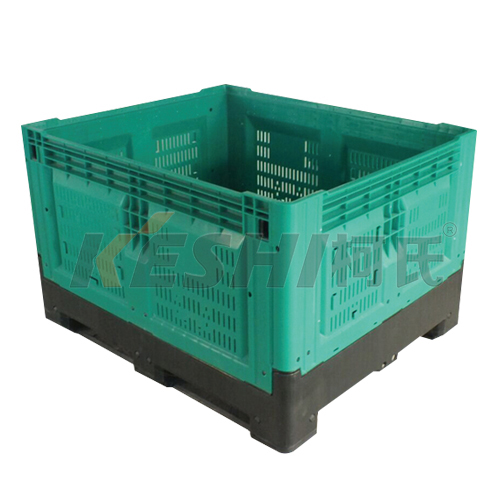
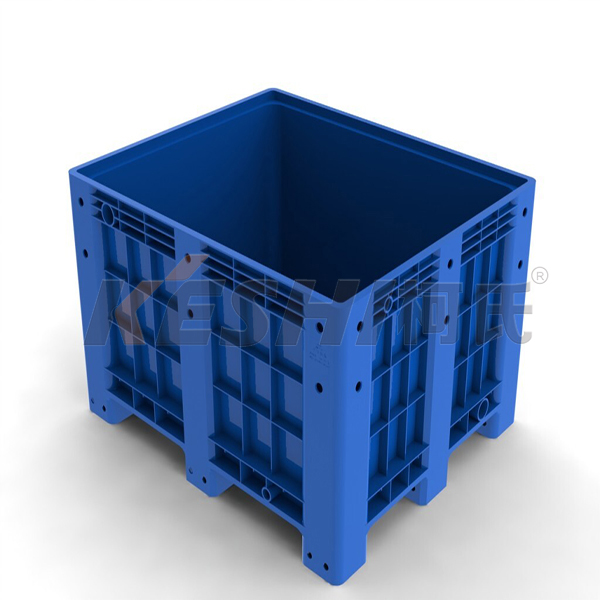
ABOUT US
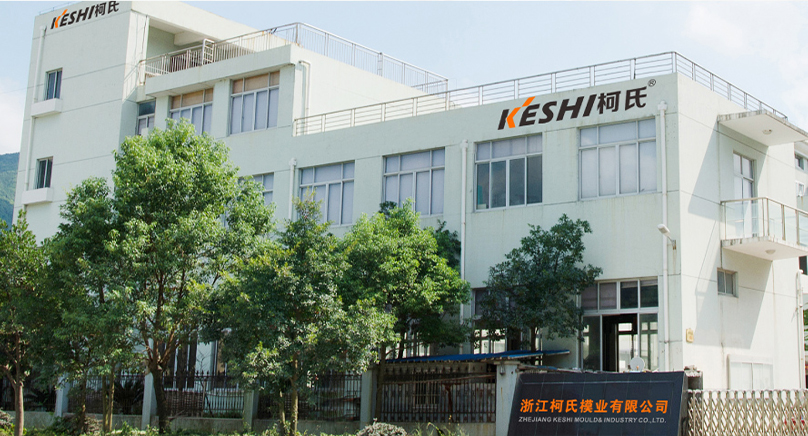
Zhejiang Keshi Mould & Industry Co., Ltd.
Zhejiang Keshi Mould & Industry Co., Ltd. is a Custom Plastic Pallet Container Mould Manufacturer and China OEM/ODM Plastic Pallet Container Mould Factory, We produce, manufacture, and sell Household Plastic Mould, Package Mould, Furniture Mould, Logistics Mould and Pipe Fitting Mould, etc.
We have complete mould-building facilities furnished with the latest modelling software: UG, CAD/CAM, PROE, SOLIDWORKS, and advanced processing equipment to ensure high-quality mould. We aim to meet and exceed our customers’ expectations through design, competitive prices, fast delivery, and after-sales service.
News
-
Leading the Way in Custom Mold Production A Mold Manufacturer Supplier plays an essential role in industries ranging from automotive and electronics to consumer...
READ MORE -
The Role of Plastic Injection Molds in Modern Production A Plastic Injection Mold plays a critical role in the manufacturing of plastic products across various ...
READ MORE -
From Granules to Garden Chairs Every plastic chair, table, and storage unit begins as tiny granules inside massive molding machines. A plastic furniture mold tr...
READ MORE -
What Makes Logistics Moulds Different Every warehouse stacked with pallets, every shipment secured in plastic crates, and every distribution center organized wi...
READ MORE -
Where Kitchen Containers Begin Open any kitchen cabinet and find storage containers in every shape and size. Each one started as liquid plastic inside a househo...
READ MORE -
What Actually Happens Inside a Mold Look around any room and count plastic items. Phones, remotes, water bottles, toys, containers. Every single one began as li...
READ MORE -
How Do Plastic Package Molds Improve Manufacturing A Plastic Package Mold is essential for producing consistent, high-quality packaging products used in food, c...
READ MORE -
How Do Pipe Fitting Molds Enhance Manufacturing Efficiency A Pipe Fitting Mold is a key tool in producing high-quality pipe connectors for plumbing, irrigation,...
READ MORE -
How Do Logistics Moulds Improve Supply Chain Efficiency Efficient packaging and storage are critical in modern supply chains, and a Logistics Mould provides con...
READ MORE -
How Do Household Plastic Molds Improve Manufacturing Efficiency A Household Plastic Mold plays a vital role in producing consistent, high-quality household prod...
READ MORE -
Thin wall molding is a specialized injection molding process used to manufacture plastic parts with relatively thin wall sections while maintaining structural i...
READ MORE -
How does the Chemical and Impact Resistance of Paint Bucket Molds Affect Their Performance? In the production of paint buckets, the material properties and resi...
READ MORE
We Have Rich Industry Experience, Strong Technical Strength,
And a Technical Team. Can Provide One-stop Solutions Based On Customer Needs.

-
2018
Was founded in
-
10+
Industry experience
-
xxx
Patent Certificate
-
xx+
Automatic production line
Honor

Leaving a Message
If you would like to learn more about our products, please feel free to contact us and we will do our to assist you.
Industry Knowledge Extension
Comparative Analysis of the Advantages and Disadvantages of Plastic Pallet Container Mould
The use of injection molding for producing plastic pallet containers presents a set of trade-offs when compared to alternative manufacturing methods for similar load-bearing systems.
Advantages derived from this method include a high degree of design integration. The process allows for the creation of a seamless, one-piece pallet base with integrated feet and fork channels, combined with robust, often foldable or attachable, wall sections. This monolithic or semi-monolithic construction enhances structural integrity and hygiene by eliminating crevices where dirt or moisture could accumulate. Furthermore, injection molding facilitates the incorporation of specific functional features directly into the tool, such as anti-slip surfaces, RFID tag pockets, and stacking or nesting geometries, with high dimensional consistency across thousands of units.
Disadvantages primarily relate to economic and logistical factors. The initial investment for a high-capacity, multi-cavity pallet container mold is substantial, due to the large size of the tools and the need for high-grade, wear-resistant steels. This makes low-volume production runs economically challenging. The process also imposes limitations on part size, constrained by the clamping force and platen size of available injection molding machines. Additionally, while the per-unit cost at high volumes is favorable, the lead time for designing, manufacturing, and validating a new mold is considerable, reducing flexibility for rapid design changes compared to some assembled alternatives.
What are the primary structural considerations in the initial design phase?
The design must account for the static and dynamic load requirements, including stacked weight and impact resistance during handling. This dictates wall thickness, ribbing patterns for the base and corners, and the geometry of the pallet’s underside. Material selection, typically high-density polyethylene (HDPE) or polypropylene (PP), is made concurrently for its impact strength and fatigue resistance.
How is compatibility with handling equipment ensured?
The mold design must precisely form critical interfaces: the dimensions of fork pockets must comply with industry standards for pallet jacks and forklifts, and the overall footprint must align with common warehouse racking and conveyor systems. The design also considers the container’s center of gravity when loaded.
What features are integrated for logistical efficiency?
Initial requirements often specify features for space optimization. This includes designing for secure stacking when full, either via interlocking lids or reinforced stacking rims, and for compact nesting when containers are empty and returned. The design must also accommodate any planned automation in filling, handling, or cleaning processes.
What are the Main Features and Advantages of Plastic Injection Pallet Box Crate Mould
The features of a mold for plastic pallet boxes are direct responses to the demands of industrial use, and the advantages stem from the precision and repeatability of the injection molding process.
A principal feature is the capacity to create complex, integrated reinforcement. The mold cavities form a network of vertical and horizontal ribs within the container walls and across the pallet deck. This ribbing provides structural rigidity while optimizing material usage, preventing bulging under load without resorting to uniformly thick, heavy walls. Another defining feature is the incorporation of sophisticated hinge mechanisms for foldable or collapsible sidewalls. These living hinges or mechanical pivot points are molded in place, ensuring consistent performance and durability through countless cycles.
The advantages arising from this type of mold are multifaceted. It enables the production of containers with consistent weight and dimensions, which is critical for automated logistics and stable stacking. The process yields a product with a high strength-to-weight ratio, improving payload efficiency during transport. From a maintenance perspective, the smooth, non-porous surfaces created by a polished mold cavity are easy to clean and sanitize, making the containers suitable for regulated industries like food and pharmaceuticals.
Copyright © 2023 Zhejiang Keshi Mould & Industry Co., Ltd. All Rights Reserved

OEM/ODM Plastic Pallet Container Mould Factory