
 EN
EN  English
 русский
 عربى
عربى 中文简体
中文简体
Product Categories
Keshi Mould
Contact Us
Which is a manufacturer & supplier of an extensive range of plastic moulds, Household Plastic Mould, Package Mould, Furniture Mould, Logistics Mould and Pipe Fitting Mould, etc.
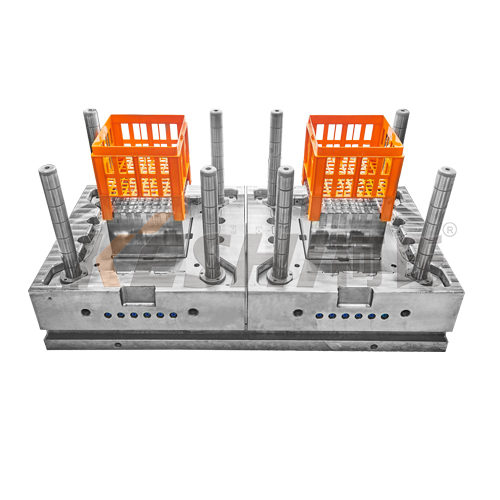
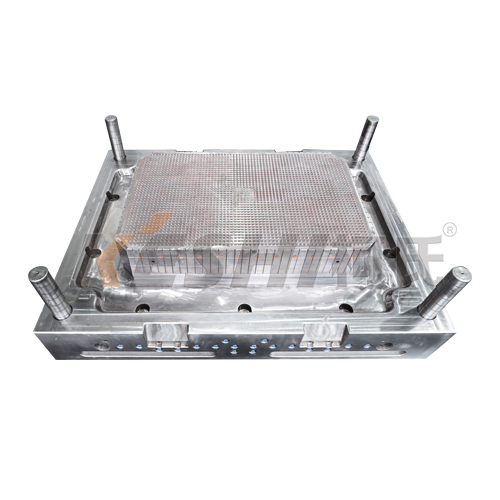
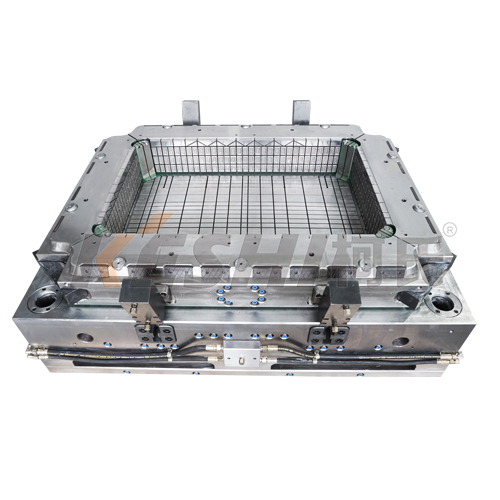
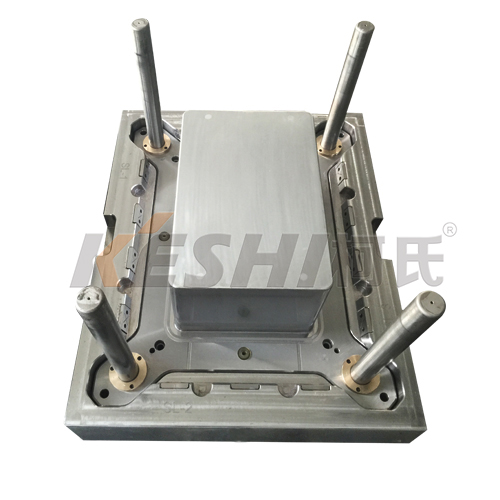
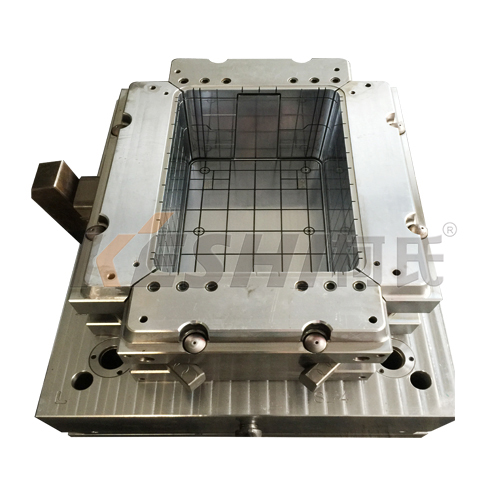
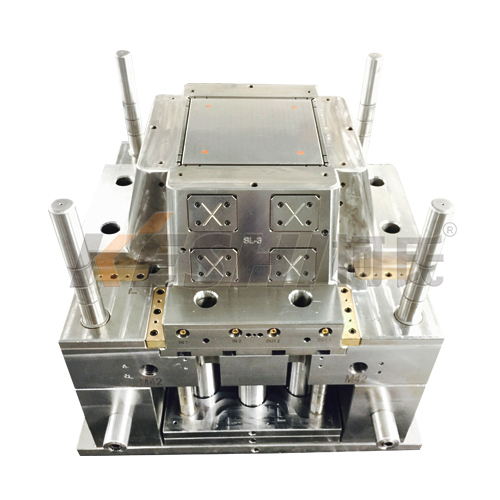
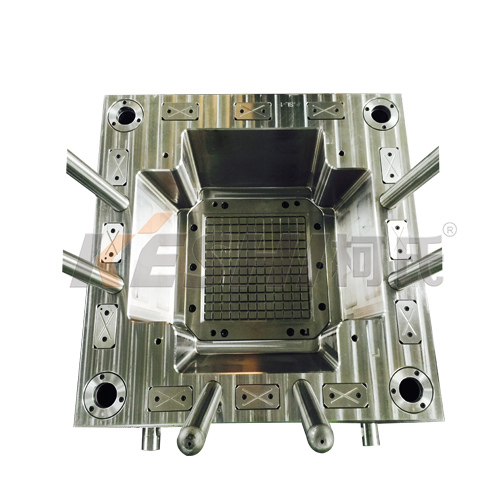
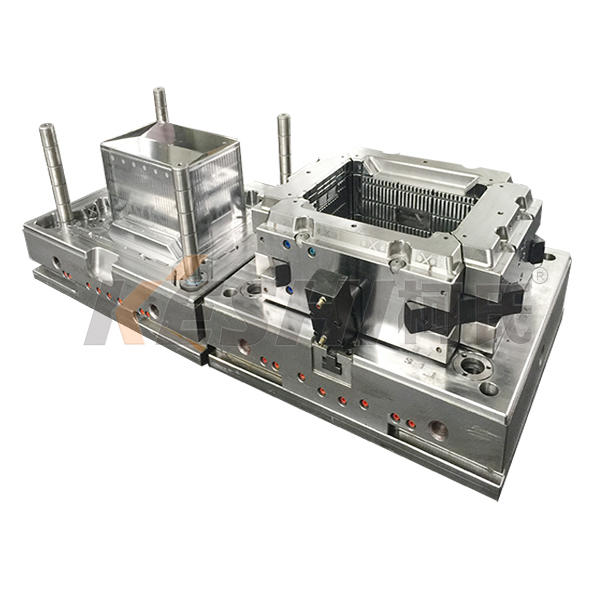
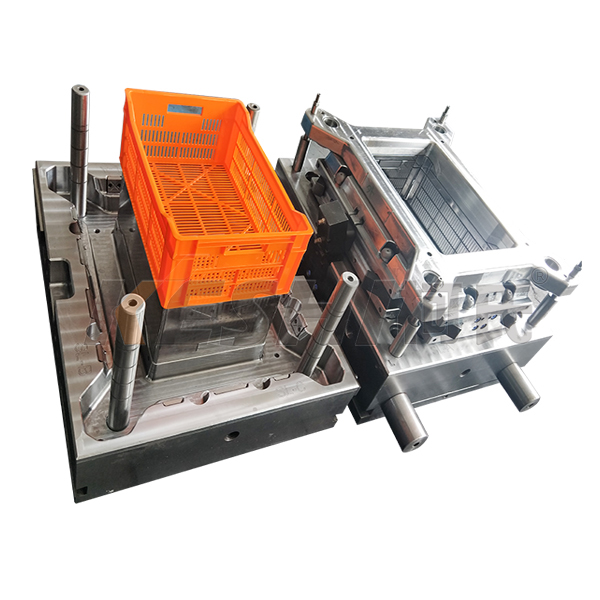
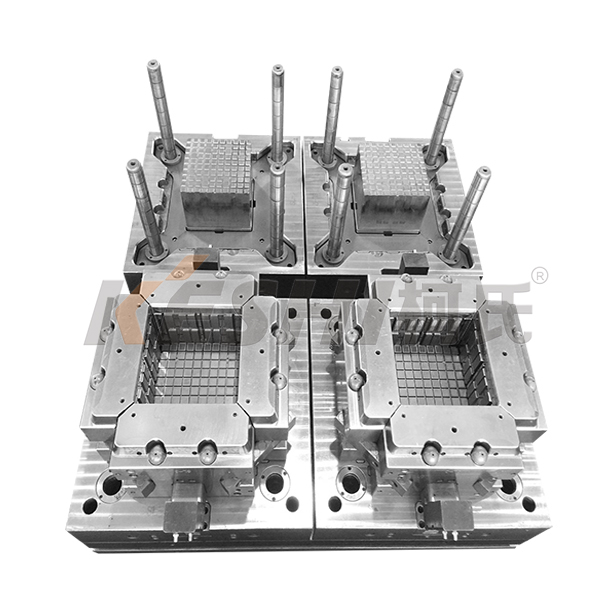
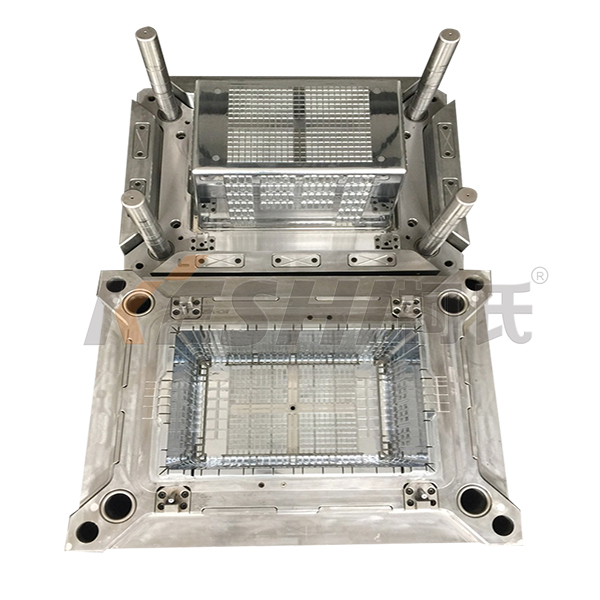
Plastic Logistics Crate Mould Factory
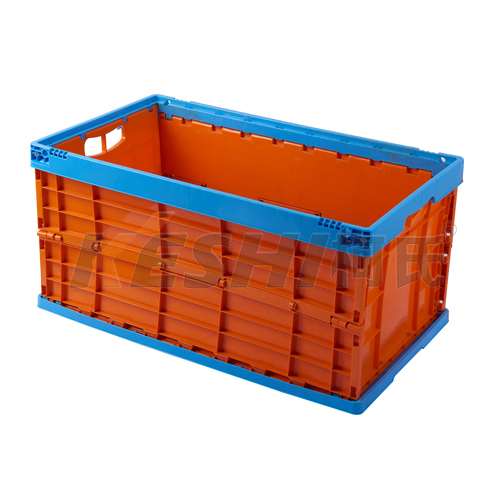
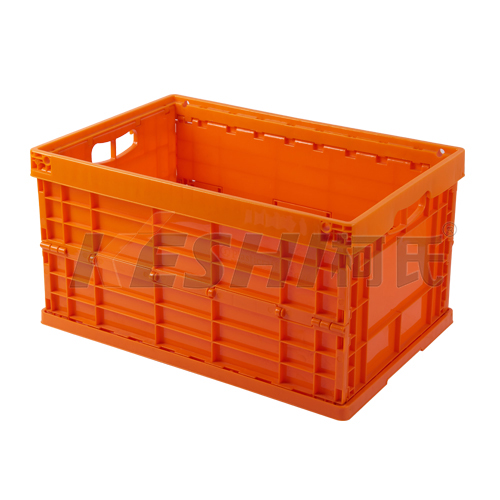
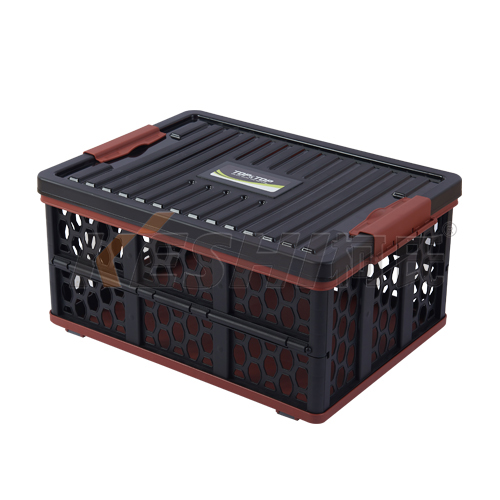
Zhejiang Keshi Mould & Industry Co., Ltd. is a renowned name in the mould manufacturing industry, offering a diverse range of high-quality moulds to meet various industrial needs. Among our extensive product portfolio, the Logistics Mould category stands out for its crucial role in enhancing efficiency and organization in logistics and supply chain operations. This category encompasses several key products, including Vegetable and Fruit Crate Mould, Plastic Folding Crate Moulds, Plastic Pallet Moulds, Plastic Pallet Container Moulds, and Industrial Plastic Dustbin Moulds. Zhejiang Keshi Mould & Industry Co., Ltd. is dedicated to delivering predominant mould solutions that enhance the efficiency and effectiveness of logistics operations.
ABOUT US
Zhejiang Keshi Mould & Industry Co., Ltd.
Zhejiang Keshi Mould & Industry Co., Ltd. is a Custom Logistics Mould Manufacturer and China OEM/ODM Logistics Mould Factory, We produce, manufacture, and sell Household Plastic Mould, Package Mould, Furniture Mould, Logistics Mould and Pipe Fitting Mould, etc.
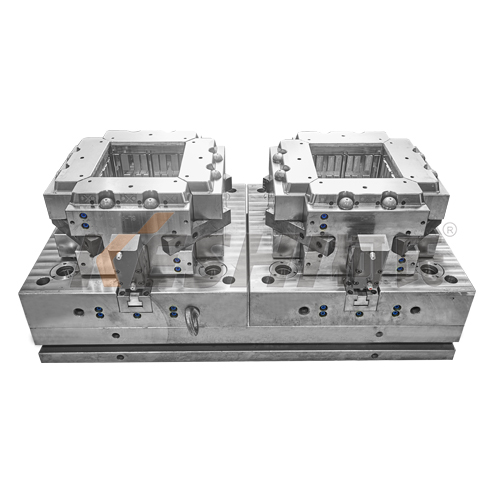
We have complete mould-building facilities furnished with the latest modelling software: UG, CAD/CAM, PROE, SOLIDWORKS, and advanced processing equipment to ensure high-quality mould. We aim to meet and exceed our customers’ expectations through design, competitive prices, fast delivery, and after-sales service.

News
-
Leading the Way in Custom Mold Production A Mold Manufacturer Supplier plays an essential role in industries ranging from automotive and electronics to consumer...
READ MORE -
The Role of Plastic Injection Molds in Modern Production A Plastic Injection Mold plays a critical role in the manufacturing of plastic products across various ...
READ MORE -
From Granules to Garden Chairs Every plastic chair, table, and storage unit begins as tiny granules inside massive molding machines. A plastic furniture mold tr...
READ MORE -
What Makes Logistics Moulds Different Every warehouse stacked with pallets, every shipment secured in plastic crates, and every distribution center organized wi...
READ MORE -
Where Kitchen Containers Begin Open any kitchen cabinet and find storage containers in every shape and size. Each one started as liquid plastic inside a househo...
READ MORE -
What Actually Happens Inside a Mold Look around any room and count plastic items. Phones, remotes, water bottles, toys, containers. Every single one began as li...
READ MORE -
How Do Plastic Package Molds Improve Manufacturing A Plastic Package Mold is essential for producing consistent, high-quality packaging products used in food, c...
READ MORE -
How Do Pipe Fitting Molds Enhance Manufacturing Efficiency A Pipe Fitting Mold is a key tool in producing high-quality pipe connectors for plumbing, irrigation,...
READ MORE -
How Do Logistics Moulds Improve Supply Chain Efficiency Efficient packaging and storage are critical in modern supply chains, and a Logistics Mould provides con...
READ MORE -
How Do Household Plastic Molds Improve Manufacturing Efficiency A Household Plastic Mold plays a vital role in producing consistent, high-quality household prod...
READ MORE -
Thin wall molding is a specialized injection molding process used to manufacture plastic parts with relatively thin wall sections while maintaining structural i...
READ MORE -
How does the Chemical and Impact Resistance of Paint Bucket Molds Affect Their Performance? In the production of paint buckets, the material properties and resi...
READ MORE
We Have Rich Industry Experience, Strong Technical Strength,
And a Technical Team. Can Provide One-stop Solutions Based On Customer Needs.

-
2018
Was founded in
-
10+
Industry experience
-
xxx
Patent Certificate
-
xx+
Automatic production line
Honor

Leaving a Message
If you would like to learn more about our products, please feel free to contact us and we will do our to assist you.
Industry Knowledge Extension
What Are Some Common Challenges in Manufacturing Plastic Crate Mould?
The manufacturing of plastic crate moulds is more complex than that of smaller consumer-product molds due to their size, structural requirements, and production expectations. Several challenges frequently arise during this process:
Large mold dimensions and weight
Plastic crate molds often exceed 1,500 mm in length and can weigh more than 4–6 tons. This increases difficulty in machining, handling, and assembly, and places higher demands on equipment capacity.
Complex structural design
Crates require reinforced ribs, stacking features, and sometimes foldable or interlocking elements. These structures increase the number of sliders, lifters, and inserts, raising assembly and maintenance complexity.
Uniform wall thickness control
Maintaining wall thickness within a range of 2.5–4.0 mm is critical. Variations can bring about warpage, sink marks, or uneven load distribution in the finished crate.
Cooling balance issues
Due to the large surface area of crate molds, uneven cooling can cause deformation or internal stress. Designing balanced cooling channels across deep ribs and corners is technically demanding.
Surface finish and durability requirements
Crates often operate in rough environments. Mold surfaces must achieve consistent texture while maintaining wear resistance over long production cycles.
These challenges require careful coordination between design, machining, and testing to ensure stable mold performance.
How to Reduce the Production Cost of Plastic Crate Mold?
Reducing the production cost of plastic crate molds does not rely on a single measure but rather on systematic planning and design optimization. The following approaches are commonly adopted:
Optimize mold structure
Simplifying non-functional features and reducing unnecessary sliders can lower machining and assembly costs.
Select appropriate mold materials
Using pre-hardened steel such as P20 instead of fully hardened steel may reduce material and heat treatment expenses when production volume allows.
Standardize mold components
Employing standard ejector pins, guide pillars, and cooling connectors reduces custom machining and spare-part costs.
Improve machining efficiency
Applying CNC rough machining followed by targeted finishing operations shortens production time and reduces labor costs.
Reduce trial-and-error cycles
Mold flow analysis can identify potential defects in advance, reducing the number of test runs and modifications.
Through these measures, manufacturers can achieve cost control while maintaining acceptable performance and service life.
Logistics Mould: What Is the Importance of Cooling and Heating Systems in the Manufacturing Process?
Cooling and heating systems are essential for maintaining dimensional stability and cycle efficiency in logistics mold manufacturing. Their role extends beyond simple temperature control:
Cycle time management
Efficient cooling channels reduce cooling time, which may account for 50–70 percent of the total molding cycle for large logistics products.
Dimensional accuracy control
Uniform temperature distribution helps prevent warpage and uneven shrinkage, particularly in thick rib areas.
Material flow stabilization
Heating systems ensure consistent mold temperature during startup and production, improving melt flow and surface replication.
Stress reduction in molded parts
Controlled cooling minimizes internal stress, which improves load-bearing performance and impact resistance.
Extended mold service life
Stable thermal conditions reduce thermal fatigue and cracking in mold steel over long-term operation.
Balanced cooling and heating design is therefore a critical factor in both mold durability and product consistency.
How Does the Design of Logistics Mold Affect Product Functionality?
The design of a logistics mold directly influences how the final product performs in real-world applications. Functional requirements must be integrated into mold design decisions:
Stacking and nesting accuracy
Mold design determines dimensional tolerance, which affects whether crates stack securely without slipping.
Load-bearing capacity
Rib layout, thickness, and orientation influence how weight is distributed when crates are stacked or transported.
Handling and ergonomics
Molded hand grips and edge radii affect user comfort and reduce damage during repeated handling.
Drainage and ventilation features
Properly designed openings improve airflow and water drainage without compromising structural integrity.
Compatibility with automation
Consistent dimensions and flat reference surfaces support conveyor systems and robotic handling in logistics centers.
Copyright © 2023 Zhejiang Keshi Mould & Industry Co., Ltd. All Rights Reserved

Plastic Logistics Crate Mould Supplier