
 EN
EN  English
 русский
 عربى
عربى 中文简体
中文简体
Product Categories
Keshi Mould
Contact Us
Which is a manufacturer & supplier of an extensive range of plastic moulds, Household Plastic Mould, Package Mould, Furniture Mould, Logistics Mould and Pipe Fitting Mould, etc.
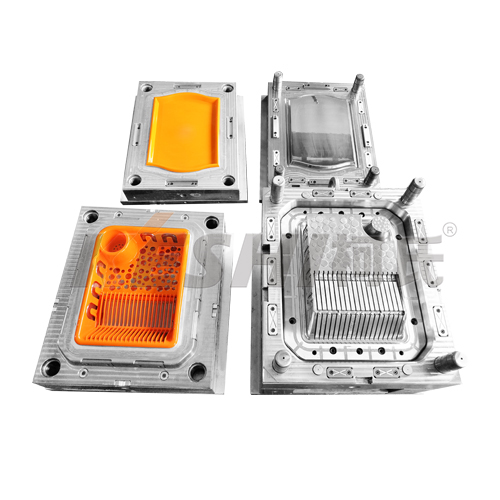
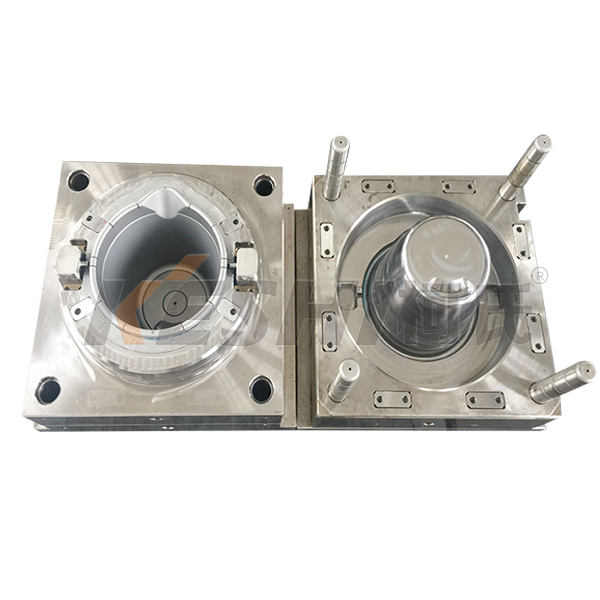
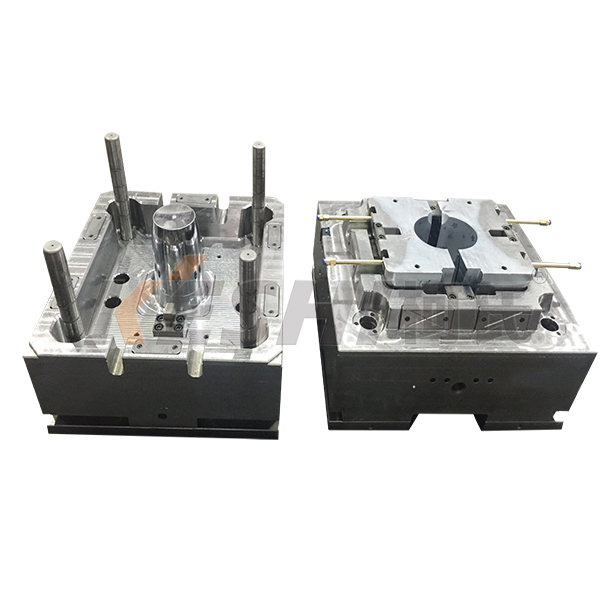
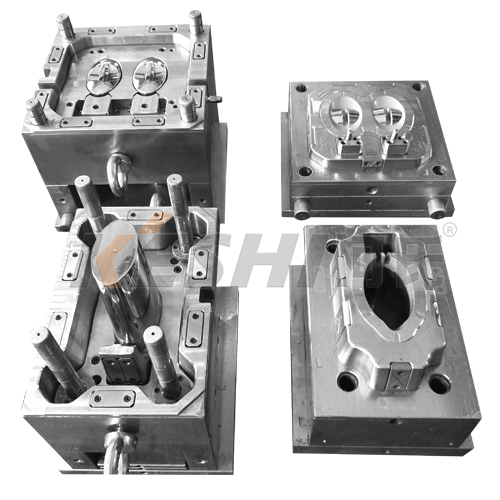
Plastic Kitchen Ware Mould Manufacturer
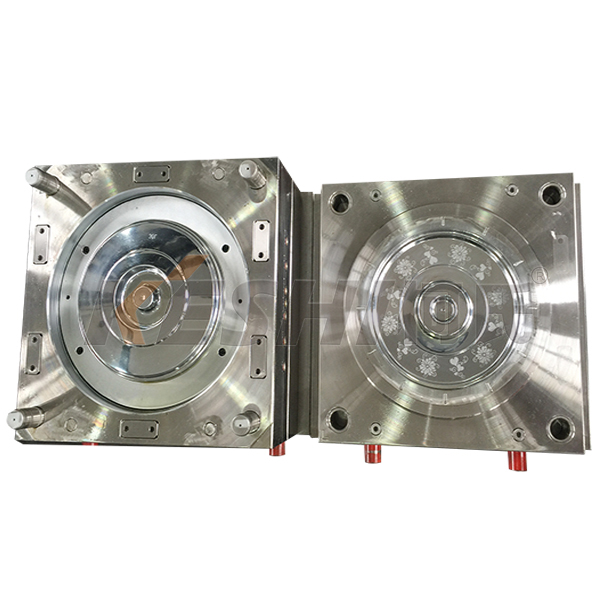
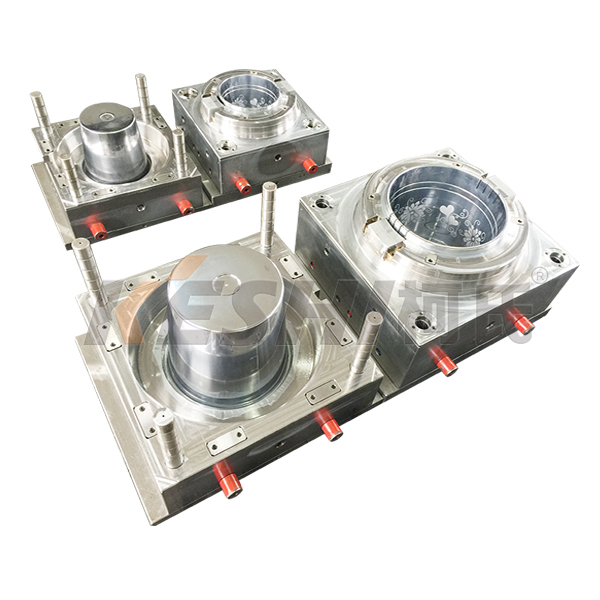
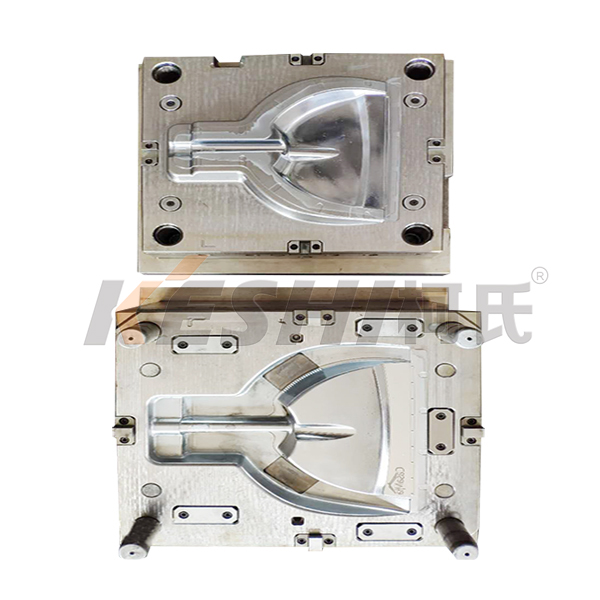
At Zhejiang Keshi Mould & Industry Co., Ltd., we pride ourselves on being a premier provider of high-quality kitchen ware moulds. Our extensive range of kitchen ware moulds is designed to meet the diverse needs of our clients, ensuring top-notch functionality, durability, and aesthetic appeal.
Moreover, our dedicated team of experts provides comprehensive support throughout the mould development process, from initial design to final production. This ensures that our clients receive moulds that not only meet but exceed their expectations.
Zhejiang Keshi Mould & Industry Co., Ltd. stands out in the industry due to our unwavering dedication to quality, innovation, and customer satisfaction. Our kitchen ware moulds are a testament to our expertise and commitment to excellence. By choosing our moulds, clients are assured of receiving products that are precise, durable, efficient, and tailored to their specific needs, ultimately enhancing their competitive edge in the market.
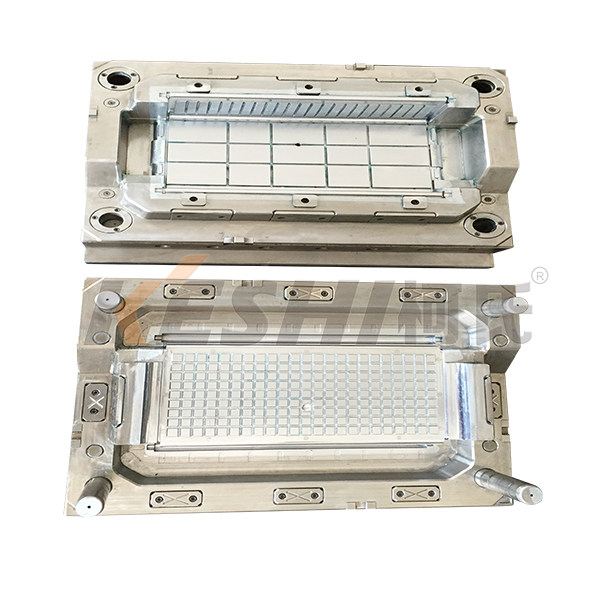
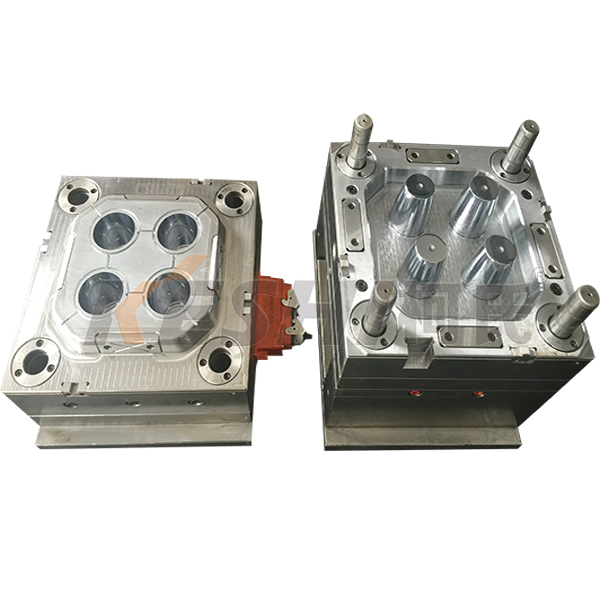
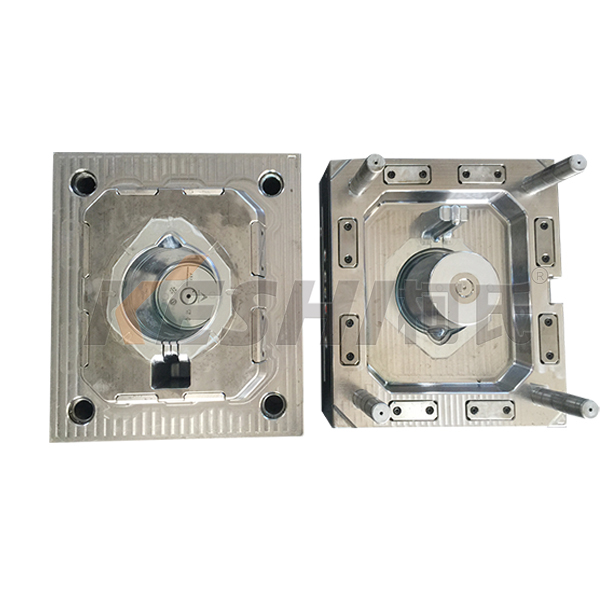
ABOUT US
Zhejiang Keshi Mould & Industry Co., Ltd.
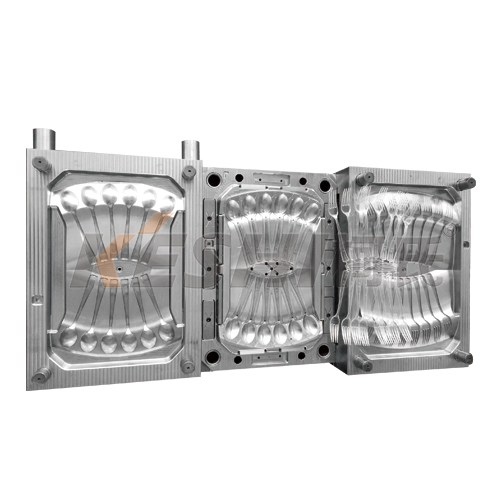
Zhejiang Keshi Mould & Industry Co., Ltd. is a Custom Plastic Kitchen Ware Mould Manufacturer and China OEM/ODM Plastic Kitchen Ware Mould Factory, We produce, manufacture, and sell Household Plastic Mould, Package Mould, Furniture Mould, Logistics Mould and Pipe Fitting Mould, etc.
We have complete mould-building facilities furnished with the latest modelling software: UG, CAD/CAM, PROE, SOLIDWORKS, and advanced processing equipment to ensure high-quality mould. We aim to meet and exceed our customers’ expectations through design, competitive prices, fast delivery, and after-sales service.

News
-
Leading the Way in Custom Mold Production A Mold Manufacturer Supplier plays an essential role in industries ranging from automotive and electronics to consumer...
READ MORE -
The Role of Plastic Injection Molds in Modern Production A Plastic Injection Mold plays a critical role in the manufacturing of plastic products across various ...
READ MORE -
From Granules to Garden Chairs Every plastic chair, table, and storage unit begins as tiny granules inside massive molding machines. A plastic furniture mold tr...
READ MORE -
What Makes Logistics Moulds Different Every warehouse stacked with pallets, every shipment secured in plastic crates, and every distribution center organized wi...
READ MORE -
Where Kitchen Containers Begin Open any kitchen cabinet and find storage containers in every shape and size. Each one started as liquid plastic inside a househo...
READ MORE -
What Actually Happens Inside a Mold Look around any room and count plastic items. Phones, remotes, water bottles, toys, containers. Every single one began as li...
READ MORE -
How Do Plastic Package Molds Improve Manufacturing A Plastic Package Mold is essential for producing consistent, high-quality packaging products used in food, c...
READ MORE -
How Do Pipe Fitting Molds Enhance Manufacturing Efficiency A Pipe Fitting Mold is a key tool in producing high-quality pipe connectors for plumbing, irrigation,...
READ MORE -
How Do Logistics Moulds Improve Supply Chain Efficiency Efficient packaging and storage are critical in modern supply chains, and a Logistics Mould provides con...
READ MORE -
How Do Household Plastic Molds Improve Manufacturing Efficiency A Household Plastic Mold plays a vital role in producing consistent, high-quality household prod...
READ MORE -
Thin wall molding is a specialized injection molding process used to manufacture plastic parts with relatively thin wall sections while maintaining structural i...
READ MORE -
How does the Chemical and Impact Resistance of Paint Bucket Molds Affect Their Performance? In the production of paint buckets, the material properties and resi...
READ MORE
We Have Rich Industry Experience, Strong Technical Strength,
And a Technical Team. Can Provide One-stop Solutions Based On Customer Needs.

-
2018
Was founded in
-
10+
Industry experience
-
xxx
Patent Certificate
-
xx+
Automatic production line
Honor

Leaving a Message
If you would like to learn more about our products, please feel free to contact us and we will do our to assist you.
Industry Knowledge Extension
How Do Precision and Design Shape the Production of Plastic Kitchenware?
The manufacturing of plastic kitchenware relies on a complex interplay of material science, engineering precision, and tailored design. The quality of the final product, from a measuring cup to a food storage container, is not a matter of chance but a direct result of controlled processes and deliberate choices in mold creation. Three fundamental aspects govern this production: the critical role of thermal management during molding, the strategic selection of mold configuration, and the comprehensive process of custom mold development.
How does temperature affect the quality of plastic kitchenware molds?
Temperature control is a fundamental parameter in the injection molding process, exerting a direct influence on the structural integrity, appearance, and dimensional accuracy of finished kitchenware. Inconsistent or improper thermal management can introduce a range of defects that compromise product quality.
- Material Flow and Filling: The temperature of the molten plastic resin must be carefully regulated to achieve viscosity. If the temperature is too low, the material may not flow completely into the mold cavity, resulting in short shots or incomplete parts. If too high, it can bring about material degradation, causing weaknesses and potential release of fumes.
- Part Shrinkage and Warpage: As plastic cools and solidifies inside the mold, it undergoes volumetric shrinkage. The rate and uniformity of cooling, dictated by the temperature of the mold’s cooling channels, are critical. Non-uniform cooling causes differential shrinkage, which can warp the part, bring about bent lids, uneven bases, or misaligned sealing surfaces.
- Surface Finish and Detail: The temperature of the mold surface directly affects the replication of its texture. A mold that is too cool can cause the plastic to solidify prematurely against the steel, preventing the full transfer of fine-grained textures or polished finishes. A consistently controlled mold temperature ensures the intended aesthetic, whether a matte or glossy surface.
- Cycle Time and Production Efficiency: The time required for a part to cool sufficiently for ejection is a major component of the total production cycle. An efficiently cooled mold reduces this time, increasing production output. However, overly aggressive cooling can induce internal stresses and the quality issues mentioned previously.
Plastic Die Mould Manufacturer: What are the differences between single-cavity and multi-cavity molds?
The choice between a single-cavity and a multi-cavity mold is a strategic decision made by manufacturers, balancing initial investment, production volume, and part consistency. Each configuration presents distinct advantages and considerations.
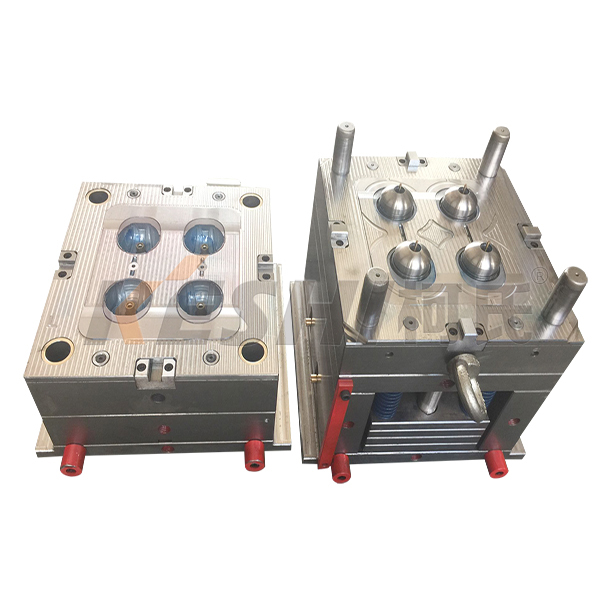
- Production Output: A single-cavity mold produces one part per molding cycle, while a multi-cavity mold produces multiple identical parts—for example, 4, 8, or 32—per cycle. This makes multi-cavity molds suitable for high-volume production of a single part number.
- Initial Cost and Complexity: Single-cavity molds have a lower initial cost and are less complex to design and machine. Multi-cavity molds represent a higher initial investment due to the need to machine multiple identical cavities and a more sophisticated runner system to deliver plastic to each one evenly.
- Part Consistency and Balancing: Ensuring absolute consistency between cavities in a multi-cavity mold is a technical challenge. The mold must be perfectly balanced, meaning the molten plastic fills each cavity at the same rate, pressure, and temperature. An unbalanced mold will produce parts with variations in weight, size, or density. A single-cavity mold inherently avoids this issue.
- Flexibility and Risk Mitigation: A single-cavity mold offers greater flexibility for design changes or modifications. If a cavity is damaged, production stops entirely. In a multi-cavity mold, if one cavity is damaged, it may be possible to seal it off and continue running the others at reduced output, though part consistency may be affected.
Customizing a Kitchenware Mold: Process and Inclusions
The customization of a kitchenware mold is a collaborative, phased process that translates a product concept into a precision manufacturing tool. It encompasses technical design, material selection, and validation.
Process Overview:
The customization begins with a detailed product design, often involving 3D models and material specifications. Mold designers then engineer the mold structure, considering factors like parting lines, ejection, cooling, and how the part will be gated. Following design approval, high-precision machining, electrical discharge machining (EDM), and polishing create the mold components. The assembled mold is then tested, and initial samples are produced for evaluation and approval before full-scale production commences.
What the Customization Includes:
- Cavity and Core Design: The creation of the master shapes that form the interior and exterior geometries of the kitchenware item.
- Material Selection for the Mold: Choosing appropriate mold steels, often stainless or pre-hardened steels, for their durability, polishability, and corrosion resistance, which is important for items used with food.
- Cooling System Integration: Designing and machining an internal network of channels for water or oil to circulate, enabling controlled temperature management.
- Ejection System: Incorporating mechanisms, such as pins, blades, or plates, to reliably eject the cooled part without causing marks or damage.
- Surface Finishing: Applying the specified texture or polish to the cavity surface, which can range from a high-gloss mirror finish to a matte, stone-like texture.
- Prototype Sampling and Testing: Producing initial samples (T1, T2, etc.) to evaluate fit, function, aesthetics, and dimensional accuracy, bring about iterative refinements of the mold if required.
Copyright © 2023 Zhejiang Keshi Mould & Industry Co., Ltd. All Rights Reserved

OEM/ODM Plastic Kitchen Ware Mould Factory