
 EN
EN  English
 русский
 عربى
عربى 中文简体
中文简体
Product Categories
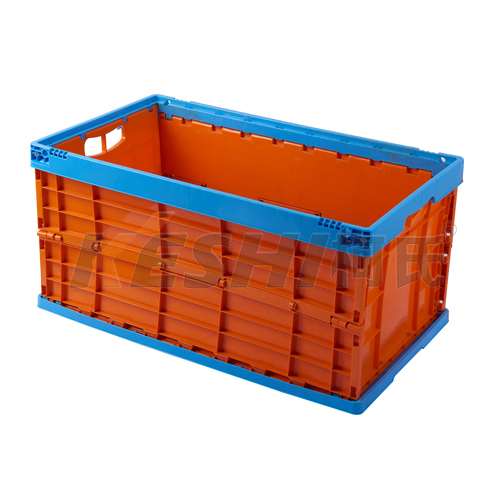
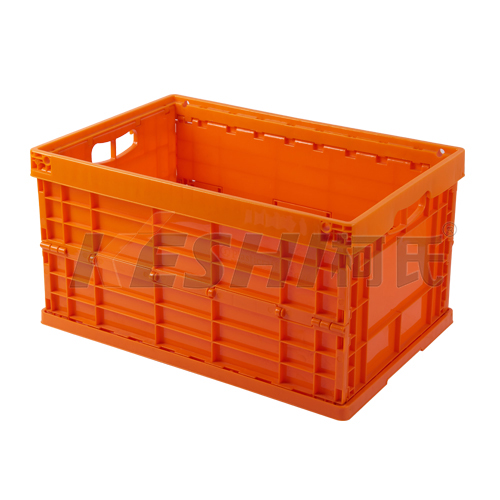
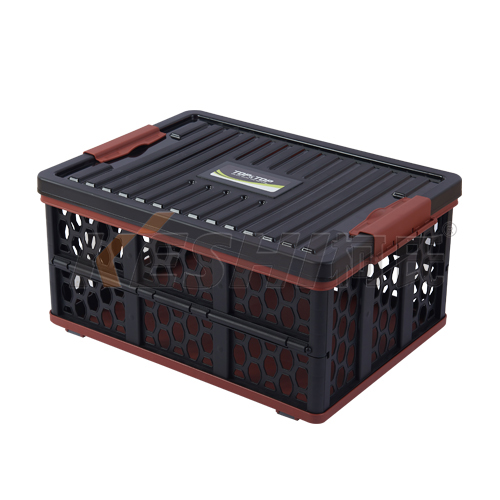
Keshi Mould
Contact Us
Which is a manufacturer & supplier of an extensive range of plastic moulds, Household Plastic Mould, Package Mould, Furniture Mould, Logistics Mould and Pipe Fitting Mould, etc.
Plastic Commodity Mould Manufacturer
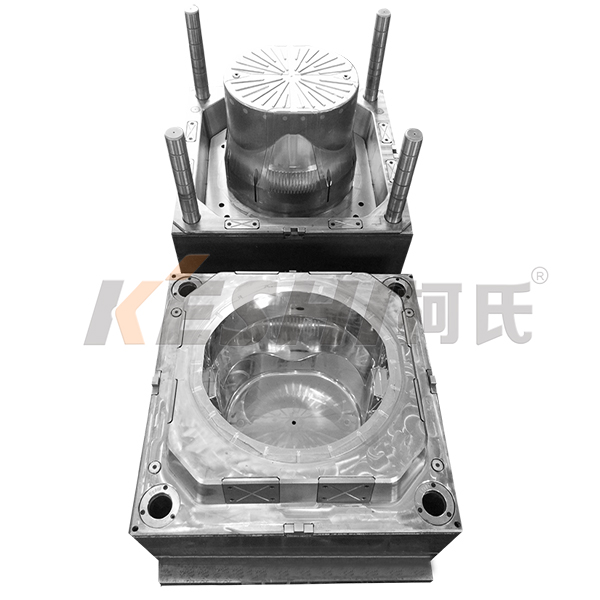
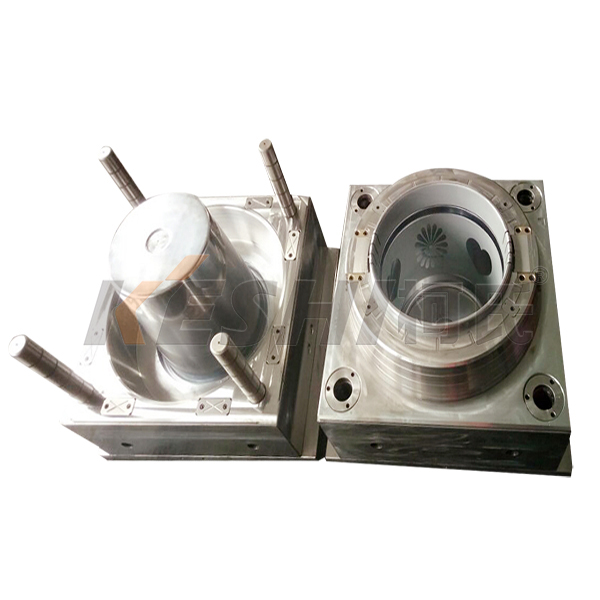
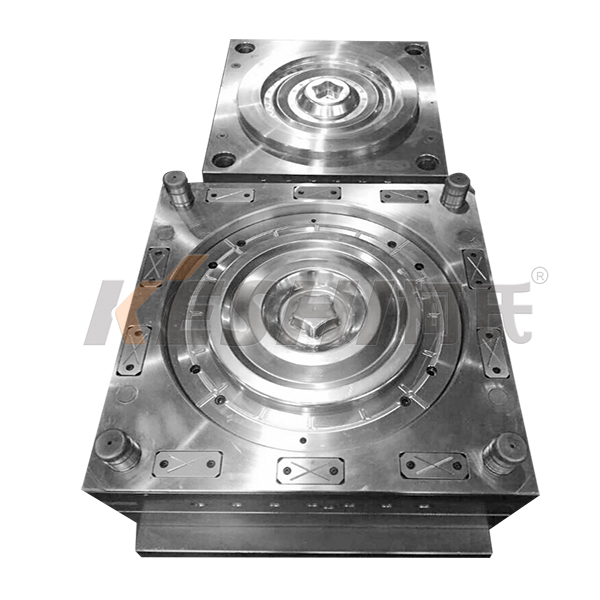
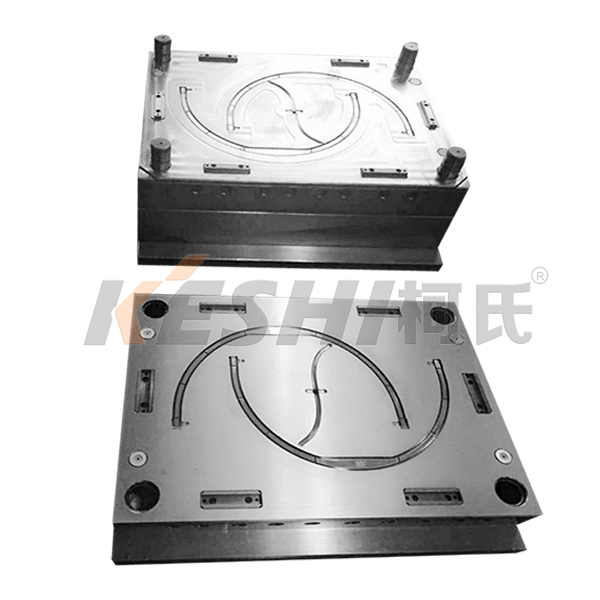
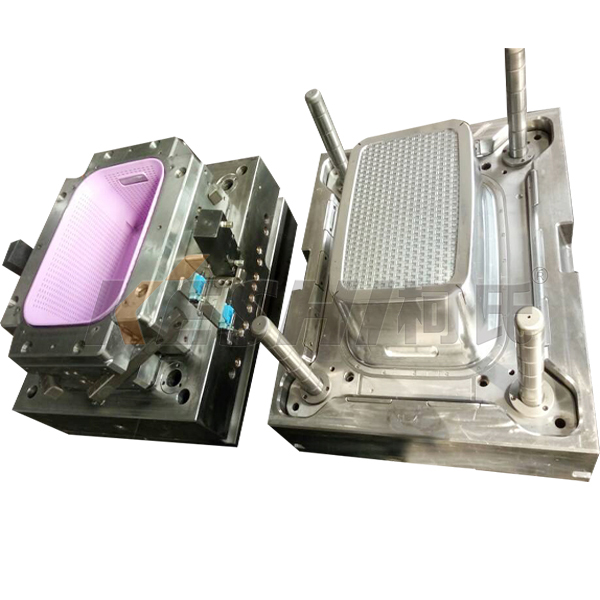
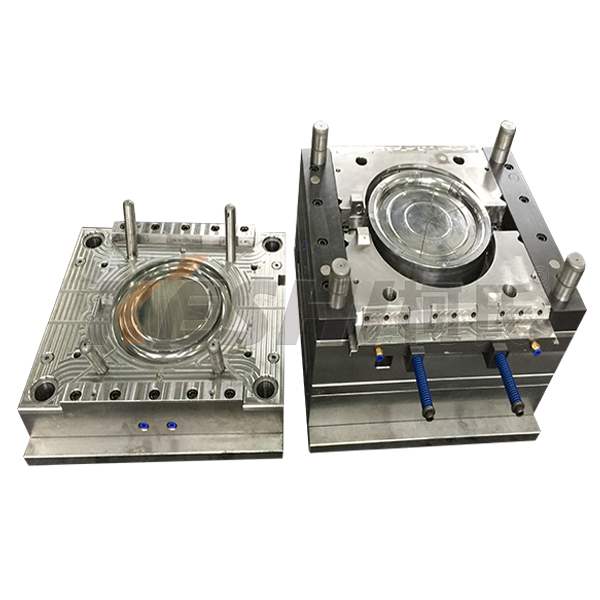
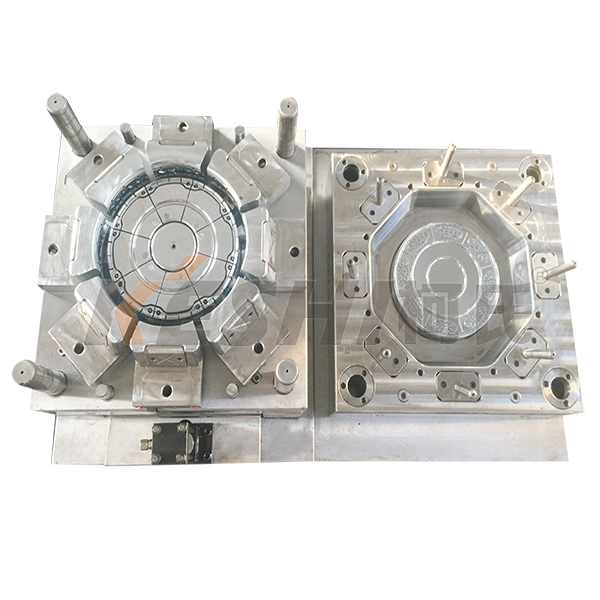
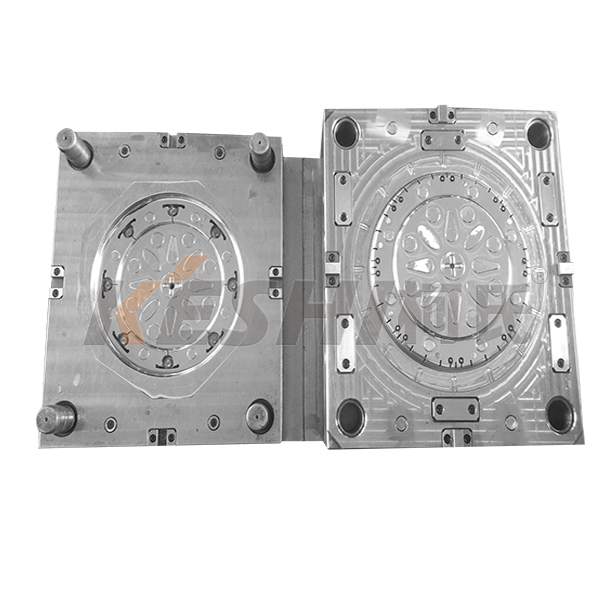
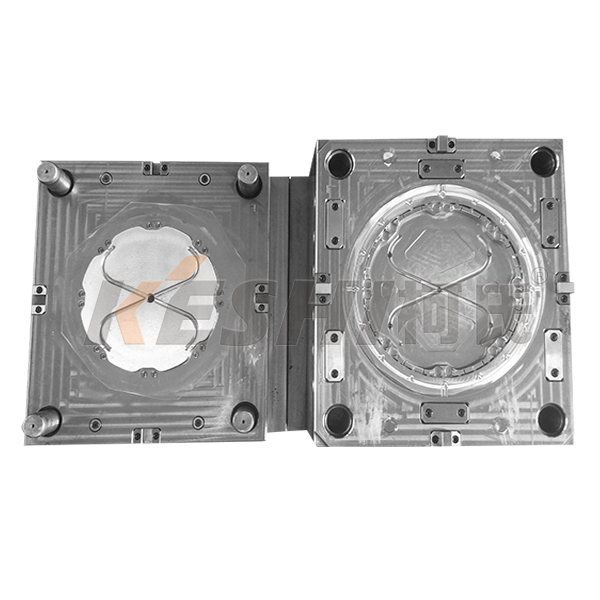
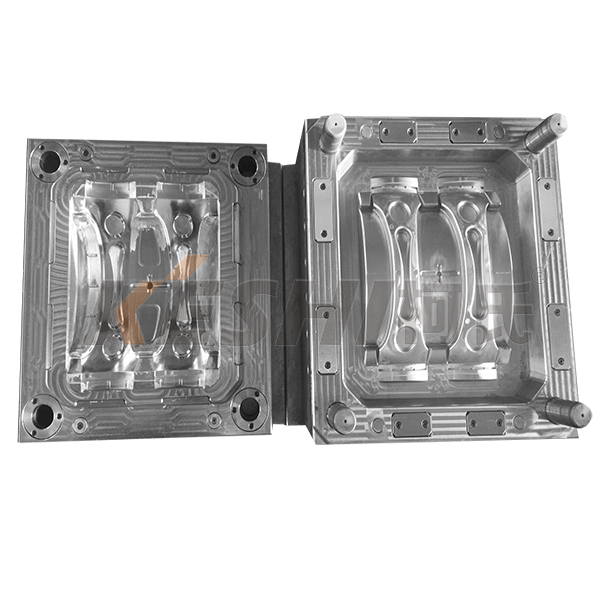
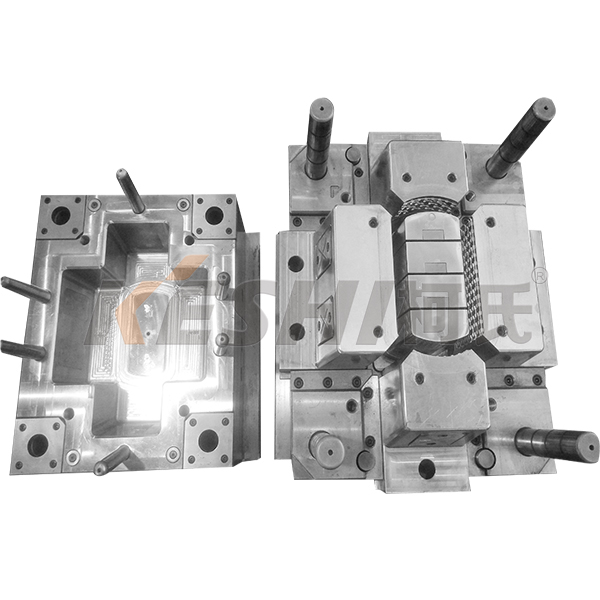
Welcome to our world of Commodity Mould, where precision meets performance, and excellence is molded into every product. As a factory dedicated to crafting top-notch manufacturing tools, our Commodity Mould category stands as a testament to innovation, quality, and unbeatable value.
At the heart of our Commodity Mould lies meticulous design. Each mold is meticulously crafted by our team of experts, ensuring optimal performance and efficiency throughout its lifespan. Whether it's simple shapes or intricate structures, our designs are tailored to meet your exact specifications, guaranteeing precision and consistency in every product.
But design is only part of the equation; material quality is equally paramount. We source only the fine materials for our Commodity Mould, ensuring unrivaled durability and longevity. Whether you're mass-producing goods or requiring high-precision manufacturing, our molds are engineered to deliver unparalleled performance and reliability, time and time again.
Now, let's talk about versatility. Our Commodity Mould finds application across a myriad of industries and sectors, from plastics to metals to glass and beyond. Whether you're manufacturing everyday essentials or high-end products, our molds are your gateway to achieving production goals and gaining a competitive edge in the market.
But what truly sets our Commodity Mould apart is its transformative power. It's not just a tool; it's a catalyst for innovation and growth. With our molds, you have the freedom to unleash your creativity, push boundaries, and redefine possibilities. From concept to creation, our Commodity Mould empowers you to bring your vision to life, one immaculately molded product at a time.
Moreover, partnering with us means more than just acquiring a product; it's gaining a trusted ally dedicated to your success. Our team is committed to providing unparalleled support and expertise every step of the way, ensuring that your journey with our Commodity Mould is seamless and rewarding.
Our Commodity Mould is more than just a manufacturing tool; it's a symbol of excellence, reliability, and limitless potential. Join us on this journey of innovation and discovery, and together, let's shape a brighter future, one mold at a time.
ABOUT US
Zhejiang Keshi Mould & Industry Co., Ltd.
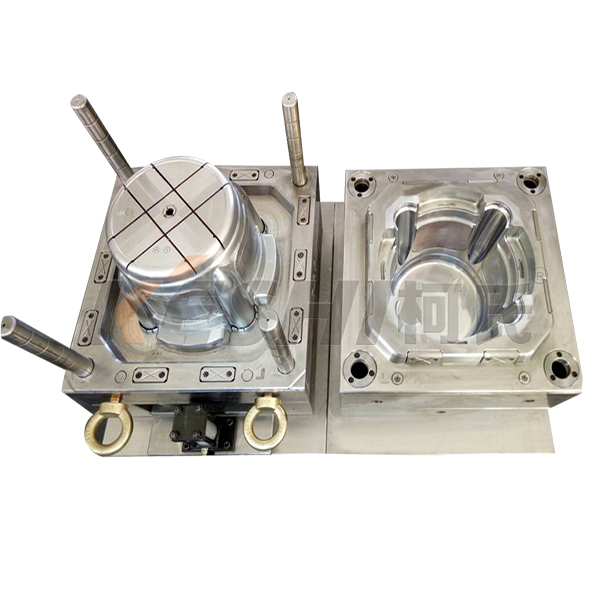
Zhejiang Keshi Mould & Industry Co., Ltd. is a Custom Plastic Commodity Mould Manufacturer and China OEM/ODM Plastic Commodity Mould Factory, We produce, manufacture, and sell Household Plastic Mould, Package Mould, Furniture Mould, Logistics Mould and Pipe Fitting Mould, etc.
We have complete mould-building facilities furnished with the latest modelling software: UG, CAD/CAM, PROE, SOLIDWORKS, and advanced processing equipment to ensure high-quality mould. We aim to meet and exceed our customers’ expectations through design, competitive prices, fast delivery, and after-sales service.

News
-
Leading the Way in Custom Mold Production A Mold Manufacturer Supplier plays an essential role in industries ranging from automotive and electronics to consumer...
READ MORE -
The Role of Plastic Injection Molds in Modern Production A Plastic Injection Mold plays a critical role in the manufacturing of plastic products across various ...
READ MORE -
From Granules to Garden Chairs Every plastic chair, table, and storage unit begins as tiny granules inside massive molding machines. A plastic furniture mold tr...
READ MORE -
What Makes Logistics Moulds Different Every warehouse stacked with pallets, every shipment secured in plastic crates, and every distribution center organized wi...
READ MORE -
Where Kitchen Containers Begin Open any kitchen cabinet and find storage containers in every shape and size. Each one started as liquid plastic inside a househo...
READ MORE -
What Actually Happens Inside a Mold Look around any room and count plastic items. Phones, remotes, water bottles, toys, containers. Every single one began as li...
READ MORE -
How Do Plastic Package Molds Improve Manufacturing A Plastic Package Mold is essential for producing consistent, high-quality packaging products used in food, c...
READ MORE -
How Do Pipe Fitting Molds Enhance Manufacturing Efficiency A Pipe Fitting Mold is a key tool in producing high-quality pipe connectors for plumbing, irrigation,...
READ MORE -
How Do Logistics Moulds Improve Supply Chain Efficiency Efficient packaging and storage are critical in modern supply chains, and a Logistics Mould provides con...
READ MORE -
How Do Household Plastic Molds Improve Manufacturing Efficiency A Household Plastic Mold plays a vital role in producing consistent, high-quality household prod...
READ MORE -
Thin wall molding is a specialized injection molding process used to manufacture plastic parts with relatively thin wall sections while maintaining structural i...
READ MORE -
How does the Chemical and Impact Resistance of Paint Bucket Molds Affect Their Performance? In the production of paint buckets, the material properties and resi...
READ MORE
We Have Rich Industry Experience, Strong Technical Strength,
And a Technical Team. Can Provide One-stop Solutions Based On Customer Needs.

-
2018
Was founded in
-
10+
Industry experience
-
xxx
Patent Certificate
-
xx+
Automatic production line
Honor

Leaving a Message
If you would like to learn more about our products, please feel free to contact us and we will do our to assist you.
Industry Knowledge Extension
What are the characteristics of a plastic commodity mold?
1. Design Considerations
Plastic commodity moulds are used for producing a variety of everyday plastic items, such as containers, bottles, and consumer goods. The design process must prioritize simplicity and efficiency to ensure cost-effective production. Mold design starts with choosing the right material for both the mold and the product. Steel or aluminum is typically used for the mold base, while the choice of plastic material impacts the mold’s temperature tolerance, cycle time, and cooling system requirements. Features like draft angles, gate locations, and ejector pins are critical for ensuring smooth operation and defects like sticking or warping.
2. Material Selection
Material selection is crucial for the performance of both the mold and the finished product. Common plastics used in commodity moulds include polyethylene (PE), polypropylene (PP), and polystyrene (PS), all of which offer varying degrees of flexibility, strength, and chemical resistance. The plastic must meet the end-use requirements of the product while also considering manufacturing constraints such as processing temperature and injection pressure.
3. Cost and Efficiency
Cost-effectiveness is a major consideration when producing plastic commodities. This includes not only the initial mold cost but also factors such as the lifespan of the mold, cycle time, and ease of maintenance. A well-designed commodity mold should be able to withstand high-volume production runs with minimal downtime and consistent quality.
What should we know about Commodity Mould?
1. Function and Versatility
Commodity molds are designed to manufacture a wide range of everyday products. These molds are typically more generic and versatile than those designed for specialized or high-end products. A commodity mold is engineered to accommodate simple geometric shapes and low-cost materials, making them ideal for mass production of consumer goods such as food packaging, household containers, and toys.
2. Mold Structure and Features
Commodity moulds usually have a relatively simple design. The mold structure typically includes a cavity or cavities that match the shape of the product, along with cooling channels to ensure uniform temperature distribution during the injection molding process. In many cases, the molds are made with steel or aluminum alloy, chosen for their durability and heat resistance. Mold features such as gates, vents, and ejector systems are positioned to optimize the flow of material into the cavity and facilitate easy part removal.
3. Production Cycle and Efficiency
The production cycle for commodity molds is relatively fast compared to molds for more intricate designs. Efficiency is key in commodity molding, as the goal is often to produce large quantities of low-cost products. Short cycle times are achieved by optimizing injection pressure, temperature, and cooling time, all of which can be influenced by the design of the mold itself. Ensuring that these parameters are stable across production runs can significantly improve output consistency and reduce scrap rates.
Explore the diversity of Commodity Injection Mold
1. Design Requirements and Material Selection
Commodity injection molds are used to create a variety of mass-produced plastic items that require injection molding. These molds are generally designed with a focus on high throughput and repeatability. The design should accommodate features that ensure quick filling of the cavity and uniform cooling to minimize warping. Common materials used in commodity injection molds include steels like P20 or H13, which are known for their good wear resistance and ability to handle high temperatures during production. The selection of material for the molded product will depend on the desired strength, flexibility, and application of the end product.
2. Efficiency and Production Considerations
Efficiency is paramount in commodity injection molding, as the products made with these molds are usually intended for mass-market distribution. High-volume production demands consistent mold performance, reduced cycle times, and minimal downtime. Optimized mold design plays a role in reducing waste, ensuring smooth filling of the cavities, and defects such as air pockets or incomplete parts. For this reason, features such as proper gate design, cooling channels, and venting systems are integral to the efficiency of the mold and the overall production process.
3. Cost and Maintenance
A key consideration for commodity injection molds is balancing the cost of the mold with its longevity and performance. Since commodity products are often low-cost items, the mold must be able to produce large quantities of parts without incurring excessive costs. The design of the mold should take into account factors such as ease of maintenance, as molds will inevitably experience wear and tear over time. Regular maintenance of components like the ejector system and cooling channels is essential to ensuring long-term mold performance and production disruptions.
Copyright © 2023 Zhejiang Keshi Mould & Industry Co., Ltd. All Rights Reserved

OEM/ODM Plastic Commodity Mould Factory