
 EN
EN  English
 русский
 عربى
عربى 中文简体
中文简体
Product Categories
Keshi Mould
Contact Us
Which is a manufacturer & supplier of an extensive range of plastic moulds, Household Plastic Mould, Package Mould, Furniture Mould, Logistics Mould and Pipe Fitting Mould, etc.
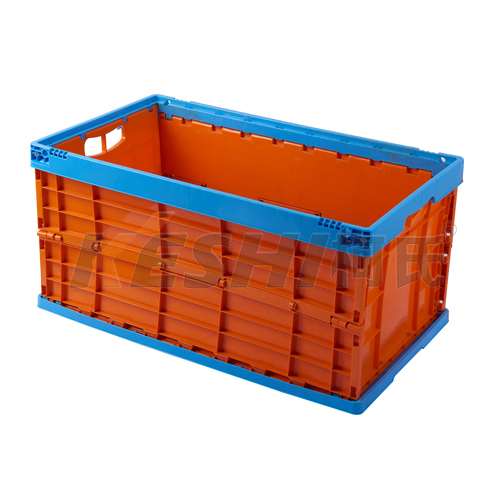
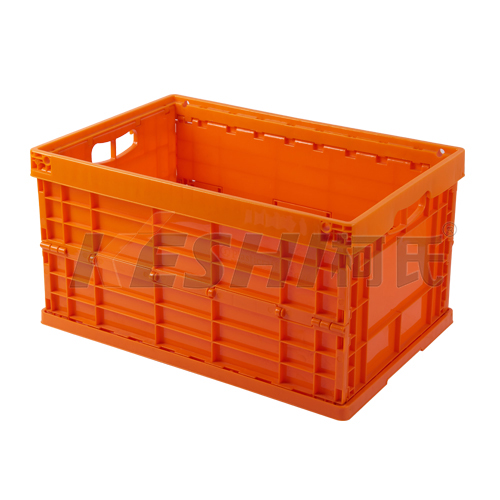
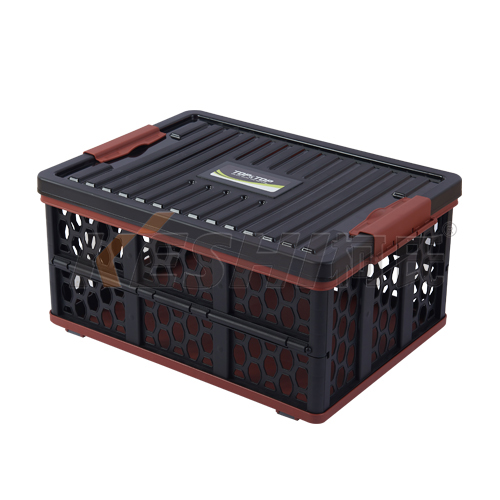
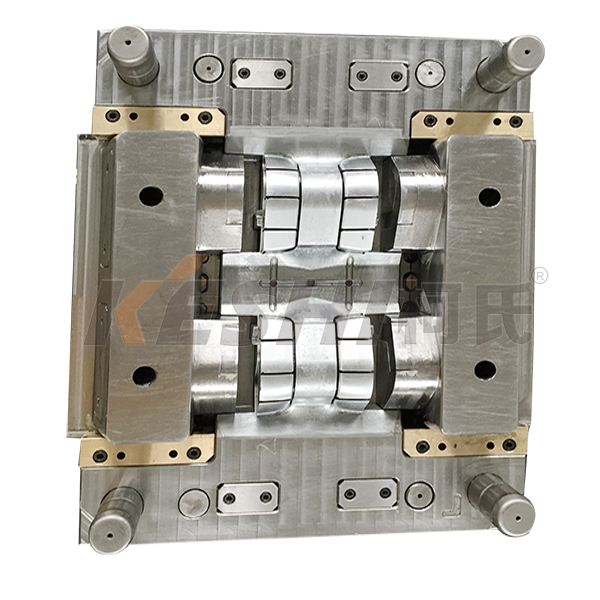
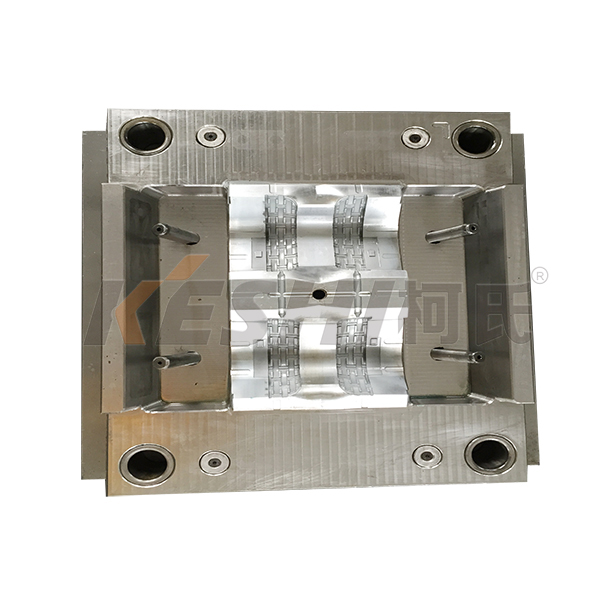
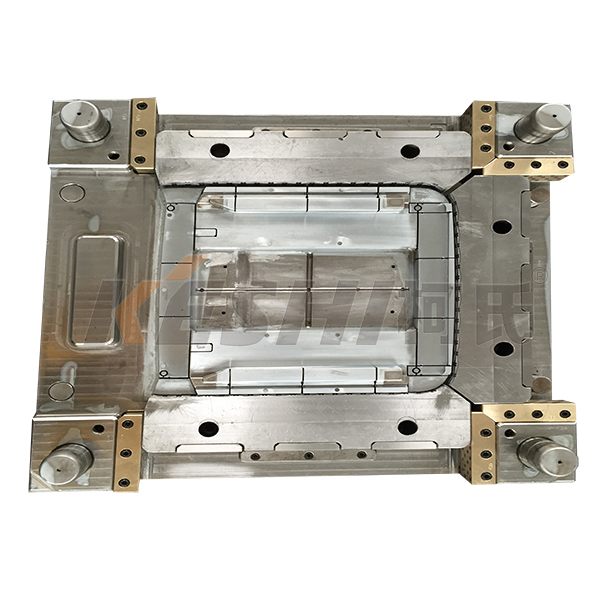
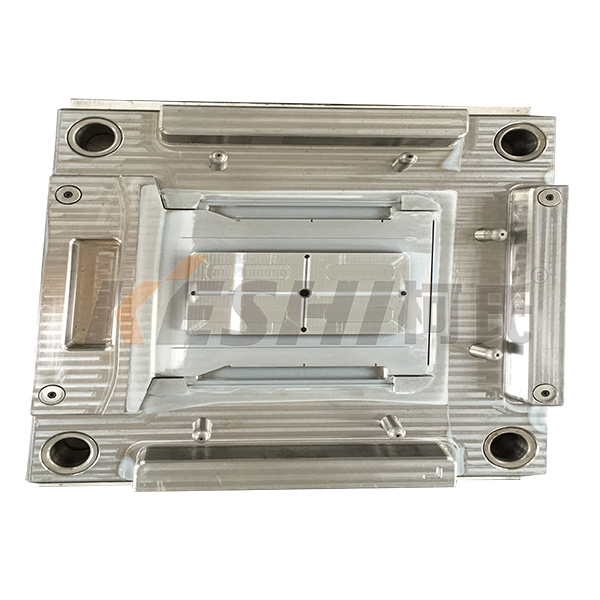
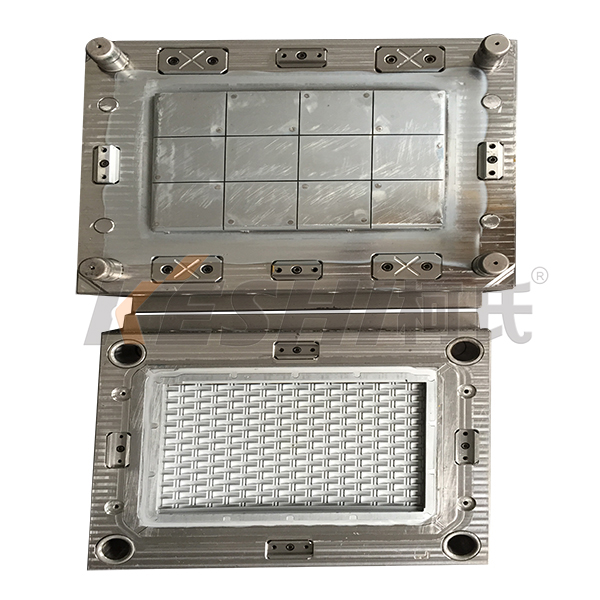
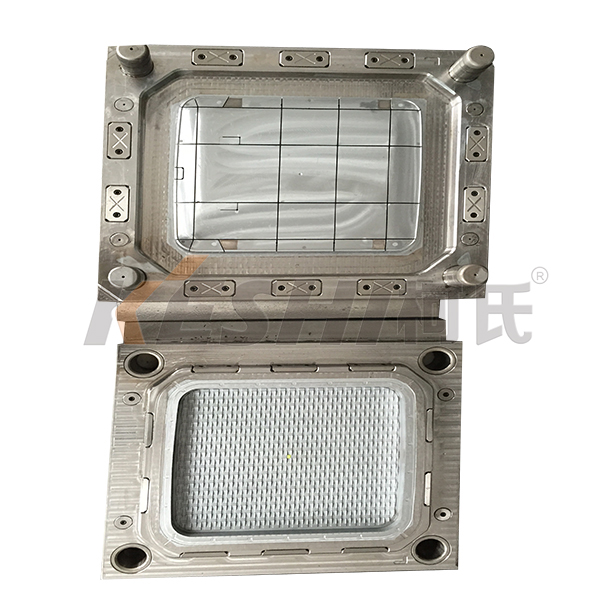
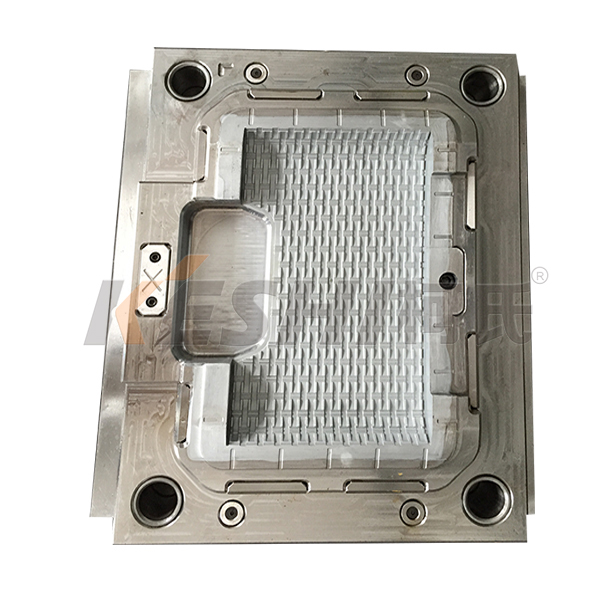
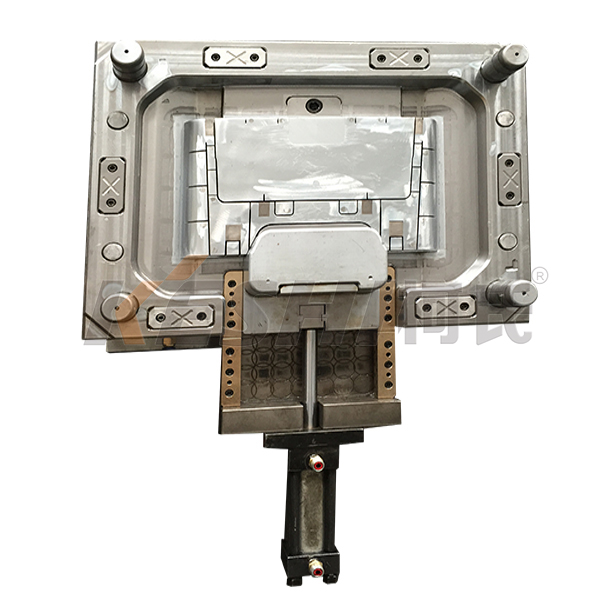
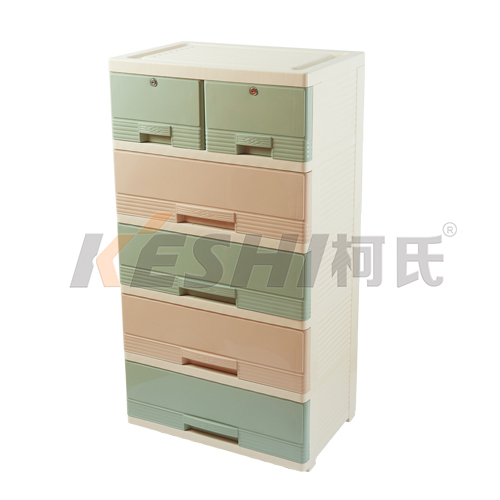
Plastic Wardrobe Mould Manufacturer
Plastic cabinet molds are pivotal components in the manufacturing process of plastic cabinets, offering numerous advantages, versatile applications, and distinct features.
Advantages:
1. Cost-Effectiveness: Plastic cabinet molds enable cost-effective mass production, reducing overall manufacturing expenses.
2. Customization: These molds allow for intricate design customization, accommodating various shapes, sizes, and functionalities to meet diverse consumer needs.
3. Durability: Products manufactured from plastic cabinet molds boast exceptional durability, withstanding wear and tear, moisture, and environmental factors.
4. Efficiency: The streamlined manufacturing process facilitated by these molds ensures high production efficiency, meeting demanding market demands promptly.
5. Lightweight: Plastic cabinet products are lightweight, enhancing portability and ease of installation compared to traditional materials like wood or metal.
Applications:
1. Household Storage: Plastic cabinets find extensive use in households for organizing and storing items in kitchens, bedrooms, bathrooms, and garages.
2. Commercial Spaces: They are employed in various commercial settings such as offices, warehouses, retail stores, and workshops for efficient storage solutions.
3. Industrial Use: Plastic cabinets serve in industrial environments for storing tools, equipment, and supplies, ensuring organizational efficiency and safety.
4. Outdoor Storage: Weather-resistant plastic cabinets are ideal for outdoor use, providing secure storage solutions for gardening tools, patio accessories, and pool supplies.
Distinct Features:
1. Modularity: Plastic cabinet designs can incorporate modular features, allowing for easy assembly, disassembly, and reconfiguration to adapt to changing needs.
2. Aesthetic Appeal: These cabinets come in a wide array of colors, finishes, and textures, enhancing visual appeal and blending seamlessly with various decor styles.
3. Eco-Friendliness: Utilizing recyclable materials in manufacturing, plastic cabinet molds contribute to sustainable practices, reducing environmental impact.
4. Versatility: Plastic cabinet molds accommodate the production of diverse cabinet types, including utility cabinets, storage drawers, shelves, and cabinets with specialized compartments.
5. Easy Maintenance: Products from plastic cabinet molds are easy to clean and maintain, ensuring long-term functionality and aesthetic appeal with minimal effort.
Plastic cabinet molds play a pivotal role in the production of versatile, cost-effective, and durable storage solutions with applications ranging from household to industrial settings. Their customizable designs, efficiency in production, and diverse features make them indispensable components in modern manufacturing processes, catering to the evolving needs of consumers and businesses alike.


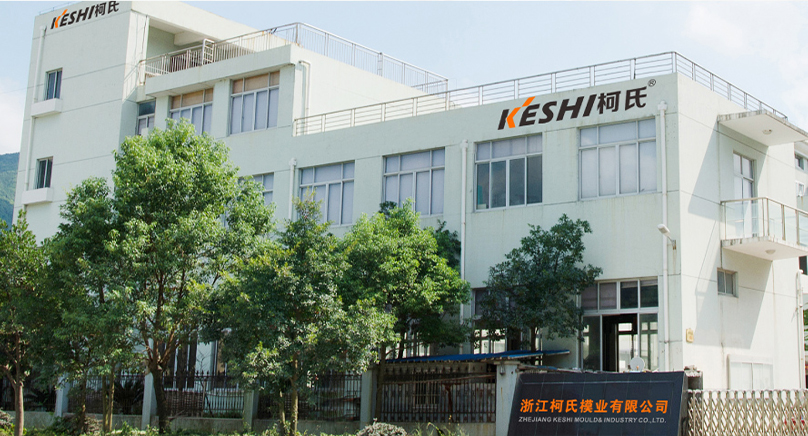
ABOUT US
Zhejiang Keshi Mould & Industry Co., Ltd.
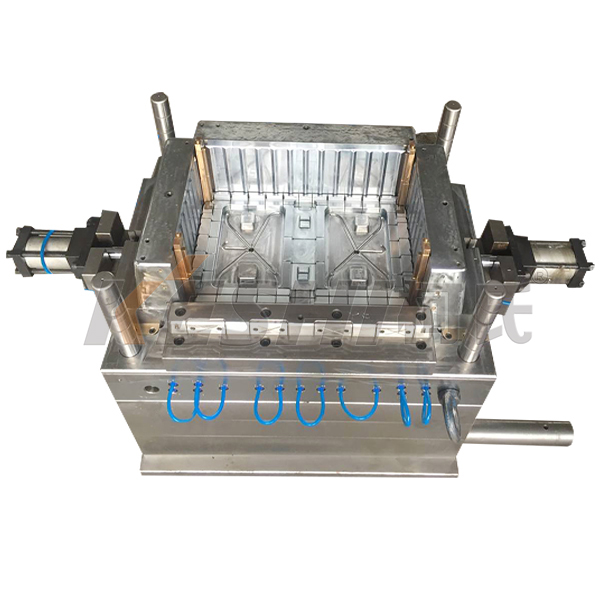
Zhejiang Keshi Mould & Industry Co., Ltd. is a Custom Plastic Wardrobe Mould Manufacturer and China OEM/ODM Plastic Wardrobe Mould Factory, We produce, manufacture, and sell Household Plastic Mould, Package Mould, Furniture Mould, Logistics Mould and Pipe Fitting Mould, etc.
We have complete mould-building facilities furnished with the latest modelling software: UG, CAD/CAM, PROE, SOLIDWORKS, and advanced processing equipment to ensure high-quality mould. We aim to meet and exceed our customers’ expectations through design, competitive prices, fast delivery, and after-sales service.
News
-
Leading the Way in Custom Mold Production A Mold Manufacturer Supplier plays an essential role in industries ranging from automotive and electronics to consumer...
READ MORE -
The Role of Plastic Injection Molds in Modern Production A Plastic Injection Mold plays a critical role in the manufacturing of plastic products across various ...
READ MORE -
From Granules to Garden Chairs Every plastic chair, table, and storage unit begins as tiny granules inside massive molding machines. A plastic furniture mold tr...
READ MORE -
What Makes Logistics Moulds Different Every warehouse stacked with pallets, every shipment secured in plastic crates, and every distribution center organized wi...
READ MORE -
Where Kitchen Containers Begin Open any kitchen cabinet and find storage containers in every shape and size. Each one started as liquid plastic inside a househo...
READ MORE -
What Actually Happens Inside a Mold Look around any room and count plastic items. Phones, remotes, water bottles, toys, containers. Every single one began as li...
READ MORE -
How Do Plastic Package Molds Improve Manufacturing A Plastic Package Mold is essential for producing consistent, high-quality packaging products used in food, c...
READ MORE -
How Do Pipe Fitting Molds Enhance Manufacturing Efficiency A Pipe Fitting Mold is a key tool in producing high-quality pipe connectors for plumbing, irrigation,...
READ MORE -
How Do Logistics Moulds Improve Supply Chain Efficiency Efficient packaging and storage are critical in modern supply chains, and a Logistics Mould provides con...
READ MORE -
How Do Household Plastic Molds Improve Manufacturing Efficiency A Household Plastic Mold plays a vital role in producing consistent, high-quality household prod...
READ MORE -
Thin wall molding is a specialized injection molding process used to manufacture plastic parts with relatively thin wall sections while maintaining structural i...
READ MORE -
How does the Chemical and Impact Resistance of Paint Bucket Molds Affect Their Performance? In the production of paint buckets, the material properties and resi...
READ MORE
We Have Rich Industry Experience, Strong Technical Strength,
And a Technical Team. Can Provide One-stop Solutions Based On Customer Needs.

-
2018
Was founded in
-
10+
Industry experience
-
xxx
Patent Certificate
-
xx+
Automatic production line
Honor

Leaving a Message
If you would like to learn more about our products, please feel free to contact us and we will do our to assist you.
Industry Knowledge Extension
How to Ensure the Durability of Plastic Wardrobe Mould?
Ensuring the durability of a plastic wardrobe mould requires attention to design, material selection, manufacturing quality, and operational management. Plastic wardrobe products are usually large in size and designed for repeated use, which places long-term mechanical and thermal demands on the mould. One foundational factor is the selection of suitable mould steel. Steel grades with balanced hardness and toughness help the mould withstand repeated injection cycles while resisting wear, deformation, and fatigue cracking.
Mould structure design also plays a significant role. A well-supported mould base,reasonable wall thickness transitions, and reinforced areas around high-stress zones such as gates and ejector pin locations reduce localized stress concentration. For wardrobe moulds with large cavities, proper alignment and guide systems are necessary to prevent uneven wear caused by repeated opening and closing.
Surface treatment and finishing further affect durability. Processes such as polishing or surface hardening improve resistance to abrasion and reduce friction during ejection. At the same time, a well-designed cooling system helps maintain uniform temperature distribution, which minimizes thermal stress and prolongs mould life.
Durability depends on correct usage and maintenance. Stable processing parameters reduce unnecessary mechanical load, while regular inspection and maintenance prevent small issues from developing into major failures. Together, these measures support consistent mould performance over extended production cycles.
Should a Hot Runner or Cold Runner System Be Chosen for a Plastic Mould Die?
Functional Characteristics
A hot runner system keeps plastic material in a molten state within heated channels, delivering melt directly into the cavity. A cold runner system allows the runner material to solidify along with the product and be ejected together. Each system supports plastic flow but operates under different thermal and structural principles.
Design and Operational Differences
The visible difference lies in material usage and mould complexity. Hot runner systems reduce runner waste and enable more stable filling, especially in multi-cavity or large moulds. However, they require precise temperature control, higher initial investment, and more complex maintenance. Cold runner systems have a simpler structure, lower tooling cost, and easier maintenance, but they generate runner waste and may require additional processing if regrind material is reused.
Quality and Production Impact
From a quality and efficiency perspective, hot runners can support consistent part weight, shorter cycle times, and improved surface appearance, which is beneficial for large or high-volume products. Cold runners are often suitable for lower-volume production or products with less demanding appearance requirements. The final choice should be based on product size, material type, production volume, and cost control strategy rather than a single performance factor.
How Does the Design of Precision Injection Molding Affect the Production Cycle?
The design of precision injection molding has a direct influence on the length and stability of the production cycle. This influence can be analyzed through several key aspects:
Cooling System Design
Cooling usually occupies the largest portion of the injection molding cycle. Precision mould design emphasizes uniform cooling channel layout to ensure even heat dissipation across the product. When cooling is balanced, parts reach ejection temperature more quickly and consistently, reducing cycle time and warpage or dimensional variation.
Mould Structure and Ejection Efficiency
Efficient mould structures reduce unnecessary movements and delays during opening, closing, and ejection. Precision design ensures accurate alignment and smooth operation of moving components, such as sliders and lifters. A well-planned ejector system allows products to be released quickly without sticking or deformation, which supports stable cycle repetition.
Process Stability and Repeatability
Precision injection molding relies on tight tolerances and predictable material flow. When cavity dimensions, gate locations, and runner designs are optimized, filling and packing phases become more stable. This stability reduces the need for extended holding time or corrective adjustments, allowing the production cycle to remain consistent across long runs.
Copyright © 2023 Zhejiang Keshi Mould & Industry Co., Ltd. All Rights Reserved

OEM/ODM Plastic Wardrobe Mould Factory