EN
EN  English
 русский
 عربى
عربى 中文简体
中文简体
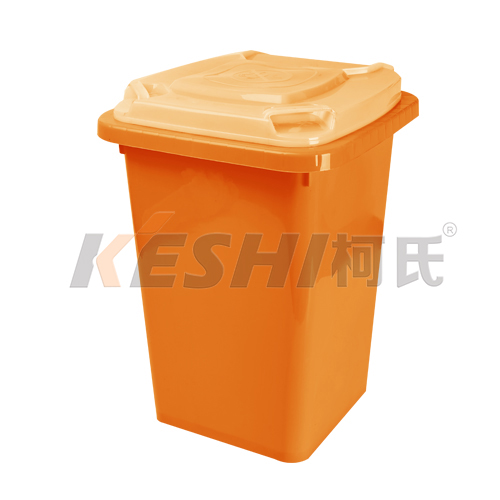
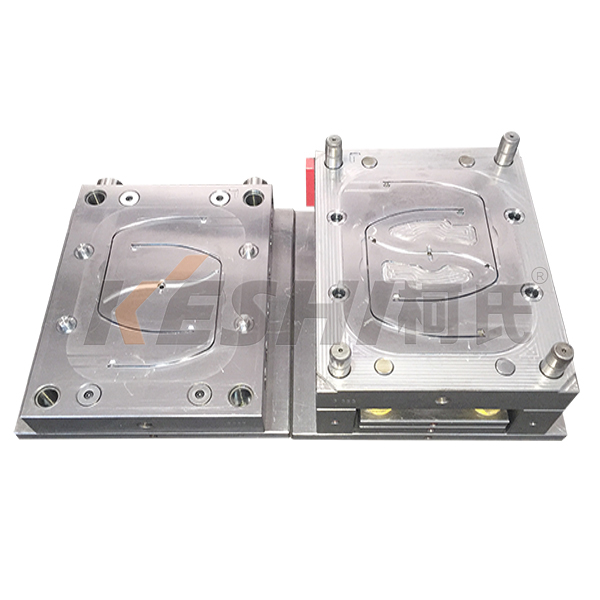
A daily use dustbin mould shapes the plastic bins that hold household waste—kitchen trash, bathroom bins, and office receptacles. The mould arrives producing parts with straight walls and perfectly round rims. Eight months of production later, the same mould turns out bins with oval openings and rims that no longer seal against the lid. The plastic still holds strength. The colour still matches. But the distorted rim means the lid does not fit. A daily use dustbin mould that cannot maintain rim roundness produces bins that get rejected at final inspection, and the manufacturer blames the plastic when the mould geometry has drifted out of tolerance. The rim fails before the body cracks or the base wears thin.
Uneven Cooling Creates Oval Rims
The rim is the thickest section of the dustbin. Thicker plastic holds heat longer. The body walls are thinner and cool faster. A daily use dustbin mould with cooling lines that run parallel to the rim may cool the rim unevenly. The side of the rim closest to the cooling line shrinks earlier. The opposite side shrinks later. The differential shrinkage pulls the circle into an oval. The rim that should measure 400 millimetres in diameter measures 402 millimetres in one direction and 398 millimetres in the perpendicular direction. The lid fits loosely on the long axis and binds on the short axis. Cooling design decisions that determine rim roundness include the placement of channels relative to rim thickness, the use of baffles or bubbler systems for core cooling, and the coolant flow rate through each circuit—all of which affect how evenly the thick rim section loses heat. A daily use dustbin mould manufacturer that optimises these factors delivers round rims every shot. One that treats the rim as an afterthought ships bins that fail the lid-fit test.
Ejection Marks Distort the Rim Before the Bin Leaves the Mould
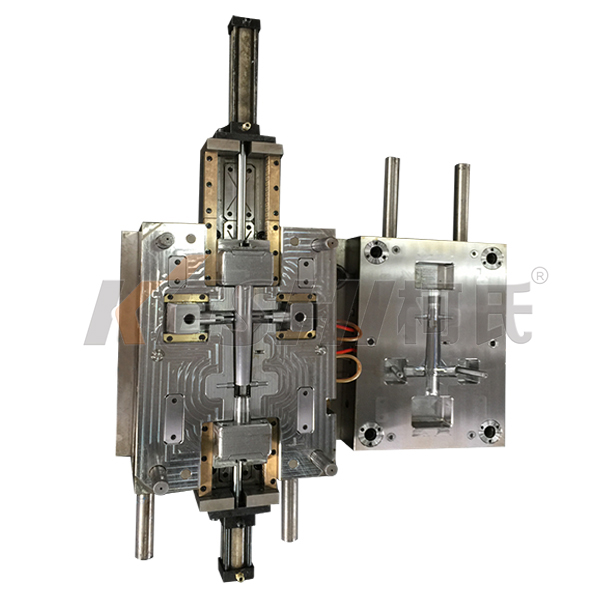
The bin must release from the core. Ejector pins push against the rim or the base. If the pins push unevenly, the rim distorts as it leaves the mould. A daily use dustbin mould with four ejector pins may eject cleanly if the pins travel equally. If one pin sticks or travels slower, the rim tips. The tipping creates a temporary oval that sets as the plastic cools. Six ejector pins arranged around the rim distribute force more evenly than four. Pin stroke length must match across all pins. A stripper plate that pushes the entire rim simultaneously eliminates pin marks and distributes force perfectly. A daily use dustbin mould manufacturer that uses balanced ejection geometry ships bins that release cleanly and stay round.
Gate Location Creates Flow Lines That Weaken the Rim
Plastic enters through the gate and flows up the walls. The flow fronts meet at the last point to fill, creating a weld line where the shrinkage differs from the rest of the rim. A daily use dustbin mould with an off-centre gate concentrates the weld line at one location, and the rim pulls out of round there. A centred gate creates symmetrical flow and uniform shrinkage.
Lid Fit Testing Catches Rim Distortion Early
Place the lid on the bin. Rotate it. If the lid binds at any point, the rim is not round. A daily use dustbin mould that passes the first hundred shots but fails at cycle five hundred is telling the operator that something has changed. The cooling water temperature may have drifted. The ejector pins may have worn. The steel may have relaxed. Operators who check for rim drift perform three routine inspections:
- Measure rim roundness with a caliper at four quadrants
- Perform a lid rotation test with a gauge pin to detect binding
- Visually inspect the rim for witness lines or discolouration
These three checks catch rim drift before it produces reject bins. One who inspects only the final assembled product discovers the problem after the bins have been packed and shipped.
Mould Steel Relaxation Changes the Rim Over Time
The mould steel experiences repeated heating and cooling. Over thousands of cycles, the steel relaxes microscopically—tenths of a millimetre. A daily use dustbin mould that produced round rims at cycle one hundred may produce oval rims at cycle ten thousand because one quadrant relaxed more than the opposite quadrant. The operator adjusts the process to compensate, but the compensation stops working as the steel continues to relax. Mould manufacturers who heat-treat to high hardness and stress-relieve before machining delay this relaxation for years. Those who skip stress-relieving ship moulds that drift within the first year of production.