EN
EN  English
 русский
 عربى
عربى 中文简体
中文简体
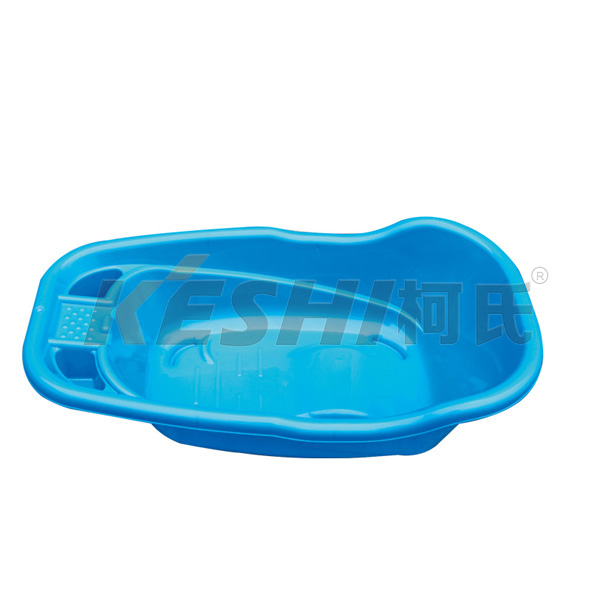
A baby bottle, a pacifier, a feeding spoon, a teething ring. These are not just plastic parts. They go into a baby's mouth. They get sterilized in boiling water. They get dropped on tile floors. A baby use mould produces these components to exacting safety standards. The mould cavity is polished to a mirror finish. The steel resists corrosion from repeated steam sterilization cycles. The gate is positioned so no sharp edge or burr touches the baby's skin or mouth. A baby use mould manufacturer builds tooling for the most risk-sensitive market in the plastics industry. No shortcuts. No rough edges. Here is what baby product brands and contract molders need to know.
The Cavity Finish That Makes Parts Safe
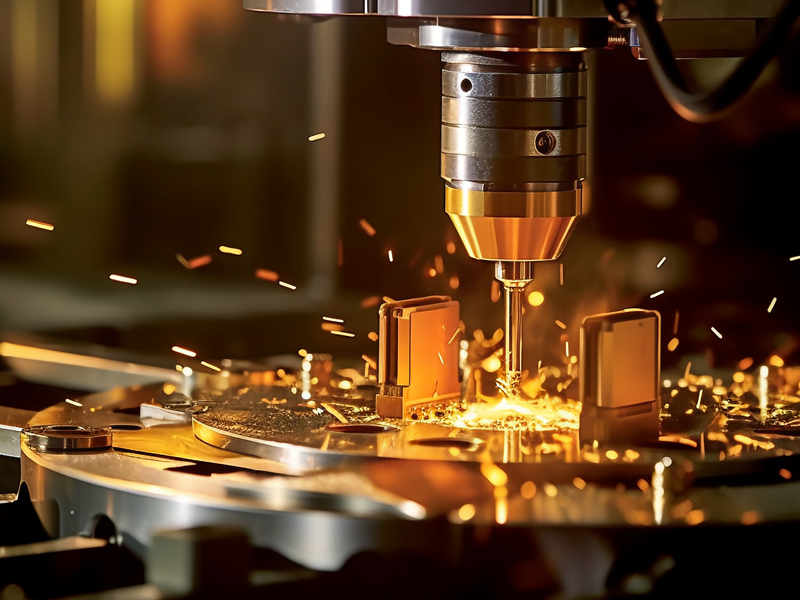
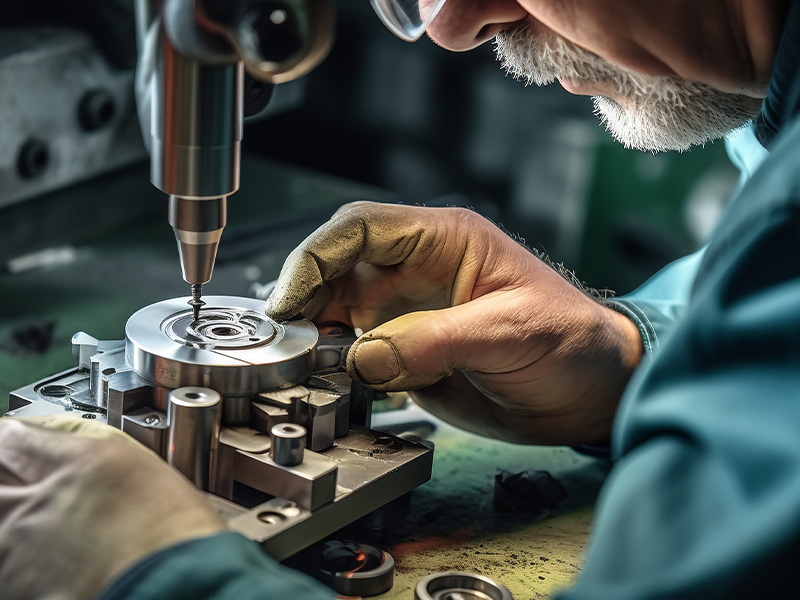
A sharp edge on a plastic part is annoying on a household item. It is dangerous on a baby product. A baby use mould with cavities polished to a mirror finish, typically SPI A1 or A2, produces parts with no burrs, no flash, and no sharp parting line witness marks. The surface finish inside the cavity transfers directly to the molded part. A rough cavity produces a rough part.
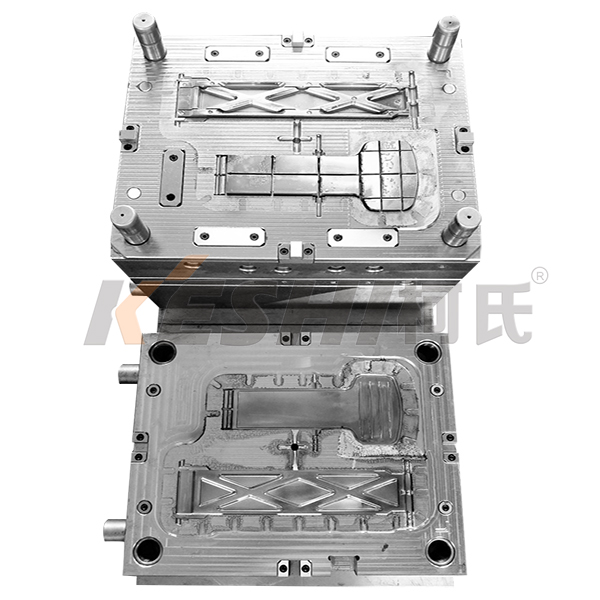
The parting line location is a safety decision, not just a mold design choice. A baby use mould with the parting line positioned away from where the baby's mouth or skin contacts the part eliminates the risk of a raised seam causing irritation or injury. The parting surfaces are ground flat and matched precisely so the mould produces a clean, small witness line.
Venting lets air escape ahead of the melt front. Trapped air burns the plastic and creates black specks. A baby use mould with properly sized and positioned vents produces clean parts without burn marks. Burn marks on a baby product are not just cosmetic. They indicate degraded material that could leach chemicals.
Materials That Survive Sterilization
Baby products get sterilized. Boiling water, steam sterilizers, microwave sterilizer bags. The plastic has to handle the heat without warping or leaching. A baby use mould designed for high-temperature resins like PPSU, PES, or medical-grade polypropylene processes materials that flow at higher temperatures and require higher mould temperatures.
The mould steel resists corrosion from the aggressive cleaning cycles between production runs. A baby use mould built from stainless tool steel, typically 420 or a similar grade, handles the humid, sometimes chemically aggressive environment of medical and baby product molding. Standard tool steel rusts when moulds are stored or when condensation forms during process interruptions.
Cooling channels are designed for the specific thermal requirements of high-temperature resins. A baby use mould with conformal cooling channels that follow the cavity contour maintains uniform mould temperature. Uniform temperature means uniform shrinkage and dimensionally accurate parts. It also means the resin processes at the correct temperature throughout the cavity, avoiding cold spots that cause incomplete fill or hot spots that degrade the material.
Gate Design and Part Handling
The gate is where molten plastic enters the cavity. The gate location and type determine whether the finished part has a witness mark and whether that mark is in an acceptable location. A baby use mould with the gate positioned on a non-functional, non-contact surface keeps vestiges away from the baby. The gate type is selected for the part geometry and material. A pin gate or a sub gate leaves a small, clean vestige. A hot runner system eliminates the cold runner entirely, reducing material waste on high-volume baby products.
Ejection releases the solidified part from the mould. Ejector pins push on the part surface. A baby use mould with ejector pins positioned on ribs, bosses, and non-contact surfaces keeps pin marks off the areas the baby touches. The ejection stroke and speed are set to release the part without distortion. A part that sticks and requires the operator to pry it out is a contamination risk.
Automation handles the part after ejection. A robot removes the part and places it in a clean container. A baby use mould designed for automated part removal keeps the mould area clear for the robot and ensures consistent cycle times. Manual part handling introduces contamination risk that automated production eliminates.
Here is what a baby product mould needs to deliver safe parts:
- Cavity finish of SPI A1 or A2 with no sharp edges or burrs
- Parting line positioned away from baby contact zones
- Stainless tool steel construction for corrosion resistance
- Gate location on non-contact surfaces with clean, small vestige
- Ejector pins on ribs and bosses only, no pin marks on contact areas
- Conformal cooling for uniform processing of high-temperature resins
Where Baby Product Moulds Earn Their Keep
Feeding products, bottles, nipples, spoons, bowls, require moulds that produce parts safe for repeated sterilization and mouth contact. A baby use mould for these applications prioritizes material safety and surface finish above all else.
Teething and soothing products, pacifiers, teething rings, gum massagers, see constant mouth contact and mechanical chewing. A baby use mould producing these parts has to hold dimensions precisely so the part fits together correctly and has no gaps where bacteria can grow.
Medical-grade baby products, medicine dispensers, nasal aspirators, syringe adapters, blur the line between baby care and medical devices. A baby use mould for these applications is built to medical device tooling standards with full traceability on steel and components.
What Separates a Baby Product Mould from Standard Tooling
Validation documentation accompanies the mould. A baby use mould manufacturer provides material certifications for the mould steel, surface finish measurement reports, and dimensional inspection data from the first shots. Baby product brands need this documentation for their own regulatory files.
The mould is designed for cleanroom molding. A baby use mould with sealed ejector boxes, covered guide pillars, and stainless steel external components runs in a cleanroom without shedding particles. Standard moulds with exposed grease fittings and carbon steel components contaminate the environment.
A baby use mould produces the plastic parts that go into a baby's mouth. The mould steel, the surface finish, the gate position, and the ejection system are all chosen for safety before cost. Choose a manufacturer that builds moulds for medical and baby product standards. The parts will be safe. That is the only acceptable outcome.